

Litigating Civil Cases in New York From Start to Finish
Credits Available
| Credit | Status | Total | Until |
|---|---|---|---|
| New York CLE |
|
7 Total | 09-13-2027 |
Buy This Course
OnDemand Video
Course Book Download
Overview
Apply the Rules and Maneuver Through the Litigation Process With Confidence
Don't miss this opportunity to develop practical skills in civil litigation! In this online seminar, veteran attorney faculty will provide you with real-world insights and concrete instruction. From initial filings to trial, uncover best practices that will help you work your way to a favorable case resolution. Learn how to be an effective advocate for your clients in civil proceedings - register today!
- Hear top words of advice on motions, discovery, jury selection, and other select issues.
- Discover how to spruce up your motion practice skills.
- Get the evidence you need during discovery and learn how to get it admitted.
- Learn how to prove the authenticity of social media posts, text messages, and more.
- Ask the right questions in voir dire to effectively ferret out juror biases and attitudes.
- Develop your case presentation skills for trial, from opening statements to closing arguments.
- Examine key ethics traps and receive practical guidance for complying with the rules.
Abbreviated Agenda
- Top Civil Litigation Dos and Don'ts
- Motion Practice and Pleadings: Getting What You Want
- Discovery, Depositions, and Evidence Rules: Real-World Applications
- Conducting Voir Dire and Jury Selection
- Building Your Civil Trial Skills
- How to Authenticate Social Media, Email, and Text Evidence
- Legal Ethics: Avoiding Key Dangers
Credit Details
Credits Available
| Credit | Status | Total | Until |
|---|---|---|---|
| New York CLE |
|
7 Total | 09-13-2027 |
Credit Details by Jurisdiction
CLE
Credits
New York CLE Approved · 7 Total Credits
- 6 Areas of Professional Practice
- 1 Ethics/Professionalism
Earn Until
OnDemand - New York CLE - 7: This nontraditional format course has been approved in accordance with the requirements of the New York State Continuing Legal Education Board for up to 7.0 credit hours. 6.0 hours can be applied to the areas of professional practice and is approved for newly admitted and experienced attorneys. 1.0 hour can be applied toward the Ethics/Professionalism requirement and is approved for experienced attorneys. NBI, Inc. offers a Financial Hardship Policy for qualifying individuals. To apply, please submit a request via email to our Tuition Discount Committee at customerservice@nbi-sems.com.
Video Download - New York CLE - 7: This nontraditional format course has been approved in accordance with the requirements of the New York State Continuing Legal Education Board for up to 7.0 credit hours. 6.0 hours can be applied to the areas of professional practice and is approved for newly admitted and experienced attorneys. 1.0 hour can be applied toward the Ethics/Professionalism requirement and is approved for experienced attorneys. NBI, Inc. offers a Financial Hardship Policy for qualifying individuals. To apply, please submit a request via email to our Tuition Discount Committee at customerservice@nbi-sems.com.
Select Jurisdiction
CLE
Agenda
-
Top Civil Litigation Dos and Don'ts
- Court Procedure
- Motions
- Discovery
- Voir Dire and Jury Selection
- Trial Practice and Presentation
-
Motion Practice and Pleadings: Getting What You Want
- Applying the Rules of Civil Procedure
- Pleadings Standards and Sufficiency
- Motion to Dismiss
- Summary Judgment Motions
- Motions in Limine
- Tips for Effective Brief Writing
-
Discovery, Depositions, and Evidence Rules: Real-World Applications
- Effective Use of Discovery Tools (Interrogatories; Requests for Production; Requests for Admissions; Subpoenas)
- Obtaining Evidence From Electronic Devices
- Taking Depositions
- Defending Depositions (and Properly Using Objections)
- Evaluating Admissibility
- Laying a Foundation to Get Your Evidence Introduced
- Witness Testimony and Reports
- Applying the Hearsay Rule and Exceptions
- Keeping Evidence Out
-
Conducting Voir Dire and Jury Selection
- Preparing for Voir Dire
- Investigating Jurors
- Reading Personality Types and Non-Verbals
- Building Rapport
- Introducing Case Information
- Asking the Right Questions
- Eliciting Bias and Obtaining Cause Challenges
- Getting Quiet Jurors Talking
- Effective Use of Peremptory Challenges
-
Building Your Civil Trial Skills
- Opening Statements: Telling a Persuasive Story
- Conducting Direct Examination
- Cross-Examining and Impeaching Witnesses
- Using Objections
- Arguing Damages at Trial
- Delivering Summations and Jury Instructions
-
How to Authenticate Social Media, Email, and Text Evidence
- Proactively Ensuring Authenticity
- Proving Electronic Documents Have Not Been Modified
- Identifying Who Made the Post and Linking to the Purported Author
- Authenticating Through Witness Testimony
- Authenticating via Distinctive Characteristics and Circumstantial Evidence
- Self-Authentication Methods
-
Legal Ethics: Avoiding Key Dangers
- Handling Prejudicial Evidence
- Social Media and Legal Ethics
- Communicating with Jurors
- Preparing vs. Coaching Witnesses
- Avoiding Conflicts of Interest
Who Should Attend
This basic-to-intermediate level online seminar is designed for attorneys. It may also benefit paralegals.
Speakers
Speaker bio
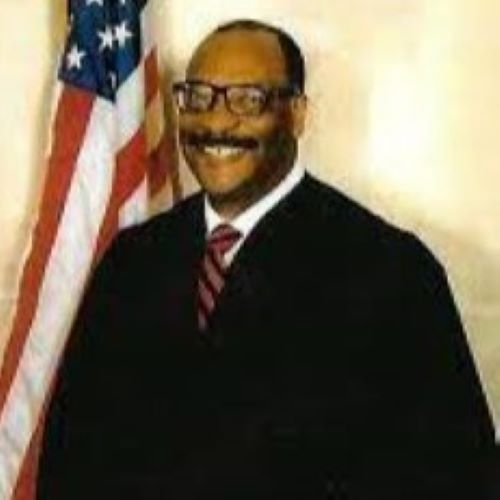
Hon. Maurice E. Muir
is a New York State Supreme Court Justice. He obtained his Bachelor of Arts degree in international relations from Boston University and a Juris Doctor degree from Suffolk University School of Law. Justice Muir is a licensed to practice law before the New York State Bar Association, Massachusetts Bar Association and the United States District Court Bar. Prior to being elected to the bench, he practiced law in both the private and public sectors. In 2017, Justice Muir was elected to the New York City Civil Court, where he presided over numerous cases, which include no-fault litigation, contact disputes and personal injury. Two years later, he was elected to the New York State Supreme Court, where he presides over all state claims, which include, but are not limited to labor law, medical malpractice, personal injury, and foreclosure actions. Moreover, Justice Muir has lectured various areas of the law, including evidence, foreclosure preventions and civil litigation.
Speaker bio
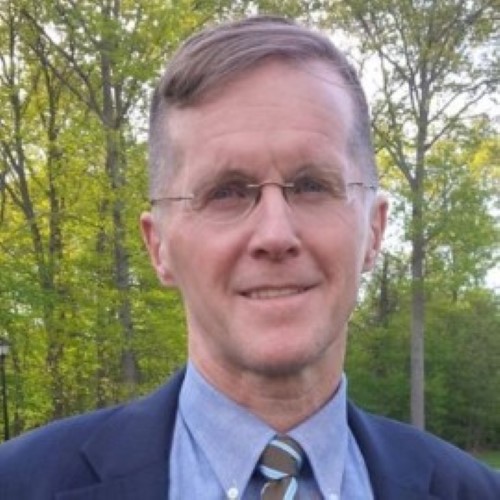
Raymond R. Grasing
is an attorney with The Law Firm of Grasing & Associates. He has more than 25 years of trial experience in New York. Mr. Grasing knows how to try a case in a straight forward convincing manor, and how to pare down the facts and issues to their essential parts to help a jury reach the correct decision. His understanding of the law, gained through his trial experience, provides his clients with a distinct competitive advantage, whether or not their case gets to trial. Mr. Grasing practices in the areas of commercial litigation, personal injury, construction disputes, insurance coverage disputes, insurance coverage, collections, subrogation, arson, and fraud cases. He earned his B.A. degree from the State University of New York at Stonybrook and his J.D. degree from Brooklyn Law School.
Speaker bio
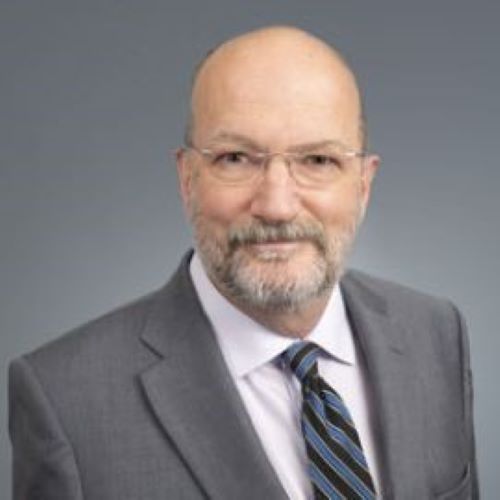
Daniel M. Schiavetta
is of counsel at Russo & Gould LLP, who specializes in nursing home and adult residential facility defense and has wide experience in appellate and insurance coverage litigation. He has prosecuted rescission, declaratory judgment and interpleader actions in state and federal court on behalf of various insurers; and has tried cases involving medical malpractice and premises liability. Mr. Schiavetta gives presentations to nursing homes as to charting and litigation issues and is responsible for two changes in case law. He earned his B.A. degree from State University of New York and his J.D. degree from the University of California, Davis School of Law. Mr. Schiavetta is admitted to New York and New Jersey federal courts, and Second Circuit Court of Appeals and Third Circuit Court of Appeals. He is a member of the Westchester County Bar Association, New Rochelle Bar Association and Defense Research Institute. His recent book, The Supreme Court for Short Attention Spans, is available on Amazon.
TOP FAQs
Have more questions? Please Contact Us