

Buy This Course
OnDemand Video
Course Book Download
Overview
A Real-World Application of Evidence to Courtroom Events
The rules of evidence are constantly evolving in response to court decisions, technological advances in discovery, and changes to various state rules. It can be an onerous task to continuously analyze and apply them to your cases. How confident are you in your skills when it comes to gathering and working with expert witness testimony, email/ESI, and the technicalities of hearsay? Learn from our experienced faculty as they explore key court decisions involving admissibility and practically apply the rules of evidence to common evidentiary challenges you face during litigation. Untangle the intricate web of evidence rules and procedures - register today!
- Gain veteran tips on applying the rules of evidence at each stage of the litigation process, from discovery to trial.
- Learn how to effectively analyze, authenticate, admit, and exclude the most complex types of evidence.
- Find out what red flags to look for when handling email and other ESI.
- Explore hearsay in depth and get a concrete understanding of what constitutes hearsay.
- Clearly link your evidence to your case with proven presentation skills.
- Be prepared to argue relevance and get experts and evidence admitted (or excluded) in court.
Abbreviated Agenda
- The "Big Six" Admissibility Questions
- Understanding Hearsay
- Handling Email, Social Media and Other ESI
- Witness Testimony and Reports
- Keeping Evidence Out (Pre and Post Trial)
- Admission/Exclusion of Unique Evidence
- Communication Best Practices
- Ethical Considerations
Credit Details
Credits Available
| Credit | Status | Total | Until |
|---|---|---|---|
| New Mexico CLE |
|
6 Total | 12-17-2029 |
Credit Details by Jurisdiction
CLE
Credits
New Mexico CLE Approved · 6 Total Credits
- 1 Ethics
Earn Until
OnDemand - New Mexico CLE - 6: This program has been approved by the State Bar of New Mexico/MCLE. This program may qualify for up to 6.0 hour of self-study credit, including 1.0 hours of self-study ethics credit.
Video Download - New Mexico CLE - 6: This program has been approved by the State Bar of New Mexico/MCLE. This program may qualify for up to 6.0 hour of self-study credit, including 1.0 hours of self-study ethics credit.
Select Jurisdiction
CLE
Agenda
-
The "Big Six" Admissibility Questions
- QUESTION #1: Is it Authentic? (If Not, How do I Authenticate/Identify the Evidence?)
- QUESTION #2: Is it Hearsay?
- QUESTION #3: Is There a Proper Foundation?
- QUESTION #4: Is it Relevant?
- QUESTION #5: Should the Evidence be Excluded?
- QUESTION #6: What is the Proper Way to Introduce the Item into Evidence?
-
Understanding Hearsay
- Overview of Critical Rules You Need to Know Regarding Hearsay
- Recent Case Law
- Practical Application of the "Big Six" to Real-World Courtroom Events
- Exceptions
- Hearsay Problems, Such as When Your Client or Opposing Party is Deceased
- Hearsay Within Hearsay
- Attacking/Supporting Declarant's Credibility
-
Handling Email, Social Media and Other ESI
- Collecting ESI
- Recent Case Law
- Practical Application of the "Big Six" to Real-World Courtroom Events
- Email as Evidence
- Electronic Medical Records
- Social Media
- Web Pages
- Video
- Voicemail
- Text Messages
- Citing Online Content Properly
- Preservation of Metadata
-
Witness Testimony and Reports
- Practical Application of the "Big Six" to Real-World Courtroom Events
- Character and Competency
- Opinion Testimony (Lay and Expert Witnesses)
- Admissibility of What You Give Your Expert
- Court-Appointed Expert Witnesses
- Impeachment
- Frye vs. Daubert Challenges
- Expert Reports
- Other Expert Considerations
- Practical Application of the "Big Six" to Real-World Courtroom Events
-
Keeping Evidence Out (Pre and Post Trial)
- Practical Application of the "Big Six" to Real-World Courtroom Events
- Hearsay Objections
- Motion in Limine, Motion to Exclude, and Motion to Strike
- Motions for Sanctions
- Curtailing Speaking Objection
- Use of the Sidebar Conference
- Jury Instructions After the Objection
- Preserving Evidentiary Issues for Appeal
- Timing and Frequency of Objections
- Specificity of Objections
- Motions in Limine
- Offers of Proof
- Practical Application of the "Big Six" to Real-World Courtroom Events
-
Admission/Exclusion of Unique Evidence
- Practical Application of the "Big Six" to Real-World Courtroom Events
- Collecting Evidence Through Discovery: Evidence Considerations
- Character Evidence
- Evidence of a Person's Habit
- Evidence of Subsequent Remedial Measures
- Sexual-Assault, Child Molestation, and Sex-Offense Cases
- Writings, Recordings, and Photographs
- Medical Records, Charts, and X-Rays
- Other Records (Business, Public)
- Other Unique Evidence
- Practical Application of the "Big Six" to Real-World Courtroom Events
-
Communication Best Practices
- With Supervising Attorney(s)
- With Peers and Legal Staff
- With the Court
- With Third Parties
-
Ethical Considerations
- Spoliation, Preservation, and Missing Evidence
- Legal Malpractice
- Lawyers as Witnesses
- Handling Highly Prejudicial Evidence
- Talking to Witnesses Before They Testify
- Facilitating Efficiency, Reliability, and Overall Fairness of the Adversary Process
- Attorney-Client Privilege
Who Should Attend
This basic-to-intermediate level online seminar offers attorneys the fundamental knowledge and practical skills to make the best use of evidence and testimony.
Speakers


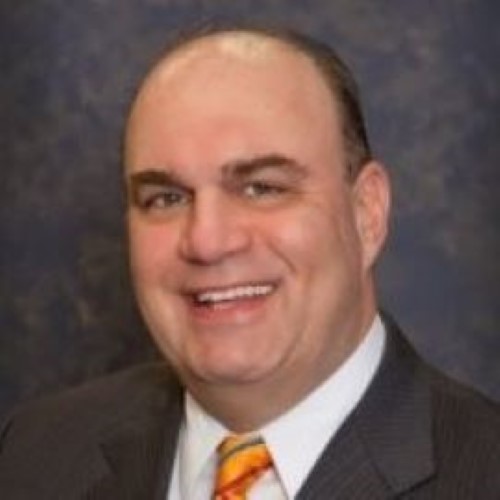
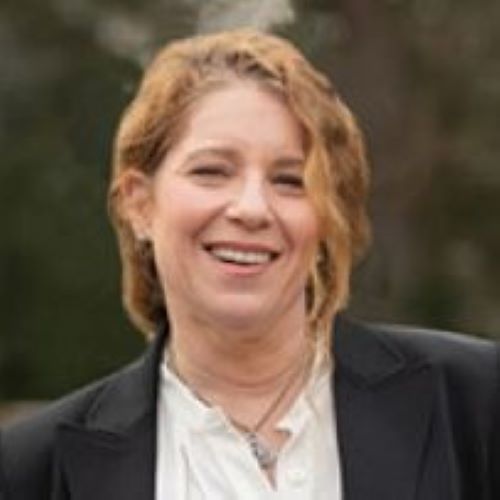
Speaker bio
Meredith M. Baker
is an attorney and counselor at law with Law Office of Meredith Baker, LLC, where she is an experienced trial lawyer, dedicated to serving each client with her extensive experience in business law, family law, domestic violence, and criminal law. Ms. Baker earned her J.D. degree from Brooklyn Law School. She is a member of the National Association of Counsel for Children (NACC), American Bar Association Criminal and Family Law sections, National Association of Criminal Defense Attorneys, and the New Mexico Criminal Defense Lawyers Association. Ms. Baker currently maintains a license to practice law in New York, California and New Mexico.
Speaker bio
Robert E. Valdez
is a trial lawyer, licensed in both Texas and New Mexico, who has a particular expertise in the litigation of catastrophic cases. He is board certified by the Texas Board of Legal Specialization in Personal Injury Trial Law and Insurance Law. He has extensive experience in the trial of personal injury, commercial, and insurance coverage cases that include defending legal and medical malpractice, product liability, premises and construction liability, as well as commercial disputes and insurance coverage litigation. By virtue of his extensive trial experience, Mr. Valdez is often called upon to provide mediation services in catastrophic cases as well as insurance coverage disputes. He has also provided testimony as an expert witness in numerous professional liability and insurance coverage cases. Having over 40 years of experience in the practice of civil trial law, Mr. Valdez has been recognized by his peers, the legal profession, and the insurance industry as an outstanding and distinguished advocate. He has received many recognitions and distinctions, including AV Pre-eminent Lawyer by Martindale Hubbell; Texas Monthly Super Lawyer®; A.M. Best Recommended Insurance Attorney; and New Mexico Ethics Advisory Commission. Mr. Valdez is a frequent lecturer and author for the State Bar of Texas and the State Bar of New Mexico in various legal education programs. His papers and lectures include topics involving legal malpractice and State Bar grievance procedures, professional ethics (defending lawyers and judges in administrative grievances), insurance coverage matters, trucking litigation, premises liability litigation, and product liability.
Speaker bio
J. Beverly
is a shareholder of Ferguson Braswell Fraser Kubasta PC. He is a board-certified civil appellate lawyer who has supported clients with contracts, partnerships, patents, probates and more. Mr. Beverly's extensive trial practice has included commercial disputes, construction and real estate matters, insurance claims and representing defrauded investors. He has represented plaintiffs and defendants in environmental, telecommunications, construction, real estate, deed restriction, whistleblower, partnership dispute and collection case matters. Mr. Beverly's experience includes successfully representing oil and gas producers in complex environmental contamination cases, contractors and owners in construction disputes, homeowners in construction defect cases, and individual investors with investment claims against stockbrokers and brokerage firms. He earned his J.D. degree from University of Texas School of Law and is admitted to practice in Texas and New Mexico.
Speaker bio
Julie D. Globus
is a partner with the law firm of Sabharwal Globus & Lim LLP in West Nyack, New York; where she represents banks and hedge funds in the purchase and sale of debt in distressed companies, international and domestic mergers and acquisitions, leveraged acquisitions, and corporate finance. With data privacy and issues of cybersecurity at the forefront of current legal issues, Ms. Globus also assists her clients with building an architectural framework for compliance with state and federal securities, finance, data privacy laws, and with establishing strong internal controls. She also engages in the area of education law, helping students and parents obtain a fair and appropriate public education for their children, as well as resolving education related disciplinary matters. Ms. Globus is an associate member of the Association of Certified Fraud Examiners and is corporate counsel for an international cryptocurrency related company, giving her the opportunity to consult with legal teams in both the U.S. and abroad, each with varying expertise and each trying to wade through the confusion related to cryptocurrency. She earned her B.A. degree from Skidmore College, her M.A. degree from the Hebrew University of Jerusalem on Mt. Scopus and her J.D. degree from Rutgers State University of New Jersey, Newark Campus. Ms. Globus's passion is endurance cycling, and she is an avid middle-distance triathlete.
TOP FAQs
Have more questions? Please Contact Us