

Buy This Course
OnDemand Video
Course Book Download
Overview
Creditor Claims, Distributions, Tax Issues, and More!
Working through issues that arise through probate and trust administration can be daunting. Are you well-equipped with the tools you need to succeed? This insightful course will take you through steps in probate administration, including information on creditor and debt issues, tax and more. You will also get valuable insight on trust administration, including the handling of accounting, distributions and taxes. Don't miss this opportunity to hone your probate and trust administration skills - register today!
- Take a closer look at the initial steps for filing the estate.
- Discuss what needs to be done to handle creditor claims and debts.
- Make sure everything is in order for the final distribution of the estate.
- Review what issues need to be addressed concerning taxes in probate administration.
- Get the latest information on taxation concerns associated with trusts.
- Explore the different types of trusts and how they are used.
- Learn ways to manage, sell and distribute property and assets in trust administration.
- Gain a better understanding of the distinctions between trust fiduciary accounting and income tax accounting.
Abbreviated Agenda
- Probate Process and Overview
- Assets, Creditor Claims and Debt Considerations
- Distributions, Final Accounting and Closing the Estate
- Tax Issues in Probate Administration
- Trust Taxation Issues
- What You Need to Know About Trusts
- Accounting/Distributions in Trust Administration
- Ethics and Estate Administration
Credit Details
Credits Available
| Credit | Status | Total | Until |
|---|---|---|---|
| Nevada CLE |
|
6.5 Total | 03-27-2028 |
Credit Details by Jurisdiction
CLE
Credits
Nevada CLE Approved · 6.5 Total Credits
- 1 Ethical Considerations
Earn Until
OnDemand - Nevada CLE - 6.5: This course has been approved by the Nevada Board of Continuing Legal Education. This program may qualify for up to 6.50 hours of alternative format CLE credits by the Nevada Board of Continuing Legal Education, which includes 1.0 hour of alternative format ethical considerations.
Video Download - Nevada CLE - 6.5: This course has been approved by the Nevada Board of Continuing Legal Education. This program may qualify for up to 6.50 hours of alternative format CLE credits by the Nevada Board of Continuing Legal Education, which includes 1.0 hour of alternative format ethical considerations.
Select Jurisdiction
CLE
Agenda
-
Probate Process and Overview
- Review of the Probate Timeline
- Forms of Administration
- Deadlines to be Aware of
- Documents Used in the Probate Process
- Information Gathering
- Laws of Intestacy
- Initial Petition and Notices
- Sample Forms, Letters and Documents
-
Assets, Creditor Claims and Debt Considerations
- Marshalling Probate and Non-Probate Assets: Key Procedures
- Properly Ensure ALL Debt is Located and Handled
- Required Public Notices to Creditors
- Priority and Payment Determinations for Claims
- Contested Claims and Prescribed Claims
- Appropriately Dealing with Creditors
- Insolvent Estates
- Sale of Assets to Satisfy Creditors
-
Distributions, Final Accounting and Closing the Estate
- Documents Needed to Close the Estate
- Proper Transfer and Timing of Distributions - Probate and Non-Probate Assets
- Distributions in Kind
- Distribution to Minors, Surviving Spouse and Trusts
- Disposition of Unclaimed Assets
- Fees for Personal Representatives and Attorneys
- Annual Accounting Requirements and Format
- Final Accounting Checklist
- Estate Closing Procedures
-
Tax Issues in Probate Administration
- State and Federal Tax Considerations
- Tax Deadlines and Extensions
- Essential Tax Forms and Returns
- Deductions and Exemptions
- Income Tax and Basis Adjustment for Decedent's Assets
- Real Property Tax Considerations
-
Trust Taxation Issues
- Tax Returns: Annual and Final
- Tax Consequences of Trustee's Actions
- Real Property Taxes
- Income Taxation
- Estate and Generation-Skipping Transfer Taxes
- Tax Consequences of Paying Retirement Benefits to Trusts
- Tax Basis in the Assets
-
What You Need to Know About Trusts
- Types of Trusts and Their Purpose
- Jurisdiction
- Duties and Powers of the Trustee
- Valuation of Assets
- Funding a Trust
- Communication with Beneficiaries
- Amending and Modifying the Trust
- Trust Administration Checklist
- Sample Forms and Documents
-
Accounting/Distributions in Trust Administration
- Notices of Proposed Actions
- Uniform Principal and Income Act
- Trust Provisions Concerning Distributions
- Managing, Selling and Distributing Property and Assets
- Investing Assets
- Distinctions Between Trust Fiduciary Accounting and Income Tax Accounting
- Determining Trustee Fees
- Communication with Creditors
- Distribution to Beneficiaries
- Trust Termination
-
Ethics and Estate Administration
- Breach of Fiduciary Responsibility
- Avoiding Conflicts of Interest
- Confidentiality
- Fee Agreements
Who Should Attend
This intermediate level online seminar is designed for professionals who want to be more effective in the probate and trust administration process, such as:
- Attorneys
- CPAs and Accountants
- Tax Professionals
- Financial Planners and Wealth Managers
- Trust Officers
- Paralegals
Speakers

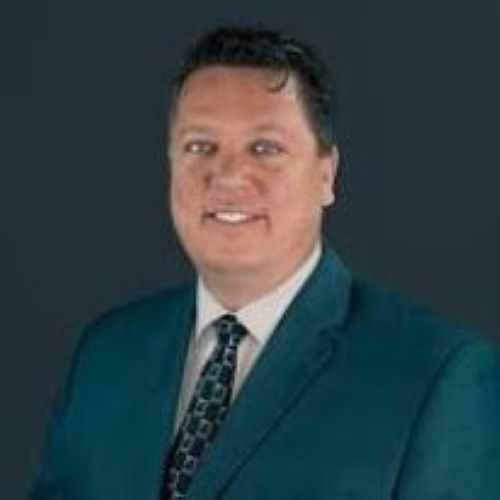


Speaker bio
Elyse M. Tyrell
is the founding member of Tyrell Law, PLLC, where her practice is devoted to elder law, estate planning, tax law, probate and guardianship law. She is a member of the Clark County Bar Association, Elder Law Section of the State Bar of Nevada and National Academy of Elder Law Attorneys. Ms. Tyrell is a certified elder law attorney by the National Elder Law Foundation. She is a frequent speaker for National Business Institute and has lectured on estate planning and elder law for the Housing Authority of the City of Las Vegas, the Community College of Southern Nevada and various seminar groups. Ms. Tyrell earned her B.A. degree from the University of Nevada at Reno, her J.D. degree from Gonzaga University School of Law and her LL.M. degree from the University of San Diego School of Law.
Speaker bio
Anthony L. Barney
is the president and sole shareholder of Anthony L. Barney, Ltd., where he practices in the areas of estate planning and business planning and litigation, including the preparation of wills, revocable living trusts, irrevocable trusts and domestic asset protection trusts; as well as business formation, organization and trust administration. He is licensed to practice law in the Nevada and Idaho state and federal courts. Mr. Barney and his associates have drafted bill legislation for representatives in the Nevada state senate, and has participated as a member of the State Bar of Nevada and Idaho State Bar. Mr. Barney worked with the trust and probate section of the Nevada bar to revise the Eighth Judicial District Court local rules for probate proceedings. He earned his B.S. degree from Brigham Young University; his M.S. degree from the University of Nevada, Las Vegas; and his J.D. and L.L.M. (taxation) degrees from the University of Missouri, Kansas City.
Speaker bio
Kevin M. Ross
is an associate attorney with Anthony L. Barney, Ltd., where he practices in the areas of estate and trust litigation, and estate, trust, and business planning. He has the legal experience to address the needs of his clients in the preparation of wills, revocable living trusts, revocable trusts, irrevocable trusts, domestic asset protection trusts, and the formation, organization, and administration of trusts and businesses. Mr. Ross is also proficient in intellectual property law. He earned his B.S. degree from Brigham Young University and his J.D. degree from the University of Tennessee College of Law. At the University of Tennessee, Mr. Ross served as president of the Latino Law Student Association, a founding member of the Knoxville Latino Bar Association, and an executive editor on the Transactions: Tennessee Journal of Business Law. He is licensed to practice law in the Nevada state and federal courts.
Speaker bio
Pamela Jones
from the law offices of Pamela Jones PLLC has been providing quality estate planning since 2013. Ms. Jones practices in the areas of estate planning, probate and trust administration. She is a member of the State Bar of Nevada and State Bar of California. Ms. Jones received her B.A. degree from the California State University in Chico, her M.B.A. degree from the California State University in Sacramento and her J.D. degree from McGeorge School of Law, University of the Pacific in Sacramento.
TOP FAQs
Have more questions? Please Contact Us