

The Alaska Evidence Playbook
Credits Available
| Credit | Status | Total | Until |
|---|---|---|---|
| Alaska CLE |
|
6 Total | 12-10-2027 |
| Connecticut CLE |
|
6 Total | 12-10-2027 |
| Oregon CLE |
|
6 Total | 12-10-2029 |
Buy This Course
OnDemand Video
Course Book Download
Overview
Make Your Case More Than Just a Story
A case without sufficient evidence is nothing more than an interesting story. You need to know the intricacies of Alaska rules, customs and local court procedures if you want to keep opposing counsel from reducing your carefully crafted exhibits to rubble. This in-depth evidentiary playbook will equip you with the tools you need to build stronger cases with digital evidence, demonstratives, expert witnesses and more. Register today!
- Gain a better understanding of Alaska Rules of evidence and their practical application.
- Properly prepare social media, emails, and other digital evidence for maximum impact.
- Get effective presentation tips for using demonstrative and documentary evidence.
- Ensure you are utilizing essential criteria when you select experts to support your case.
- Anticipate evidentiary objections so you can put them to rest when opposing counsel makes them.
Abbreviated Agenda
- The Introduction and Exclusion of Evidence: Rules and Practical Applications
- Digital Evidence in Alaska: How to Prepare and Introduce
- Building Stronger Cases With Demonstrative and Documentary Evidence
- Utilizing Expert Witnesses in Alaska
- Objections: When to Make Them and How to Respond
- The Legal Ethics of Objections In Alaska
Credit Details
Credits Available
| Credit | Status | Total | Until |
|---|---|---|---|
| Alaska CLE |
|
6 Total | 12-10-2027 |
| Connecticut CLE |
|
6 Total | 12-10-2027 |
| Oregon CLE |
|
6 Total | 12-10-2029 |
Select Jurisdiction
CLE
Agenda
-
The Introduction and Exclusion of Evidence: Rules and Practical Applications
- Alaska Rules of Evidence: The High Points
- Alaska Rules of Civil Procedure: The Essentials
- Alaska Rules of Criminal Procedure: Key Takeaways
- Judicial Discretion
- Appeals and Review
-
Digital Evidence in Alaska: How to Prepare and Introduce
- Applying Rules of Evidence to Digital Media.
- Social Media Posts: Case Precedents
- Text Messages and Emails: Hearsay and Relevance
- Cloud-Based Data and Digital Documents
- Videos, Audio Recordings, and Photographs
- Overcoming Common Digital Evidence Objections
-
Building Stronger Cases With Demonstrative and Documentary Evidence
- Strategies for Introducing Evidence in Alaska Courts
- Leveraging Documentary Evidence
- Utilizing Demonstrative Evidence
- Effective Evidence Presentation Tips
-
Utilizing Expert Witnesses in Alaska
- Selecting Effective Experts: Criteria and Strategies
- Preparation: Strengthening Expert Witness Impacts
- Proven Direct Examination Techniques
- Using Demonstratives to Reinforce Expert Testimony
- Handing Cross Examinations and Objections
-
Objections: When to Make Them and How to Respond
- Alaska Rules and Court Preferences
- Relevance and Materiality: When and How to Object
- Making Effective Hearsay Objections
- Anticipating Objections and Preemptively Addressing Them
- Objection Do's and Don'ts in Alaska Courts
-
The Legal Ethics of Objections In Alaska
- Ethics of ESI
- Handling Prejudicial Evidence
- Candor With the Court
- Coaching Witnesses
Who Should Attend
This basic level online seminar is for attorneys. Paralegals may also benefit.
Speakers
Speaker bio
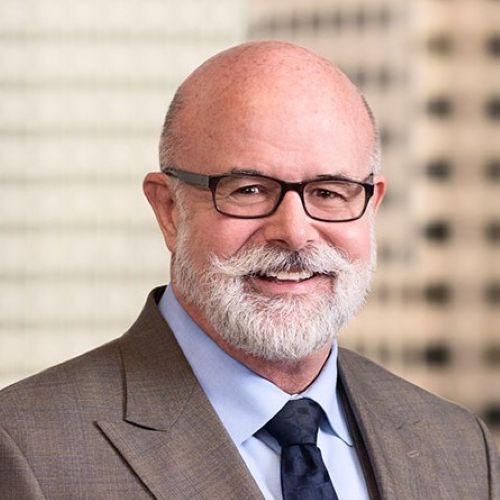
B. Otis Felder
is a partner with Wilson Elser and a highly respected trial attorney and legal strategist with more than 30 years of experience in maritime law, insurance coverage, and general liability. He has successfully litigated complex cases in state and federal courts across the West Coast, Hawaii, and beyond. Certified as an admiralty and maritime law specialist by the State Bar of California, Mr. Felder is a trusted advocate for vessel owners, marine insurers, ports, and terminal operators. His background includes serving as corporate counsel for Princess Cruises and Cunard Line, as well as general counsel for specialty cruise ventures, where he managed litigation, regulatory compliance, and risk mitigation. Mr. Felder is also a seasoned trial lawyer and member of Wilson Elser's National Trial Team, with extensive first-chair trial and appellate experience in maritime liability and insurance law. He is admitted to practice in California, Hawaii, District of Columbia, Alaska, Washington, and Oregon, as well as multiple federal district and appellate courts, including the Supreme Court of the United States. Mr. Felder earned his J.D. degree from the University of San Francisco School of Law, where he served as editor in chief of the Maritime Law Journal; his M.A. degree in psychology from Harvard University; his M.A. degree in international relations from the University of San Diego; and his A.B. degree in political science and international studies from the University of Michigan.
Speaker bio
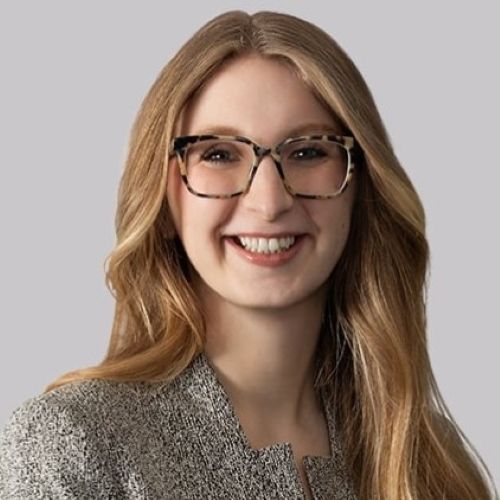
Zoe A. Eisberg
is an associate with Ballard Spahr, where she focuses her practice on complex litigation, including real estate, natural resources, construction, commercial, and election disputes, as well as appellate work. She has successfully tried multiple civil jury trials, participated in complex arbitral proceedings, and has represented clients in all Alaska judicial districts. Prior to joining Ballard Spahr, Ms. Eisberg practiced at a well-known Alaska law firm, where she gained significant experience guiding clients through long-term strategic solutions to complex matters. She is admitted to practice in Alaska, U.S. District Court for the District of Alaska, U.S. Bankruptcy Court for the District of Alaska, U.S. Court of Appeals for the Ninth Circuit, and U.S. Court of Federal Claims. Ms. Eisberg earned her J.D. degree from the University of California, Irvine School of Law and her B.A. degree from Columbia University.
Speaker bio
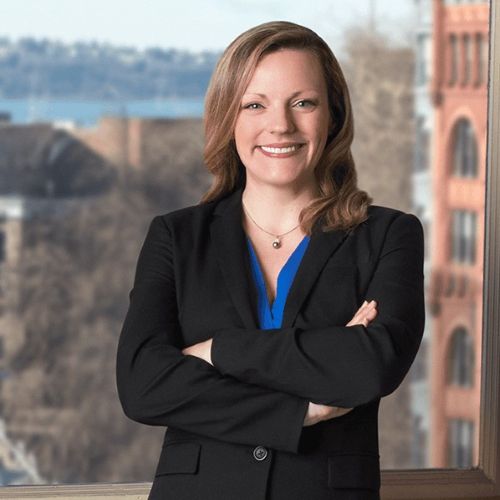
Patricia A. Laughman
is an attorney with Cairncross & Hempelmann, where she is a member of the Litigation Practice Group. Her practice focuses on complex commercial disputes, construction litigation, and employment law, as well as transactional work involving design and construction contracts. Ms. Laughman represents companies of all sizes, including design firms, architects and engineers, contractors, owners, and consultants. She manages all aspects of complex litigation, from discovery and depositions through hearings, trial, and appeal, and provides clients with practical counsel on risk management and dispute resolution. Ms. Laughman is admitted to practice in Washington, Alaska, Oregon, New York, Massachusetts, U.S. District Courts for the Western and Eastern Washington, and U.S. District Court for the District of Massachusetts. She earned her B.A. degree in economics and environmental studies, and her M.A. degree in political science and environmental studies from Western Washington University; and her J.D. degree, magna cum laude, from Vermont Law School, where she served as head notes editor and staff editor of the Vermont Law Review.
Speaker bio
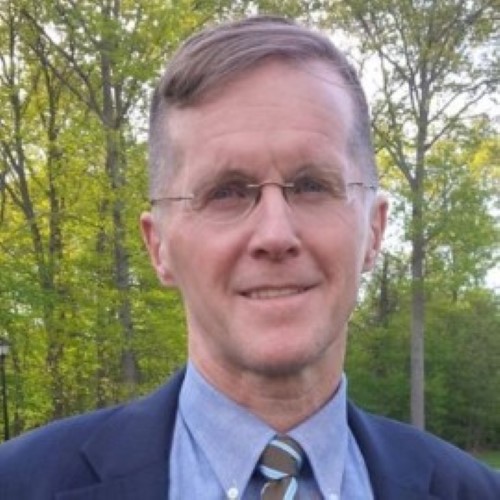
Raymond R. Grasing
is an attorney with The Law Firm of Grasing & Associates. He has more than 25 years of trial experience in New York. Mr. Grasing knows how to try a case in a straight forward convincing manner, and how to pare down the facts and issues to their essential parts to help a jury reach the correct decision. His understanding of the law, gained through his trial experience, provides his clients with a distinct competitive advantage, whether or not their case gets to trial. Mr. Grasing practices in the areas of commercial litigation, personal injury, construction disputes, insurance coverage disputes, insurance coverage, collections, subrogation, arson, and fraud cases. He earned his B.A. degree from the State University of New York at Stony Brook and his J.D. degree from Brooklyn Law School.
TOP FAQs
Have more questions? Please Contact Us