

Estate Planning Tools and New Laws: What Still Works and What Must Change
Credits Available
| Credit | Status | Total | Until |
|---|---|---|---|
| Alaska CLE |
|
6 Total | 01-30-2028 |
| Alabama CLE |
|
6 Total | 12-31-2026 |
| Arkansas CLE |
|
6 Total | 06-30-2027 |
| Arizona CLE |
|
6 Total | 01-30-2028 |
| California CLE |
|
6 Total | 01-30-2028 |
| Colorado CLE |
|
7 Total | 12-31-2028 |
| Connecticut CLE |
|
6 Total | 01-30-2028 |
| Delaware CLE |
|
6 Total | 01-30-2028 |
| Florida CLE |
|
7 Total | 07-31-2027 |
| Georgia CLE |
|
6 Total | 12-31-2027 |
| Hawaii CLE |
|
6 Total | 01-30-2028 |
| Iowa CLE |
|
6 Total | 01-30-2027 |
| Illinois CLE |
|
6 Total | 01-29-2028 |
| Indiana CLE |
|
6 Total | 01-30-2027 |
| Kansas CLE |
|
7 Total | 01-29-2027 |
| Maine CLE |
|
6 Total | 01-29-2028 |
| Minnesota CLE |
|
6 Total | 01-30-2028 |
| Missouri CLE |
|
6 Total | 01-30-2028 |
| Northern Mariana Islands CLE |
|
6 Total | 01-30-2028 |
| Mississippi CLE |
|
6 Total | 07-31-2027 |
| Montana CLE |
|
6 Total | 01-30-2029 |
| North Carolina CLE |
|
6 Total | 02-28-2027 |
| North Dakota CLE |
|
6 Total | 01-30-2029 |
| Nebraska CLE |
|
6 Total | 01-30-2028 |
| New Hampshire CLE |
|
6 Total | 01-30-2029 |
| New Mexico CLE |
|
6 Total | 01-30-2028 |
| Nevada CLE |
|
6 Total | 01-30-2029 |
| New York CLE |
|
7 Total | 01-30-2029 |
| Ohio CLE |
|
6 Total | 12-31-2026 |
| Oklahoma CLE |
|
7 Total | 01-30-2028 |
| Oregon CLE |
|
6 Total | 01-30-2029 |
| Pennsylvania CLE |
|
6 Total | 01-30-2028 |
| South Carolina CLE |
|
6 Total | 12-31-2026 |
| Tennessee CLE |
|
6 Total | 01-29-2028 |
| Texas CLE |
|
6 Total | 12-31-2026 |
| Utah CLE |
|
6 Total | 12-31-2026 |
| Virginia CLE |
|
6 Total | 10-31-2026 |
| Vermont CLE |
|
6 Total | 01-30-2028 |
| Washington CLE |
|
6 Total | 01-29-2031 |
| Wisconsin CLE |
|
7 Total | 12-31-2027 |
| West Virginia CLE |
|
7.2 Total | 01-30-2028 |



Buy This Course
OnDemand Video
Course Book Download
Overview
Keep Your Planning Methods Up to Date
Trusts and estates practice has undergone significant changes in recent years. Major planning priorities and the tools used to accomplish them have now been replaced with new challenges, requiring a new set of skills and planning instruments. This legal course offers you a practical overview of what still works and how to fix or replace that which doesn't. Update your estate planning tools: register today!
- Get a current tax rates update and a follow-up analysis of the OBBBA and the SECURE Acts.
- Adopt useful new approaches for small- to mid-sized estates.
- Learn what adjustments need to be made for high-net-worth clients and their estates.
- Get the tools to address the new Medicaid planning imperative.
- Weigh all your options when modifying existing trusts and plans, and plan for future flexibility.
Abbreviated Agenda
- Federal Tax Update 2026: The One Big Beautiful Bill Tax Act (OBBBA), IRS Enforcement Trends, etc.
- The Effects of Current Market Conditions on Clients' Estate Plans
- Post-SECURE Acts IRAs Planning
- The Growing Importance of Long-Term Care and Medicaid Planning
- Large Estate Techniques That No Longer Work, and What to Use Instead
- Reviewing Estate Planning Documents and Fixing Old Trusts
- Digital Assets and Cryptocurrency in Estate Plans
- Changing Estate Planning Tools for Family-Owned Businesses and Entrepreneurs
- Old Small to Medium-Sized Estate Tools and How to Update Them
- Legal Ethics in Estate Planning
Credit Details
Credits Available
| Credit | Status | Total | Until |
|---|---|---|---|
| Alaska CLE |
|
6 Total | 01-30-2028 |
| Alabama CLE |
|
6 Total | 12-31-2026 |
| Arkansas CLE |
|
6 Total | 06-30-2027 |
| Arizona CLE |
|
6 Total | 01-30-2028 |
| California CLE |
|
6 Total | 01-30-2028 |
| Colorado CLE |
|
7 Total | 12-31-2028 |
| Connecticut CLE |
|
6 Total | 01-30-2028 |
| Delaware CLE |
|
6 Total | 01-30-2028 |
| Florida CLE |
|
7 Total | 07-31-2027 |
| Georgia CLE |
|
6 Total | 12-31-2027 |
| Hawaii CLE |
|
6 Total | 01-30-2028 |
| Iowa CLE |
|
6 Total | 01-30-2027 |
| Illinois CLE |
|
6 Total | 01-29-2028 |
| Indiana CLE |
|
6 Total | 01-30-2027 |
| Kansas CLE |
|
7 Total | 01-29-2027 |
| Maine CLE |
|
6 Total | 01-29-2028 |
| Minnesota CLE |
|
6 Total | 01-30-2028 |
| Missouri CLE |
|
6 Total | 01-30-2028 |
| Northern Mariana Islands CLE |
|
6 Total | 01-30-2028 |
| Mississippi CLE |
|
6 Total | 07-31-2027 |
| Montana CLE |
|
6 Total | 01-30-2029 |
| North Carolina CLE |
|
6 Total | 02-28-2027 |
| North Dakota CLE |
|
6 Total | 01-30-2029 |
| Nebraska CLE |
|
6 Total | 01-30-2028 |
| New Hampshire CLE |
|
6 Total | 01-30-2029 |
| New Mexico CLE |
|
6 Total | 01-30-2028 |
| Nevada CLE |
|
6 Total | 01-30-2029 |
| New York CLE |
|
7 Total | 01-30-2029 |
| Ohio CLE |
|
6 Total | 12-31-2026 |
| Oklahoma CLE |
|
7 Total | 01-30-2028 |
| Oregon CLE |
|
6 Total | 01-30-2029 |
| Pennsylvania CLE |
|
6 Total | 01-30-2028 |
| South Carolina CLE |
|
6 Total | 12-31-2026 |
| Tennessee CLE |
|
6 Total | 01-29-2028 |
| Texas CLE |
|
6 Total | 12-31-2026 |
| Utah CLE |
|
6 Total | 12-31-2026 |
| Virginia CLE |
|
6 Total | 10-31-2026 |
| Vermont CLE |
|
6 Total | 01-30-2028 |
| Washington CLE |
|
6 Total | 01-29-2031 |
| Wisconsin CLE |
|
7 Total | 12-31-2027 |
| West Virginia CLE |
|
7.2 Total | 01-30-2028 |
Credit Details by Jurisdiction
OnDemand Video
CLE
Credits
Alaska CLE Reciprocity · 6 Total Credits
- 1 MECLE Ethics
Earn Until
OnDemand - Alaska CLE - 6: Alaska Bar members may claim credit for attending CLE programs that have been accredited by other mandatory CLE jurisdictions. This program qualifies for 6.0 hours of credit, which includes 5.0 hours of MCLE credit and 1.0 hour of MECLE credit.
Video Download - Alaska CLE - 6: Alaska Bar members may claim credit for attending CLE programs that have been accredited by other mandatory CLE jurisdictions. This program qualifies for 6.0 hours of credit, which includes 5.0 hours of MCLE credit and 1.0 hour of MECLE credit.
Alabama CLE Approved · 6 Total Credits
- 1 Ethics/Professionalism
Earn Until
OnDemand - Alabama CLE - 6: This course or a portion thereof has been approved by the Alabama State Bar Mandatory Continuing Legal Education Commission for a maximum of 6.0 on-demand credit hours, including 1.0 ethics/professionalism credit.
Arkansas CLE Approved · 6 Total Credits
- 1 Ethics
Earn Until
OnDemand - Arkansas CLE - 6: NBI, Inc. is an accredited sponsor in the state of Arkansas. This program qualifies for 6.0 hours of on demand continuing legal education credit, including 1.0 hour of ethics, consistent with the rules and regulations of the Arkansas Supreme Court of Professional Programs.
Video Download - Arkansas CLE - 6: NBI, Inc. is an accredited sponsor in the state of Arkansas. This program qualifies for 6.0 hours of on demand continuing legal education credit, including 1.0 hour of ethics, consistent with the rules and regulations of the Arkansas Supreme Court of Professional Programs.
Arizona CLE Approved · 6 Total Credits
- 1 Professional Responsibility
Earn Until
OnDemand - Arizona CLE - 6: The State Bar of Arizona does not approve or accredit CLE activities for the Mandatory Continuing Legal Education requirement. This activity qualifies for 6.0 hours toward your annual CLE requirement for the State of Arizona, including 1.0 hour of professional responsibility.
Video Download - Arizona CLE - 6: The State Bar of Arizona does not approve or accredit CLE activities for the Mandatory Continuing Legal Education requirement. This activity qualifies for 6.0 hours toward your annual CLE requirement for the State of Arizona, including 1.0 hour of professional responsibility.
California CLE Approved · 6 Total Credits
- 5 Estate Planning, Trust and Probate Law
- 1 Legal Ethics
Earn Until
OnDemand - California CLE - 6: This activity has been approved for Minimum Continuing Legal Education credit by the State Bar of California and qualifies for 6.0 hours of participatory credit, of which 1.0 hour will apply to legal ethics credit. NBI, Inc. certifies this activity conforms to the standards for approved education activities prescribed by the rules and regulations of the State Bar of California governing minimum continuing legal education. NBI, Inc. is a State Bar of California approved MCLE provider - #53. This course has been approved for 5.0 units in the area of Estate Planning, Trust and Probate Law by the California Board of Legal Specialization.
Video Download - California CLE - 6: This activity has been approved for Minimum Continuing Legal Education credit by the State Bar of California and qualifies for 6.0 hours of self-study credit, of which 1.0 hour will apply to legal ethics credit. NBI, Inc. certifies this activity conforms to the standards for approved education activities prescribed by the rules and regulations of the State Bar of California governing minimum continuing legal education. NBI, Inc. is a State Bar of California approved MCLE provider - #53. This course has been approved for 5.0 units in the area of Estate Planning, Trust and Probate Law by the California Board of Legal Specialization.
Colorado CLE Approved · 7 Total Credits
- 1.2 Professional Responsibility
Earn Until
OnDemand - Colorado CLE - 7: NBI, Inc. is a Certified Provider, as recognized by the Colorado Supreme Court Continuing Legal and Judicial Education Committee. This program qualifies for 7.0 hours of home study general Colorado Continuing Legal Education Credit, including 1.20 professional responsibility credit.
Video Download - Colorado CLE - 7: NBI, Inc. is a Certified Provider, as recognized by the Colorado Supreme Court Continuing Legal and Judicial Education Committee. This program qualifies for 7.0 hours of home study general Colorado Continuing Legal Education Credit, including 1.20 professional responsibility credit.
Connecticut CLE Approved · 6 Total Credits
- 1 Ethics/Professionalism
Earn Until
OnDemand - Connecticut CLE - 6: Neither the Connecticut Judicial Branch nor the Commission on Minimum Continuing Legal Education approve or accredit CLE providers or activities. It is the opinion of NBI, Inc. that this activity qualifies for 6.0 self-study hours toward your annual CLE requirement in Connecticut, including 1.0 self-study hour(s) of ethics/professionalism.
Video Download - Connecticut CLE - 6: Neither the Connecticut Judicial Branch nor the Commission on Minimum Continuing Legal Education approve or accredit CLE providers or activities. It is the opinion of NBI, Inc. that this activity qualifies for 6.0 self-study hours toward your annual CLE requirement in Connecticut, including 1.0 self-study hour(s) of ethics/professionalism.
Delaware CLE Approved · 6 Total Credits
- 1 Ethics
Earn Until
OnDemand - Delaware CLE - 6: NBI, Inc. is an accredited sponsor of the Delaware Commission on Continuing Legal Education and recommends this program for 6.0 hours of eCLE credit, including 1.0 hour of ethics.
Florida CLE Approved · 7 Total Credits
- 7 Wills, Trusts and Estates
- 1 Professional Responsibility
Earn Until
OnDemand - Florida CLE - 7: Approved by The Florida Bar, this program qualifies for 7.0 general hours of CLER self-study credit including 1.0 hour of self-study professional responsibility (may include legal ethics, professionalism, substance abuse or mental illness and wellness programs). Certification: 7.0 - Wills, Trusts and Estates
Video Download - Florida CLE - 7: Approved by The Florida Bar, this program qualifies for 7.0 general hours of CLER self-study credit including 1.0 hour of self-study professional responsibility (may include legal ethics, professionalism, substance abuse or mental illness and wellness programs). Certification: 7.0 - Wills, Trusts and Estates
Georgia CLE Approved · 6 Total Credits
- 1 Ethics
Earn Until
OnDemand - Georgia CLE - 6: This program is approved by the Commission on Continuing Lawyer Competency of the State Bar of Georgia. This program qualifies for 6.0 hours of distance learning continuing legal education credit with the Georgia Commission on Continuing Lawyer Competency, which includes 1.0 hour of distance learning ethics.
Video Download - Georgia CLE - 6: This program is approved by the Commission on Continuing Lawyer Competency of the State Bar of Georgia. This program qualifies for 6.0 hours of distance learning continuing legal education credit with the Georgia Commission on Continuing Lawyer Competency, which includes 1.0 hour of distance learning ethics.
Hawaii CLE Approved · 6 Total Credits
- 1 Ethics/Professional Responsibility
Earn Until
OnDemand - Hawaii CLE - 6: NBI, Inc. is an Accredited Provider with the Hawaii State Board of Continuing Legal Education. This alternative format activity has been approved for 6.0 hours of credit for the state of Hawaii, which includes 1.0 hour of ethics or professional responsibility education.
Video Download - Hawaii CLE - 6: NBI, Inc. is an Accredited Provider with the Hawaii State Board of Continuing Legal Education. This alternative format activity has been approved for 6.0 hours of credit for the state of Hawaii, which includes 1.0 hour of ethics or professional responsibility education.
Iowa CLE Approved · 6 Total Credits
- 1 Legal Ethics
Earn Until
OnDemand - Iowa CLE - 6: "Estate Planning Tools and New Laws: What Still Works and What Must Change" is an accredited program under the regulations of the Iowa Supreme Court Commission on Continuing Legal Education. It is planned that this program will provide a maximum of 6.0 hours of unmoderated activity credit toward the mandatory continuing legal education requirements under the Iowa rule, including 1.0 hour of legal ethics unmoderated activity credit.
Illinois CLE Approved · 6 Total Credits
- 1 Professional Responsibility
Earn Until
OnDemand - Illinois CLE - 6: This program has been approved by the Illinois MCLE Board for 6.0 hours of recorded technology CLE credit, which includes approval for 1.0 hour of legal ethics, civility, professionalism or sexual harassment prevention training CLE credit by the Illinois Supreme Court Commission on Professionalism.
Video Download - Illinois CLE - 6: This program has been approved by the Illinois MCLE Board for 6.0 hours of recorded technology CLE credit, which includes approval for 1.0 hour of legal ethics, civility, professionalism or sexual harassment prevention training CLE credit by the Illinois Supreme Court Commission on Professionalism.
Indiana CLE Approved · 6 Total Credits
- 1 Ethics
Earn Until
OnDemand - Indiana CLE - 6: This course has been approved by the Indiana Supreme Court Office of Admissions & Continuing Education. Participating attorneys are eligible to receive 6.0 hours of distance education, which includes 1.0 hour of ethics.
Kansas CLE Approved · 7 Total Credits
- 1 Ethics/Professionalism
Earn Until
OnDemand - Kansas CLE - 7: Approved by Kansas CLE for 7.0 hours of prerecorded format continuing legal education credit, which includes 1.0 hour of ethics and professionalism credit.
Video Download - Kansas CLE - 7: Approved by Kansas CLE for 7.0 hours of prerecorded format continuing legal education credit, which includes 1.0 hour of ethics and professionalism credit.
Maine CLE Approved · 6 Total Credits
Earn Until
OnDemand - Maine CLE - 6: This course has been approved by the State of Maine Board of Overseers of the Bar. Lawyers who complete this course will receive 6.0 hours of self-study CLE credit
Video Download - Maine CLE - 6: This course has been approved by the State of Maine Board of Overseers of the Bar. Lawyers who complete this course will receive 6.0 hours of self-study CLE credit
Course Book - Maine CLE - 6: This course has been approved by the State of Maine Board of Overseers of the Bar. Lawyers who complete this course will receive 6.0 hours of self-study CLE credit
Minnesota CLE Approved · 6 Total Credits
- 1 Ethics
Earn Until
OnDemand - Minnesota CLE - 6: Approved for 6.0 hours of standard on-demand CLE credit, including 1.0 hour of ethics credit by the Minnesota Board of Continuing Legal Education.
Video Download - Minnesota CLE - 6: Approved for 6.0 hours of standard on-demand CLE credit, including 1.0 hour of ethics credit by the Minnesota Board of Continuing Legal Education.
Missouri CLE Approved · 6 Total Credits
Earn Until
OnDemand - Missouri CLE - 6: NBI, Inc. is an accredited sponsor with Missouri Minimum Continuing Legal Education. This program qualifies for 6.0 self-study CLE credit hours.
Video Download - Missouri CLE - 6: NBI, Inc. is an accredited sponsor with Missouri Minimum Continuing Legal Education. This program qualifies for 6.0 self-study CLE credit hours.
Course Book - Missouri CLE - 6: NBI, Inc. is an accredited sponsor with Missouri Minimum Continuing Legal Education. This program qualifies for 6.0 self-study CLE credit hours.
Northern Mariana Islands CLE Approved · 6 Total Credits
Earn Until
OnDemand - Northern Mariana Islands CLE - 6: This course has been approved by the Commonwealth of the Northern Mariana Islands. Lawyers who complete this course shall receive 6.0 hours of self-study CLE credit.
Video Download - Northern Mariana Islands CLE - 6: This course has been approved by the Commonwealth of the Northern Mariana Islands. Lawyers who complete this course shall receive 6.0 hours of self-study CLE credit.
Course Book - Northern Mariana Islands CLE - 6: This course has been approved by the Commonwealth of the Northern Mariana Islands. Lawyers who complete this course shall receive 6.0 hours of self-study CLE credit.
Mississippi CLE Approved · 6 Total Credits
- 1 Ethics/Professionalism
Earn Until
OnDemand - Mississippi CLE - 6: This course has been approved by the Mississippi Commission on Continuing Legal Education for a maximum of 6.0 hours of Online credit, which includes 1.0 hour of ethics/ professionalism.
Montana CLE Approved · 6 Total Credits
- 1 Professional Fitness and Integrity
Earn Until
OnDemand - Montana CLE - 6: This program qualifies for 6.0 hours of self-study CLE credit by the Montana Commission of Continuing Legal Education, including 1.0 hour of professional fitness and integrity credit.
Video Download - Montana CLE - 6: This program qualifies for 6.0 hours of self-study CLE credit by the Montana Commission of Continuing Legal Education, including 1.0 hour of professional fitness and integrity credit.
North Carolina CLE Approved · 6 Total Credits
- 6 Estate Planning and Probate Law
- 1 Professional Responsibility
Earn Until
OnDemand - North Carolina CLE - 6: NBI, Inc. is an accredited sponsor with the North Carolina State Board of Continuing Legal Education. Attendance of this program qualifies for 6.0 hours of online CLE credit, including 1.0 professional responsibility.
Video Download - North Carolina CLE - 6: NBI, Inc. is an accredited sponsor with the North Carolina State Board of Continuing Legal Education. Attendance of this program qualifies for 6.0 hours of online CLE credit, including 1.0 professional responsibility.
North Dakota CLE Approved · 6 Total Credits
- 1 Ethics
Earn Until
OnDemand - North Dakota CLE - 6: North Dakota attorneys completing this program may claim 6.0 North Dakota self-study CLE credit hours, including 1.0 hour of self-study ethics credit, on the Report of Compliance.
Video Download - North Dakota CLE - 6: North Dakota attorneys completing this program may claim 6.0 North Dakota self-study CLE credit hours, including 1.0 hour of self-study ethics credit, on the Report of Compliance.
Nebraska CLE Approved · 6 Total Credits
- 1 Professional Responsibility
Earn Until
OnDemand - Nebraska CLE - 6: NBI, Inc. is an accredited CLE sponsor in the state of Nebraska. This activity has been approved for 6.0 distance learning CLE credits, including 1.0 hour of professional responsibility credit.
Video Download - Nebraska CLE - 6: NBI, Inc. is an accredited CLE sponsor in the state of Nebraska. This activity has been approved for 6.0 distance learning CLE credits, including 1.0 hour of professional responsibility credit.
New Hampshire CLE Approved · 6 Total Credits
- 1 Ethics/Professionalism
Earn Until
OnDemand - New Hampshire CLE - 6: NHMCLE does not approve or accredit CLE activities for the NH Minimum CLE requirement. NBI, Inc. believes this course meets the requirements of NH Supreme Court Rule 53 toward the annual NHMCLE requirement.
Video Download - New Hampshire CLE - 6: NHMCLE does not approve or accredit CLE activities for the NH Minimum CLE requirement. NBI, Inc. believes this course meets the requirements of NH Supreme Court Rule 53 toward the annual NHMCLE requirement.
New Mexico CLE Approved · 6 Total Credits
- 1 Ethics
Earn Until
OnDemand - New Mexico CLE - 6: This program has been approved by the Board of Bar Commissioners of the State Bar of New Mexico. This program qualifies for 6.0 hours of self-study credit, including 1.0 hour of self-study ethics credit.
Video Download - New Mexico CLE - 6: This program has been approved by the Board of Bar Commissioners of the State Bar of New Mexico. This program qualifies for 6.0 hours of self-study credit, including 1.0 hour of self-study ethics credit.
Nevada CLE Approved · 6 Total Credits
- 1 Ethical Considerations
Earn Until
OnDemand - Nevada CLE - 6: This course has been approved by the Nevada Board of Continuing Legal Education. This program qualifies for 6.0 hours of alternative format CLE credits by the Nevada Board of Continuing Legal Education, which includes 1.0 hour of alternative format ethical considerations.
Video Download - Nevada CLE - 6: This course has been approved by the Nevada Board of Continuing Legal Education. This program qualifies for 6.0 hours of alternative format CLE credits by the Nevada Board of Continuing Legal Education, which includes 1.0 hour of alternative format ethical considerations.
New York CLE Approved · 7 Total Credits
- 6 Areas of Professional Practice
- 1 Ethics/Professionalism
Earn Until
OnDemand - New York CLE - 7: This nontraditional format course has been approved in accordance with the requirements of the New York State Continuing Legal Education Board for up to 7.0 credit hours. 6.0 hours can be applied to the areas of professional practice requirement and is approved for experienced attorneys. 1.0 hour can be applied toward the Ethics/Professionalism requirement and is approved for experienced attorneys. NBI, Inc. offers a Financial Hardship Policy for qualifying individuals. To apply, please submit a request via email to our Tuition Discount Committee at customerservice@nbi-sems.com.
Video Download - New York CLE - 7: This nontraditional format course has been approved in accordance with the requirements of the New York State Continuing Legal Education Board for up to 7.0 credit hours. 6.0 hours can be applied to the areas of professional practice requirement and is approved for experienced attorneys. 1.0 hour can be applied toward the Ethics/Professionalism requirement and is approved for experienced attorneys. NBI, Inc. offers a Financial Hardship Policy for qualifying individuals. To apply, please submit a request via email to our Tuition Discount Committee at customerservice@nbi-sems.com.
Ohio CLE Approved · 6 Total Credits
- 1 Professional Conduct
Earn Until
OnDemand - Ohio CLE - 6: This course has been approved by the Supreme Court of Ohio Commission on Continuing Legal Education for 6.0 self-study CLE credit hours, including 1.0 hour of attorney professional conduct instruction.
Video Download - Ohio CLE - 6: This course has been approved by the Supreme Court of Ohio Commission on Continuing Legal Education for 6.0 self-study CLE credit hours, including 1.0 hour of attorney professional conduct instruction.
Oklahoma CLE Approved · 7 Total Credits
- 1 Legal Ethics
Earn Until
OnDemand - Oklahoma CLE - 7: This course has been approved by the Oklahoma Bar Association Mandatory Continuing Legal Education Commission. This program qualifies for 7.0 of On Demand CLE credit hours, which includes 1.0 hour of legal ethics.
Video Download - Oklahoma CLE - 7: This course has been approved by the Oklahoma Bar Association Mandatory Continuing Legal Education Commission. This program qualifies for 7.0 of On Demand CLE credit hours, which includes 1.0 hour of legal ethics.
Oregon CLE Approved · 6 Total Credits
- 1 Ethics
Earn Until
OnDemand - Oregon CLE - 6: NBI, Inc. is an approved sponsor with the Oregon MCLE. This program qualifies for 5.0 hours of general continuing legal education credit and 1.0 hour of ethics credit.
Video Download - Oregon CLE - 6: NBI, Inc. is an approved sponsor with the Oregon MCLE. This program qualifies for 5.0 hours of general continuing legal education credit and 1.0 hour of ethics credit.
Pennsylvania CLE Approved · 6 Total Credits
- 1 Ethics
Earn Until
OnDemand - Pennsylvania CLE - 6: This program has been approved by the Pennsylvania Continuing Legal Education Board. This program qualifies for 6.0 hours of distance learning credit, including 5.0 hours of substantive law, practice and procedure CLE credit and 1.0 hour of ethics, professionalism or substance abuse distance learning CLE credit.
Video Download - Pennsylvania CLE - 6: This program has been approved by the Pennsylvania Continuing Legal Education Board. This program qualifies for 6.0 hours of distance learning credit, including 5.0 hours of substantive law, practice and procedure CLE credit and 1.0 hour of ethics, professionalism or substance abuse distance learning CLE credit.
South Carolina CLE Approved · 6 Total Credits
- 6 Estate & Probate Law
- 1 Legal Ethics/Professional Responsibility
Earn Until
OnDemand - South Carolina CLE - 6: This course is accredited by the South Carolina Commission on Continuing Legal Education and Specialization for 6.0 alternatively delivered hours, of which 1.0 hour relates to legal ethics and professional responsibility. This course has been approved by the South Carolina Commission Specialization Program for 6.0 hours of credit in the field of Estate & Probate Law.
Tennessee CLE Approved · 6 Total Credits
- 1 Ethics/Professionalism
Earn Until
OnDemand - Tennessee CLE - 6: This course has been approved by the Tennessee Commission on Continuing Legal Education for a maximum of 6.0 hours of Distance Learning credit, including 1.0 hour of ethics/professionalism (EP) credit.
Texas CLE Approved · 6 Total Credits
- 6 Estate Planning and Probate
- 1 Legal Ethics/Professional Responsibility
Earn Until
OnDemand - Texas CLE - 6: This course is accredited for Minimum Continuing Legal Education credit by the State Bar of Texas Committee on MCLE in the amount of 6.0 credit hours, of which 1.0 credit hour will apply to legal ethics/professional responsibility credit. Hours in attendance at National Business Institute CLE seminars may be applied to the minimum Judicial Education requirement. This course has been approved by the Texas Board of Legal Specialization for certification and recertification continuing legal education requirements for attorneys and paralegals in the following specialty fields: 6.0 - Estate Planning and Probate Law
Video Download - Texas CLE - 6: This course is accredited for Minimum Continuing Legal Education credit by the State Bar of Texas Committee on MCLE in the amount of 6.0 credit hours, of which 1.0 credit hour will apply to legal ethics/professional responsibility credit. Hours in attendance at National Business Institute CLE seminars may be applied to the minimum Judicial Education requirement. This course has been approved by the Texas Board of Legal Specialization for certification and recertification continuing legal education requirements for attorneys and paralegals in the following specialty fields: 6.0 - Estate Planning and Probate Law
Utah CLE Approved · 6 Total Credits
- 1 Ethics
Earn Until
OnDemand - Utah CLE - 6: National Business Institute is an approved "presumptive provider" with the Utah State Board of Continuing Legal Education. This program qualifies for 6.0 hours of self-study CLE credit for Utah attorneys, which includes 1.0 hour of ethics credit.
Video Download - Utah CLE - 6: National Business Institute is an approved "presumptive provider" with the Utah State Board of Continuing Legal Education. This program qualifies for 6.0 hours of self-study CLE credit for Utah attorneys, which includes 1.0 hour of ethics credit.
Virginia CLE Approved · 6 Total Credits
- 1 Ethics/Professionalism
Earn Until
OnDemand - Virginia CLE - 6: This course has been approved by the Virginia Mandatory Continuing Legal Education Board for 6.0 hours of prerecorded credit, of which 1.0 hour will also apply in the area of legal ethics or professionalism.
Video Download - Virginia CLE - 6: This course has been approved by the Virginia Mandatory Continuing Legal Education Board for 6.0 hours of prerecorded credit, of which 1.0 hour will also apply in the area of legal ethics or professionalism.
Vermont CLE Approved · 6 Total Credits
- 1 Ethics
Earn Until
OnDemand - Vermont CLE - 6: This course has been approved by the Vermont Board of Mandatory Continuing Legal Education. This program qualifies for 6.0 hours of self-study credit, including 1.0 hour of self-study ethics credit.
Video Download - Vermont CLE - 6: This course has been approved by the Vermont Board of Mandatory Continuing Legal Education. This program qualifies for 6.0 hours of self-study credit, including 1.0 hour of self-study ethics credit.
Washington CLE Approved · 6 Total Credits
- 1 Ethics/Professional Responsibility
Earn Until
OnDemand - Washington CLE - 6: This program qualifies for 6.0 hours of Washington continuing legal education (Self Study) A/V credit, which includes 5.0 hours of Law and Legal Procedure and 1.0 hour of ethics and professional responsibility.
Video Download - Washington CLE - 6: This program qualifies for 6.0 hours of Washington continuing legal education (Self Study) A/V credit, which includes 5.0 hours of Law and Legal Procedure and 1.0 hour of ethics and professional responsibility.
Wisconsin CLE Approved · 7 Total Credits
Earn Until
OnDemand - Wisconsin CLE - 7: Approved for 7.0 hours of repeated on-demand CLE credit by the Board of Bar Examiners.
Video Download - Wisconsin CLE - 7: Approved for 7.0 hours of repeated on-demand CLE credit by the Board of Bar Examiners.
West Virginia CLE Approved · 7.2 Total Credits
- 1.2 Ethics
Earn Until
OnDemand - West Virginia CLE - 7.2: This program qualifies for 7.20 hours of pre-recorded credit, which includes 1.20 hour of pre-recorded ethics credit, under the West Virginia Rules for Mandatory Continuing Legal Education.
Video Download - West Virginia CLE - 7.2: This program qualifies for 7.20 hours of pre-recorded credit, which includes 1.20 hour of pre-recorded ethics credit, under the West Virginia Rules for Mandatory Continuing Legal Education.
Course Book (PDF Download)
CLE
Credits
Maine CLE Approved · 6 Total Credits
Earn Until
Course Book - Maine CLE - 6: This course has been approved by the State of Maine Board of Overseers of the Bar. Lawyers who complete this course will receive 6.0 hours of self-study CLE credit
Missouri CLE Approved · 6 Total Credits
Earn Until
Course Book - Missouri CLE - 6: NBI, Inc. is an accredited sponsor with Missouri Minimum Continuing Legal Education. This program qualifies for 6.0 self-study CLE credit hours.
Northern Mariana Islands CLE Approved · 6 Total Credits
Earn Until
Course Book - Northern Mariana Islands CLE - 6: This course has been approved by the Commonwealth of the Northern Mariana Islands. Lawyers who complete this course shall receive 6.0 hours of self-study CLE credit.
Select Jurisdiction
CLE
Agenda
-
Federal Tax Update 2026: The One Big Beautiful Bill Tax Act (OBBBA), IRS Enforcement Trends, etc.
-
The Effects of Current Market Conditions on Clients' Estate Plans
-
Post-SECURE Acts IRAs Planning
- The Death of the Stretch and Its Tax Effects on Grantors and Beneficiaries
- Required Minimum Distributions (RMDs) and Penalties
- Beneficiary Designations, Qualified Trusts as Beneficiaries
- What Small Businesses Need to Know
-
The Growing Importance of Long-Term Care and Medicaid Planning
-
Large Estate Techniques That No Longer Work, and What to Use Instead
- Multi-Generational Planning
- Rule Changes and Complex Planning Approaches You Need to Know
- Charitable Giving New Rules and Trends: Donor-Advised Funds, Private Foundations, etc.
- Changing Foreign Assets Reporting Rules Planners Must Know
-
Reviewing Estate Planning Documents and Fixing Old Trusts
- Stock Language to Look out For
- Old Tax Formulas and Planning Methods to Reassess
- Document Execution, Funding Mistakes
- Avenues for Making the Changes
-
Digital Assets and Cryptocurrency in Estate Plans
-
Changing Estate Planning Tools for Family-Owned Businesses and Entrepreneurs
- The OBBA Impacts on Planning With and for Businesses
- Reassessing FLPs and LLCs
- Using the I.R.C. 199A (QBI) Deduction
- Revising Business Succession Plans
-
Old Small to Medium-Sized Estate Tools and How to Update Them
- Life Insurance and Other Beneficiary Accounts
- Durable Powers of Attorney and Health Care Decisions
- Capacity and Guardianship Considerations
- What to Do With the Family Home
- Second Marriage Planning
-
Legal Ethics in Estate Planning
- Who Is Your Client?
- Joint Representation and Conflicts of Interest
- Attorney Fees and Client Trust Accounts
- Attorney Technology Competence
- Client Confidentiality and Data Security
Who Should Attend
This legal update is designed for attorneys. Accountants, tax professionals, estate planners, fiduciaries, and paralegals may also benefit.
Speakers
Speaker bio
Christopher E. Denney
, MPA, MST, CPA, CGMA, ABV, CVA, CM & AA, CFF, CEPA, IFRS, is the managing member with Silvermark CPAs & Advisors, where he has more than 20 years of consulting experience. He has represented three Big 4 accounting firms, some in tax leadership roles, and a Fortune 500 Company as a tax officer. Mr. Denney's strengths are in identifying tax planning opportunities and areas of tax risk, and some of his tax research has been nationally published. He is a member of the American Institute of Certified Public Accountants, and the ABV Section; Indiana CPA Society; National Association of Certified Valuation Analysts; and Ball State University Accounting Department Executive Advisory Council. Mr. Denney earned his B.S. degree in accounting from Ball State University and both of his M.S. degrees, in taxation and professional accountancy, from Indiana University.
Speaker bio
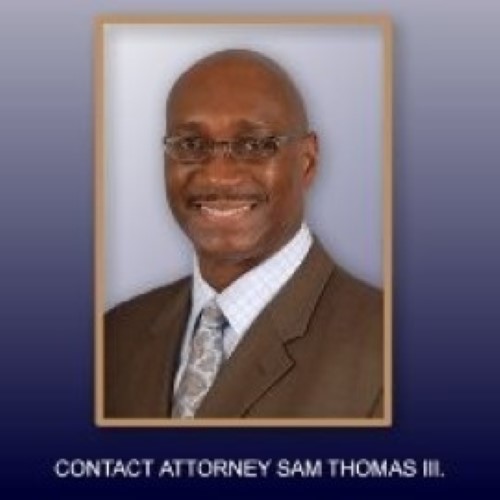
Sam Thomas, III
is an attorney with Sam Thomas III Esquire & Associates. He has practiced for 28 years in the areas of probate, foreclosure prevention, tax resolution, and debt relief. Currently, Mr. Thomas's practice focuses on estate planning. He earned his B.A. degree from Cleveland State University, his M.S. degree from Indiana University and his J.D. degree from Cleveland Marshall College of Law.
Speaker bio
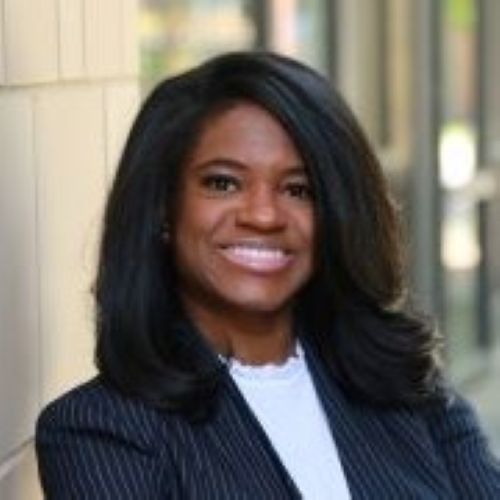
Robyn Hicks-Guinn
is the principal at Hicks-Guinn Law in Charlotte, North Carolina, where she counsels individuals, small business owners, and families in estate planning, business succession planning and guardianships. Ms. Hicks-Guinn also advises businesses as general corporate counsel. She is a current board member for the Mecklenburg County Bar, the immediate past chair of the Mecklenburg County Bar Estates Division and has served on numerous committees bars, boards and committess in the private and public sector. Ms. Hicks-Guinn earned her B.S. degree from the University of North Carolina at Chapel Hill and her J.D. degree from North Carolina Central University School of Law. She is admitted to practice in North Carolina and U.S. District Court for the Western District.
Speaker bio
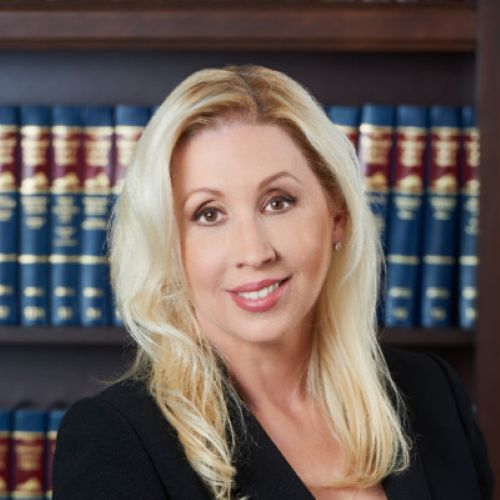
Rhonda A. Miller
is principal at Miller Legal Group, PLLC. For nearly two decades, she has helped high-net-worth individuals, business owners, and C-level executives preserve wealth, reduce estate tax exposure, and mitigate capital gains liabilities through tailored estate planning and tax strategies. Ms. Miller's practice focuses on structuring sophisticated plans that align with her clients' financial goals, legacy wishes, and family business succession plans. She advises clients on a wide range of estate tax minimization techniques. Ms. Miller regularly implements planning tools such as dynasty trusts, spousal lifetime access trusts (SLATs), charitable remainder trusts (CRTs), and qualified personal residence trusts (QPRTs). She also helps clients establish private foundations and family limited partnerships to support charitable giving while reducing taxable estates. Business succession planning is another key component of Ms. Miller's practice. She counsels business founders and family business owners on how to transfer ownership to the next generation in a tax-efficient manner. This includes developing comprehensive plans that address both the financial and emotional dynamics that come with succession planning for closely held businesses. For clients with significantly appreciated assets, Ms. Miller focuses on capital gains mitigation strategies. She structures qualified small business trusts (QSBTs) and 1202 trusts to take advantage of Section 1202 capital gains exclusions. Additionally, Ms. Miller advises clients on entity restructuring, charitable planning, and other techniques to minimize tax liabilities in advance of liquidity events such as business sales or IPOs.
Speaker bio
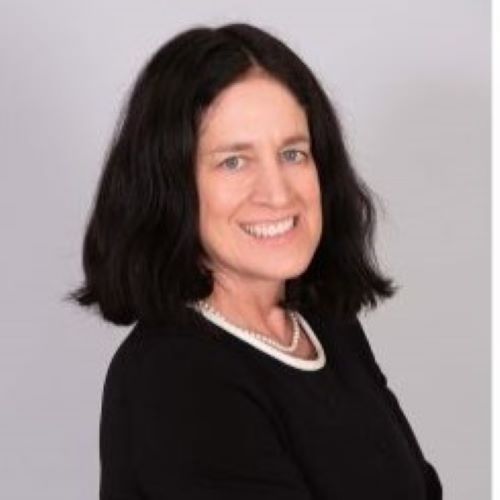
Joanne L. Parise
is an attorney at Williams, Coulson, Johnson, Lloyd, Parker. She has experience representing clients in estate planning, Orphans' Court litigation, business, and real estate matters as well as civil litigation matters involving commercial disputes, real estate, and various torts. Ms. Parise is active in the Allegheny County Bar Association Young Lawyers Division. Through the Young Lawyers Division, she serves as a coordinator of the Wills for Heroes program in Allegheny County which provides basic estate planning services to first responders and military veterans free of charge. Ms. Parise also served on the Young Lawyers Division Council and as a co-chair of the Young Lawyers Division Diversity Committee and completed the Bar Leadership Initiative program. She earned her B.A. degree from Point Park University and her J.D. degree, summa cum laude, from Duquesne University School of Law.
Speaker bio
Stephen B. Keogh
is the principal of Keogh Law, practicing primarily in elder law and probate law. A magna cum laude graduate of Yale College, he earned his J.D. degree from Columbia University. Mr. Keogh is a member of the Fairfield County, Connecticut and American bar associations, and the National Academy of Elder Law Attorneys. He is a member of the Board of Directors of the Connecticut Chapter of the National Academy of Elder Law Attorneys, member of the Executive Committee of the Elder Law Section of the Connecticut Bar Association, and past co-chair of the Elder Law Section of the Fairfield County Bar Association. Mr. Keogh is also a member of the Community Bioethics Forum, which is sponsored by the Program for Biomedical Ethics at the Yale School of Medicine, of both the Bioethics Committee and the Pediatric Bioethics Committee of Yale-New Haven Hospital. He was the first recipient of the Glenn E. Knierim Pro Bono Award, given by the Connecticut Probate Assembly in April 2012.
Speaker bio
Elizabeth Forgotson Goldberg
is a sole practitioner at the Law Offices of Elizabeth Forgotson Goldberg located in Bethesda, Maryland, where she practices in the areas of wills, trusts, estates, special needs trusts, elder law, probate, estate administration, family law, homeowners association law, and estate planning for the elderly. Ms. Forgotson Goldberg is a NELF certified attorney. She earned her B.A. and M.A. degrees from Duke University and her J.D. degree from George Washington University Law School. Ms. Forgotson Goldberg is a member of the Montgomery County Bar Association, District of Columbia Bar Association, Maryland State Bar Association, National Association of Elder Law Attorneys (NAELA) and Women's Bar Association of Maryland.
TOP FAQs
Have more questions? Please Contact Us