

Pennsylvania Special Education Law
Credits Available
| Credit | Status | Total | Until |
|---|---|---|---|
| New Jersey CLE |
|
7.2 Total | 01-27-2027 |
| New York CLE |
|
7 Total | 04-30-2029 |
| Pennsylvania CLE |
|
6 Total | 04-30-2028 |
| West Virginia CLE |
|
7.2 Total | 04-30-2028 |

Buy This Course
OnDemand Video
Course Book Download
Overview
Comply With the Latest Special Education Laws to Avoid Liability
With increasing numbers of students qualifying for special education services, professionals working with students with disabilities know that an understanding of special education law is crucial. You need to know the law in order to deal with complex questions that arise on a regular basis. Who pays when a disabled student is placed in private schooling at the parents' election? How can a school create the least restrictive environment and promote inclusion to the best interests of all students? It can be costly if you don't know. Register today!
- Strengthen your knowledge of how recent special education legislation affects school policies and operations.
- Learn what to do and what not to do in 504 plans.
- Evaluate the legal protection offered by the Individualized Education Program (IEP).
- Successfully handle disciplinary actions for students with disabilities.
- Explore the role of manifestation determination reviews (MDRs) in disciplinary actions.
- Understand the rights of disabled students so you can avoid inadvertent illegal actions that may lead to a lawsuit.
Abbreviated Agenda
- Establishing the Framework of Special Education Law
- Section 504 Plan Documentation: What You Need to Know
- Unraveling the Requirements of the Individuals With Disabilities Education Act (IDEA)
- Successfully Handling Disciplinary Actions for Students With Disabilities
- Ensuring Successful Due Process Procedures
- Protecting the Rights of Children With Disabilities
Credit Details
Credits Available
| Credit | Status | Total | Until |
|---|---|---|---|
| New Jersey CLE |
|
7.2 Total | 01-27-2027 |
| New York CLE |
|
7 Total | 04-30-2029 |
| Pennsylvania CLE |
|
6 Total | 04-30-2028 |
| West Virginia CLE |
|
7.2 Total | 04-30-2028 |
Credit Details by Jurisdiction
CLE
Credits
New Jersey CLE Approved · 7.2 Total Credits
Earn Until
OnDemand - New Jersey CLE - 7.2: This program has been approved by the Board on Continuing Legal Education of the Supreme Court of New Jersey for 7.20 hours of alternative format CLE credit. Of these, 0.0 qualifies as hours of alternative learning format credit for ethics/professionalism.
Video Download - New Jersey CLE - 7.2: This program has been approved by the Board on Continuing Legal Education of the Supreme Court of New Jersey for 7.20 hours of alternative format CLE credit. Of these, 0.0 qualifies as hours of alternative learning format credit for ethics/professionalism.
New York CLE Approved · 7 Total Credits
- 7 Areas of Professional Practice
Earn Until
OnDemand - New York CLE - 7: This nontraditional format course has been approved in accordance with the requirements of the New York State Continuing Legal Education Board for up to 7.0 credit hours that can be applied toward the areas of professional practice requirement and is approved for newly admitted and experienced attorneys. NBI, Inc. offers a Financial Hardship Policy for qualifying individuals. To apply, please submit a request via email to our Tuition Discount Committee at customerservice@nbi-sems.com.
Video Download - New York CLE - 7: This nontraditional format course has been approved in accordance with the requirements of the New York State Continuing Legal Education Board for up to 7.0 credit hours that can be applied toward the areas of professional practice requirement and is approved for newly admitted and experienced attorneys. NBI, Inc. offers a Financial Hardship Policy for qualifying individuals. To apply, please submit a request via email to our Tuition Discount Committee at customerservice@nbi-sems.com.
Pennsylvania CLE Approved · 6 Total Credits
Earn Until
OnDemand - Pennsylvania CLE - 6: This program has been approved by the Pennsylvania Continuing Legal Education Board. This program qualifies for 6.0 hours of distance learning credit, including 6.0 hours of substantive law, practice and procedure CLE credit and 0.0 hour of ethics, professionalism or substance abuse distance learning CLE credit.
Video Download - Pennsylvania CLE - 6: This program has been approved by the Pennsylvania Continuing Legal Education Board. This program qualifies for 6.0 hours of distance learning credit, including 6.0 hours of substantive law, practice and procedure CLE credit and 0.0 hour of ethics, professionalism or substance abuse distance learning CLE credit.
West Virginia CLE Approved · 7.2 Total Credits
Earn Until
OnDemand - West Virginia CLE - 7.2: This program qualifies for 7.20 hours of pre-recorded credit, which includes 0.0 hour of pre-recorded ethics credit, under the West Virginia Rules for Mandatory Continuing Legal Education.
Video Download - West Virginia CLE - 7.2: This program qualifies for 7.20 hours of pre-recorded credit, which includes 0.0 hour of pre-recorded ethics credit, under the West Virginia Rules for Mandatory Continuing Legal Education.
Select Jurisdiction
CLE
Agenda
-
Establishing the Framework of Special Education Law
- Overview of Laws That Govern Special Education
- Summary of Recent Developments in Special Education Law
- Relevant Case Law
-
Section 504 Plan Documentation: What You Need to Know
- Review of Section 504
- Determining When an Evaluation Is Necessary
- Information Required to Document a Disability
- Americans With Disabilities Act and 504 Plan Eligibility
- Proper Notice of Evaluation and Placement
- 504 Plan Dos and Don'ts: With Examples
-
Unraveling the Requirements of the Individuals With Disabilities Education Act (IDEA)
- What Are Early Intervention Programs?
- Defining State and Local Eligibility for Services
- Free Appropriate Public Education (FAPE)
- Conducting Evaluations and Re-Evaluations of Students With Disabilities
- The Role of the Individualized Education Program (IEP) and the IEP Team
- Availability of Personnel Who Know How to Meet the Needs of Disabled Students
- Specific Issues About Exceptional Needs Children Enrolled in Private Schools
- How, When, and Why Reauthorization Occurs
-
Successfully Handling Disciplinary Actions for Students With Disabilities
- Providing Services During Disciplinary Removal
- Defining Functional Behavioral Assessments (FBAs)
- What Are Behavioral Intervention Plans?
- How Manifestation Determination Reviews Apply
- Protections for Children Not Yet Eligible for Special Education and Related Services
- Changes in Placement
- Suspensions and the Ten-Day Rule
- Legal Rules Governing Removal or Expulsion
- Interim Alternative Educational Settings
- Other Available Remedies
- "Stay Put" Placement During Pendency of Due Process
- Expedited Due Process Hearings
-
Ensuring Successful Due Process Procedures
- Actions to Take Upon Receipt of Request for an Impartial Hearing
- Complying With Notice Requirements
- Examining Essential Timing Issues
- Providing for the Option of Mediation
- How to Prepare for a Due Process Hearing
- Crucial Elements in an Impartial Due Process Hearing
- When De Novo Reviews Apply
- Effective Ways to Avoid Due Process Litigation
-
Protecting the Rights of Children With Disabilities
- Promoting Parent Awareness of Legal Rights and Recourse for Their Child
- Understanding Placement Issues
- Least Restrictive Environment and Inclusion
- Requirements for Unilateral Placements by Parents Seeking Public Payment
- Compensatory Education
- Preventing Disability Bullying and Harassment in the Schools
- Protecting Confidentiality of Information
- Special Education Damages Liability (Including Section 1983 Liability)
- Using the Office of Civil Rights (OCR) to Ensure Compliance
Who Should Attend
This basic-to-intermediate level seminar is designed specifically for professionals who work with children with disabilities in a school setting. Those who should attend include:
- School Administrators
- Superintendents
- Board Members
- Principals
- Counselors
- School Psychologists
- Teachers
- Attorneys
Speakers
Speaker bio
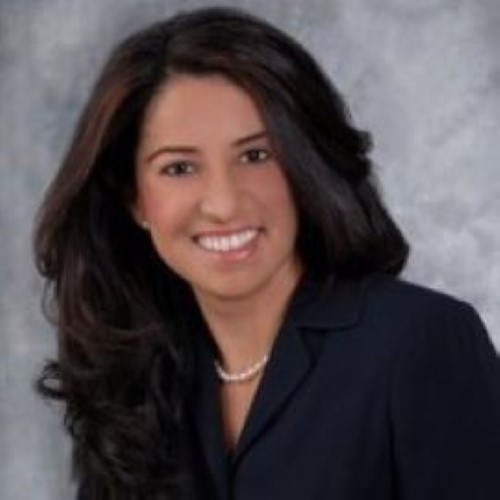
Tanya A. Alvarado
is the owner and founder of Alvarado Law, LLC in Bala Cynwyd, Pennsylvania. Alvardo Law, LLC is a bilingual law firm specializing in representing families in special education matters and obtaining reasonable accommodations for high stakes exams, like SAT/ACT, graduate school admissions, and licensing/certification. She has 30 years of experience, is fluent in Spanish and was born in Ecuador. Ms. Alvarado earned her B.A. degree from Cornell University and her J.D. degree from Boston University School of Law.
Speaker bio
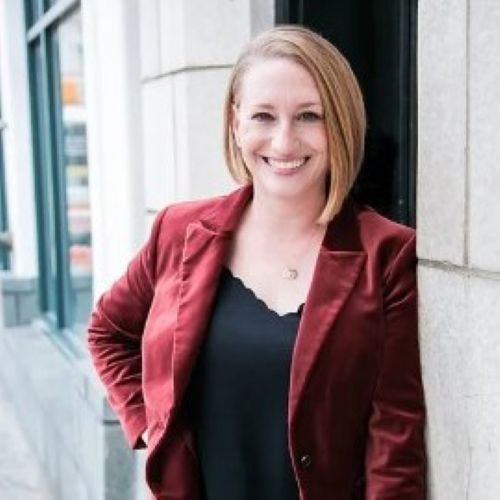
Aimee Rankin
is an education attorney at Rankin Legal LLC. Prior to opening her own practice, she was a partner at Weiss Burkardt Kramer, a leading Pittsburgh education law firm representing public school district clients. Ms. Rankin has represented clients at all levels of state and federal court, as well as administrative agencies such as the Pennsylvania Office for Dispute Resolution, Office for Civil Rights and Pennsylvania Human Relations Commission. She has expertly handled special education cases, student discipline matters, employment matters, and Title IX investigations. Ms. Rankin earned her B.S. degree, magna cum laude, from the University of Mount Union and her J.D. degree from The University of Pittsburgh, where she participated as senior research editor for The University of Pittsburgh Law Review. She was named a Super Lawyer Rising Star for 2020-2022 and proudly serves as co-chair of the PBA Exceptional Childrens' Committee. Ms. Rankin is admitted to practice law in Pennsylvania.
Speaker bio
Timothy E. Gilsbach
is Of Counsel with McNees, Wallace & Nurick LLC, where he practices education and employment law. He has represented school districts, intermediate units, and charter schools for more than a decade in special education matters; from providing guidance, to attending IEP meetings, to litigating special education matters at administrative due process hearings and appeals through the federal courts. Mr. Gilsbach also advised school entities on a wide area of other student related issues and employment issues. He also advises both public and private employers on issues related to employee use of medical marijuana. Mr. Gilsbach is a graduate of the Pennsylvania State University Dickinson School of Law and Messiah College.
TOP FAQs
Have more questions? Please Contact Us