

Buy This Course
OnDemand Video
Course Book Download
or
Overview
A Real-World Application of Evidence to Courtroom Events
The rules of evidence are constantly evolving in response to court decisions, technological advances in discovery, and changes to various state rules. It can be an onerous task to continuously analyze and apply them to your cases. How confident are you in your skills when it comes to gathering and working with expert witness testimony, email/ESI, and the technicalities of hearsay? Learn from our experienced faculty as they explore key court decisions involving admissibility and practically apply the rules of evidence to common evidentiary challenges you face during litigation. Untangle the intricate web of evidence rules and procedures - register today!
- Gain veteran tips on applying the rules of evidence at each stage of the litigation process, from discovery to trial.
- Learn how to effectively analyze, authenticate, admit, and exclude the most complex types of evidence.
- Find out what red flags to look for when handling email and other ESI.
- Explore hearsay in depth and get a concrete understanding of what constitutes hearsay.
- Clearly link your evidence to your case with proven presentation skills.
- Be prepared to argue relevance and get experts and evidence admitted (or excluded) in court.
Abbreviated Agenda
- The "Big Six" Admissibility Questions
- Understanding Hearsay
- Handling Email, Social Media and Other ESI
- Witness Testimony and Reports
- Keeping Evidence Out (Pre and Post Trial)
- Admission/Exclusion of Unique Evidence
- Presenting to the Judge and Jury
- Ethical Considerations
Credit Details
Credits Available
| Credit | Status | Total | Until |
|---|---|---|---|
| Arkansas CLE |
|
6 Total | 06-30-2026 |
Select Jurisdiction
CLE
Agenda
-
The "Big Six" Admissibility Questions
- QUESTION #1: Is it Authentic? (If Not, How do I Authenticate/Identify the Evidence?)
- QUESTION #2: Is it Hearsay?
- QUESTION #3: Is There a Proper Foundation?
- QUESTION #4: Is it Relevant?
- QUESTION #5: Should the Evidence be Excluded?
- QUESTION #6: What is the Proper Way to Introduce the Item into Evidence?
-
Understanding Hearsay
- Overview of Critical Rules You Need to Know Regarding Hearsay
- Recent Case Law
- Practical Application of the "Big Six" to Real-World Courtroom Events
- Exceptions
- Hearsay Problems, Such as When Your Client or Opposing Party is Deceased
- Hearsay Within Hearsay
- Attacking/Supporting Declarant's Credibility
-
Handling Email, Social Media and Other ESI
- Collecting ESI
- Recent Case Law
- Practical Application of the "Big Six" to Real-World Courtroom Events
- Email as Evidence
- Electronic Medical Records
- Social Media
- Web Pages
- Video
- Voicemail
- Text Messages
- Citing Online Content Properly
- Preservation of Metadata
-
Witness Testimony and Reports
- Practical Application of the "Big Six" to Real-World Courtroom Events
- Character and Competency
- Opinion Testimony (Lay and Expert Witnesses)
- Admissibility of What You Give Your Expert
- Court-Appointed Expert Witnesses
- Impeachment
- Frye vs. Daubert Challenges
- Expert Reports
- Other Expert Considerations
- Practical Application of the "Big Six" to Real-World Courtroom Events
-
Keeping Evidence Out (Pre and Post Trial)
- Practical Application of the "Big Six" to Real-World Courtroom Events
- Hearsay Objections
- Motion in Limine, Motion to Exclude, and Motion to Strike
- Motions for Sanctions
- Curtailing Speaking Objection
- Use of the Sidebar Conference
- Jury Instructions After the Objection
- Preserving Evidentiary Issues for Appeal
- Timing and Frequency of Objections
- Specificity of Objections
- Motions in Limine
- Offers of Proof
- Practical Application of the "Big Six" to Real-World Courtroom Events
-
Admission/Exclusion of Unique Evidence
- Practical Application of the "Big Six" to Real-World Courtroom Events
- Collecting Evidence Through Discovery: Evidence Considerations
- Character Evidence
- Evidence of a Person's Habit
- Evidence of Subsequent Remedial Measures
- Sexual-Assault, Child Molestation, and Sex-Offense Cases
- Writings, Recordings, and Photographs
- Medical Records, Charts, and X-Rays
- Other Records (Business, Public)
- Other Unique Evidence
- Practical Application of the "Big Six" to Real-World Courtroom Events
-
Presenting to the Judge and Jury
- Authenticating Exhibits
- Stipulations
- Self-Authenticating
- Authenticating - Laying the Foundation for Admissibility
- Presenting Deposition Records
- Introducing Juries to Evidence
- Providing Jury Notebooks
- Presenting Your ESI: Common Mistakes Made in the Courtroom
- Computer-Aided Displays, Video, and Graphics
- Authenticating Exhibits
-
Ethical Considerations
- Spoliation, Preservation, and Missing Evidence
- Legal Malpractice
- Lawyers as Witnesses
- Handling Highly Prejudicial Evidence
- Talking to Witnesses Before They Testify
- Facilitating Efficiency, Reliability, and Overall Fairness of the Adversary Process
- Attorney-Client Privilege
Who Should Attend
This basic-to-intermediate level online seminar offers attorneys the fundamental knowledge and practical skills to make the best use of evidence and testimony.
Speakers

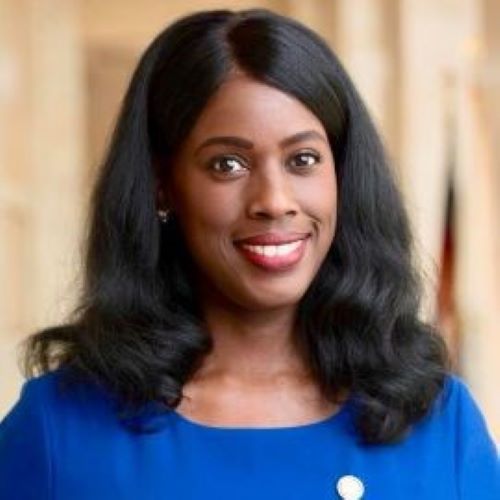
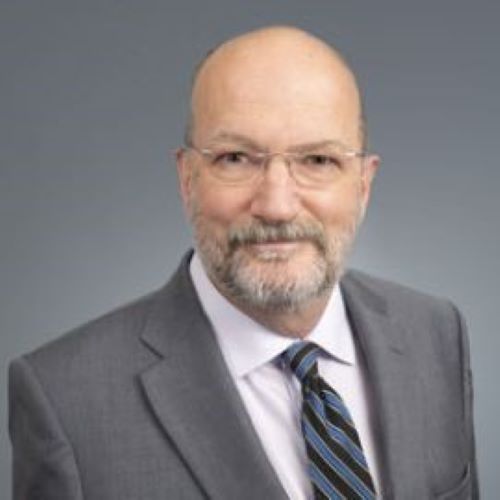

Speaker bio
Monica L. Mason
is the managing member of Mason & Harmon, PLLC, where she practices in the areas of real estate, estate planning, probate, adoption, and surrogacy. Ms. Mason is a member of the American Bar Association and the American Society of Reproductive Medicine. She earned her B.A. and J.D. degrees from the University of Arkansas at Little Rock.
Speaker bio
Kandice A. Bell
is a licensed attorney in the state of Arkansas. Beginning in 1998, her practice consisted of litigation in local, state, administrative and federal courts in Arkansas. Ms. Bell's early career involved family law litigation, where she represented women and men in divorce cases involving custody, property settlements, and retirement accounts. She has also successfully defended parents in abuse and neglect cases against the Department of Human Services; obtained guardianships over minors, adults, and estates; and has represented clients in interstate child and elder custody disputes. Ms. Bell also accepted juvenile delinquency and Department of Human Services cases. While a lawyer at one of the state's two legal aid offices, she represented a 13-county territory wherein she primarily represented women in emergency divorces where abuse was involved and on a regular basis appeared in court litigating Orders of Protection. Ms. Bell touts only losing one case in five years because the petitioner failed to disclose an incident of abuse in which she was untruthful. In her criminal law practice, she prepared No Contact Orders when she was an assistant city attorney prosecuting misdemeanor and domestic abuse cases at the City of Pine Bluff. Ms. Bell has successfully litigated major felony cases in jury trials across the state and has successfully appealed three client's convictions- Class Y, C, and an A misdemeanor, having them remanded or dismissed by the Arkansas Court of Appeals and Supreme Court. In federal court, she has successfully litigated federal civil rights cases under §§ 1981, 1983, Title VII of the Civil Rights Act, as amended, Age Discrimination and Employment Act (ADEA), and other federal laws. Ms. Bell has regularly researched, interpreted, and memorialized her findings on federal law in her practice as senior counselor in the executive branch under former Arkansas Governor Asa Hutchinson. She is a three-time recipient of the Arkansas Bar Association President's Golden Gavel Award for exemplifying extraordinary effort, skill, and commitment to bar task force and committee work benefiting the membership. Ms. Bell is a tenured trustee, immediate past chair of the Commission on Diversity and Inclusion, and inaugural member of the bar's Public Service Academy. She has served as a Special Judge in the Environmental Court at Pulaski County, Juvenile/Circuit Vourt at Jefferson County, and a special associate justice to the Arkansas Supreme Court on appointment by Governor Hutchinson. Ms. Bell is licensed in the Arkansas Supreme Court, U.S. District Courts for the Eastern and Western divisions of Arkansas, and in the U.S. Eighth Circuit Court of Appeals. In the last few years, she has become a sought-after speaker on a variety of legal subject matters. In Ms. Bell's spare time, she enjoys volunteering as a Presiding Judge with the Arkansas Bar Committee on Mock Trial; speaking, reading, or writing about the law, and speaking to audiences about how it is possible to fulfill your dreams.
Speaker bio
Daniel M. Schiavetta
is of counsel at Russo & Gould LLP. He specializes in nursing home and adult residential facility defense and has wide experience in appellate and insurance coverage litigation. Mr. Schiavetta has prosecuted rescission, declaratory judgment and interpleader actions in state and federal court on behalf of various insurers; and has tried cases involving medical malpractice and premises liability. He gives presentations to nursing homes as to charting and litigation issues, and is responsible for two changes in case law. Mr. Schiavetta earned his B.A. degree from State University of New York and his J.D. degree from the University of California, Davis School of Law. He is admitted to New York and New Jersey federal courts, and Second Circuit Court of Appeals and Third Circuit Court of Appeals. Mr. Schiavetta is a member of the Westchester County Bar Association, New Rochelle Bar Association and Defense Research Institute. His recent book, The Supreme Court for Short Attention Spans, is available on Amazon.
Speaker bio
Christopher S. Norcross
is a partner at Gordon Rees Scully Mansukhani, LLP. His practice focuses on industrial, infrastructure, commercial and residential construction litigation and transactions. He is a member of the Commercial Litigation, Construction, Energy & Natural Resources, Trucking and Transportation practice groups. He regularly represents construction firms (contractors and subcontractors), developers, national, international and multinational manufacturers, suppliers, and retailers, as well as other entities, in a variety of disputes. In addition, Christopher represents professionals, such as lawyers, doctors, realtors and architects/engineers, in defending against claims of professional liability. He prosecutes and defends claims involving construction defects, payment disputes, products liability, OSHA compliance/violation, environmental/toxic tort, employment, construction-related personal injury, and other business disputes. He assists owners, contractors, and suppliers with collection of unpaid amounts, mechanic's liens and bond claims. Christopher is also very involved in the negotiation and drafting of design and construction contracts and related documents. As a result, he understands all aspects of the construction process. He represents clients in state and federal courts in Texas, Oklahoma, Arkansas, and other jurisdictions, as well as in arbitration tribunals around the country, and he has jury trial experience involving complex product liability claims and construction defect claims. He earned his B.A degree from Criswell College and his J.D degree from Texas A&M University School of Law.
TOP FAQs
Have more questions? Please Contact Us