

Kansas Trusts Guide
Credits Available
| Credit | Status | Total | Until |
|---|---|---|---|
| Kansas CLE |
|
7 Total | 05-29-2027 |
| Missouri CLE |
|
6 Total | 05-30-2027 |
| Oklahoma CLE |
|
7 Total | 05-30-2027 |


Buy This Course
OnDemand Video
Course Book Download
Overview
Explore the Building Blocks of Estate Plans
This practical introduction to trusts will help you build a better understanding of how they're chosen, created, and used. Break down the different types of trusts, the trust language used in drafting and case law, key tax planning and reporting issues, and essential trust administration tasks. Be prepared for specific challenges associated with various types of trusts by understanding their unique characteristics. Register today!
- Master essential trust principles.
- Explore top trusts currently in practice: their unique features, requirements, and uses.
- Identify key revocable trust mistakes and get guidance for preventing problems.
- Explore tax saving tactics tailored to unique client needs.
- Get suggestions for the use of specific language in trusts.
- Clarify the requirements for the formation of a special needs trust.
- Come away with practical examples and trust language needed to put your new knowledge to use right away.
Abbreviated Agenda
- Introduction to Trusts: Main Terms, Concepts, Parties
- Revocable Living Trusts
- Irrevocable Trusts: Essential Uses and Key Provisions
- Trust Administration Basics
- Other Unique Trust Structures of Note
- Special Needs Trusts (SNTs) Structures and Uses (With Sample Trust Language)
- Legal Ethics of the Trusts Practice
- Taxation and Tax Consequences of Trusts
Credit Details
Credits Available
| Credit | Status | Total | Until |
|---|---|---|---|
| Kansas CLE |
|
7 Total | 05-29-2027 |
| Missouri CLE |
|
6 Total | 05-30-2027 |
| Oklahoma CLE |
|
7 Total | 05-30-2027 |
Credit Details by Jurisdiction
OnDemand Video
CLE
Credits
Kansas CLE Approved · 7 Total Credits
- 1 Ethics/Professionalism
Earn Until
OnDemand - Kansas CLE - 7: Approved by Kansas CLE for 7.0 hours of prerecorded format continuing legal education credit, which includes 1.0 hour of ethics and professionalism credit.
Video Download - Kansas CLE - 7: Approved by Kansas CLE for 7.0 hours of prerecorded format continuing legal education credit, which includes 1.0 hour of ethics and professionalism credit.
Missouri CLE Approved · 6 Total Credits
Earn Until
OnDemand - Missouri CLE - 6: NBI, Inc. is an accredited sponsor with Missouri Minimum Continuing Legal Education. This program qualifies for 6.0 self-study CLE credit hours.
Video Download - Missouri CLE - 6: NBI, Inc. is an accredited sponsor with Missouri Minimum Continuing Legal Education. This program qualifies for 6.0 self-study CLE credit hours.
Course Book - Missouri CLE - 6: NBI, Inc. is an accredited sponsor with Missouri Minimum Continuing Legal Education. This program qualifies for 6.0 self-study CLE credit hours.
Oklahoma CLE Approved · 7 Total Credits
- 1 Legal Ethics
Earn Until
OnDemand - Oklahoma CLE - 7: This course has been approved by the Oklahoma Bar Association Mandatory Continuing Legal Education Commission. This program qualifies for 7.0 of On Demand CLE credit hours, which includes 1.0 hour of legal ethics.
Video Download - Oklahoma CLE - 7: This course has been approved by the Oklahoma Bar Association Mandatory Continuing Legal Education Commission. This program qualifies for 7.0 of On Demand CLE credit hours, which includes 1.0 hour of legal ethics.
Course Book (PDF Download)
CLE
Credits
Missouri CLE Approved · 6 Total Credits
Earn Until
Course Book - Missouri CLE - 6: NBI, Inc. is an accredited sponsor with Missouri Minimum Continuing Legal Education. This program qualifies for 6.0 self-study CLE credit hours.
Select Jurisdiction
CLE
Agenda
-
Introduction to Trusts: Main Terms, Concepts, Parties
- Main Terms and Concepts Defined
- State and Federal Laws Governing the Creation and Administration of Trusts
- State and Local Tax and Property Laws Affecting Trust Drafting
- Who Are the Main Parties? Their Duties and Responsibilities to a Trust
- Clarifying Reasons for Drafting a Trust
- Deciding Which Type of Trust to Use
- Top Trust Uses for Non-Taxable Estates
-
Revocable Living Trusts
- Testamentary vs. Revocable Trusts (and Pourover Wills)
- Drafting Tips and Samples
- Common Mistakes to Avoid
- Qualified Terminable Interest Trusts (QTIPs)
- Tax Consequences and Planning
- When a Revocable Trust Becomes Irrevocable
-
Irrevocable Trusts: Essential Uses and Key Provisions
- Unique Features of Irrevocable Trusts
- Trust Language Review
- Types of Irrevocable Trusts and Their Uses
-
Trust Administration Basics
- Trust Funding and Trust Assets Management
- Laws Governing the Administration of Trusts
- Administration Expenses and Trustee Compensation
- Distributions and Accountings
- Trust Modification, Decanting, and Constructive Trusts
- Common Disputes
-
Other Unique Trust Structures of Note
- Charitable Trusts
- IRA Trusts After the SECURE Act
- Generation-Skipping/Dynasty Trusts
- Medicaid Qualifying Income-Only Trusts (Miller Trusts)
- Pet Trusts
- Cabin Trusts
- Irrevocable Life Insurance Trusts
- NFA Gun Trusts
- Incomplete Non-Grantor Trusts
-
Special Needs Trusts (SNTs) Structures and Uses (With Sample Trust Language)
- The Types of Special Needs Trusts and Their Specific Purposes
- Who Can Be the Beneficiary
- Protecting Benefits Eligibility
- Drafting Tips and Sample Trust Provisions
- Maximizing Allowable Expenses
-
Legal Ethics of the Trusts Practice
- Who is Your Client?
- Confidentiality in Third Party Communications
- Assessing the Client's Capacity
- Avoiding Fraudulent Transfers
-
Taxation and Tax Consequences of Trusts
- State and Federal Tax Laws Update
- Tax Reporting: Accounting vs. Distributable vs. Taxable Income
- Fiduciary Tax Returns
- Tax Basis in the Assets
- Tax Consequences of Trustee Investment, Distributions, and Other Activity
- Trusts Used for Tax Reduction
- Marital Trusts After ATRA and TCJA
- Grantor Trusts and Grantor Trust Status Toggling
- Trusts in Estate Administration
Who Should Attend
This basic level online seminar is designed for the professionals involved in creating and administering trusts:
- Attorneys
- Accountants and CPAs
- Trust Officers
- Tax Managers
- Wealth Managers
Speakers
Speaker bio
Roger A. McEowen
is the Kansas Farm Bureau Professor of Agricultural Law and Taxation at Washburn University School of Law in Topeka, Kansas. Through 2015, he was the Leonard Dolezal Professor in Agricultural Law at Iowa State University in Ames, Iowa, where he was also the director of the ISU Center for Agricultural Law and Taxation (CALT) which he founded. Under Prof. McEowen's leadership, CALT utilized no taxpayer funds in its operations and fully funded staff salaries and benefits, as well as office rent, equipment and supplies, and travel costs from funds generated by seminars and other education-related events and materials. At ISU, he also introduced an agricultural law course into the undergraduate curriculum initially as an experimental course, ultimately building the course from the ground up to almost 100 students in attendance by the spring semester of 2015. Prof. McEowen has been a visiting professor of law at the University of Arkansas School of Law in Fayetteville, Arkansas, teaching in both the J.D. and L.L.M. programs. He has also previously taught at Washburn Law and the Drake University School of Law Summer Institute in agricultural law. Prof. McEowen has published scholarly articles in numerous journals; and is the author of Principles of Agricultural Law, an 850-page textbook/casebook that is updated twice annually and a second 300-page book on agricultural law. In mid-2017, his book Agricultural Law in a Nutshell was published by West Academic Publishing Co. Prof. McEowen also authors the monthly publication, Kansas Farm and Estate Law, and co-authors Bureau of National Affairs (BNA) Tax Management Portfolios on the federal estate tax family-owned business deduction and the reporting of farm income. He is the lead author of a BNA portfolio concerning the income taxation of cooperatives. Prof. McEowen conducts approximately 80-100 seminars annually across the United States for farmers, agricultural business professionals, lawyers and other tax professionals. In 2003, he was named the recipient of the American Agricultural Law Association (AALA) Distinguished Service Award. Prof. McEowen is also the recipient of the AALA's award of excellence for professional scholarship. In 2006, he was named the president-elect of the AALA. Prof. McEowen earned his B.S. degree, with distinction, from Purdue University in management, his M.S. degree in agricultural economics from Iowa State University and his J.D. degree from the Drake University School of Law. He is a member of the Iowa State and Kansas bar associations, and is admitted to practice in Nebraska.
Speaker bio
Scott E. Taddiken
is an attorney in the Topeka law office of Stevens & Brand LLP. He practices in the areas of wills, trusts, and estates; and succession planning. In addition to practicing law, Mr. Taddiken enjoys teaching as an adjunct professor at the University of Kansas School of Law . He earned his B.S. degree from Kansas State University, his M.B.A. degree from Washburn University, and his J.D. degree from Washburn University School of Law. Mr. Taddiken also speaks regularly at various conferences throughout the state of Kansas. He is a member of the Kansas and Topeka Bar Associations.
Speaker bio
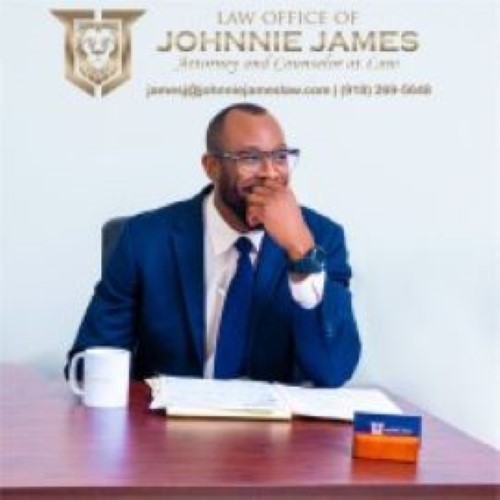
Johnnie J. James, III
is an attorney at The Law Office of Johnnie James, PLLC. He specializes in business, criminal defense, DUI law, copyright, estate planning, entertainment, intellectual property, legal consulting, personal injury, and trademark law. Within estate planning, Mr. James focuses on key elements such as wills, trusts, power of attorney, and beneficiary designations ensure assets are distributed according to your wishes while minimizing tax burdens. He earned his degree from The University of Oklahoma and his J.D. from Charlotte School of Law. He is admitted to practice law in Oklahoma and before the U.S. District Court, Northern District of Oklahoma.
Speaker bio
Peter L. Ostermiller
is a sole practitioner concentrating in legal ethics and professional responsibility matters. In 1980 he obtained his license to practice law in Kentucky. His legal ethics and professional responsibility law practice began in the mid -1980s and, since the mid-1990s has been his practice concentration. He represents attorneys in disciplinary and reinstatement proceedings, judges in judicial ethics matters, and bar exam applicants. Mr. Ostermiller has also represented parties in attorney's fee dispute proceedings, and attorneys in legal proceedings in which sanctions have been sought against the attorney. He has represented parties in attorney disqualification proceedings and counseled lawyers and law firms in their respective rights, responsibilities and duties to other attorneys and their clients. He also serves as an expert witness at the state and federal level regarding legal ethics and professional responsibility matters. Mr. Ostermiller is a member of the Kentucky Bar Association, Louisville Bar Association and Association of Professional Responsibility Lawyers. Mr. Ostermiller earned his B.A. and J.D. degrees from the University of Louisville.
Speaker bio
Jennifer M. McInerney
is an attorney with McInerney Law, where her practice is focused in estate planning, primarily for families with special needs children. She is licensed to practice in Alabama and Mississippi. Ms. McInerney is the founding member and co-president of the Board of Directors of Special Siblings, which provides support for children with special needs siblings. She currently serves as the president of the Board of Directors of the Jefferson County Intellectual and Developmental Disability Authority. Ms. McInerney is a member of the Board of Directors for Down Syndrome Alabama, Shelby Humane Society and 25:35. She earned her B.A. degree, magna cum laude, as well as her M.A. degree, summa cum laude, from the University of Alabama at Birmingham. Ms. McInerney earned her J.D. degree from Indiana University School of Law and her LL.M. degree in taxation from Washington University in St. Louis.
TOP FAQs
Have more questions? Please Contact Us