

Trusts in Missouri From A to Z
Credits Available
| Credit | Status | Total | Until |
|---|---|---|---|
| Illinois CLE |
|
6.5 Total | 05-05-2027 |
| Missouri CLE |
|
6 Total | 05-06-2027 |
Buy This Course
OnDemand Video
Course Book Download
Overview
The Ultimate Pros and Cons Guide to Top Wealth Planning Techniques
Planning your clients' financial future and legacy is diverse and complex, with a unique tool for every unique client situation. In this fast-paced comprehensive program, our faculty will guide you through the plethora of trust options and give you a straightforward, incisive analysis of when and how each can be used for maximum effect. Explore the goals, functions, administration hurdles, and tax implications of the top trusts in the practice. Choose the best tool for the job every time - register today!
- Weigh all the pros and cons to select the best trust options for specific client situations.
- Anticipate tax consequences of various trusts.
- Use sample trust language our faculty provide to save drafting time and avoid mistakes.
- Clarify the powers and duties of trustees in different trusts.
- Compare living and testamentary trusts for straightforward estate planning.
- Distinguish between accounting and taxable income and learn how trust income tax is reported.
- Understand how recent tax laws changed the practice of marital trusts and learn when they are still useful.
- Review common ethical missteps that can cost you your license - and how to avoid them.
Abbreviated Agenda
- What are Trusts? Main Trust Principles
- Simple Testamentary Trusts and Revocable Living Trusts
- Tax Reduction with Trusts
- Grantor Trusts
- Marital Trusts in a Nutshell
- Other Trust Structures and Issues
- Generation Skipping/Dynasty Trusts
- Legal Ethics
Credit Details
Credits Available
| Credit | Status | Total | Until |
|---|---|---|---|
| Illinois CLE |
|
6.5 Total | 05-05-2027 |
| Missouri CLE |
|
6 Total | 05-06-2027 |
Credit Details by Jurisdiction
OnDemand Video
CLE
Credits
Illinois CLE Approved · 6.5 Total Credits
- 1 Professional Responsibility
Earn Until
OnDemand - Illinois CLE - 6.5: This program has been approved by the Illinois MCLE Board for 6.50 hours of recorded technology CLE credit, which includes approval for 1.0 hour of legal ethics, civility, professionalism CLE credit by the Illinois Supreme Court Commission on Professionalism.
Video Download - Illinois CLE - 6.5: This program has been approved by the Illinois MCLE Board for 6.50 hours of recorded technology CLE credit, which includes approval for 1.0 hour of legal ethics, civility, professionalism CLE credit by the Illinois Supreme Court Commission on Professionalism.
Missouri CLE Approved · 6 Total Credits
Earn Until
OnDemand - Missouri CLE - 6: NBI, Inc. is an accredited sponsor with Missouri Minimum Continuing Legal Education. This program qualifies for 6.0 self-study CLE credit hours.
Video Download - Missouri CLE - 6: NBI, Inc. is an accredited sponsor with Missouri Minimum Continuing Legal Education. This program qualifies for 6.0 self-study CLE credit hours.
Course Book - Missouri CLE - 6: NBI, Inc. is an accredited sponsor with Missouri Minimum Continuing Legal Education. This program qualifies for 6.0 self-study CLE credit hours.
Course Book (PDF Download)
CLE
Credits
Missouri CLE Approved · 6 Total Credits
Earn Until
Course Book - Missouri CLE - 6: NBI, Inc. is an accredited sponsor with Missouri Minimum Continuing Legal Education. This program qualifies for 6.0 self-study CLE credit hours.
Select Jurisdiction
CLE
Agenda
-
What are Trusts? Main Trust Principles
- Trust Terms, Concepts, and Definitions
- Key Parties in a Trust and Their Roles
- The Laws of Trust Creation and Administration (UTC, UPA, UPIA, etc.)
- Trust Revocability and its Implications
- Trust Funding Basics
- Creditor Rights in Regards to Trusts
- Does the Client Need a Trust?
-
Simple Testamentary Trusts and Revocable Living Trusts
- When are Testamentary Trusts Used?
- Living vs. Testamentary Trusts for Tax Purposes
- Trust Funding Mistakes and Consequences
- Top Trust Administration Issues
- Sample Trust Language
-
Tax Reduction with Trusts
- Current State and Federal Tax Regime
- Taxation of Trusts: Transfer and Income
- Accounting vs. Taxable Income
- Tax Consequences of Distributions
- Tax Implications of a Trust Becoming Irrevocable
- Accumulation Distribution for Some Complex Trusts
- Material Participation by Trusts
- Tax Consequences of Trusts in Estate Administration
-
Grantor Trusts
- Types of Grantor Trusts and When They are Used
- Intentionally Defective Grantor Trusts
- Tax Planning, Requirements, and Consequences
- Trustee Powers and Duties
- Grantor Trust Status and Reporting
- Exceptions to the Rules
- Sample Trust Language
-
Marital Trusts in a Nutshell
- When are Marital Trusts Used?
- Old AB/Credit Shelter Trusts After ATRA and Tax Cuts and Jobs Act
- Tax Planning, Requirements, and Consequences
- Trustee Powers, Duties, and Challenges
- Underfunded Trusts After First Death
- QDOTs for Noncitizen Spouses
- Exceptions to the Rules
- Handling Dysfunctional Client Families
- Sample Trust Language
-
Other Trust Structures and Issues
- Minors' Trusts
- IRA Trusts
- Pet Trusts
- Medicaid Trusts
- Asset Protection Trusts
- Irrevocable Life Insurance Trusts
- Incomplete Non-Grantor Trusts
- Gun Trusts
- Trust Decanting, Modification, and Dissolution
- Smaller Estate Trusts
- Constructive Trusts
- Charitable Trusts
- Special Needs Trusts
-
Generation Skipping/Dynasty Trusts
- GST Tax and Other Tax Considerations
- When are Dynasty Trusts Used?
- Trustee Powers and Duties and Administration Challenges
- Exceptions to the Rules
- Sample Trust Language
-
Legal Ethics
- Who Is Your Client? The Most Important Question in Trusts Practice
- Top Legal Malpractice Risks
- Testator Capacity Issues
- Dealing with Trust Beneficiaries
- Protecting Confidentiality
- Preventing Fiduciary Misconduct
Who Should Attend
This basic level online seminar is designed for the professionals involved in creating and administering trusts:
- Attorneys
- Accountants and CPAs
- Trust Officers
- Tax Managers
- Wealth Managers
Speakers
Speaker bio
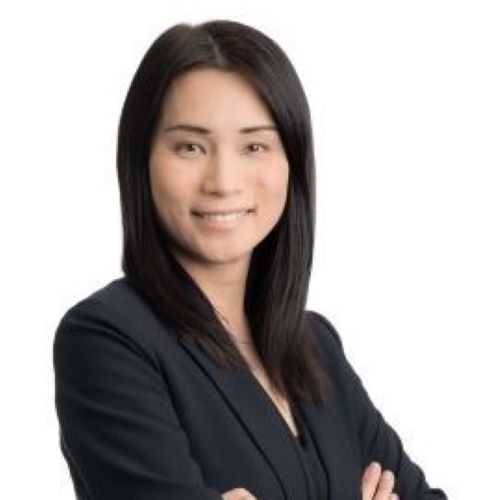
Jasmine H. Chen
joined Sandberg Phoenix in 2022 and is a member of the business practice group. Her estate planning practice focuses on helping families enhance their lives today and secure their futures tomorrow. Ms. Chen excels in guiding her clients through the often-confusing maze of financial and legal decisions to create plans that ensure the well-being of each of her clients' families and the accomplishment of their cherished family goals. She also works with business owners in the development of full spectrum business succession plans to empower business developments, promote smooth business transitions and preserve family legacy. Ms. Chen's considerable legal expertise includes, among her other practice areas, family protection, wealth preservation, and values-based planning, particularly for families with minor children, including special needs children. She is admitted to practice in New York and Missouri.
Speaker bio
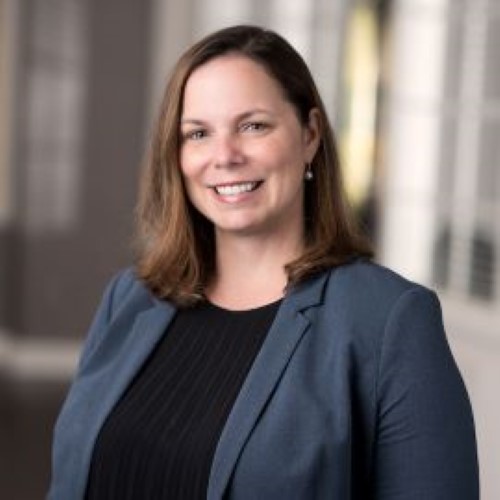
Tina N. Babel
represents trustees, financial institutions, personal representatives, beneficiaries, minors, the elderly, attorneys-in-fact, children, siblings, and other family members when handling the array of fiduciary disputes that may arise when dealing with trusts or wills. As a trusts and estates litigator, she has handled a wide variety of cases from pursuing missing assets from a trust account to fighting or defending a request to remove a trustee for misconduct. With the aging of baby boomers and the new issues that are arising daily in our probate courts, experienced trusts and estates litigators are necessary to adequately protect trustee's and client's interests when an issue arises. Ms. Babel earned her B.A. degree, magna cum laude, from Missouri State University and her J.D. degree, cum laude, from University of California, Hastings College of Law. She is admitted to practice in Missouri.
Speaker bio
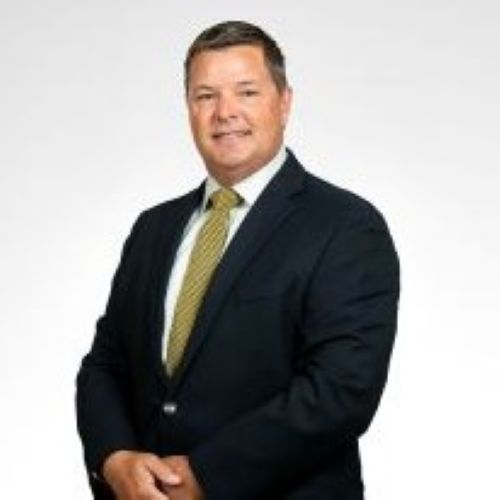
Eric D. Sanderson
is a seasoned legal and financial professional with a wealth of experience spanning over two decades. He dedicates his experience to overseeing legal, tax, trust, and financial strategies tailored for high-net-worth families. Mr. Sanderson's multifaceted skill set encompasses a broad spectrum of complex legal and financial issues, making him a trusted advisor for his clients. With a robust background as an attorney since 1994, he has honed his craft in contract law, business transactions, estate and trust planning and administration, tax law, mergers and acquisitions, real estate transactions, philanthropy, aviation, and corporate finance. Mr. Sanderson adeptly drafts contracts, leases, wills, trusts, and loan documents, and other agreements across diverse business sectors. He earned his J.D. degree from St. Mary's University School of Law and his LL.M. degree at the University of Denver, Sturm College of Law. Mr. Sanderson is admitted to practice in Colorado, Missouri and Texas.
Speaker bio
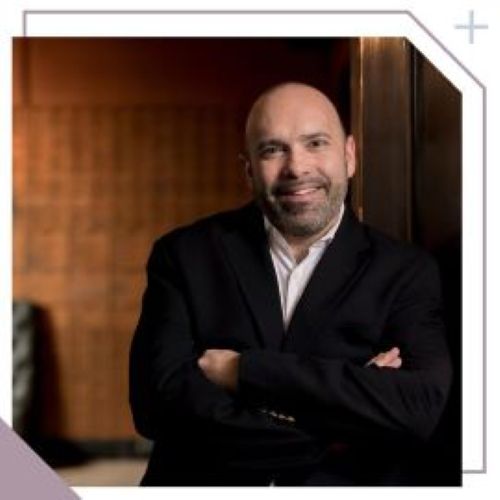
Philip Tortorich
is founder of Torch Law, P.C. He concentrates his practice in the areas of tax and estate planning matters, primarily representing ultra-high net worth individuals, and their closely-held corporate groups and family offices (single and multi-family). In addition, Mr. Tortorich handles all aspects of planning for captive insurance companies from concept and design to implementation, administration and ultimately winding down of the structure. He has been working in the captive insurance space for well over a decade and is one of only a few attorneys who handle both the income, estate, and gift tax aspects of captive insurance programs for closely-held middle-market businesses. Mr. Tortorich earned his J.D. degree, cum laude, from Loyola University Chicago School of Law, where he served as managing editor of the Consumer Law Review. He has an undergraduate degree from Loyola University Chicago, where he graduated with a Bachelor of Arts degree in political science, and minors in computer science and philosophy. Mr. Tortorich is admitted to practice in Illinois and before the U.S. District Court, Northern District of Illinois.
Speaker bio
Rosanne S. Horan
is the principal of Compass Law Group, LLC in St. Louis, focusing on estate planning, estate administration, and family law. She earned her B.A. degree in economics from University of Virginia, her M.B.A. degree in finance from the University of Missouri and her J.D. degree, cum laude, from Saint Louis University. Ms. Horan also served as the chief executive officer of a national financial planning firm. She is a member of The Missouri Bar and the State Bar of Wisconsin.
Speaker bio
P. Glen Smith
is the founder and lawyer at Lifescape Law & Development. He specializes in elder law, estate planning, special needs planning, mediation, and long-term care planning. Mr. Smith is a member of the National Academy of Elder Law Attorneys, Academy of Special Needs Planners and ElderCounsel. He is an accredited attorney by the Veterans Administration. Mr. Smith earned his MDiv degree from Nazarene Theological Seminary and his J.D. degree from University of Memphis-Cecil C. Humphreys School of Law.
TOP FAQs
Have more questions? Please Contact Us