

New York Probate Process: In 7 Simple Steps
Credits Available
| Credit | Status | Total | Until |
|---|---|---|---|
| Connecticut CLE |
|
6 Total | 06-05-2027 |
| New York CLE |
|
7 Total | 06-05-2028 |
| Pennsylvania CLE |
|
6 Total | 06-05-2027 |

Buy This Course
OnDemand Video
Course Book Download
Overview
Learn How to Handle Assets, Taxes, Personal Representatives, and More!
This step-by-step practical instruction offers essential knowledge of probate processes and best practices for handling each unique case effectively. Learn how to tackle crucial first steps; handle the personal executive; gather, value, and distribute all assets; and successfully complete the final accounting and tax returns. Arm yourself with the foundational knowledge and best practices you need to ensure a smooth administration from start to finish. Register today!
- Don't overlook anything important: confidently navigate critical first steps.
- Understand executor powers, duties, responsibilities, and compensation guidelines.
- Learn how to effectively marshal and inventory all assets.
- Pick up tips for validating, prioritizing, and satisfying creditor claims.
- Get practical guidance for post-mortem planning, trust administration, and tax hurdles.
- Put the decedent's affairs to rest by making distributions, filing the final tax return, and completing the final accounting.
- Discover how to litigate deed contests, lost or contested wills, fiduciary misconduct, and more.
Abbreviated Agenda
- Opening the Estate
- Preparing the Personal Representatives for the Job
- Managing the Estate: Valuations, Spousal Share, and More
- Addressing Creditor Claims
- Post-Mortem Tax Planning, Distributions, and Trust Administration
- Handling Estate Closing, Final Accounting, and Tax Returns
- Maintaining an Ethical Practice
- Resolving Disputes and Navigating Probate Litigation
Credit Details
Credits Available
| Credit | Status | Total | Until |
|---|---|---|---|
| Connecticut CLE |
|
6 Total | 06-05-2027 |
| New York CLE |
|
7 Total | 06-05-2028 |
| Pennsylvania CLE |
|
6 Total | 06-05-2027 |
Credit Details by Jurisdiction
CLE
Credits
Connecticut CLE Approved · 6 Total Credits
- 1 Ethics/Professionalism
Earn Until
OnDemand - Connecticut CLE - 6: Neither the Connecticut Judicial Branch nor the Commission on Minimum Continuing Legal Education approve or accredit CLE providers or activities. It is the opinion of NBI, Inc. that this activity qualifies for up to 6.0 self-study hours toward your annual CLE requirement in Connecticut, including 1.0 self-study hour(s) of ethics/professionalism.
Video Download - Connecticut CLE - 6: Neither the Connecticut Judicial Branch nor the Commission on Minimum Continuing Legal Education approve or accredit CLE providers or activities. It is the opinion of NBI, Inc. that this activity qualifies for up to 6.0 self-study hours toward your annual CLE requirement in Connecticut, including 1.0 self-study hour(s) of ethics/professionalism.
New York CLE Approved · 7 Total Credits
- 6 Areas of Professional Practice
- 1 Ethics/Professionalism
Earn Until
OnDemand - New York CLE - 7: This nontraditional format course has been approved in accordance with the requirements of the New York State Continuing Legal Education Board for up to 7.0 credit hours. 6.0 hours can be applied to the areas of professional practice requirement and is approved for newly admitted attorneys. 1.0 hour can be applied toward the Ethics/Professionalism requirement and is approved for experienced attorneys. NBI, Inc. offers a Financial Hardship Policy for qualifying individuals. To apply, please submit a request via email to our Tuition Discount Committee at customerservice@nbi-sems.com.
Video Download - New York CLE - 7: This nontraditional format course has been approved in accordance with the requirements of the New York State Continuing Legal Education Board for up to 7.0 credit hours. 6.0 hours can be applied to the areas of professional practice requirement and is approved for newly admitted attorneys. 1.0 hour can be applied toward the Ethics/Professionalism requirement and is approved for experienced attorneys. NBI, Inc. offers a Financial Hardship Policy for qualifying individuals. To apply, please submit a request via email to our Tuition Discount Committee at customerservice@nbi-sems.com.
Pennsylvania CLE Approved · 6 Total Credits
- 1 Ethics
Earn Until
OnDemand - Pennsylvania CLE - 6: This program has been approved by the Pennsylvania Continuing Legal Education Board. This program may qualify for up to 6.0 hours of distance learning credit, including 5.0 hours of substantive law, practice and procedure CLE credit and 1.0 hour of ethics, professionalism or substance abuse distance learning CLE credit. No more than 6.0 hours of distance learning CLE credit may be earned during a reporting period.
Video Download - Pennsylvania CLE - 6: This program has been approved by the Pennsylvania Continuing Legal Education Board. This program may qualify for up to 6.0 hours of distance learning credit, including 5.0 hours of substantive law, practice and procedure CLE credit and 1.0 hour of ethics, professionalism or substance abuse distance learning CLE credit. No more than 6.0 hours of distance learning CLE credit may be earned during a reporting period.
Select Jurisdiction
CLE
Agenda
-
Opening the Estate
- What to Do in the First 48 Hours
- Obtaining the Will and Getting it Admitted
- Locating and Notifying the Beneficiaries
- Determining if the Estate Qualifies for a Small Estate Administration
- The Estate Timeline - What Must be Done When
- Filing the Initial Petition With the Probate Court: Forms and Procedures
- Closing the Decedent's Accounts
- Obtaining the Estate Tax ID
- Laws of Intestacy
-
Preparing the Personal Representatives for the Job
- Educating PRs on Their Duties, Powers, and Responsibilities
- Compiling Personal Representative Guide/Instructions
- Clarifying Executor Compensation
- Advising PRs on Potential Problems and Liability
-
Managing the Estate: Valuations, Spousal Share, and More
- Marshalling and Valuing Decedent's Assets
- Initial Inventory
- Maintenance and Management
- Determining and Disclaiming Elective Share
- Calculation of Fiduciary Commissions
- Estate Expenses: Payment and Record-Keeping
- What to Do With the Income the Estate is Producing
-
Addressing Creditor Claims
- The 7 Month Creditors' Period
- Validating Claims; Litigating Creditors' Claims
- Determining the Priority of Creditor Rights
- Selling Property to Satisfy Claims: What to Sell, How to Do it, and How to Properly Record it
- Satisfying Tax Claims and Liens
-
Post-Mortem Tax Planning, Distributions, and Trust Administration
- Managing the Tax Consequences of Elections and Receipt of Non-Probate Assets (e.g. IRA Distributions)
- Tax Implications of Transfers
- Creating Trusts and Subtrusts for Multiple Beneficiaries to Receive Their Shares of the Estate
- What to Do With Bequests and Trust Distributions to Minors
- Post-Mortem Tax Planning Approaches: How Much Maneuver Room is Left?
- How to Calculate the Omitted Spouse Share or Omitted Child Share
- Guarding Disabled Adult Beneficiaries' Benefits Eligibility
-
Handling Estate Closing, Final Accounting, and Tax Returns
- Tax Returns and Deadlines - Estate and Income, State and Federal, Decedent's and the Estate's
- Informal Closing by Statement of Personal Representative
- Compiling and Balancing the Final Account
- Final Distributions to Beneficiaries and Liability of Distributees
- Closing the Estate and Discharging the Fiduciary
-
Maintaining an Ethical Practice
- Whom do You Represent? Conflicts of Interest
- Protecting Client Confidentiality
- Attorney Fees
- Practicing Law in More Than One State
-
Resolving Disputes and Navigating Probate Litigation
- Will Contests, Allegations of Undue Influence and Other Causes of Action
- SCPA 2103 Turnover Proceedings
- Kinship Hearings, Genealogist Issues, etc.
- Fiduciary Misconduct, Liability
- Effective Approaches to Resolving Disputes Without Going to Court
Who Should Attend
This basic level online seminar is designed for:
- Attorneys
- Accountants
- Tax Professionals
- Trust Officers
- Executors and Other Fiduciaries
- Paralegals
Speakers
Speaker bio
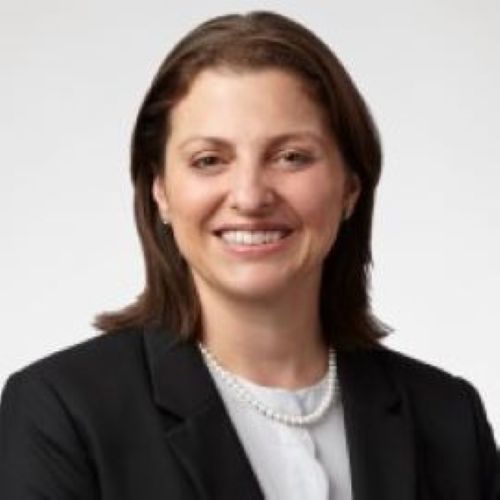
Kimberly S. Bliss
is a partner at Falcon Rappaport & Berkman LLP. She counsels individuals and families on trusts and estates issues, focusing on gift and estate tax matters, special needs planning, elder law, and estate administration. Ms. Bliss is particularly adept at assisting clients in settling the estates of their loved ones, advising on long-term care needs and navigating and applying for Medicaid benefits. Before practicing law, she worked at White Plains Hospital for ten years and draws upon her health care experience to inform and strengthen her elder law practice. Ms. Bliss earned her B.A. degree from Purchase College and her J.D. degree, summa cum laude, from Pace University School of Law. She is a member of the New York State Bar Association (Trusts and Estates Section), New York State Bar Association (Elder Law Section), American Bar Association, Westchester County Bar Association, and Westchester Women's Bar Association. Ms. Bliss is admitted to practice law in New York.
Speaker bio
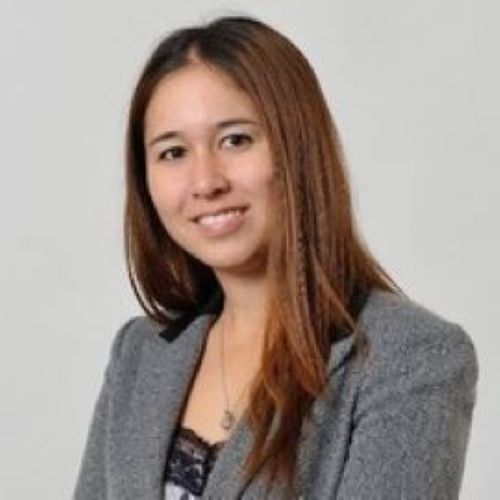
Matthew E. Rappaport
chairs Falcon Rappaport & Berkman LLP's Taxation and Private Client groups. He concentrates his practice in taxation as it relates to real estate, closely held businesses, private equity funds, family offices, and trusts and estates. Mr. Rappaport advises clients regarding tax planning, structuring and compliance for commercial real estate projects, all stages of the business life cycle, generational wealth transfer, family business succession, and executive compensation. He also collaborates with other attorneys, accountants, financial advisors, bankers, and insurance professionals when they encounter matters requiring a threshold level of tax law expertise. Mr. Rappaport earned his J.D. degree and his Master of Laws in taxation from Georgetown University Law Center. He is a member and admitted to practice in the state of New York and the U.S. Tax Court.
Speaker bio
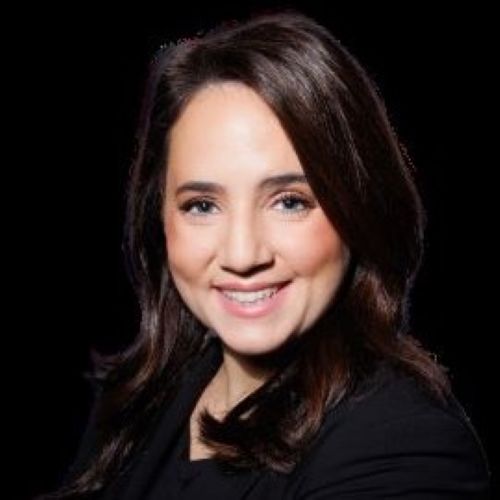
Michele Schlereth
is a founding partner of Falcon Rappaport & Berkman LLP. She brings vast expertise as a business advisor regarding all aspects of taxation, with a concentration in trusts and estates. Ms. Schlereth's diverse experience and education bring clients a high quality of expertise in succession planning along with structuring for future needs. Her areas of expertise include but are not limited to: succession planning including estate and gift, trust, private foundation, individual, small businesses, investment partnerships, tax controversy, and fiduciary accountings. In addition to being a partner at FRB, Ms. Schlereth leads Schlereth Tax and Accounting Group LLC, a full-service tax firm. She has also taught multiple sessions of estate and gift taxation to masters in taxation students as an adjunct professor at her alma mater SUNY Old Westbury. Ms. Schlereth earned her associate's degree from the State University of New York, Nassau Community College, her B.S. degree from the State University of New York at Old Westbury, her Masters in Taxation from the State University of New York at Old Westbury and her J.D. degree from Touro College Jacob D. Fuchsberg Law Center. She is a member of the American Bar Association, New York State Bar Association, AICPA, and NYSCPA. Ms. Schlereth is admitted to practice law in New York.
Speaker bio
Karen C. Davakis
is senior counsel in Falcon Rappaport & Berkman LLP's Estate Litigation and Contested Accountings Practice Group, specializing in complex trusts and estates litigation. She advises both proponents and objectants in contested probate, kinship, accounting, fiduciary removal, turnover, and related trusts and estates proceedings. Ms. Davakis also works alongside FRB's Estate Administration and Estate Planning Attorneys to assist clients in mitigating the risk of future litigation. In addition to her litigation practice, she is regularly appointed by the court to serve as a guardian ad litem in Surrogate's Court matters, representing the interests of minors, individuals under a disability, and other parties who are unable to represent themselves. Ms. Davakis earned her B.S.B.A. degree from The Ohio State University, Fisher College of Business and her J.D. degree from Western Michigan University Thomas M. Cooley Law School. She is a member of the New York State Bar Association (Trust and Estates Section), New York City Bar Association, and Nassau County Bar Association (Trusts and Estates Section). Ms. Davakis is also an advisory board member of Forbes Advisor Legal. She is admitted to practice law in New York.
Speaker bio
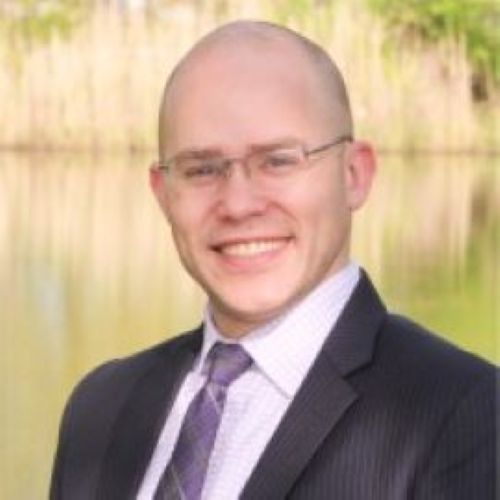
Keith D. Black
is a partner at Falcon Rappaport & Berkman LLP. He advises clients on a broad range of trusts and estates matters, including estate and trust planning, administration and litigation. From 2008 through 2019, Mr. Black headed his own law firm and expanded his practice to include guardianships, elder law, planning for persons with special needs, and real estate. His practice also encompassed representing high-net-worth individuals, trusts, estates, family businesses and foundations in sophisticated tax planning and administration. As a litigator, Mr. Black's practice developed to include probate contests, accounting and kinship proceedings, discovery and turnover proceedings, trust invalidation proceedings, and proceedings to suspend and remove fiduciaries. He frequently receives appointments by the Surrogate's Courts as a guardian ad litem to represent minors and other persons with a disability in Surrogate's Court proceedings. Mr. Black earned his B.S. degree from Binghamton University and his J.D. degree from Touro University Jacob D. Fuchsberg Law Center. He is a member of the Nassau Lawyers' Association of Long Island, Inc., New York State Bar Association, and Nassau County Bar Association. Mr. Black is admitted to practice law in New York.
TOP FAQs
Have more questions? Please Contact Us