

Income Taxation of Trusts, Estates, and Individuals
Credits Available
| Credit | Status | Total | Until |
|---|---|---|---|
| Alaska CLE |
|
6 Total | 06-27-2027 |
| Alabama CLE |
|
6 Total | 12-31-2025 |
| Arkansas CLE |
|
6 Total | 06-30-2026 |
| Arizona CLE |
|
6 Total | 06-27-2027 |
| California CLE |
|
6 Total | 06-27-2027 |
| Colorado CLE |
|
7 Total | 12-31-2027 |
| Connecticut CLE |
|
6 Total | 06-27-2027 |
| Delaware CLE |
|
6 Total | 06-27-2027 |
| Florida CLE |
|
7 Total | 12-31-2026 |
| Georgia CLE |
|
6 Total | 12-31-2025 |
| Hawaii CLE |
|
6 Total | 06-27-2027 |
| Iowa CLE |
|
6 Total | 06-27-2026 |
| Idaho CLE |
|
6 Total | 06-27-2030 |
| Illinois CLE |
|
6 Total | 06-26-2027 |
| Indiana CLE |
|
6 Total | 06-27-2026 |
| Kansas CLE |
|
7 Total | 06-26-2026 |
| Kentucky CLE |
|
6 Total | 06-30-2026 |
| Louisiana CLE |
|
6 Total | 06-27-2026 |
| Maine CLE |
|
6 Total | 06-26-2027 |
| Minnesota CLE |
|
6 Total | 06-27-2027 |
| Missouri CLE |
|
6 Total | 06-27-2027 |
| Northern Mariana Islands CLE |
|
6 Total | 06-27-2027 |
| Mississippi CLE |
|
6 Total | 07-31-2026 |
| Montana CLE |
|
6 Total | 06-27-2028 |
| North Carolina CLE |
|
6 Total | 02-28-2026 |
| North Dakota CLE |
|
6 Total | 06-27-2028 |
| Nebraska CLE |
|
6 Total | 06-27-2027 |
| New Hampshire CLE |
|
6 Total | 06-27-2028 |
| New Jersey CLE |
|
7.2 Total | 03-21-2026 |
| New Mexico CLE |
|
6 Total | 06-27-2027 |
| Nevada CLE |
|
6 Total | 06-27-2028 |
| New York CLE |
|
7 Total | 06-27-2028 |
| Ohio CLE |
|
6 Total | 12-31-2025 |
| Oklahoma CLE |
|
7 Total | 12-11-2026 |
| Oregon CLE |
|
6 Total | 06-27-2028 |
| Pennsylvania CLE |
|
6 Total | 06-27-2027 |
| South Carolina CLE |
|
6 Total | 12-31-2025 |
| Tennessee CLE |
|
6 Total | 06-26-2027 |
| Texas CLE |
|
6 Total | 05-27-2026 |
| Utah CLE |
|
6 Total | 12-31-2025 |
| Vermont CLE |
|
6 Total | 06-27-2027 |
| Washington CLE |
|
6 Total | 06-26-2030 |
| Wisconsin CLE |
|
7 Total | 12-31-2026 |
| West Virginia CLE |
|
7.2 Total | 06-27-2027 |
| Wyoming CLE |
|
6 Total | 03-26-2026 |

Buy This Course
OnDemand Video
Video Download
Course Book Download
or
Overview
Actionable Tax Tips for Estate Planning
Income tax is one of the top priority drivers when it comes to wealth preservation and transfer. Get the fundamental overview of income taxation of trusts and estates and practical guidance on planning tools to control tax burdens. Register today!
- Get an update on the governing laws and regulations.
- Distinguish between taxable and accounting income.
- Explore common trust deductions and learn how to claim them correctly.
- Review the key income tax forms and checklists to prevent inconsistencies and errors.
- Learn how the estate's deductions and administrative expenses are properly recorded.
- Guard your professional reputation with a tailored legal ethics instruction.
Abbreviated Agenda
- Relevant Tax Laws Overview and Update
- Checklist of Tax Issues to Consider when Drafting the Estate Plan
- Types of Trusts and How They're Taxed
- Taxable Income Calculations
- Trust Deductions, Elections, Expenses
- Who Owns the Income at the Death of the Decedent?
- Form 1041 and Schedule K-1 Preparation: What You Need to Know
- Legal Ethics
- Deductions and Expenses of an Estate
Credit Details
Credits Available
| Credit | Status | Total | Until |
|---|---|---|---|
| Alaska CLE |
|
6 Total | 06-27-2027 |
| Alabama CLE |
|
6 Total | 12-31-2025 |
| Arkansas CLE |
|
6 Total | 06-30-2026 |
| Arizona CLE |
|
6 Total | 06-27-2027 |
| California CLE |
|
6 Total | 06-27-2027 |
| Colorado CLE |
|
7 Total | 12-31-2027 |
| Connecticut CLE |
|
6 Total | 06-27-2027 |
| Delaware CLE |
|
6 Total | 06-27-2027 |
| Florida CLE |
|
7 Total | 12-31-2026 |
| Georgia CLE |
|
6 Total | 12-31-2025 |
| Hawaii CLE |
|
6 Total | 06-27-2027 |
| Iowa CLE |
|
6 Total | 06-27-2026 |
| Idaho CLE |
|
6 Total | 06-27-2030 |
| Illinois CLE |
|
6 Total | 06-26-2027 |
| Indiana CLE |
|
6 Total | 06-27-2026 |
| Kansas CLE |
|
7 Total | 06-26-2026 |
| Kentucky CLE |
|
6 Total | 06-30-2026 |
| Louisiana CLE |
|
6 Total | 06-27-2026 |
| Maine CLE |
|
6 Total | 06-26-2027 |
| Minnesota CLE |
|
6 Total | 06-27-2027 |
| Missouri CLE |
|
6 Total | 06-27-2027 |
| Northern Mariana Islands CLE |
|
6 Total | 06-27-2027 |
| Mississippi CLE |
|
6 Total | 07-31-2026 |
| Montana CLE |
|
6 Total | 06-27-2028 |
| North Carolina CLE |
|
6 Total | 02-28-2026 |
| North Dakota CLE |
|
6 Total | 06-27-2028 |
| Nebraska CLE |
|
6 Total | 06-27-2027 |
| New Hampshire CLE |
|
6 Total | 06-27-2028 |
| New Jersey CLE |
|
7.2 Total | 03-21-2026 |
| New Mexico CLE |
|
6 Total | 06-27-2027 |
| Nevada CLE |
|
6 Total | 06-27-2028 |
| New York CLE |
|
7 Total | 06-27-2028 |
| Ohio CLE |
|
6 Total | 12-31-2025 |
| Oklahoma CLE |
|
7 Total | 12-11-2026 |
| Oregon CLE |
|
6 Total | 06-27-2028 |
| Pennsylvania CLE |
|
6 Total | 06-27-2027 |
| South Carolina CLE |
|
6 Total | 12-31-2025 |
| Tennessee CLE |
|
6 Total | 06-26-2027 |
| Texas CLE |
|
6 Total | 05-27-2026 |
| Utah CLE |
|
6 Total | 12-31-2025 |
| Vermont CLE |
|
6 Total | 06-27-2027 |
| Washington CLE |
|
6 Total | 06-26-2030 |
| Wisconsin CLE |
|
7 Total | 12-31-2026 |
| West Virginia CLE |
|
7.2 Total | 06-27-2027 |
| Wyoming CLE |
|
6 Total | 03-26-2026 |
Select Jurisdiction
CLE
Agenda
-
Relevant Tax Laws Overview and Update
- Gift, GST, Estate Tax Rates and Exemptions
- Portability
- How Trusts are Taxed
- State Trust Decanting Statutes
- When a Trust can Use a Grantor's Tax ID and When it Needs its Own ID
- The SECURE Act and Its Tax Effects
-
Checklist of Tax Issues to Consider when Drafting the Estate Plan
-
Types of Trusts and How They're Taxed
- Revocable vs. Irrevocable
- Simple vs. Complex Trusts
- Intervivos vs. Testamentary
- Grantor Trust Toggling
- Trust Asset Valuation and Tax Consequences
-
Taxable Income Calculations
- Taxable Income vs. Accounting Income
- Calculating the Distributable Net Income
- Tax Consequences of Distributions
- Accumulation Distributions for Some Complex Trusts
- Discretionary Distributions in Lieu of Tax
-
Trust Deductions, Elections, Expenses
- TCJA Changes to Trust Tax Deductions
- Choosing the Estate's Taxable Year
- Recognizing Expenses
- Qualifying for the 199A 20% Deduction
- Tax Implications of a Trust Becoming Irrevocable
- Tax Elections and Other Post-Mortem Planning
-
Who Owns the Income at the Death of the Decedent?
- Probate Assets
- Life Insurance
- Retirement Benefits
- Survivorship and Payable on Death Accounts
- Income in Respect of Decedent
-
Form 1041 and Schedule K-1 Preparation: What You Need to Know
-
Legal Ethics
- Guarding Confidentiality
- Engagement Agreements
- Attorney Fees and Client Trust Accounts
- Conflicts of Interest
- Attorneys Acting as Fiduciaries
-
Deductions and Expenses of an Estate
- Checklist of Tax Considerations at the Death of the Client
- Income Tax Reporting at Estate Administration
- Transfer Taxes
- Executor Compensation and Other Fiduciary Fees
- Charitable Deductions
- Allowable Administrative Expenses of the Estate
Who Should Attend
This program is geared for attorneys. Accountants, estate planners, trust officers, tax professionals, and paralegals may also benefit.
Speakers
Speaker bio
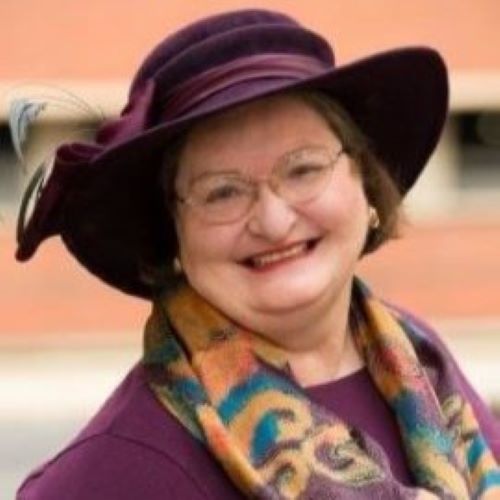
Patti S. Spencer
is an attorney with Metzger and Spencer, LLP and Spencer Law Firm LLC in Lancaster, Pennsylvania, where she provides experience and depth in estate planning, trust and estate administration, complex tax consulting, charitable gift planning, wealth transfer vehicles and retirement plan consulting, and expert witness testimony. Ms. Spencer taught estate and gift tax for eight years as an adjunct professor at Boston University in the LL.M. program, and also was a former professor of trusts and estates at Boston University School of Law. In addition, she has spoken numerous times on topics related to her areas of expertise. Ms. Spencer is the author of a weekly column Taxing Matters, which appeared in the Lancaster Intelligencer Journal's Business Monday Section for 14 years. She also has written Pennsylvania Estate Planning, Wills and Trusts Library: Forms and Practice Manual, Data Trace, which is updated annually. Ms. Spencer earned her B.A. degree from Dickinson College, her J.D. degree from Boston University and her LL.M. degree from Boston University. She is a fellow of the American College of Trust and Estate Counsel.
Speaker bio
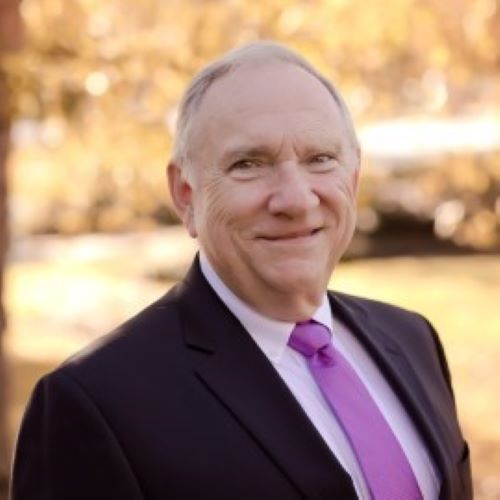
William J. Dutel
is the owner and managing attorney of Dutel Law Firm. He focuses his practice in wills, trusts and estates, and successions, as well as will, succession and trust litigation. Mr. Dutel also represents businesses and their owners, and handles business litigation. He lectures to various groups on estate planning, wills, successions and trusts, and related litigation. Mr. Dutel is a member of the 22nd Judicial District Court Bar Association, Louisiana State Bar Association, Kentucky Bar Association and the American Bar Association. He is admitted to practice in Louisiana and Kentucky. Mr. Dutel earned his B.S. degree in accounting from the University of New Orleans and his J.D. degree from Tulane University School of Law.
Speaker bio
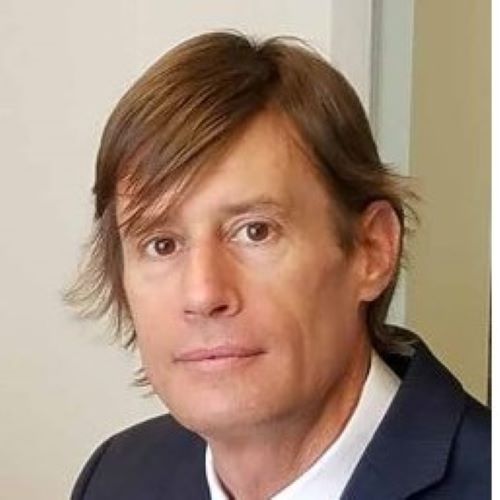
Robert B. Keyser, II
is the founding member of the estate, tax and business planning boutique firm, Robert B. Keyser II, LLC, based in Colorado Springs, Colorado. He provides counsel in the areas of income, estate and gift tax planning, and business planning to high-net-worth individuals and families. Mr. Keyser prepares advanced estate planning documents such as qualified personal residence trusts, family limited partnerships, life insurance trusts, generation skipping trusts, charitable trusts, private foundations, grantor retained annuity trusts, intentionally defective grantor trusts, and complex wills. He handles various business transactional matters requiring the preparation of agreements for stock redemption, mergers, employment, stock buy-sell, partnership and limited liability company arrangements, non-qualified plans, and trusts. Mr. Keyser taught business law and accounting at the University of Colorado's Colorado Springs campus from 2004 to 2017. He earned his B.A. degree from Colorado University, his J.D. degree from the University of Denver College of Law and his LL.M. degree in taxation from the University of Denver Graduate Tax Program.
Speaker bio
Carl C. Fiore
is a managing director in the Andersen US National Tax office, where he focuses on gift, estate, individual, charitable and fiduciary tax consulting and compliance matters. Mr. Fiore has worked with numerous families and closely held businesses to develop and implement wealth maximization plans through the use of family entities, income tax planning, stock option planning, charitable giving strategies, and effective gift and estate tax planning. His primary practice areas are gift and estate planning, charitable planning, planning for same-sex couples, and fiduciary income tax. Mr. Fiore also has experience in federal and state income tax consulting and compliance for individuals, partnerships, fiduciaries, estates, corporations, and private foundations. He is a lead member of the firm's estate planning group, which has extensive experience in serving the estate, gift, and fiduciary tax consulting and compliance needs of corporate and private trustees, as well as individuals. Along with numerous speaking engagements, Mr. Fiore also has been published in Trusts & Estates, Metropolitan Corporate Counsel and TaxStringer. Before joining Andersen Tax, he worked in the private client services practice of an international professional services firm, and as a trusts and estates associate at a national law firm. Mr. Fiore earned his B.A. degree from Hamilton College, his J.D. degree from St. John's School of Law and his LL.M. degree in estate planning from the University of Miami School of Law. He is a member of the New York State Bar Association and the American Bar Association.
Speaker bio
Johnnie J. James, III
is an attorney at The Law Office of Johnnie James, PLLC. He specializes in business, criminal defense, DUI law, copyright, estate planning, entertainment, intellectual property, legal consulting, personal injury, and trademark law. Within estate planning, Mr. James focuses on key elements such as wills, trusts, power of attorney, and beneficiary designations ensure assets are distributed according to your wishes while minimizing tax burdens. He earned his degree from The University of Oklahoma and his J.D. from Charlotte School of Law. He is admitted to practice law in Oklahoma and before the U.S. District Court, Northern District of Oklahoma.
TOP FAQs
Have more questions? Please Contact Us