

New York Trusts Guide
Credits Available
| Credit | Status | Total | Until |
|---|---|---|---|
| Connecticut CLE |
|
6 Total | 08-12-2027 |
| New York CLE |
|
7 Total | 08-12-2028 |
| Pennsylvania CLE |
|
6 Total | 08-12-2027 |
Buy This Course
OnDemand Video
Course Book Download
Overview
Explore the Building Blocks of Estate Plans
This practical introduction to trusts will help you build a better understanding of how they're chosen, created, and used. Break down the different types of trusts, the trust language used in drafting and case law, key tax planning and reporting issues, and essential trust administration tasks. Be prepared for specific challenges associated with various types of trusts by understanding their unique characteristics. Register today!
- Master essential trust principles.
- Explore top trusts currently in practice: their unique features, requirements, and uses.
- Identify key revocable trust mistakes and get guidance for preventing problems.
- Explore tax saving tactics tailored to unique client needs.
- Get suggestions for the use of specific language in trusts.
- Clarify the requirements for the formation of a special needs trust.
- Come away with practical examples and trust language needed to put your new knowledge to use right away.
Abbreviated Agenda
- Introduction to Trusts: Main Terms, Concepts, Parties
- Revocable Living Trusts
- Special Needs Trusts (SNTs) Structures and Uses (With Sample Trust Language)
- Other Unique Trust Structures of Note
- Taxation and Tax Consequences of Trusts
- Irrevocable Trusts: Essential Uses and Key Provisions
- Trust Administration Basics
- Legal Ethics of the Trusts Practice
Credit Details
Credits Available
| Credit | Status | Total | Until |
|---|---|---|---|
| Connecticut CLE |
|
6 Total | 08-12-2027 |
| New York CLE |
|
7 Total | 08-12-2028 |
| Pennsylvania CLE |
|
6 Total | 08-12-2027 |
Select Jurisdiction
CLE
Agenda
-
Introduction to Trusts: Main Terms, Concepts, Parties
- Main Terms and Concepts Defined
- State and Federal Laws Governing the Creation and Administration of Trusts
- State and Local Tax and Property Laws Affecting Trust Drafting
- Who Are the Main Parties? Their Duties and Responsibilities to a Trust
- Clarifying Reasons for Drafting a Trust
- Deciding Which Type of Trust to Use
- Top Trust Uses for Non-Taxable Estates
-
Revocable Living Trusts
- Testamentary vs. Revocable Trusts (and Pourover Wills)
- Drafting Tips and Samples
- Common Mistakes to Avoid
- Qualified Terminable Interest Trusts (QTIPs)
- Tax Consequences and Planning
- When a Revocable Trust Becomes Irrevocable
-
Special Needs Trusts (SNTs) Structures and Uses (With Sample Trust Language)
- The Types of Special Needs Trusts and Their Specific Purposes
- Who Can Be the Beneficiary
- Protecting Benefits Eligibility
- Drafting Tips and Sample Trust Provisions
- Maximizing Allowable Expenses
-
Other Unique Trust Structures of Note
- Charitable Trusts
- IRA Trusts After the SECURE Act
- Generation-Skipping/Dynasty Trusts
- Medicaid Qualifying Income-Only Trusts (Miller Trusts)
- Pet Trusts
- Cabin Trusts
- Irrevocable Life Insurance Trusts
- NFA Gun Trusts
- Incomplete Non-Grantor Trusts
-
Taxation and Tax Consequences of Trusts
- State and Federal Tax Laws Update
- Tax Reporting: Accounting vs. Distributable vs. Taxable Income
- Fiduciary Tax Returns
- Tax Basis in the Assets
- Tax Consequences of Trustee Investment, Distributions, and Other Activity
- Trusts Used for Tax Reduction
- Marital Trusts After ATRA and TCJA
- Grantor Trusts and Grantor Trust Status Toggling
- Trusts in Estate Administration
-
Irrevocable Trusts: Essential Uses and Key Provisions
- Unique Features of Irrevocable Trusts
- Trust Language Review
- Types of Irrevocable Trusts and Their Uses
-
Trust Administration Basics
- Trust Funding and Trust Assets Management
- Laws Governing the Administration of Trusts
- Administration Expenses and Trustee Compensation
- Distributions and Accountings
- Trust Modification, Decanting, and Constructive Trusts
- Common Disputes
-
Legal Ethics of the Trusts Practice
- Who is Your Client?
- Confidentiality in Third Party Communications
- Assessing the Client's Capacity
- Avoiding Fraudulent Transfers
Who Should Attend
This basic level online seminar is designed for the professionals involved in creating and administering trusts:
- Attorneys
- Accountants and CPAs
- Trust Officers
- Tax Managers
- Wealth Managers
Speakers
Speaker bio
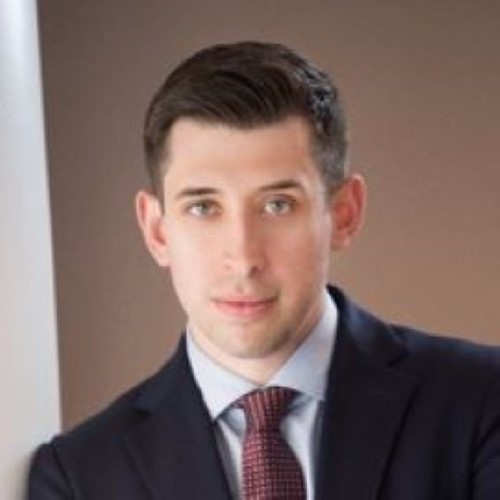
Matthew E. Rappaport
chairs Falcon Rappaport & Berkman LLP's taxation and private client groups. He concentrates his practice in taxation as it relates to real estate, closely held businesses, private equity funds, family offices, and trusts and estates. Mr. Rappaport advises clients regarding tax planning, structuring and compliance for commercial real estate projects, all stages of the business life cycle, generational wealth transfer, family business succession, and executive compensation. He also collaborates with other attorneys, accountants, financial advisors, bankers, and insurance professionals when they encounter matters requiring a threshold level of tax law expertise. Mr. Rappaport earned his J.D. degree and his Master of Laws in taxation from Georgetown University Law Center. He is a member and admitted to practice in the state of New York and the U.S. Tax Court.
Speaker bio
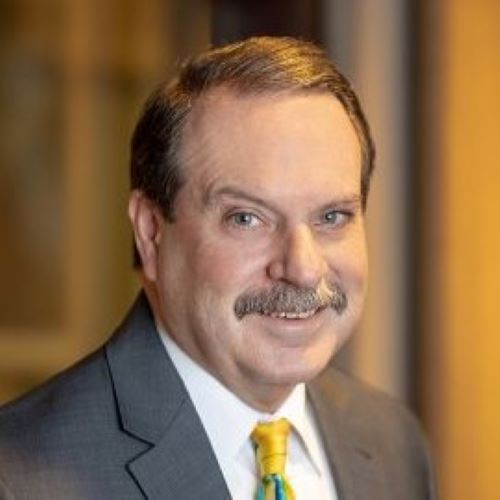
Edward C. Robinson
is a sole practitioner with an office located in Buffalo, NY. He has approximately 40 years of experience practicing in the areas of estate planning and estate administration. Mr. Robinson has over 30 years of experience in his Elder Law practice. He is a member of the New York State Bar Association, the Erie County Bar Association and the Western New York Estate Planning Council. Mr. Robinson is a past President of the Estate Planning Counselors of Western New York and a past Vice President of the Center for Elder Law and Justice. He is a frequent lecturer in the areas of estate planning, estate administration and elder law.
Speaker bio
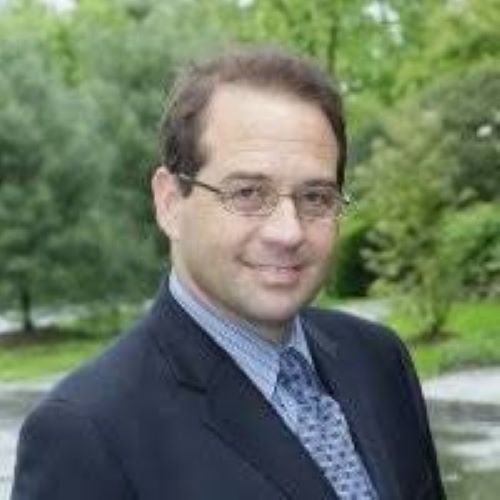
Anthony C. Markus
is a partner of Markus & Sheridan, LLP. He has been effective in creating comprehensive trust and estate documents for his clients that diminish estate taxes, preserve the proper distribution of assets, and ensure that his clients' finances are properly managed for the future. Mr. Markus has also handled hundreds of divorce matters to successful conclusion through various methods including negotiated settlements, collaborative practices, and litigation. He is a co-author of New York Association of Collaborative Professionals Protocols of Practice, and is a board member of the New York Association of Collaborative Professionals and International Association of Collaborative Professionals. Mr. Markus also serves as town justice for the Village of Mount Kisco, New York. He graduated, cum laude, from Fairleigh Dickinson University and earned his J.D. degree from Pace University School of Law.
TOP FAQs
Have more questions? Please Contact Us