

Buy This Course
OnDemand Video
Course Book Download
Overview
Understand Tax Consequences and Opportunities of Key Estate Planning Tools
This course offers a straightforward overview of trust tax consequences and planning strategies that will help you minimize tax burdens and ensure IRS compliance. Identify key trust structures that work and don't. Predict tax effects of trusts on grantors and estates. Learn how income tax is incurred, calculated, and reported. Build a solid tax foundation for your practice. Register today!
- Get a clear overview of current trust and tax laws.
- Understand tax treatment and consequences of top trust structures.
- Avoid unnecessary tax burden with effective delineation of income and principle.
- Understand how the legal aspects of trusts affect accounting.
- Learn what must and should be done with trust tax returns.
- Evaluate existing trusts for their effectiveness in minimizing tax.
- Get a practical overview of what happens and what can be done when a trust becomes irrevocable.
- Guard your professional reputation with a custom-tailored legal ethics guide for your practice.
Abbreviated Agenda
- State and Federal Tax Rules Update
- Types of Trusts and How They're Taxed Under the New Tax Laws
- Trusts Created for Tax Reduction - What Works and What Doesn't
- Gift Taxation of Donations and Other Transfers of Trusts
- What Happens When a Trust Becomes Irrevocable
- Trust Taxation: Income, Capital Gains, Distributions
- Legal Ethics in Trusts Practice
Credit Details
Credits Available
| Credit | Status | Total | Until |
|---|---|---|---|
| Ohio CLE |
|
6.75 Total | 12-31-2026 |
Credit Details by Jurisdiction
CLE
Credits
Ohio CLE Approved · 6.75 Total Credits
- 1 Professional Conduct
Earn Until
OnDemand - Ohio CLE - 6.75: This course has been approved by the Supreme Court of Ohio Commission on Continuing Legal Education for 6.75 self-study CLE credit hours, including 1.0 hour of attorney professional conduct instruction.
Video Download - Ohio CLE - 6.75: This course has been approved by the Supreme Court of Ohio Commission on Continuing Legal Education for 6.75 self-study CLE credit hours, including 1.0 hour of attorney professional conduct instruction.
Select Jurisdiction
CLE
Agenda
-
State and Federal Tax Rules Update
- Income, Capital Gains, and Tax Basis Step-Up
- Estate, Gift, GST Tax, and Portability
- SECURE Act, TCJA, CARES Act, ARP Act, and Other Recent Federal Laws
- Trust Tax Deductions: New Rules You Need to Know
- New Charitable Gift Substantiation Rules
- State Trust Decanting Statutes
-
Types of Trusts and How They're Taxed Under the New Tax Laws
- Revocable vs. Irrevocable
- Simple vs. Complex Trusts
- Intervivos vs. Testamentary
- Grantor Trust Status and Reporting (Obtaining Grantor Status, Toggling it On and Off, Federal and State Requirements)
- Trust Asset Valuation and Tax Consequences
-
Trusts Created for Tax Reduction - What Works and What Doesn't
- Fixing Obsolete Irrevocable Trusts
- Marital Trusts
- Charitable Trusts
- Defective Grantor Trusts
- IRA Trusts
- QPRTs Today
- GST Trust Provisions
- Other Tax-Efficient Trust Structures and Provisions
- Drafting for Flexibility to Respond to Future Tax Law Changes
-
Gift Taxation of Donations and Other Transfers of Trusts
- Gift Tax
- Generation-Skipping Transfer Tax
- Valuation Discounts
- Lifetime Exemption Amounts and Portability
- Marital Deduction, QTIP
- Annual Exclusion Gifts
- Filing of IRS Form 709
-
What Happens When a Trust Becomes Irrevocable
-
Trust Taxation: Income, Capital Gains, Distributions
- When a Trust can Use a Grantor's Tax ID and When it Needs Its Own Tax ID
- Structuring Trust Income Taxation
- Accounting vs. Taxable Income: Taxable Income Calculations
- Distributable Net Income
- Capital Gains Tax
- Basis Management
- Trust Deductions, Elections, Expenses
- Qualifying for the 199A 20% Deduction
- Discretionary Distributions in Lieu of Tax
- Tax Consequences of Distributions
- Accumulation Distribution for Some Complex Trusts
- Form 1041 Preparation
- Tax Elections and Other Post-Mortem Tax Planning
-
Legal Ethics in Trusts Practice
- Guarding Confidentiality
- Conflicts of Interest When Representing Couples
- Fiduciary Liability for Nonpayment of Taxes
Who Should Attend
This basic level online seminar is designed for:
- Attorneys
- Accountants
- Financial Planners
- Tax Professionals
- Trustees and Trust Protectors
- Fiduciaries
- Estate Planners
- Paralegals
Speakers
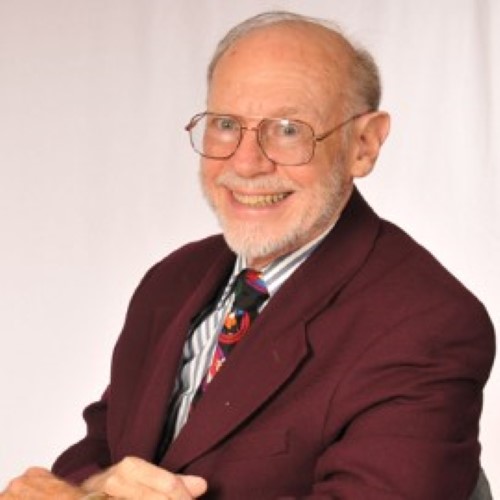


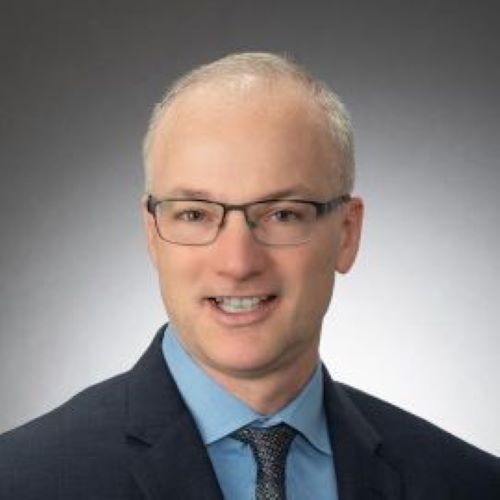
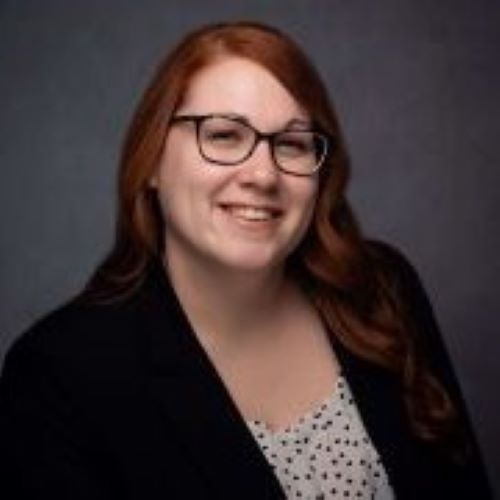
Speaker bio
E. Dale Searcy
is a Professor of Law Emeritus at the University of Dayton School of Law, where he has taught for more than 30 years, specializing in income tax, estate and gift tax, wills and trusts, and estate planning. He has advised the Tax Moot Court teams and the Phi Delta Phi legal professional fraternity, and founded and advised the Volunteer Income Tax Assistance (VITA) program. The law school student body has selected him Professor of the Year ten times. Since retiring from full-time teaching, Professor Searcy has consulted for lawyers. He earned his B.S. degree in mechanical engineering from General Motors Institute, his J.D. degree from Indiana University and his LL.M. degree in taxation from New York University.
Speaker bio
Robert G. Hyland
is an attorney with the Cincinnati law firm of Buechner Haffer Meyers & Koenig Co., LPA, where his practice areas include estate planning and administration, small business, taxation and real estate transactions, and litigation in those areas. He is a frequent lecturer on estate planning and administration topics for the bar and other community organizations. Mr. Hyland is a member of the Cincinnati Bar Association (member, Trust, Wills and Estate Planning Committee, Labor and Employment Law Committee, and Taxation Committee), the American Bar Association (member, Real Property, Probate and Trust Law Section) and the Ohio State Bar Association (member of section Council of Labor and Employment Law). He earned his A.B. degree from Hamilton College and his J.D. degree from the University of Cincinnati.
Speaker bio
Daniel W. Keller
is an associate in Critchfield, Critchfield & Johnston, Ltd.'s Ashland office, focusing on real estate, corporate, tax, and estate planning matters. He earned his B.A. degree, summa cum laude, from Ashland University; his M.A. degree from Baylor University; and his J.D. degree from The Ohio State University Moritz College of Law. In the Fall of 2025, Mr. Keller will be attending NYU to receive his LL.M. in taxation. He is a member of the Ohio State Bar Association, Ashland County Bar Association, and American Bar Association - Taxation Section; Trust and Estate Law Section. Mr. Keller is admitted to practice law in Ohio.
Speaker bio
Michael McNamee
is an attorney and owner of McNamee and Company LLC. He focuses his practice on estate planning, probate, and tax law. Mr. McNamee earned his bachelor's degree from the University of Dayton and his J.D. degree from Cleveland Marshall College of Law. Prior to starting his own law firm, he worked for a local CPA Firm and a National Company. Mr. McNamee is licensed to practice law in the U.S. Tax Court, U.S. District Court Northern Ohio and in the state of Ohio.
Speaker bio
Leah A. Morrison
is an attorney with English, Lucas, Priest & Owsley, LLP in Bowling Green, Kentucky. She concentrates her practice in designing estate, asset protection, and business succession plans in a tax advantageous manner. Ms. Morrison is a member of the American, Kentucky, Louisville, and Bowling Green-Warren County bar associations. She earned her J.D. degree, magna cum laude, from the University of Louisville Brandeis School of Law; her LL.M. degree in taxation, magna cum laude, from the University of Alabama; and her B.A. degree in criminal justice from George Washington University.
TOP FAQs
Have more questions? Please Contact Us