

Trust Tax Footprints: Avoiding Unintended Consequences
Credits Available
| Credit | Status | Total | Until |
|---|---|---|---|
| Alaska CLE |
|
6 Total | 08-14-2027 |
| Arkansas CLE |
|
6 Total | 06-30-2027 |
| Arizona CLE |
|
6 Total | 08-14-2027 |
| California CLE |
|
6 Total | 08-14-2027 |
| Colorado CLE |
|
7 Total | 12-31-2027 |
| Connecticut CLE |
|
6 Total | 08-14-2027 |
| Delaware CLE |
|
6 Total | 08-14-2027 |
| Florida CLE |
|
7 Total | 02-28-2027 |
| Georgia CLE |
|
6 Total | 12-31-2026 |
| Hawaii CLE |
|
6 Total | 08-14-2027 |
| Idaho CLE |
|
6 Total | 08-14-2030 |
| Illinois CLE |
|
6 Total | 08-13-2027 |
| Maine CLE |
|
6 Total | 08-13-2027 |
| Minnesota CLE |
|
6 Total | 08-14-2027 |
| Missouri CLE |
|
6 Total | 08-14-2027 |
| Northern Mariana Islands CLE |
|
6 Total | 08-14-2027 |
| Montana CLE |
|
6 Total | 08-14-2028 |
| North Dakota CLE |
|
6 Total | 08-14-2028 |
| Nebraska CLE |
|
6 Total | 08-14-2027 |
| New Hampshire CLE |
|
6 Total | 08-14-2028 |
| New Mexico CLE |
|
6 Total | 08-14-2027 |
| Nevada CLE |
|
6 Total | 08-14-2028 |
| New York CLE |
|
7 Total | 08-14-2028 |
| Oklahoma CLE |
|
7 Total | 08-14-2027 |
| Oregon CLE |
|
6 Total | 08-14-2028 |
| Pennsylvania CLE |
|
6 Total | 08-14-2027 |
| Tennessee CLE |
|
6 Total | 08-13-2027 |
| Vermont CLE |
|
6 Total | 08-14-2027 |
| Washington CLE |
|
6 Total | 08-13-2030 |
| Wisconsin CLE |
|
7 Total | 12-31-2026 |
| West Virginia CLE |
|
7.2 Total | 08-14-2027 |


Buy This Course
OnDemand Video
Course Book Download
Overview
Plan for Tax Consequences of Various Trust Structures
How tax-efficient are your trusts? This course explores the tax implications of various trust structures under U.S. law, focusing on strategies to minimize unintended tax consequences and ensure effective estate planning. Gain insights into fundamental trust concepts, specific trust types, key elections, and ethical considerations for practitioners in this area. Master trust tax essentials to inform and power up your drafting - register today!
- Adapt to the changes in federal tax law and regulation.
- Understand GRAT mechanics, tax advantages, and potential pitfalls.
- Analyze the structure of Medicaid trusts and their impact on eligibility and tax liability.
- Plan for tax implications of QTIP trusts in marital deduction planning.
- Assess client capacity when working with aging clients.
Abbreviated Agenda
- Foundations of Trust Taxation
- Common Trust Structures and Tax Implications
- Specialized Trust Planning and Tax Considerations
- Strategic Tax Elections and Planning Opportunities
- Common Tax Mistakes With Trusts
- Legal Ethics in Trusts Practice
Credit Details
Credits Available
| Credit | Status | Total | Until |
|---|---|---|---|
| Alaska CLE |
|
6 Total | 08-14-2027 |
| Arkansas CLE |
|
6 Total | 06-30-2027 |
| Arizona CLE |
|
6 Total | 08-14-2027 |
| California CLE |
|
6 Total | 08-14-2027 |
| Colorado CLE |
|
7 Total | 12-31-2027 |
| Connecticut CLE |
|
6 Total | 08-14-2027 |
| Delaware CLE |
|
6 Total | 08-14-2027 |
| Florida CLE |
|
7 Total | 02-28-2027 |
| Georgia CLE |
|
6 Total | 12-31-2026 |
| Hawaii CLE |
|
6 Total | 08-14-2027 |
| Idaho CLE |
|
6 Total | 08-14-2030 |
| Illinois CLE |
|
6 Total | 08-13-2027 |
| Maine CLE |
|
6 Total | 08-13-2027 |
| Minnesota CLE |
|
6 Total | 08-14-2027 |
| Missouri CLE |
|
6 Total | 08-14-2027 |
| Northern Mariana Islands CLE |
|
6 Total | 08-14-2027 |
| Montana CLE |
|
6 Total | 08-14-2028 |
| North Dakota CLE |
|
6 Total | 08-14-2028 |
| Nebraska CLE |
|
6 Total | 08-14-2027 |
| New Hampshire CLE |
|
6 Total | 08-14-2028 |
| New Mexico CLE |
|
6 Total | 08-14-2027 |
| Nevada CLE |
|
6 Total | 08-14-2028 |
| New York CLE |
|
7 Total | 08-14-2028 |
| Oklahoma CLE |
|
7 Total | 08-14-2027 |
| Oregon CLE |
|
6 Total | 08-14-2028 |
| Pennsylvania CLE |
|
6 Total | 08-14-2027 |
| Tennessee CLE |
|
6 Total | 08-13-2027 |
| Vermont CLE |
|
6 Total | 08-14-2027 |
| Washington CLE |
|
6 Total | 08-13-2030 |
| Wisconsin CLE |
|
7 Total | 12-31-2026 |
| West Virginia CLE |
|
7.2 Total | 08-14-2027 |
Credit Details by Jurisdiction
OnDemand Video
CLE
Credits
Alaska CLE Reciprocity · 6 Total Credits
- 1 MECLE Ethics
Earn Until
OnDemand - Alaska CLE - 6: Alaska Bar members may claim credit for attending CLE programs that have been accredited by other mandatory CLE jurisdictions. This program qualifies for 6.0 hours of credit, which includes 5.0 hours of MCLE credit and 1.0 hour of MECLE credit.
Video Download - Alaska CLE - 6: Alaska Bar members may claim credit for attending CLE programs that have been accredited by other mandatory CLE jurisdictions. This program qualifies for 6.0 hours of credit, which includes 5.0 hours of MCLE credit and 1.0 hour of MECLE credit.
Arkansas CLE Approved · 6 Total Credits
- 1 Ethics
Earn Until
OnDemand - Arkansas CLE - 6: NBI, Inc. is an accredited sponsor in the state of Arkansas. This program qualifies for 6.0 hours of on demand continuing legal education credit, including 1.0 hour of ethics, consistent with the rules and regulations of the Arkansas Supreme Court of Professional Programs.
Video Download - Arkansas CLE - 6: NBI, Inc. is an accredited sponsor in the state of Arkansas. This program qualifies for 6.0 hours of on demand continuing legal education credit, including 1.0 hour of ethics, consistent with the rules and regulations of the Arkansas Supreme Court of Professional Programs.
Arizona CLE Approved · 6 Total Credits
- 1 Professional Responsibility
Earn Until
OnDemand - Arizona CLE - 6: The State Bar of Arizona does not approve or accredit CLE activities for the Mandatory Continuing Legal Education requirement. This activity qualifies for 6.0 hours toward your annual CLE requirement for the State of Arizona, including 1.0 hour of professional responsibility.
Video Download - Arizona CLE - 6: The State Bar of Arizona does not approve or accredit CLE activities for the Mandatory Continuing Legal Education requirement. This activity qualifies for 6.0 hours toward your annual CLE requirement for the State of Arizona, including 1.0 hour of professional responsibility.
California CLE Approved · 6 Total Credits
- 1 Legal Ethics
Earn Until
OnDemand - California CLE - 6: This activity has been approved for Minimum Continuing Legal Education credit by the State Bar of California and qualifies for 6.0 hours of participatory credit, of which 1.0 hour will apply to legal ethics credit. NBI, Inc. certifies this activity conforms to the standards for approved education activities prescribed by the rules and regulations of the State Bar of California governing minimum continuing legal education. NBI, Inc. is a State Bar of California approved MCLE provider - #53.
Video Download - California CLE - 6: This activity has been approved for Minimum Continuing Legal Education credit by the State Bar of California and qualifies for 6.0 hours of self-study credit, of which 1.0 hour will apply to legal ethics credit. NBI, Inc. certifies this activity conforms to the standards for approved education activities prescribed by the rules and regulations of the State Bar of California governing minimum continuing legal education. NBI, Inc. is a State Bar of California approved MCLE provider - #53.
Colorado CLE Approved · 7 Total Credits
- 1.2 Professional Responsibility
Earn Until
OnDemand - Colorado CLE - 7: NBI, Inc. is a Certified Provider, as recognized by the Colorado Supreme Court Continuing Legal and Judicial Education Committee. This program qualifies for 7.0 hours of home study general Colorado Continuing Legal Education Credit, including 1.2 professional responsibility credit.
Video Download - Colorado CLE - 7: NBI, Inc. is a Certified Provider, as recognized by the Colorado Supreme Court Continuing Legal and Judicial Education Committee. This program qualifies for 7.0 hours of home study general Colorado Continuing Legal Education Credit, including 1.2 professional responsibility credit.
Connecticut CLE Approved · 6 Total Credits
- 1 Ethics/Professionalism
Earn Until
OnDemand - Connecticut CLE - 6: Neither the Connecticut Judicial Branch nor the Commission on Minimum Continuing Legal Education approve or accredit CLE providers or activities. It is the opinion of NBI, Inc. that this activity qualifies for 6.0 self-study hours toward your annual CLE requirement in Connecticut, including 1.0 self-study hour(s) of ethics/professionalism.
Video Download - Connecticut CLE - 6: Neither the Connecticut Judicial Branch nor the Commission on Minimum Continuing Legal Education approve or accredit CLE providers or activities. It is the opinion of NBI, Inc. that this activity qualifies for 6.0 self-study hours toward your annual CLE requirement in Connecticut, including 1.0 self-study hour(s) of ethics/professionalism.
Delaware CLE Approved · 6 Total Credits
- 1 Ethics
Earn Until
OnDemand - Delaware CLE - 6: NBI, Inc. is an accredited sponsor of the Delaware Commission on Continuing Legal Education and recommends this program for 6.0 hours of eCLE credit, including 1.0 hour of ethics.
Florida CLE Approved · 7 Total Credits
- 7 Wills, Trusts and Estates
- 7 Tax
- 1 Professional Responsibility
Earn Until
OnDemand - Florida CLE - 7: Approved by The Florida Bar, this program qualifies for 7.0 general hours of CLER self-study credit including 1.0 hour of self-study professional responsibility (may include legal ethics, professionalism, substance abuse or mental illness and wellness programs). Certifications: 7.0-Tax Law, 7.0-Wills, Trusts and Estates
Video Download - Florida CLE - 7: Approved by The Florida Bar, this program qualifies for 7.0 general hours of CLER self-study credit including 1.0 hour of self-study professional responsibility (may include legal ethics, professionalism, substance abuse or mental illness and wellness programs). Certifications: 7.0-Tax Law, 7.0-Wills, Trusts and Estates
Georgia CLE Approved · 6 Total Credits
- 1 Ethics
Earn Until
OnDemand - Georgia CLE - 6: This program is approved by the Commission on Continuing Lawyer Competency of the State Bar of Georgia. This program qualifies for 6.0 hours of distance learning continuing legal education credit with the Georgia Commission on Continuing Lawyer Competency, which includes 1.0 hour of distance learning ethics.
Video Download - Georgia CLE - 6: This program is approved by the Commission on Continuing Lawyer Competency of the State Bar of Georgia. This program qualifies for 6.0 hours of distance learning continuing legal education credit with the Georgia Commission on Continuing Lawyer Competency, which includes 1.0 hour of distance learning ethics.
Hawaii CLE Approved · 6 Total Credits
- 1 Ethics/Professional Responsibility
Earn Until
OnDemand - Hawaii CLE - 6: NBI, Inc. is an Accredited Provider with the Hawaii State Board of Continuing Legal Education. This alternative format activity has been approved for 6.0 hours of credit for the state of Hawaii, which includes 1.0 hour of ethics or professional responsibility education.
Video Download - Hawaii CLE - 6: NBI, Inc. is an Accredited Provider with the Hawaii State Board of Continuing Legal Education. This alternative format activity has been approved for 6.0 hours of credit for the state of Hawaii, which includes 1.0 hour of ethics or professional responsibility education.
Idaho CLE Approved · 6 Total Credits
- 1 Legal Ethics/Professional Responsibility
Earn Until
OnDemand - Idaho CLE - 6: Approved for 6.0 hours of self-study continuing legal education credit in the state of Idaho, which includes 1.0 self-study legal ethics or professional responsibility credit.
Video Download - Idaho CLE - 6: Approved for 6.0 hours of self-study continuing legal education credit in the state of Idaho, which includes 1.0 self-study legal ethics or professional responsibility credit.
Illinois CLE Approved · 6 Total Credits
- 1 Professional Responsibility
Earn Until
OnDemand - Illinois CLE - 6: This program has been approved by the Illinois MCLE Board for 6.0 hours of recorded technology CLE credit, which includes approval for 1.0 hour of legal ethics, civility, professionalism CLE credit by the Illinois Supreme Court Commission on Professionalism.
Video Download - Illinois CLE - 6: This program has been approved by the Illinois MCLE Board for 6.0 hours of recorded technology CLE credit, which includes approval for 1.0 hour of legal ethics, civility, professionalism CLE credit by the Illinois Supreme Court Commission on Professionalism.
Maine CLE Approved · 6 Total Credits
Earn Until
OnDemand - Maine CLE - 6: This course has been approved by the State of Maine Board of Overseers of the Bar. Lawyers who complete this course will receive 6.0 hours of self-study CLE credit
Video Download - Maine CLE - 6: This course has been approved by the State of Maine Board of Overseers of the Bar. Lawyers who complete this course will receive 6.0 hours of self-study CLE credit
Course Book - Maine CLE - 6: This course has been approved by the State of Maine Board of Overseers of the Bar. Lawyers who complete this course will receive 6.0 hours of self-study CLE credit
Minnesota CLE Approved · 6 Total Credits
- 1 Ethics
Earn Until
OnDemand - Minnesota CLE - 6: Approved for 6.0 hours of standard on-demand CLE credit, including 1.0 hour of ethics credit by the Minnesota Board of Continuing Legal Education.
Video Download - Minnesota CLE - 6: Approved for 6.0 hours of standard on-demand CLE credit, including 1.0 hour of ethics credit by the Minnesota Board of Continuing Legal Education.
Missouri CLE Approved · 6 Total Credits
Earn Until
OnDemand - Missouri CLE - 6: NBI, Inc. is an accredited sponsor with Missouri Minimum Continuing Legal Education. This program qualifies for 6.0 self-study CLE credit hours.
Video Download - Missouri CLE - 6: NBI, Inc. is an accredited sponsor with Missouri Minimum Continuing Legal Education. This program qualifies for 6.0 self-study CLE credit hours.
Course Book - Missouri CLE - 6: NBI, Inc. is an accredited sponsor with Missouri Minimum Continuing Legal Education. This program qualifies for 6.0 self-study CLE credit hours.
Northern Mariana Islands CLE Approved · 6 Total Credits
Earn Until
OnDemand - Northern Mariana Islands CLE - 6: This course has been approved by the Commonwealth of the Northern Mariana Islands. Lawyers who complete this course shall receive 6.0 hours of self-study CLE credit.
Video Download - Northern Mariana Islands CLE - 6: This course has been approved by the Commonwealth of the Northern Mariana Islands. Lawyers who complete this course shall receive 6.0 hours of self-study CLE credit.
Course Book - Northern Mariana Islands CLE - 6: This course has been approved by the Commonwealth of the Northern Mariana Islands. Lawyers who complete this course shall receive 6.0 hours of self-study CLE credit.
Montana CLE Approved · 6 Total Credits
- 1 Professional Fitness and Integrity
Earn Until
OnDemand - Montana CLE - 6: This program qualifies for 6.0 hours of self-study CLE credit by the Montana Commission of Continuing Legal Education, including 1.0 hour of professional fitness and integrity credit.
Video Download - Montana CLE - 6: This program qualifies for 6.0 hours of self-study CLE credit by the Montana Commission of Continuing Legal Education, including 1.0 hour of professional fitness and integrity credit.
North Dakota CLE Approved · 6 Total Credits
- 1 Ethics
Earn Until
OnDemand - North Dakota CLE - 6: North Dakota attorneys completing this program may claim 6.0 North Dakota self-study CLE credit hours, including 1.0 hour of self-study ethics credit, on the Report of Compliance.
Video Download - North Dakota CLE - 6: North Dakota attorneys completing this program may claim 6.0 North Dakota self-study CLE credit hours, including 1.0 hour of self-study ethics credit, on the Report of Compliance.
Nebraska CLE Approved · 6 Total Credits
- 1 Professional Responsibility
Earn Until
OnDemand - Nebraska CLE - 6: NBI, Inc. is an accredited CLE sponsor in the state of Nebraska. This activity has been approved for 6.0 distance learning CLE credits, including 1.0 hour of professional responsibility credit.
Video Download - Nebraska CLE - 6: NBI, Inc. is an accredited CLE sponsor in the state of Nebraska. This activity has been approved for 6.0 distance learning CLE credits, including 1.0 hour of professional responsibility credit.
New Hampshire CLE Approved · 6 Total Credits
- 1 Ethics/Professionalism
Earn Until
OnDemand - New Hampshire CLE - 6: NHMCLE does not approve or accredit CLE activities for the NH Minimum CLE requirement. NBI, Inc. believes this course meets the requirements of NH Supreme Court Rule 53 toward the annual NHMCLE requirement.
Video Download - New Hampshire CLE - 6: NHMCLE does not approve or accredit CLE activities for the NH Minimum CLE requirement. NBI, Inc. believes this course meets the requirements of NH Supreme Court Rule 53 toward the annual NHMCLE requirement.
New Mexico CLE Approved · 6 Total Credits
- 1 Ethics
Earn Until
OnDemand - New Mexico CLE - 6: This program has been approved by the Board of Bar Commissioners of the State Bar of New Mexico. This program qualifies for 6.0 hours of self-study credit, including 1.0 hour of self-study ethics credit.
Video Download - New Mexico CLE - 6: This program has been approved by the Board of Bar Commissioners of the State Bar of New Mexico. This program qualifies for 6.0 hours of self-study credit, including 1.0 hour of self-study ethics credit.
Nevada CLE Approved · 6 Total Credits
- 1 Ethical Considerations
Earn Until
OnDemand - Nevada CLE - 6: This course has been approved by the Nevada Board of Continuing Legal Education. This program qualifies for 6.0 hours of alternative format CLE credits by the Nevada Board of Continuing Legal Education, which includes 1.0 hour of alternative format ethical considerations.
Video Download - Nevada CLE - 6: This course has been approved by the Nevada Board of Continuing Legal Education. This program qualifies for 6.0 hours of alternative format CLE credits by the Nevada Board of Continuing Legal Education, which includes 1.0 hour of alternative format ethical considerations.
New York CLE Approved · 7 Total Credits
- 6 Areas of Professional Practice
- 1 Ethics/Professionalism
Earn Until
OnDemand - New York CLE - 7: This nontraditional format course has been approved in accordance with the requirements of the New York State Continuing Legal Education Board for up to 7.0 credit hours. 6.0 hours can be applied to the areas of professional practice requirement and is approved for newly admitted attorneys. 1.0 hour can be applied toward the Ethics/Professionalism requirement and is approved for experienced attorneys. NBI, Inc. offers a Financial Hardship Policy for qualifying individuals. To apply, please submit a request via email to our Tuition Discount Committee at customerservice@nbi-sems.com.
Video Download - New York CLE - 7: This nontraditional format course has been approved in accordance with the requirements of the New York State Continuing Legal Education Board for up to 7.0 credit hours. 6.0 hours can be applied to the areas of professional practice requirement and is approved for newly admitted attorneys. 1.0 hour can be applied toward the Ethics/Professionalism requirement and is approved for experienced attorneys. NBI, Inc. offers a Financial Hardship Policy for qualifying individuals. To apply, please submit a request via email to our Tuition Discount Committee at customerservice@nbi-sems.com.
Oklahoma CLE Approved · 7 Total Credits
- 1 Legal Ethics
Earn Until
OnDemand - Oklahoma CLE - 7: This course has been approved by the Oklahoma Bar Association Mandatory Continuing Legal Education Commission. This program qualifies for 7.0 of On Demand CLE credit hours, which includes 1.0 hour of legal ethics.
Video Download - Oklahoma CLE - 7: This course has been approved by the Oklahoma Bar Association Mandatory Continuing Legal Education Commission. This program qualifies for 7.0 of On Demand CLE credit hours, which includes 1.0 hour of legal ethics.
Oregon CLE Approved · 6 Total Credits
- 1 Ethics
Earn Until
OnDemand - Oregon CLE - 6: NBI, Inc. is an approved sponsor with the Oregon MCLE. This program qualifies for 5.0 hours of general continuing legal education credit and 1.0 hour of ethics credit.
Video Download - Oregon CLE - 6: NBI, Inc. is an approved sponsor with the Oregon MCLE. This program qualifies for 5.0 hours of general continuing legal education credit and 1.0 hour of ethics credit.
Pennsylvania CLE Approved · 6 Total Credits
- 1 Ethics
Earn Until
OnDemand - Pennsylvania CLE - 6: This program has been approved by the Pennsylvania Continuing Legal Education Board. This program qualifies for 6.0 hours of distance learning credit, including 5.0 hours of substantive law, practice and procedure CLE credit and 1.0 hour of ethics, professionalism or substance abuse distance learning CLE credit.
Video Download - Pennsylvania CLE - 6: This program has been approved by the Pennsylvania Continuing Legal Education Board. This program qualifies for 6.0 hours of distance learning credit, including 5.0 hours of substantive law, practice and procedure CLE credit and 1.0 hour of ethics, professionalism or substance abuse distance learning CLE credit.
Tennessee CLE Approved · 6 Total Credits
- 1 Ethics/Professionalism
Earn Until
OnDemand - Tennessee CLE - 6: This course has been approved by the Tennessee Commission on Continuing Legal Education for a maximum of 6.0 hours of Distance Learning credit, including 1.0 hour of ethics/professionalism (EP) credit.
Vermont CLE Approved · 6 Total Credits
- 1 Ethics
Earn Until
OnDemand - Vermont CLE - 6: This course has been approved by the Vermont Board of Mandatory Continuing Legal Education. This program qualifies for 6.0 hours of self-study credit, including 1.0 hour of self-study ethics credit.
Video Download - Vermont CLE - 6: This course has been approved by the Vermont Board of Mandatory Continuing Legal Education. This program qualifies for 6.0 hours of self-study credit, including 1.0 hour of self-study ethics credit.
Washington CLE Approved · 6 Total Credits
- 1 Ethics/Professional Responsibility
Earn Until
OnDemand - Washington CLE - 6: This program qualifies for 6.0 hours of Washington continuing legal education (Self Study) A/V credit, which includes 5.0 hours of Law and Legal Procedure and 1.0 hour of ethics and professional responsibility.
Video Download - Washington CLE - 6: This program qualifies for 6.0 hours of Washington continuing legal education (Self Study) A/V credit, which includes 5.0 hours of Law and Legal Procedure and 1.0 hour of ethics and professional responsibility.
Wisconsin CLE Approved · 7 Total Credits
Earn Until
OnDemand - Wisconsin CLE - 7: Approved for 7.0 hours of repeated on-demand CLE credit by the Board of Bar Examiners.
Video Download - Wisconsin CLE - 7: Approved for 7.0 hours of repeated on-demand CLE credit by the Board of Bar Examiners.
West Virginia CLE Approved · 7.2 Total Credits
- 1.2 Ethics
Earn Until
OnDemand - West Virginia CLE - 7.2: This program qualifies for 7.20 hours of pre-recorded credit, which includes 1.20 hour of pre-recorded ethics credit, under the West Virginia Rules for Mandatory Continuing Legal Education.
Video Download - West Virginia CLE - 7.2: This program qualifies for 7.20 hours of pre-recorded credit, which includes 1.20 hour of pre-recorded ethics credit, under the West Virginia Rules for Mandatory Continuing Legal Education.
Course Book (PDF Download)
CLE
Credits
Maine CLE Approved · 6 Total Credits
Earn Until
Course Book - Maine CLE - 6: This course has been approved by the State of Maine Board of Overseers of the Bar. Lawyers who complete this course will receive 6.0 hours of self-study CLE credit
Missouri CLE Approved · 6 Total Credits
Earn Until
Course Book - Missouri CLE - 6: NBI, Inc. is an accredited sponsor with Missouri Minimum Continuing Legal Education. This program qualifies for 6.0 self-study CLE credit hours.
Northern Mariana Islands CLE Approved · 6 Total Credits
Earn Until
Course Book - Northern Mariana Islands CLE - 6: This course has been approved by the Commonwealth of the Northern Mariana Islands. Lawyers who complete this course shall receive 6.0 hours of self-study CLE credit.
Select Jurisdiction
CLE
Agenda
-
Foundations of Trust Taxation
- Federal Tax Rules Explained
- Update: What's the Future of Trusts Post-TCJA?
- Trust Basics: Revocable vs. Irrevocable, Simple vs. Complex
-
Common Trust Structures and Tax Implications
- Grantor Retained Annuity Trusts (GRATs)
- Bypass/Disclaimer/A-B Trusts
- Special Needs Trusts (SNTs)
- IRA Trusts (Including RMD Planning)
-
Specialized Trust Planning and Tax Considerations
- Medicaid Trusts and Their Tax Consequences
- Tax Effects of Charitable Trusts
- Qualified Terminable Interest Property Trusts (QTIPs)
-
Strategic Tax Elections and Planning Opportunities
- Section 645 Election
- Section 754 Election
- Medical Expense Deduction Strategies
- Qualified Domestic Trust (QDOT)
- Other Relevant Elections and Their Strategic Application
-
Common Tax Mistakes With Trusts
- Top Drafting Mistakes and Overlooked Tax Considerations
- Improper Funding and Execution
- Failing to Make Timely Tax Elections
- Commonly Misunderstood Income Tax Rules for Trust Distributions
- Asset Valuation Mistakes
-
Legal Ethics in Trusts Practice
- Conflicts of Interest When Advising on Tax Matters
- Joint Representation of Spouses
- Attorneys Who Act as Fiduciaries
- Guarding Confidentiality
- Client Capacity When Working With Aging Clients
- Disclosure Obligations to Clients
Who Should Attend
This legal tax course is designed for attorneys. Accountants, trust officers, fiduciaries, tax professionals, and paralegals will also benefit.
Speakers
Speaker bio
Christopher E. Denney
, MPA, MST, CPA, CGMA, ABV, CVA, CM & AA, CFF, CEPA, IFRS, is the managing member with Silvermark CPAs & Advisors, where he has more than 20 years of consulting experience. He has represented three Big 4 accounting firms, some in tax leadership roles, and a Fortune 500 Company as a tax officer. Mr. Denney's strengths are in identifying tax planning opportunities and areas of tax risk, and some of his tax research has been nationally published. He is a member of the American Institute of Certified Public Accountants, and the ABV Section; the Indiana CPA Society; the National Association of Certified Valuation Analysts; and the Ball State University Accounting Department Executive Advisory Council. Mr. Denney earned his B.S. degree, in accounting, from Ball State University and both of his M.S. degrees, in taxation and professional accountancy, from Indiana University.
Speaker bio
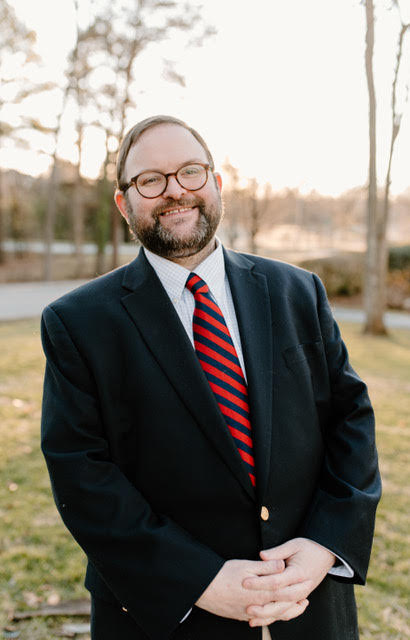
Jason F. Hicks
is an assistant county attorney with Guilford County, North Carolina. He is licensed in both Tennessee and North Carolina. Over the course of his career, Mr. Hicks has practiced family/divorce law, probate and litigation, as well as elder law, juvenile law, and local government law. He is a member of the District 24 (North Carolina); Putnam County (Tennessee); and Tennessee, North Carolina, and American bar associations. Mr. Hicks is currently the president of the North Carolina DSS Attorney's Association. He is past president of the Putnam County Bar Association and Upper Cumberland Trial Lawyers Association. Mr. Hicks is also the past vice president of the Tennessee Bar Association-Young Lawyers Division. He is a frequent speaker at legal education seminars, having presented over 40 CLE presentations. Mr. Hicks is a barrister member of the Guilford Chapter, American Inn of Courts. He earned his B.A. degree from The University of Tennessee, Knoxville and his J.D. degree from Faulkner University, Thomas Goode Jones School of Law.
Speaker bio
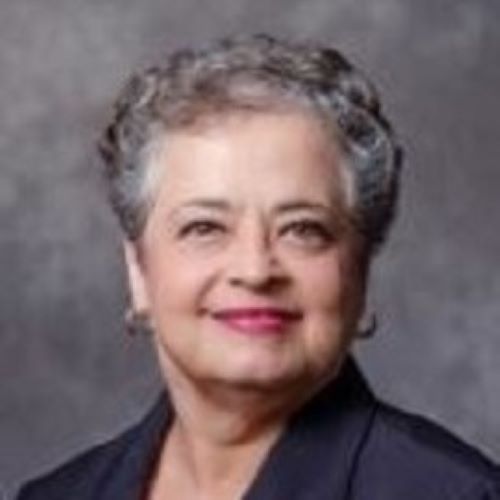
Ellen M. Deeter
is an attorney in Indianapolis. Her practice is focused on estate planning and administration; estate, trust, and elder law mediation; expert witness services in trust and estate litigation matters; and consulting services for fiduciaries. Prior to going into the private practice of law, Ms. Deeter spent 35 years working for bank trust departments, where she worked in a variety of roles, including trust and estate administration, fiduciary income taxation, estate and gift taxation, and as in-house trust counsel. The last 18 years of her trust department career were spent with The National Bank of Indianapolis, from which she retired in 2013. Ms. Deeter is admitted to practice in the state of Indiana and the U.S. District Court, Southern District of Indiana. She earned her B.A. degree, magna cum laude, from the University of Notre Dame; and her J.D. degree, magna cum laude, from Indiana University School of Law at Indianapolis (now known as the Indiana University Robert H. McKinney School of Law). In addition to being an attorney and a registered civil mediator, Ms. Deeter obtained her CERTIFIED FINANCIAL PLANNER™ certification in 1984 and her CERTIFIED TRUST and FINANCIAL ADVISOR™ designation in 1992, both of which she maintained until 2022.
Speaker bio
Matthew E. Rappaport
chairs Falcon Rappaport & Berkman LLP's taxation and private client groups. He concentrates his practice in taxation as it relates to real estate, closely held businesses, private equity funds, family offices, and trusts and estates. Mr. Rappaport advises clients regarding tax planning, structuring and compliance for commercial real estate projects, all stages of the business life cycle, generational wealth transfer, family business succession, and executive compensation. He also collaborates with other attorneys, accountants, financial advisors, bankers, and insurance professionals when they encounter matters requiring a threshold level of tax law expertise. Mr. Rappaport earned his J.D. degree and his Master of Laws in taxation from Georgetown University Law Center. He is a member and admitted to practice in the state of New York and the U.S. Tax Court.
TOP FAQs
Have more questions? Please Contact Us