

New York Rules of Evidence: A Practical Toolkit
Credits Available
| Credit | Status | Total | Until |
|---|---|---|---|
| Connecticut CLE |
|
6 Total | 10-06-2027 |
| New York CLE |
|
7 Total | 10-06-2028 |
| Pennsylvania CLE |
|
6 Total | 10-06-2027 |
Buy This Course
OnDemand Video
Course Book Download
Overview
A Real-World Application of Evidence to Courtroom Events
The rules of evidence are constantly evolving in response to court decisions, technological advances in discovery, and changes to various state rules. It can be an onerous task to continuously analyze and apply them to your cases. How confident are you in your skills when it comes to gathering and working with expert witness testimony, email/ESI, and the technicalities of hearsay? Learn from our experienced faculty as they explore key court decisions involving admissibility and practically apply the rules of evidence to common evidentiary challenges you face during litigation. Untangle the intricate web of evidence rules and procedures - register today!
- Gain veteran tips on applying the rules of evidence at each stage of the litigation process, from discovery to trial.
- Learn how to effectively analyze, authenticate, admit, and exclude the most complex types of evidence.
- Find out what red flags to look for when handling email and other ESI.
- Explore hearsay in depth and get a concrete understanding of what constitutes hearsay.
- Clearly link your evidence to your case with proven presentation skills.
- Be prepared to argue relevance and get experts and evidence admitted (or excluded) in court.
Abbreviated Agenda
- The "Big Six" Admissibility Questions
- Understanding Hearsay
- Handling Email, Social Media and Other ESI
- Witness Testimony and Reports
- Keeping Evidence Out (Pre and Post Trial)
- Admission/Exclusion of Unique Evidence
- Presenting to the Judge and Jury
- Ethical Considerations
Credit Details
Credits Available
| Credit | Status | Total | Until |
|---|---|---|---|
| Connecticut CLE |
|
6 Total | 10-06-2027 |
| New York CLE |
|
7 Total | 10-06-2028 |
| Pennsylvania CLE |
|
6 Total | 10-06-2027 |
Credit Details by Jurisdiction
CLE
Credits
Connecticut CLE Approved · 6 Total Credits
- 1 Ethics/Professionalism
Earn Until
OnDemand - Connecticut CLE - 6: Neither the Connecticut Judicial Branch nor the Commission on Minimum Continuing Legal Education approve or accredit CLE providers or activities. It is the opinion of NBI, Inc. that this activity qualifies for 6.0 self-study hours toward your annual CLE requirement in Connecticut, including 1.0 self-study hour(s) of ethics/professionalism.
Video Download - Connecticut CLE - 6: Neither the Connecticut Judicial Branch nor the Commission on Minimum Continuing Legal Education approve or accredit CLE providers or activities. It is the opinion of NBI, Inc. that this activity qualifies for 6.0 self-study hours toward your annual CLE requirement in Connecticut, including 1.0 self-study hour(s) of ethics/professionalism.
New York CLE Approved · 7 Total Credits
- 6 Skills
- 1 Ethics/Professionalism
Earn Until
OnDemand - New York CLE - 7: This nontraditional format course has been approved in accordance with the requirements of the New York State Continuing Legal Education Board for up to 7.0 credit hours. 6.0 hours can be applied to the skills requirement and is approved for experienced attorneys. 1.0 hour can be applied toward the Ethics/Professionalism requirement and is approved for experienced attorneys. NBI, Inc. offers a Financial Hardship Policy for qualifying individuals. To apply, please submit a request via email to our Tuition Discount Committee at customerservice@nbi-sems.com.
Video Download - New York CLE - 7: This nontraditional format course has been approved in accordance with the requirements of the New York State Continuing Legal Education Board for up to 7.0 credit hours. 6.0 hours can be applied to the skills requirement and is approved for experienced attorneys. 1.0 hour can be applied toward the Ethics/Professionalism requirement and is approved for experienced attorneys. NBI, Inc. offers a Financial Hardship Policy for qualifying individuals. To apply, please submit a request via email to our Tuition Discount Committee at customerservice@nbi-sems.com.
Pennsylvania CLE Approved · 6 Total Credits
- 1 Ethics
Earn Until
OnDemand - Pennsylvania CLE - 6: This program has been approved by the Pennsylvania Continuing Legal Education Board. This program qualifies for 6.0 hours of distance learning credit, including 5.0 hours of substantive law, practice and procedure CLE credit and 1.0 hour of ethics, professionalism or substance abuse distance learning CLE credit.
Video Download - Pennsylvania CLE - 6: This program has been approved by the Pennsylvania Continuing Legal Education Board. This program qualifies for 6.0 hours of distance learning credit, including 5.0 hours of substantive law, practice and procedure CLE credit and 1.0 hour of ethics, professionalism or substance abuse distance learning CLE credit.
Select Jurisdiction
CLE
Agenda
-
The "Big Six" Admissibility Questions
- QUESTION #1: Is it Authentic? (If Not, How do I Authenticate/Identify the Evidence?)
- QUESTION #2: Is it Hearsay?
- QUESTION #3: Is There a Proper Foundation?
- QUESTION #4: Is it Relevant?
- QUESTION #5: Should the Evidence be Excluded?
- QUESTION #6: What is the Proper Way to Introduce the Item into Evidence?
-
Understanding Hearsay
- Overview of Critical Rules You Need to Know Regarding Hearsay
- Recent Case Law
- Practical Application of the "Big Six" to Real-World Courtroom Events
- Exceptions
- Hearsay Problems, Such as When Your Client or Opposing Party is Deceased
- Hearsay Within Hearsay
- Attacking/Supporting Declarant's Credibility
-
Handling Email, Social Media and Other ESI
- Collecting ESI
- Recent Case Law
- Practical Application of the "Big Six" to Real-World Courtroom Events
- Email as Evidence
- Electronic Medical Records
- Social Media
- Web Pages
- Video
- Voicemail
- Text Messages
- Citing Online Content Properly
- Preservation of Metadata
-
Witness Testimony and Reports
- Practical Application of the "Big Six" to Real-World Courtroom Events
- Character and Competency
- Opinion Testimony (Lay and Expert Witnesses)
- Admissibility of What You Give Your Expert
- Court-Appointed Expert Witnesses
- Impeachment
- Frye vs. Daubert Challenges
- Expert Reports
- Other Expert Considerations
- Practical Application of the "Big Six" to Real-World Courtroom Events
-
Keeping Evidence Out (Pre and Post Trial)
- Practical Application of the "Big Six" to Real-World Courtroom Events
- Hearsay Objections
- Motion in Limine, Motion to Exclude, and Motion to Strike
- Motions for Sanctions
- Curtailing Speaking Objection
- Use of the Sidebar Conference
- Jury Instructions After the Objection
- Preserving Evidentiary Issues for Appeal
- Timing and Frequency of Objections
- Specificity of Objections
- Motions in Limine
- Offers of Proof
- Practical Application of the "Big Six" to Real-World Courtroom Events
-
Admission/Exclusion of Unique Evidence
- Practical Application of the "Big Six" to Real-World Courtroom Events
- Collecting Evidence Through Discovery: Evidence Considerations
- Character Evidence
- Evidence of a Person's Habit
- Evidence of Subsequent Remedial Measures
- Sexual-Assault, Child Molestation, and Sex-Offense Cases
- Writings, Recordings, and Photographs
- Medical Records, Charts, and X-Rays
- Other Records (Business, Public)
- Other Unique Evidence
- Practical Application of the "Big Six" to Real-World Courtroom Events
-
Presenting to the Judge and Jury
- Authenticating Exhibits
- Stipulations
- Self-Authenticating
- Authenticating - Laying the Foundation for Admissibility
- Presenting Deposition Records
- Introducing Juries to Evidence
- Providing Jury Notebooks
- Presenting Your ESI: Common Mistakes Made in the Courtroom
- Computer-Aided Displays, Video, and Graphics
- Authenticating Exhibits
-
Ethical Considerations
- Spoliation, Preservation, and Missing Evidence
- Legal Malpractice
- Lawyers as Witnesses
- Handling Highly Prejudicial Evidence
- Talking to Witnesses Before They Testify
- Facilitating Efficiency, Reliability, and Overall Fairness of the Adversary Process
- Attorney-Client Privilege
Who Should Attend
This basic-to-intermediate level online seminar offers attorneys the fundamental knowledge and practical skills to make the best use of evidence and testimony.
Speakers
Speaker bio
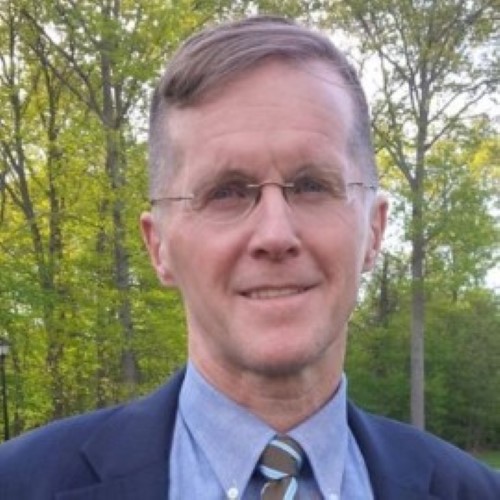
Raymond R. Grasing
is an attorney with The Law Firm of Grasing & Associates. He has more than 25 years of trial experience in New York. Mr. Grasing knows how to try a case in a straight forward convincing manner, and how to pare down the facts and issues to their essential parts to help a jury reach the correct decision. His understanding of the law, gained through his trial experience, provides his clients with a distinct competitive advantage, whether or not their case gets to trial. Mr. Grasing practices in the areas of commercial litigation, personal injury, construction disputes, insurance coverage disputes, insurance coverage, collections, subrogation, arson, and fraud cases. He earned his B.A. degree from the State University of New York at Stony Brook and his J.D. degree from Brooklyn Law School.
Speaker bio
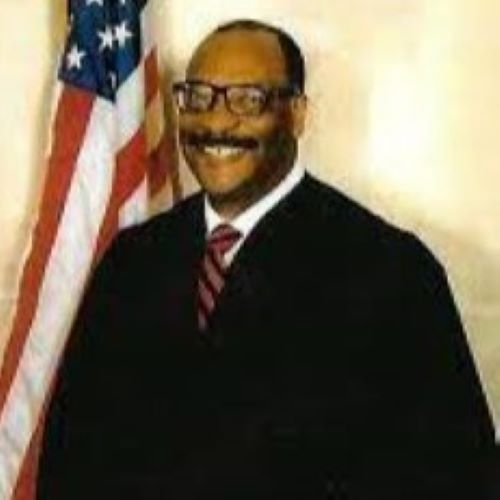
Hon. Maurice E. Muir
is a New York State Supreme Court Justice. He earned his Bachelor of Arts degree in international relations from Boston University and his J.D. degree from Suffolk University School of Law. Judge Muir is a licensed to practice law before the New York State Bar Association, Massachusetts Bar Association and the U.S. District Court Bar. Prior to being elected to the bench, he practiced law in both the private and public sectors. In 2017, Justice Muir was elected to the New York City Civil Court, where he presided over numerous cases which include no-fault litigation, contact disputes and personal injury. Two years later, he was elected to the New York State Supreme Court, where he presides over all state claims, which include but are not limited to labor law, medical malpractice, personal injury and foreclosure actions. Moreover, Justice Muir has lectured various areas of the law, including evidence, foreclosure preventions and civil litigation.
Speaker bio
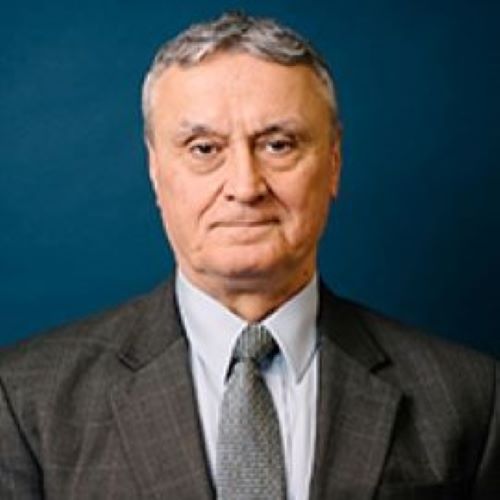
F. David Rusin
is a trial attorney and serves as the attorney manager of William Mattar, P.C. As a civil trial lawyer for over 40 years, he has handled a variety of cases including serious personal injury, automobile liability, premises liability and civil rights violations cases. Mr. Rusin is listed as a New York Super Lawyer, and has been chosen by his peers to be included on a Western New York Legal Elite Attorney list. He is admitted to practice before all courts in the state of New York, U.S. District Court for the Western and Northern districts of New York, U.S. Bankruptcy Court for the Western District of New York and the District of Arizona, U.S. Court of Appeals for the Second Circuit, and U.S. Supreme Court. Mr. Rusin is a frequent lecturer on a wide variety of topics, including issues related to personal injury and automobile liability litigation, no-fault issues, lien issues, insurance coverage, ethics, and social media. He earned his B.A. degree from The State University of New York at Buffalo and his J.D. degree from the University of Dayton School of Law.
Speaker bio
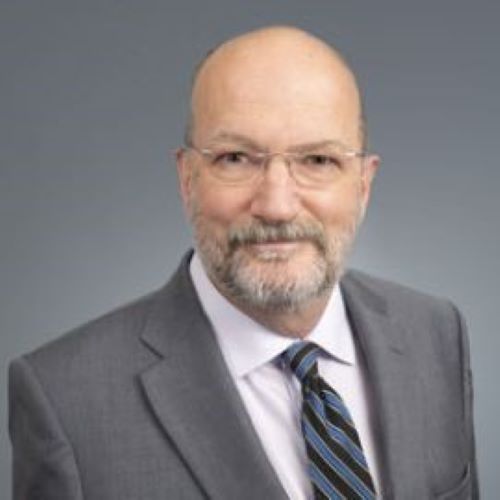
Daniel M. Schiavetta
is of counsel at Russo & Gould LLP. He specializes in nursing home and adult residential facility defense, and has wide experience in appellate and insurance coverage litigation. Mr. Schiavetta has prosecuted rescission, declaratory judgment and interpleader actions in state and federal court on behalf of various insurers; and has tried cases involving medical malpractice and premises liability. He gives presentations to nursing homes as to charting and litigation issues, and is responsible for two changes in case law. Mr. Schiavetta earned his B.A. degree from State University of New York and his J.D. degree from the University of California, Davis School of Law. He is admitted to New York and New Jersey federal courts, and Second and Third Circuit Court of Appeals. Mr. Schiavetta is a member of the Westchester County Bar Association, New Rochelle Bar Association and Defense Research Institute. His recent book, The Supreme Court for Short Attention Spans, is available on Amazon.
TOP FAQs
Have more questions? Please Contact Us