

Competence in Law: Preventing and Spotting Issues
Credits Available
| Credit | Status | Total | Until |
|---|---|---|---|
| Alaska CLE |
|
2 Total | 03-11-2028 |
| Alabama CLE |
|
2 Total | 12-31-2026 |
| Arkansas CLE |
|
2 Total | 06-30-2027 |
| Arizona CLE |
|
2 Total | 03-11-2028 |
| California CLE |
|
2 Total | 03-11-2028 |
| Colorado CLE |
|
2 Total | 12-31-2028 |
| Connecticut CLE |
|
2 Total | 03-11-2028 |
| Delaware CLE |
|
2 Total | 03-11-2028 |
| Florida CLE |
|
2.5 Total | 09-30-2027 |
| Georgia CLE |
|
2 Total | 12-31-2027 |
| Hawaii CLE |
|
2 Total | 03-11-2028 |
| Iowa CLE |
|
2 Total | 03-11-2027 |
| Idaho CLE |
|
2 Total | 03-11-2031 |
| Illinois CLE |
|
2 Total | 03-09-2028 |
| Indiana CLE |
|
2 Total | 03-11-2027 |
| Kansas CLE |
|
2 Total | 03-10-2027 |
| Louisiana CLE |
|
2 Total | 03-11-2027 |
| Maine CLE |
|
2 Total | 03-09-2028 |
| Minnesota CLE |
|
2 Total | 03-11-2028 |
| Missouri CLE |
|
2.4 Total | 03-11-2028 |
| Northern Mariana Islands CLE |
|
2 Total | 03-11-2028 |
| Montana CLE |
|
2 Total | 03-11-2029 |
| North Carolina CLE |
|
2 Total | 02-28-2027 |
| North Dakota CLE |
|
2 Total | 03-11-2029 |
| Nebraska CLE |
|
2 Total | 03-11-2028 |
| New Hampshire CLE |
|
2 Total | 03-11-2029 |
| New Jersey CLE |
|
2.4 Total | 11-18-2026 |
| New Mexico CLE |
|
2 Total | 03-11-2028 |
| Nevada CLE |
|
2 Total | 03-11-2029 |
| New York CLE |
|
2 Total | 03-11-2029 |
| Ohio CLE |
|
2 Total | 12-31-2026 |
| Oklahoma CLE |
|
2.5 Total | 03-11-2028 |
| Oregon CLE |
|
2 Total | 03-11-2029 |
| Pennsylvania CLE |
|
2 Total | 03-11-2028 |
| South Carolina CLE |
|
2 Total | 12-31-2026 |
| Tennessee CLE |
|
2 Total | 03-10-2028 |
| Texas CLE |
|
2 Total | 02-28-2027 |
| Utah CLE |
|
2 Total | 12-31-2026 |
| Virginia CLE |
|
2 Total | 10-31-2026 |
| Vermont CLE |
|
2 Total | 03-11-2028 |
| Washington CLE |
|
2 Total | 03-10-2031 |
| Wisconsin CLE |
|
2 Total | 12-31-2027 |
| West Virginia CLE |
|
2.4 Total | 03-11-2028 |
| Wyoming CLE |
|
2 Total | 03-11-2027 |

Buy This Course
OnDemand Video
Course Book Download
Overview
Discover Best Practices for Improving Lawyer Competence
You juggle countless case files and multiple client demands, but the silent risk that attorneys often miss is the erosion of competence. Failure to adapt to new technology, missed deadlines, and lapses in judgment can damage your client's case and even tarnish your reputation for years to come.
Imagine practicing with confidence and identifying risks before they spiral out of control. You protect your clients and your career by maintaining competence and staying up to date on the latest trends and changes in the legal profession.
In this legal primer, our distinguished faculty supplies you with practical tools for recognizing missteps early on and observing the highest ethical standards. Invest two short hours now to avoid costly surprises later - register today!
- Determine what “competence” means under Rule 1.1 in everyday practice.
- Discover how failing to adopt new technology can lead to ethical violations.
- Develop strategies for explaining complex legal concepts to clients.
- Identify red flags that show you may be sacrificing quality for quantity.
Abbreviated Agenda
- What Is Legal Competence? (Rule 1.1)
- The Duty of Technology Competence Meets the Digital Era
- Clearly Communicating Scope of Representation
- One Case Too Many: Managing Competence When Overloaded With Work
Credit Details
Credits Available
| Credit | Status | Total | Until |
|---|---|---|---|
| Alaska CLE |
|
2 Total | 03-11-2028 |
| Alabama CLE |
|
2 Total | 12-31-2026 |
| Arkansas CLE |
|
2 Total | 06-30-2027 |
| Arizona CLE |
|
2 Total | 03-11-2028 |
| California CLE |
|
2 Total | 03-11-2028 |
| Colorado CLE |
|
2 Total | 12-31-2028 |
| Connecticut CLE |
|
2 Total | 03-11-2028 |
| Delaware CLE |
|
2 Total | 03-11-2028 |
| Florida CLE |
|
2.5 Total | 09-30-2027 |
| Georgia CLE |
|
2 Total | 12-31-2027 |
| Hawaii CLE |
|
2 Total | 03-11-2028 |
| Iowa CLE |
|
2 Total | 03-11-2027 |
| Idaho CLE |
|
2 Total | 03-11-2031 |
| Illinois CLE |
|
2 Total | 03-09-2028 |
| Indiana CLE |
|
2 Total | 03-11-2027 |
| Kansas CLE |
|
2 Total | 03-10-2027 |
| Louisiana CLE |
|
2 Total | 03-11-2027 |
| Maine CLE |
|
2 Total | 03-09-2028 |
| Minnesota CLE |
|
2 Total | 03-11-2028 |
| Missouri CLE |
|
2.4 Total | 03-11-2028 |
| Northern Mariana Islands CLE |
|
2 Total | 03-11-2028 |
| Montana CLE |
|
2 Total | 03-11-2029 |
| North Carolina CLE |
|
2 Total | 02-28-2027 |
| North Dakota CLE |
|
2 Total | 03-11-2029 |
| Nebraska CLE |
|
2 Total | 03-11-2028 |
| New Hampshire CLE |
|
2 Total | 03-11-2029 |
| New Jersey CLE |
|
2.4 Total | 11-18-2026 |
| New Mexico CLE |
|
2 Total | 03-11-2028 |
| Nevada CLE |
|
2 Total | 03-11-2029 |
| New York CLE |
|
2 Total | 03-11-2029 |
| Ohio CLE |
|
2 Total | 12-31-2026 |
| Oklahoma CLE |
|
2.5 Total | 03-11-2028 |
| Oregon CLE |
|
2 Total | 03-11-2029 |
| Pennsylvania CLE |
|
2 Total | 03-11-2028 |
| South Carolina CLE |
|
2 Total | 12-31-2026 |
| Tennessee CLE |
|
2 Total | 03-10-2028 |
| Texas CLE |
|
2 Total | 02-28-2027 |
| Utah CLE |
|
2 Total | 12-31-2026 |
| Virginia CLE |
|
2 Total | 10-31-2026 |
| Vermont CLE |
|
2 Total | 03-11-2028 |
| Washington CLE |
|
2 Total | 03-10-2031 |
| Wisconsin CLE |
|
2 Total | 12-31-2027 |
| West Virginia CLE |
|
2.4 Total | 03-11-2028 |
| Wyoming CLE |
|
2 Total | 03-11-2027 |
Credit Details by Jurisdiction
OnDemand Video
CLE
Credits
Alaska CLE Reciprocity · 2 Total Credits
- 2 MECLE Ethics
Earn Until
OnDemand - Alaska CLE - 2: Alaska Bar members may claim credit for attending CLE programs that have been accredited by other mandatory CLE jurisdictions. This program qualifies for 2.0 hours of credit, which includes 0.0 hours of MCLE credit and 2.0 hour of MECLE credit.
Video Download - Alaska CLE - 2: Alaska Bar members may claim credit for attending CLE programs that have been accredited by other mandatory CLE jurisdictions. This program qualifies for 2.0 hours of credit, which includes 0.0 hours of MCLE credit and 2.0 hour of MECLE credit.
Alabama CLE Approved · 2 Total Credits
Earn Until
OnDemand - Alabama CLE - 2: This course or a portion thereof has been approved by the Alabama State Bar Mandatory Continuing Legal Education Commission for a maximum of 2.0 on-demand credit hours, including 0.0 ethics/professionalism credit.
Arkansas CLE Approved · 2 Total Credits
- 2 Ethics
Earn Until
OnDemand - Arkansas CLE - 2: NBI, Inc. is an accredited sponsor in the state of Arkansas. This program qualifies for 2.0 hours of on demand continuing legal education credit, including 2.0 hour of ethics, consistent with the rules and regulations of the Arkansas Supreme Court of Professional Programs.
Video Download - Arkansas CLE - 2: NBI, Inc. is an accredited sponsor in the state of Arkansas. This program qualifies for 2.0 hours of on demand continuing legal education credit, including 2.0 hour of ethics, consistent with the rules and regulations of the Arkansas Supreme Court of Professional Programs.
Arizona CLE Approved · 2 Total Credits
- 2 Professional Responsibility
Earn Until
OnDemand - Arizona CLE - 2: The State Bar of Arizona does not approve or accredit CLE activities for the Mandatory Continuing Legal Education requirement. This activity qualifies for 2.0 hours toward your annual CLE requirement for the State of Arizona, including 2.0 hour of professional responsibility.
Video Download - Arizona CLE - 2: The State Bar of Arizona does not approve or accredit CLE activities for the Mandatory Continuing Legal Education requirement. This activity qualifies for 2.0 hours toward your annual CLE requirement for the State of Arizona, including 2.0 hour of professional responsibility.
California CLE Approved · 2 Total Credits
- 2 Legal Ethics
Earn Until
OnDemand - California CLE - 2: This activity has been approved for Minimum Continuing Legal Education credit by the State Bar of California and qualifies for 2.0 hours of participatory credit, of which 2.0 hour will apply to legal ethics credit. NBI, Inc. certifies this activity conforms to the standards for approved education activities prescribed by the rules and regulations of the State Bar of California governing minimum continuing legal education. NBI, Inc. is a State Bar of California approved MCLE provider - #53.
Video Download - California CLE - 2: This activity has been approved for Minimum Continuing Legal Education credit by the State Bar of California and qualifies for 2.0 hours of self-study credit, of which 2.0 hour will apply to legal ethics credit. NBI, Inc. certifies this activity conforms to the standards for approved education activities prescribed by the rules and regulations of the State Bar of California governing minimum continuing legal education. NBI, Inc. is a State Bar of California approved MCLE provider - #53.
Colorado CLE Approved · 2 Total Credits
- 2 Professional Responsibility
Earn Until
OnDemand - Colorado CLE - 2: NBI, Inc. is a Certified Provider, as recognized by the Colorado Supreme Court Continuing Legal and Judicial Education Committee. This program qualifies for 2.0 hours of home study general Colorado Continuing Legal Education Credit, including 2.0 professional responsibility credit.
Video Download - Colorado CLE - 2: NBI, Inc. is a Certified Provider, as recognized by the Colorado Supreme Court Continuing Legal and Judicial Education Committee. This program qualifies for 2.0 hours of home study general Colorado Continuing Legal Education Credit, including 2.0 professional responsibility credit.
Connecticut CLE Approved · 2 Total Credits
- 2 Ethics/Professionalism
Earn Until
OnDemand - Connecticut CLE - 2: Neither the Connecticut Judicial Branch nor the Commission on Minimum Continuing Legal Education approve or accredit CLE providers or activities. It is the opinion of NBI, Inc. that this activity qualifies for 2.0 self-study hours toward your annual CLE requirement in Connecticut, including 2.0 self-study hour(s) of ethics/professionalism.
Video Download - Connecticut CLE - 2: Neither the Connecticut Judicial Branch nor the Commission on Minimum Continuing Legal Education approve or accredit CLE providers or activities. It is the opinion of NBI, Inc. that this activity qualifies for 2.0 self-study hours toward your annual CLE requirement in Connecticut, including 2.0 self-study hour(s) of ethics/professionalism.
Delaware CLE Approved · 2 Total Credits
- 2 Ethics
Earn Until
OnDemand - Delaware CLE - 2: NBI, Inc. is an accredited sponsor of the Delaware Commission on Continuing Legal Education and recommends this program for 2.0 hours of eCLE credit, including 2.0 hour of ethics.
Florida CLE Approved · 2.5 Total Credits
- 2.5 Professional Responsibility
Earn Until
OnDemand - Florida CLE - 2.5: Approved by The Florida Bar, this program qualifies for 2.50 general hours of CLER self-study credit including 2.50 hour of self-study professional responsibility (may include legal ethics, professionalism, substance abuse or mental illness and wellness programs).
Video Download - Florida CLE - 2.5: Approved by The Florida Bar, this program qualifies for 2.50 general hours of CLER self-study credit including 2.50 hour of self-study professional responsibility (may include legal ethics, professionalism, substance abuse or mental illness and wellness programs).
Georgia CLE Approved · 2 Total Credits
- 2 Ethics
Earn Until
OnDemand - Georgia CLE - 2: This program is approved by the Commission on Continuing Lawyer Competency of the State Bar of Georgia. This program qualifies for 2.0 hours of distance learning continuing legal education credit with the Georgia Commission on Continuing Lawyer Competency, which includes 2.0 hour of distance learning ethics.
Video Download - Georgia CLE - 2: This program is approved by the Commission on Continuing Lawyer Competency of the State Bar of Georgia. This program qualifies for 2.0 hours of distance learning continuing legal education credit with the Georgia Commission on Continuing Lawyer Competency, which includes 2.0 hour of distance learning ethics.
Hawaii CLE Approved · 2 Total Credits
- 2 Ethics/Professional Responsibility
Earn Until
OnDemand - Hawaii CLE - 2: NBI, Inc. is an Accredited Provider with the Hawaii State Board of Continuing Legal Education. This alternative format activity has been approved for 2.0 hours of credit for the state of Hawaii, which includes 2.0 hour of ethics or professional responsibility education.
Video Download - Hawaii CLE - 2: NBI, Inc. is an Accredited Provider with the Hawaii State Board of Continuing Legal Education. This alternative format activity has been approved for 2.0 hours of credit for the state of Hawaii, which includes 2.0 hour of ethics or professional responsibility education.
Iowa CLE Upon Request · 2 Total Credits
- 2 Legal Ethics
Earn Until
OnDemand - Iowa CLE - 2: Upon course completion and credit request submittal, an application will be submitted to the Bar.
Idaho CLE Approved · 2 Total Credits
- 2 Legal Ethics/Professional Responsibility
Earn Until
OnDemand - Idaho CLE - 2: Approved for 2.0 hours of self-study continuing legal education credit in the state of Idaho, which includes 2.0 self-study legal ethics or professional responsibility credit.
Video Download - Idaho CLE - 2: Approved for 2.0 hours of self-study continuing legal education credit in the state of Idaho, which includes 2.0 self-study legal ethics or professional responsibility credit.
Illinois CLE Approved · 2 Total Credits
- 2 Professional Responsibility
Earn Until
OnDemand - Illinois CLE - 2: This program has been approved by the Illinois MCLE Board for 2.0 hours of recorded technology CLE credit, which includes approval for 2.0 hour of legal ethics, civility, professionalism or sexual harassment prevention training CLE credit by the Illinois Supreme Court Commission on Professionalism.
Video Download - Illinois CLE - 2: This program has been approved by the Illinois MCLE Board for 2.0 hours of recorded technology CLE credit, which includes approval for 2.0 hour of legal ethics, civility, professionalism or sexual harassment prevention training CLE credit by the Illinois Supreme Court Commission on Professionalism.
Indiana CLE Approved · 2 Total Credits
- 2 Ethics
Earn Until
OnDemand - Indiana CLE - 2: This course has been approved by the Indiana Supreme Court Office of Admissions & Continuing Education. Participating attorneys are eligible to receive 2.0 hours of distance education, which includes 2.0 hour of ethics.
Kansas CLE Approved · 2 Total Credits
- 2 Ethics/Professionalism
Earn Until
OnDemand - Kansas CLE - 2: Approved by Kansas CLE for 2.0 hours of prerecorded format continuing legal education credit, which includes 2.0 hour of ethics and professionalism credit.
Video Download - Kansas CLE - 2: Approved by Kansas CLE for 2.0 hours of prerecorded format continuing legal education credit, which includes 2.0 hour of ethics and professionalism credit.
Louisiana CLE Approved · 2 Total Credits
- 2 Ethics
Earn Until
OnDemand - Louisiana CLE - 2: This course or a portion thereof has been approved by the Louisiana Mandatory Continuing Legal Education Committee of the Louisiana State Bar Association. This program qualifies for 2.0 hours (based on a 60-minute credit hour) of computer based credit, of which 2.0 hour will apply to computer based ethics credit. This course will apply toward the fulfillment of the newly admitted member requirement.
Maine CLE Approved · 2 Total Credits
Earn Until
OnDemand - Maine CLE - 2: This course has been approved by the State of Maine Board of Overseers of the Bar. Lawyers who complete this course will receive 2.0 hours of self-study CLE credit
Video Download - Maine CLE - 2: This course has been approved by the State of Maine Board of Overseers of the Bar. Lawyers who complete this course will receive 2.0 hours of self-study CLE credit
Course Book - Maine CLE - 2: This course has been approved by the State of Maine Board of Overseers of the Bar. Lawyers who complete this course will receive 2.0 hours of self-study CLE credit
Minnesota CLE Approved · 2 Total Credits
- 2 Ethics
Earn Until
OnDemand - Minnesota CLE - 2: Approved for 2.0 hours of standard on-demand CLE credit, including 2.0 hour of ethics credit by the Minnesota Board of Continuing Legal Education.
Video Download - Minnesota CLE - 2: Approved for 2.0 hours of standard on-demand CLE credit, including 2.0 hour of ethics credit by the Minnesota Board of Continuing Legal Education.
Missouri CLE Approved · 2.4 Total Credits
Earn Until
OnDemand - Missouri CLE - 2.4: NBI, Inc. is an accredited sponsor with Missouri Minimum Continuing Legal Education. This program qualifies for 2.40 self-study CLE credit hours.
Video Download - Missouri CLE - 2.4: NBI, Inc. is an accredited sponsor with Missouri Minimum Continuing Legal Education. This program qualifies for 2.40 self-study CLE credit hours.
Course Book - Missouri CLE - 2.4: NBI, Inc. is an accredited sponsor with Missouri Minimum Continuing Legal Education. This program qualifies for 2.40 self-study CLE credit hours.
Northern Mariana Islands CLE Approved · 2 Total Credits
Earn Until
OnDemand - Northern Mariana Islands CLE - 2: This course has been approved by the Commonwealth of the Northern Mariana Islands. Lawyers who complete this course shall receive 2.0 hours of self-study CLE credit.
Video Download - Northern Mariana Islands CLE - 2: This course has been approved by the Commonwealth of the Northern Mariana Islands. Lawyers who complete this course shall receive 2.0 hours of self-study CLE credit.
Course Book - Northern Mariana Islands CLE - 2: This course has been approved by the Commonwealth of the Northern Mariana Islands. Lawyers who complete this course shall receive 2.0 hours of self-study CLE credit.
Montana CLE Approved · 2 Total Credits
- 2 Professional Fitness and Integrity
Earn Until
OnDemand - Montana CLE - 2: This program qualifies for 2.0 hours of self-study CLE credit by the Montana Commission of Continuing Legal Education, including 2.0 hour of professional fitness and integrity credit.
Video Download - Montana CLE - 2: This program qualifies for 2.0 hours of self-study CLE credit by the Montana Commission of Continuing Legal Education, including 2.0 hour of professional fitness and integrity credit.
North Carolina CLE Approved · 2 Total Credits
- 2 Professional Responsibility
Earn Until
OnDemand - North Carolina CLE - 2: NBI, Inc. is an accredited sponsor with the North Carolina State Board of Continuing Legal Education. Attendance of this program qualifies for 2.0 hours of online CLE credit, including 2.0 professional responsibility.
Video Download - North Carolina CLE - 2: NBI, Inc. is an accredited sponsor with the North Carolina State Board of Continuing Legal Education. Attendance of this program qualifies for 2.0 hours of online CLE credit, including 2.0 professional responsibility.
North Dakota CLE Approved · 2 Total Credits
- 2 Ethics
Earn Until
OnDemand - North Dakota CLE - 2: North Dakota attorneys completing this program may claim 2.0 North Dakota self-study CLE credit hours, including 2.0 hour of self-study ethics credit, on the Report of Compliance.
Video Download - North Dakota CLE - 2: North Dakota attorneys completing this program may claim 2.0 North Dakota self-study CLE credit hours, including 2.0 hour of self-study ethics credit, on the Report of Compliance.
Nebraska CLE Approved · 2 Total Credits
- 2 Professional Responsibility
Earn Until
OnDemand - Nebraska CLE - 2: NBI, Inc. is an accredited CLE sponsor in the state of Nebraska. This activity has been approved for 2.0 distance learning CLE credits, including 2.0 hour of professional responsibility credit.
Video Download - Nebraska CLE - 2: NBI, Inc. is an accredited CLE sponsor in the state of Nebraska. This activity has been approved for 2.0 distance learning CLE credits, including 2.0 hour of professional responsibility credit.
New Hampshire CLE Approved · 2 Total Credits
- 2 Ethics/Professionalism
Earn Until
OnDemand - New Hampshire CLE - 2: NHMCLE does not approve or accredit CLE activities for the NH Minimum CLE requirement. NBI, Inc. believes this course meets the requirements of NH Supreme Court Rule 53 toward the annual NHMCLE requirement.
Video Download - New Hampshire CLE - 2: NHMCLE does not approve or accredit CLE activities for the NH Minimum CLE requirement. NBI, Inc. believes this course meets the requirements of NH Supreme Court Rule 53 toward the annual NHMCLE requirement.
New Jersey CLE Approved · 2.4 Total Credits
- 2.4 Ethics/Professionalism
Earn Until
OnDemand - New Jersey CLE - 2.4: This program has been approved by the Board on Continuing Legal Education of the Supreme Court of New Jersey for 2.40 hours of alternative format CLE credit. Of these, 2.40 qualifies as hours of alternative learning format credit for ethics/professionalism.
Video Download - New Jersey CLE - 2.4: This program has been approved by the Board on Continuing Legal Education of the Supreme Court of New Jersey for 2.40 hours of alternative format CLE credit. Of these, 2.40 qualifies as hours of alternative learning format credit for ethics/professionalism.
New Mexico CLE Approved · 2 Total Credits
- 2 Ethics
Earn Until
OnDemand - New Mexico CLE - 2: This program has been approved by the Board of Bar Commissioners of the State Bar of New Mexico. This program qualifies for 2.0 hours of self-study credit, including 2.0 hour of self-study ethics credit.
Video Download - New Mexico CLE - 2: This program has been approved by the Board of Bar Commissioners of the State Bar of New Mexico. This program qualifies for 2.0 hours of self-study credit, including 2.0 hour of self-study ethics credit.
Nevada CLE Approved · 2 Total Credits
- 2 Ethical Considerations
Earn Until
OnDemand - Nevada CLE - 2: This course has been approved by the Nevada Board of Continuing Legal Education. This program qualifies for 2.0 hours of alternative format CLE credits by the Nevada Board of Continuing Legal Education, which includes 2.0 hour of alternative format ethical considerations.
Video Download - Nevada CLE - 2: This course has been approved by the Nevada Board of Continuing Legal Education. This program qualifies for 2.0 hours of alternative format CLE credits by the Nevada Board of Continuing Legal Education, which includes 2.0 hour of alternative format ethical considerations.
New York CLE Approved · 2 Total Credits
- 2 Ethics/Professionalism
Earn Until
OnDemand - New York CLE - 2: This nontraditional format course has been approved in accordance with the requirements of the New York State Continuing Legal Education Board for up to 2.0 credit hours. 2.0 hour can be applied toward the Ethics/Professionalism requirement and is approved for experienced attorneys. NBI, Inc. offers a Financial Hardship Policy for qualifying individuals. To apply, please submit a request via email to our Tuition Discount Committee at customerservice@nbi-sems.com.
Video Download - New York CLE - 2: This nontraditional format course has been approved in accordance with the requirements of the New York State Continuing Legal Education Board for up to 2.0 credit hours. 2.0 hour can be applied toward the Ethics/Professionalism requirement and is approved for experienced attorneys. NBI, Inc. offers a Financial Hardship Policy for qualifying individuals. To apply, please submit a request via email to our Tuition Discount Committee at customerservice@nbi-sems.com.
Ohio CLE Approved · 2 Total Credits
- 2 Professional Conduct
Earn Until
OnDemand - Ohio CLE - 2: This course has been approved by the Supreme Court of Ohio Commission on Continuing Legal Education for 2.0 self-study CLE credit hours, including 2.0 hour of attorney professional conduct instruction.
Video Download - Ohio CLE - 2: This course has been approved by the Supreme Court of Ohio Commission on Continuing Legal Education for 2.0 self-study CLE credit hours, including 2.0 hour of attorney professional conduct instruction.
Oklahoma CLE Approved · 2.5 Total Credits
- 2.5 Legal Ethics
Earn Until
OnDemand - Oklahoma CLE - 2.5: This course has been approved by the Oklahoma Bar Association Mandatory Continuing Legal Education Commission. This program qualifies for 2.50 of On Demand CLE credit hours, which includes 2.50 hour of legal ethics.
Video Download - Oklahoma CLE - 2.5: This course has been approved by the Oklahoma Bar Association Mandatory Continuing Legal Education Commission. This program qualifies for 2.50 of On Demand CLE credit hours, which includes 2.50 hour of legal ethics.
Oregon CLE Approved · 2 Total Credits
- 2 Ethics
Earn Until
OnDemand - Oregon CLE - 2: NBI, Inc. is an approved sponsor with the Oregon MCLE. This program qualifies for 0.0 hours of general continuing legal education credit and 2.0 hour of ethics credit.
Video Download - Oregon CLE - 2: NBI, Inc. is an approved sponsor with the Oregon MCLE. This program qualifies for 0.0 hours of general continuing legal education credit and 2.0 hour of ethics credit.
Pennsylvania CLE Approved · 2 Total Credits
- 2 Ethics
Earn Until
OnDemand - Pennsylvania CLE - 2: This program has been approved by the Pennsylvania Continuing Legal Education Board. This program qualifies for 2.0 hours of distance learning credit, including 0.0 hours of substantive law, practice and procedure CLE credit and 2.0 hour of ethics, professionalism or substance abuse distance learning CLE credit.
Video Download - Pennsylvania CLE - 2: This program has been approved by the Pennsylvania Continuing Legal Education Board. This program qualifies for 2.0 hours of distance learning credit, including 0.0 hours of substantive law, practice and procedure CLE credit and 2.0 hour of ethics, professionalism or substance abuse distance learning CLE credit.
South Carolina CLE Approved · 2 Total Credits
- 2 Legal Ethics/Professional Responsibility
Earn Until
OnDemand - South Carolina CLE - 2: This course is accredited by the South Carolina Commission on Continuing Legal Education and Specialization for 2.0 alternatively delivered hours, of which 2.0 hour relates to legal ethics and professional responsibility.
Tennessee CLE Approved · 2 Total Credits
- 2 Ethics/Professionalism
Earn Until
OnDemand - Tennessee CLE - 2: This course has been approved by the Tennessee Commission on Continuing Legal Education for a maximum of 2.0 hours of Distance Learning credit, including 2.0 hour of ethics/professionalism (EP) credit.
Texas CLE Approved · 2 Total Credits
- 2 Legal Ethics/Professional Responsibility
Earn Until
OnDemand - Texas CLE - 2: This course is accredited for Minimum Continuing Legal Education credit by the State Bar of Texas Committee on MCLE in the amount of 2.0 credit hours, of which 2.0 credit hour will apply to legal ethics/professional responsibility credit. Hours in attendance at National Business Institute CLE seminars may be applied to the minimum Judicial Education requirement.
Video Download - Texas CLE - 2: This course is accredited for Minimum Continuing Legal Education credit by the State Bar of Texas Committee on MCLE in the amount of 2.0 credit hours, of which 2.0 credit hour will apply to legal ethics/professional responsibility credit. Hours in attendance at National Business Institute CLE seminars may be applied to the minimum Judicial Education requirement.
Utah CLE Approved · 2 Total Credits
- 2 Ethics
Earn Until
OnDemand - Utah CLE - 2: National Business Institute is an approved "presumptive provider" with the Utah State Board of Continuing Legal Education. This program qualifies for 2.0 hours of self-study CLE credit for Utah attorneys, which includes 2.0 hour of ethics credit.
Video Download - Utah CLE - 2: National Business Institute is an approved "presumptive provider" with the Utah State Board of Continuing Legal Education. This program qualifies for 2.0 hours of self-study CLE credit for Utah attorneys, which includes 2.0 hour of ethics credit.
Virginia CLE Approved · 2 Total Credits
- 2 Ethics/Professionalism
Earn Until
OnDemand - Virginia CLE - 2: This course has been approved by the Virginia Mandatory Continuing Legal Education Board for 2.0 hours of prerecorded credit, of which 2.0 hour will also apply in the area of legal ethics or professionalism.
Video Download - Virginia CLE - 2: This course has been approved by the Virginia Mandatory Continuing Legal Education Board for 2.0 hours of prerecorded credit, of which 2.0 hour will also apply in the area of legal ethics or professionalism.
Vermont CLE Approved · 2 Total Credits
- 2 Ethics
Earn Until
OnDemand - Vermont CLE - 2: This course has been approved by the Vermont Board of Mandatory Continuing Legal Education. This program qualifies for 2.0 hours of self-study credit, including 2.0 hour of self-study ethics credit.
Video Download - Vermont CLE - 2: This course has been approved by the Vermont Board of Mandatory Continuing Legal Education. This program qualifies for 2.0 hours of self-study credit, including 2.0 hour of self-study ethics credit.
Washington CLE Approved · 2 Total Credits
- 2 Ethics/Professional Responsibility
Earn Until
OnDemand - Washington CLE - 2: This program qualifies for 2.0 hours of Washington continuing legal education (Self Study) A/V credit, which includes 0.0 hours of Law and Legal Procedure and 2.0 hour of ethics and professional responsibility.
Video Download - Washington CLE - 2: This program qualifies for 2.0 hours of Washington continuing legal education (Self Study) A/V credit, which includes 0.0 hours of Law and Legal Procedure and 2.0 hour of ethics and professional responsibility.
Wisconsin CLE Approved · 2 Total Credits
Earn Until
OnDemand - Wisconsin CLE - 2: Approved for 2.0 hours of repeated on-demand CLE credit by the Board of Bar Examiners.
Video Download - Wisconsin CLE - 2: Approved for 2.0 hours of repeated on-demand CLE credit by the Board of Bar Examiners.
West Virginia CLE Approved · 2.4 Total Credits
- 2.4 Ethics
Earn Until
OnDemand - West Virginia CLE - 2.4: This program qualifies for 2.40 hours of pre-recorded credit, which includes 2.40 hour of pre-recorded ethics credit, under the West Virginia Rules for Mandatory Continuing Legal Education.
Video Download - West Virginia CLE - 2.4: This program qualifies for 2.40 hours of pre-recorded credit, which includes 2.40 hour of pre-recorded ethics credit, under the West Virginia Rules for Mandatory Continuing Legal Education.
Wyoming CLE Approved · 2 Total Credits
- 2 Ethics
Earn Until
OnDemand - Wyoming CLE - 2: The Wyoming State Board of Continuing Legal Education has granted 2.0 hours of Continuing Legal Education Credit, including 2.0 hour of ethics.
Video Download - Wyoming CLE - 2: The Wyoming State Board of Continuing Legal Education has granted 2.0 hours of Continuing Legal Education Credit, including 2.0 hour of ethics.
Course Book (PDF Download)
CLE
Credits
Maine CLE Approved · 2 Total Credits
Earn Until
Course Book - Maine CLE - 2: This course has been approved by the State of Maine Board of Overseers of the Bar. Lawyers who complete this course will receive 2.0 hours of self-study CLE credit
Missouri CLE Approved · 2.4 Total Credits
Earn Until
Course Book - Missouri CLE - 2.4: NBI, Inc. is an accredited sponsor with Missouri Minimum Continuing Legal Education. This program qualifies for 2.40 self-study CLE credit hours.
Northern Mariana Islands CLE Approved · 2 Total Credits
Earn Until
Course Book - Northern Mariana Islands CLE - 2: This course has been approved by the Commonwealth of the Northern Mariana Islands. Lawyers who complete this course shall receive 2.0 hours of self-study CLE credit.
Select Jurisdiction
CLE
Agenda
-
What Is Legal Competence? (Rule 1.1)
- What “Competence” Means in Daily Practice
- Being Inexperienced vs. Incompetent: Where Is the Line?
- Handling Cases Outside Your Practice Areas: Is It OK to Do So?
- Case Law Review: How Disciplinary Boards Determine Whether an Attorney Was Competent
-
The Duty of Technology Competence Meets the Digital Era
- Staying on Top of Tech Trends and Changes in Legal Practice
- How Failing to Adopt New Tech Can Lead to Ethical Violations
- Competence and Communication Issues Involving Texts, Emails, etc.
- Using the Cloud: How to Balance Confidentiality With Efficiency
-
Clearly Communicating Scope of Representation
- Managing Client Expectations About Case Results
- Explaining Complex Legal Jargon and Concepts to Clients
- Communicating With Clients Who Speak Limited English
- How to Communicate With Clients Experiencing Diminished Capacity
- Obtaining Informed Consent: Ensuring Clients Are Truly Informed
-
One Case Too Many: Managing Competence When Overloaded With Work
- Juggling Overlapping Deadlines While Maintaining Attorney Competence
- Warning Signs That You May Be Sacrificing Quality for Quantity
- Lawyer Competence Concerns in Contracting or Outsourcing Work
- Competence Concerns: When to Decline or Withdraw
Who Should Attend
This program is designed for attorneys. Paralegals may also benefit.
Speakers
Speaker bio
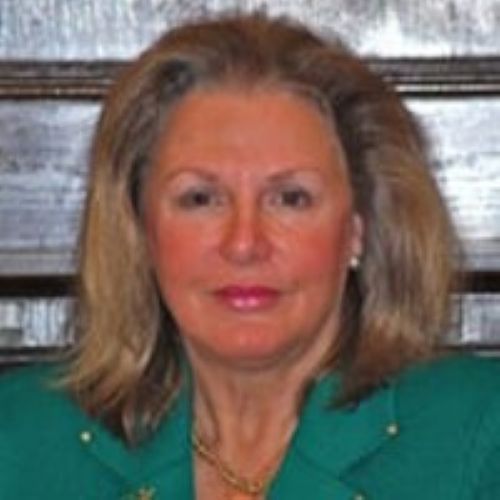
Mary Ewing
is a founding member of Mary Ewing Law Office PC. Having previously practiced for 20 years with Ewing & Ewing PC, she is a tireless advocate in her representation of those who have been injured as a result of an automobile collision, dangerous condition, defective product, or professional negligence. Ms. Ewing also represents those involved in divorce litigation, workers' compensation claims, Social Security claims, and employment matters. She has been a frequent presenter at numerous continuing legal education seminars, held a board position with the Colorado Trial Lawyers Association for 30 years, and was certified as a civil trial advocate by the National Board of Trial Advocacy. Ms. Ewing served as an adjunct professor of law at the University of Denver College of Law for many years, as well as on the teaching faculty for the National Institute for Trial Advocacy. She earned her B.A. degree from the University of Colorado and her J.D. degree from the University of Denver.
Speaker bio
Louis R. Cohan
founded Cohan Law Group, L.L.C., and has been a trial lawyer for more than 30 years. He has been recognized for his trial experience by admission into the American Board of Trial Advocates. Mr. Cohan has litigated more than $900 million in claims for his clients and recently secured a Verdict in excess of $66 million in a fraud case. He has done work in breach of contract, fraud, injunctive relief, punitive damages, employment, trade secrets, real estate, construction and construction defects, and civil rights litigation. Mr. Cohan's practice is concentrated on business litigation and employment litigation, as well as civil litigation. He earned his B.S. degree from the University of Georgia and his J.D. degree from Emory School of Law. Mr. Cohan has served as chair of the Litigation Section, the largest section of the Atlanta Bar Association. He has also chaired the Small Firm Section of the Atlanta Bar Association. Mr. Cohan has served on the Board of Directors for the Atlanta Bar Association; and has chaired the Atlanta Bar Foundation, the charitable arm of the Atlanta Bar Association. He has received awards and recognition for his community and legal work. These awards include Super Lawyer, Legal Elite, Martindale-Hubbell's preeminent AV rating, American Board of Trial Advocates, America's Top 100 Attorneys, and the Celebrating Service Award. For many years, Mr. Cohan has chaired the Legal Run Around 5k road race, raising money for the children of injured and fallen Atlanta Police Department officers.
TOP FAQs
Have more questions? Please Contact Us