

Pennsylvania Medicaid Planning and Special Needs Trusts
Credits Available
| Credit | Status | Total | Until |
|---|---|---|---|
| New Jersey CLE |
|
7.2 Total | 12-22-2026 |
| New York CLE |
|
7 Total | 04-08-2029 |
| Pennsylvania CLE |
|
6 Total | 04-08-2028 |
| West Virginia CLE |
|
7.2 Total | 04-08-2028 |


Buy This Course
OnDemand Video
Course Book Download
Overview
From Eligibility to Administration
Medicaid and special needs trust planning requires a careful balance of strategy, compliance, and compassion. This course unpacks state-specific rules on Medicaid eligibility, asset protection strategies, and drafting special needs trusts. Explore essential SNT provisions, tax traps, and administrative missteps that can jeopardize benefits. Equip yourself with the tools to craft effective, ethical plans in that hold up under scrutiny - register today!
- Discover methods for structuring client assets to preserve Medicaid eligibility under current rules.
- Gain confidence in choosing the right type of special needs trust to best serve your client.
- Draft custom-tailored SNT provisions that support long-term administration.
- Understand fiduciary duties of trustees and learn how to prevent missteps in ongoing trust management.
- Navigate tax treatment of special needs and Medicaid asset protection trusts, including key reporting obligations.
- Clarify the ethical responsibilities when representing vulnerable clients and couples.
Abbreviated Agenda
- Medicaid Eligibility Rules and Asset Limitations in Pennsylvania
- Comparing Types of Special Needs Trusts and Their Uses
- Drafting Special Needs Trusts: Best Practices and Pitfalls
- Strategic Asset Planning: Trusts, Transfers, and Spend-Downs
- Administering Special Needs Trusts in Compliance With Pennsylvania Law
- Tax Considerations in Medicaid and Special Needs Planning
- Ethical Considerations
Credit Details
Credits Available
| Credit | Status | Total | Until |
|---|---|---|---|
| New Jersey CLE |
|
7.2 Total | 12-22-2026 |
| New York CLE |
|
7 Total | 04-08-2029 |
| Pennsylvania CLE |
|
6 Total | 04-08-2028 |
| West Virginia CLE |
|
7.2 Total | 04-08-2028 |
Credit Details by Jurisdiction
CLE
Credits
New Jersey CLE Approved · 7.2 Total Credits
- 1.2 Ethics/Professionalism
Earn Until
OnDemand - New Jersey CLE - 7.2: This program has been approved by the Board on Continuing Legal Education of the Supreme Court of New Jersey for 7.20 hours of alternative format CLE credit. Of these, 1.20 qualifies as hours of alternative learning format credit for ethics/professionalism.
Video Download - New Jersey CLE - 7.2: This program has been approved by the Board on Continuing Legal Education of the Supreme Court of New Jersey for 7.20 hours of alternative format CLE credit. Of these, 1.20 qualifies as hours of alternative learning format credit for ethics/professionalism.
New York CLE Approved · 7 Total Credits
- 6 Areas of Professional Practice
- 1 Ethics/Professionalism
Earn Until
OnDemand - New York CLE - 7: This nontraditional format course has been approved in accordance with the requirements of the New York State Continuing Legal Education Board for up to 7.0 credit hours. 6.0 hours can be applied to the areas of professional practice requirement and is approved for experienced attorneys. 1.0 hour can be applied toward the Ethics/Professionalism requirement and is approved for experienced attorneys. NBI, Inc. offers a Financial Hardship Policy for qualifying individuals. To apply, please submit a request via email to our Tuition Discount Committee at customerservice@nbi-sems.com.
Video Download - New York CLE - 7: This nontraditional format course has been approved in accordance with the requirements of the New York State Continuing Legal Education Board for up to 7.0 credit hours. 6.0 hours can be applied to the areas of professional practice requirement and is approved for experienced attorneys. 1.0 hour can be applied toward the Ethics/Professionalism requirement and is approved for experienced attorneys. NBI, Inc. offers a Financial Hardship Policy for qualifying individuals. To apply, please submit a request via email to our Tuition Discount Committee at customerservice@nbi-sems.com.
Pennsylvania CLE Approved · 6 Total Credits
- 1 Ethics
Earn Until
OnDemand - Pennsylvania CLE - 6: This program has been approved by the Pennsylvania Continuing Legal Education Board. This program qualifies for 6.0 hours of distance learning credit, including 5.0 hours of substantive law, practice and procedure CLE credit and 1.0 hour of ethics, professionalism or substance abuse distance learning CLE credit.
Video Download - Pennsylvania CLE - 6: This program has been approved by the Pennsylvania Continuing Legal Education Board. This program qualifies for 6.0 hours of distance learning credit, including 5.0 hours of substantive law, practice and procedure CLE credit and 1.0 hour of ethics, professionalism or substance abuse distance learning CLE credit.
West Virginia CLE Approved · 7.2 Total Credits
- 1.2 Ethics
Earn Until
OnDemand - West Virginia CLE - 7.2: This program qualifies for 7.20 hours of pre-recorded credit, which includes 1.20 hour of pre-recorded ethics credit, under the West Virginia Rules for Mandatory Continuing Legal Education.
Video Download - West Virginia CLE - 7.2: This program qualifies for 7.20 hours of pre-recorded credit, which includes 1.20 hour of pre-recorded ethics credit, under the West Virginia Rules for Mandatory Continuing Legal Education.
Select Jurisdiction
CLE
Agenda
-
Medicaid Eligibility Rules and Asset Limitations in Pennsylvania
- Medical Eligibility Criteria
- Income and Asset Threshold
- Treatment of Retirement Accounts, Annuities, and Life Insurance
- Key Exemptions and Their Evaluations
- Look-Back Period and Transfer Penalties
-
Comparing Types of Special Needs Trusts and Their Uses
- First-Party vs. Third-Party Trusts
- Funding Considerations
- What You Need to Know About Pooled Trusts
- SNT and ABLE Accounts: Roles and Limitations
- Choosing the Right Structure for Your Client
-
Drafting Special Needs Trusts: Best Practices and Pitfalls
- Essential SNT Provisions and Accompanying Documents (With Samples)
- Payback Clauses and Trustee Authority
- Drafting Discretionary Distribution Standards: Dos and Don'ts
- Planning for Beneficiaries With Varying Needs
- Language That Invites Scrutiny: Common Drafting Errors
-
Strategic Asset Planning: Trusts, Transfers, and Spend-Downs
- Converting to Excluded Assets
- Leveraging Medicaid Asset Protection Trusts (MAPTs)
- Promissory Notes and Private Annuities
- Effective vs. Ineffective Spend Down Strategies
- Handling Jointly Held Property
- Tips for Mitigating Transfer Penalties
-
Administering Special Needs Trusts in Compliance With Pennsylvania Law
- Trustee Duties and Liabilities
- Recordkeeping Best Practices
- Avoiding Costly Distribution Mistakes
- Modifying or Terminating a Special Needs Trust
-
Tax Considerations in Medicaid and Special Needs Planning
- Tax Classification and Consequences of First vs. Third-Party SNTs
- Special Needs Trusts as Qualified Disability Trusts: Benefits and Reporting
- Tax Treatment of Trust Income and Distributions
- Tax Traps in Joint Planning for Married Couples
- Reporting Requirements: Form 1041, K-1s, and Related Filings
-
Ethical Considerations
- Who is Your Client?
- Ethically Dealing With Third Parties
- Diminished or Fluctuating Capacity Considerations
- Representing Clients With Disabilities: Ethical Duties
- Avoiding Conflicts of Interest When Representing Couples
Who Should Attend
This legal course is designed for attorneys. Accountants, tax professionals, trustees, other fiduciaries, and paralegals will also benefit.
Speakers
Speaker bio
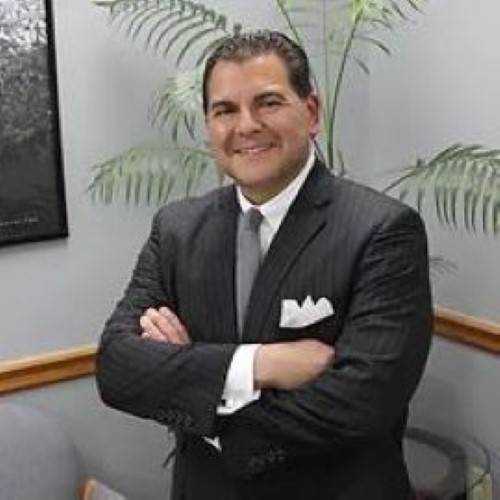
Michael W. Nalli
is the firm founder of Nalli, Elias & Associates, P.C., concentrating his law practice in the areas of estate planning, estate administration and related tax matters, elder law, guardianship, and real estate. He is a member of the Beaver County Bar Association, Pennsylvania Bar Association and is certified as an elder law attorney by the National Elder Law Foundation (NELF). Mr. Nalli earned his B.A. degree, summa cum laude, from Geneva College and his J.D. degree from Duquesne University.
Speaker bio
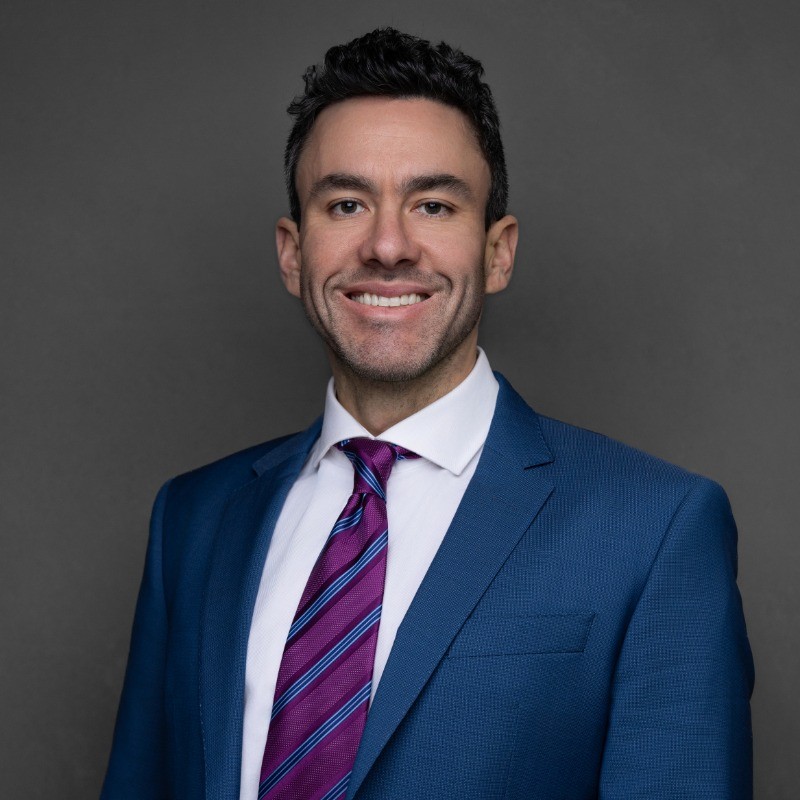
Adam J. Cohen
works with clients across Pennsylvania and New Jersey, focusing on estate and trust administration, elder law, and fiduciary litigation. He has extensive experience handling complex guardianship matters and is a leader in representing disabled individuals, their families, and corporate fiduciaries in establishing and administering special needs trusts. Mr. Cohen also provides advice and guidance to personal injury attorneys and their clients on structuring and preserving recoveries for minors and disabled beneficiaries, helping them secure financial stability while protecting eligibility for public benefits. With a compassionate approach, Mr. Cohen prioritizes listening to and understanding his clients' needs, ensuring that each legal strategy is tailored to their unique circumstances. Mr. Cohen is actively involved in professional leadership. He serves as the treasurer of the Pennsylvania Bar Association Elder Law Section and is the editor of the Elder Law Section newsletter. He has previously taught continuing legal education courses on guardianship issues, and multi-jurisdictional personal injury settlement topics.
Speaker bio
Edward F. Twomey
is an attorney with The Lynch Law Group, LLC. He is in the corporate, and estates and trusts practice groups. Mr. Twomey understands that the estate planning process can be complex and confusing. For more than 12 years, he has assisted families and individuals in Pittsburgh in creating customized estate plans that fit their needs. Mr. Twomey also has significant experience in wills, trusts, powers of attorney, healthcare directives, guardianships, and charitable gifts. In addition, he helps business owners who are seeking to plan for the legacy of their business navigate the complex business succession planning process. Mr. Twomey earned his B.S. degree from Duquesne University and his J.D. degree from the University of Pittsburgh School of Law.
Speaker bio
Drew Durbin
is a tax and estate planning attorney at The Lynch Law Group, LLC. He brings a thoughtful, client-centered approach to helping individuals, families, and business owners navigate complex legal and financial decisions. Mr. Durbin's practice focuses on the intersection of tax, estate, and corporate law, with a particular emphasis on trust and estate planning strategies and related tax implications He is especially skilled at making intricate tax and legal concepts accessible. Whether guiding clients through business succession planning or securing tax clearance during estate administration, Mr. Durbin maintains a clear focus: delivering practical solutions with care and clarity. He understands that his clients are in uncharted territory, and his approach is to proactively anticipate their needs and lead with empathy. Mr. Durbin earned his J.D. degree from the University of Pittsburgh School of Law, where he completed a certificate in tax law and served as managing editor of the Pittsburgh Tax Review. He is currently pursuing an LL.M. in taxation from Villanova University, further deepening his expertise in trusts, estates, and tax law.
TOP FAQs
Have more questions? Please Contact Us