

Challenging a Will or Trust: Complex Tactics for Experienced Practitioners
Credits Available
| Credit | Status | Total | Until |
|---|---|---|---|
| Alaska CLE |
|
3 Total | 05-28-2028 |
| Alabama CLE |
|
3 Total | 12-31-2026 |
| Arkansas CLE |
|
3 Total | 06-30-2026 |
| Arizona CLE |
|
3 Total | 05-28-2028 |
| California CLE |
|
3 Total | 05-28-2028 |
| Colorado CLE |
|
4 Total | 12-31-2028 |
| Connecticut CLE |
|
3 Total | 05-28-2028 |
| Delaware CLE |
|
3 Total | 05-28-2028 |
| Florida CLE |
|
3.5 Total | 11-30-2027 |
| Georgia CLE |
|
3 Total | 12-31-2027 |
| Hawaii CLE |
|
3 Total | 05-28-2028 |
| Iowa CLE |
|
3 Total | 05-28-2027 |
| Idaho CLE |
|
3 Total | 06-21-2029 |
| Illinois CLE |
|
3 Total | 05-26-2028 |
| Indiana CLE |
|
3 Total | 05-28-2027 |
| Kansas CLE |
|
3.5 Total | 05-27-2027 |
| Kentucky CLE |
|
3 Total | 06-30-2026 |
| Louisiana CLE |
|
3 Total | 05-28-2027 |
| Maine CLE |
|
3 Total | 05-26-2028 |
| Minnesota CLE |
|
3 Total | 05-28-2028 |
| Missouri CLE |
|
3.6 Total | 05-28-2028 |
| Northern Mariana Islands CLE |
|
3 Total | 05-28-2028 |
| Mississippi CLE |
|
3 Total | 07-31-2026 |
| Montana CLE |
|
3 Total | 05-28-2029 |
| North Carolina CLE |
|
3 Total | 02-28-2027 |
| North Dakota CLE |
|
3 Total | 05-28-2029 |
| Nebraska CLE |
|
3 Total | 05-28-2028 |
| New Hampshire CLE |
|
3 Total | 05-28-2029 |
| New Jersey CLE |
|
3.6 Total | 02-10-2027 |
| New Mexico CLE |
|
3 Total | 05-28-2028 |
| Nevada CLE |
|
3 Total | 05-28-2029 |
| New York CLE |
|
3.5 Total | 05-28-2029 |
| Ohio CLE |
|
3 Total | 12-31-2026 |
| Oklahoma CLE |
|
3.5 Total | 05-28-2028 |
| Oregon CLE |
|
3 Total | 05-28-2029 |
| Pennsylvania CLE |
|
3 Total | 05-28-2028 |
| Rhode Island CLE |
|
3.5 Total | 06-30-2026 |
| South Carolina CLE |
|
3 Total | 12-31-2026 |
| Tennessee CLE |
|
3 Total | 05-27-2028 |
| Texas CLE |
|
3 Total | 04-30-2027 |
| Utah CLE |
|
3 Total | 12-31-2026 |
| Virginia CLE |
|
3 Total | 10-31-2026 |
| Vermont CLE |
|
3 Total | 05-28-2028 |
| Washington CLE |
|
3 Total | 05-27-2031 |
| Wisconsin CLE |
|
3.5 Total | 12-31-2027 |
| West Virginia CLE |
|
3.6 Total | 05-28-2028 |
| Wyoming CLE |
|
3 Total |
Buy This Course
OnDemand Video
Course Book Download
or
Overview
Build Your Skills Through Case Studies and Insights From the Industry's Top Experts
When a bequest is challenged by suddenly disinherited children or former business partners, will you know how to prove the validity of the estate planning documents? This course delves into the intricate and nuanced strategies involved in challenging (and defending) a will or a trust. Skip the basics and address the top problems you'll face. Come away with working samples of petitions to invalidate, effective responses, and settlement provisions. Experienced attorney faculty will weigh in on what legal arguments work best in specific scenarios and will work through two fact patterns you're likely to encounter. Elevate your skills - register today!
- Explore case law that addresses the notoriously difficult-to-prove lack of testamentary capacity.
- Walk through illuminating scenarios involving alleged undue influence by caregivers and romantic partners.
- Improve outcomes in mediation and at court hearings with hard-won tactics from the pros.
- Gain insights into deed contests, covering issues of constructive fraud, forgery, statute of limitations, and sample causes of action.
This program was designed in conjunction with NBI's esteemed 2023-2025 Content Advisory Committee Member Louis Silverman.
Abbreviated Agenda
- Proving and Disproving Lack of Testamentary Capacity
- Undue Influence: Discovery, Briefs, Witness Testimony
- Fraud and Forgery
- ADR, Settlement Negotiations, and Hearing Tactics
- Bonus Topic: Deed Contests
Credit Details
Credits Available
| Credit | Status | Total | Until |
|---|---|---|---|
| Alaska CLE |
|
3 Total | 05-28-2028 |
| Alabama CLE |
|
3 Total | 12-31-2026 |
| Arkansas CLE |
|
3 Total | 06-30-2026 |
| Arizona CLE |
|
3 Total | 05-28-2028 |
| California CLE |
|
3 Total | 05-28-2028 |
| Colorado CLE |
|
4 Total | 12-31-2028 |
| Connecticut CLE |
|
3 Total | 05-28-2028 |
| Delaware CLE |
|
3 Total | 05-28-2028 |
| Florida CLE |
|
3.5 Total | 11-30-2027 |
| Georgia CLE |
|
3 Total | 12-31-2027 |
| Hawaii CLE |
|
3 Total | 05-28-2028 |
| Iowa CLE |
|
3 Total | 05-28-2027 |
| Idaho CLE |
|
3 Total | 06-21-2029 |
| Illinois CLE |
|
3 Total | 05-26-2028 |
| Indiana CLE |
|
3 Total | 05-28-2027 |
| Kansas CLE |
|
3.5 Total | 05-27-2027 |
| Kentucky CLE |
|
3 Total | 06-30-2026 |
| Louisiana CLE |
|
3 Total | 05-28-2027 |
| Maine CLE |
|
3 Total | 05-26-2028 |
| Minnesota CLE |
|
3 Total | 05-28-2028 |
| Missouri CLE |
|
3.6 Total | 05-28-2028 |
| Northern Mariana Islands CLE |
|
3 Total | 05-28-2028 |
| Mississippi CLE |
|
3 Total | 07-31-2026 |
| Montana CLE |
|
3 Total | 05-28-2029 |
| North Carolina CLE |
|
3 Total | 02-28-2027 |
| North Dakota CLE |
|
3 Total | 05-28-2029 |
| Nebraska CLE |
|
3 Total | 05-28-2028 |
| New Hampshire CLE |
|
3 Total | 05-28-2029 |
| New Jersey CLE |
|
3.6 Total | 02-10-2027 |
| New Mexico CLE |
|
3 Total | 05-28-2028 |
| Nevada CLE |
|
3 Total | 05-28-2029 |
| New York CLE |
|
3.5 Total | 05-28-2029 |
| Ohio CLE |
|
3 Total | 12-31-2026 |
| Oklahoma CLE |
|
3.5 Total | 05-28-2028 |
| Oregon CLE |
|
3 Total | 05-28-2029 |
| Pennsylvania CLE |
|
3 Total | 05-28-2028 |
| Rhode Island CLE |
|
3.5 Total | 06-30-2026 |
| South Carolina CLE |
|
3 Total | 12-31-2026 |
| Tennessee CLE |
|
3 Total | 05-27-2028 |
| Texas CLE |
|
3 Total | 04-30-2027 |
| Utah CLE |
|
3 Total | 12-31-2026 |
| Virginia CLE |
|
3 Total | 10-31-2026 |
| Vermont CLE |
|
3 Total | 05-28-2028 |
| Washington CLE |
|
3 Total | 05-27-2031 |
| Wisconsin CLE |
|
3.5 Total | 12-31-2027 |
| West Virginia CLE |
|
3.6 Total | 05-28-2028 |
| Wyoming CLE |
|
3 Total |
Select Jurisdiction
CLE
Agenda
-
Proving and Disproving Lack of Testamentary Capacity
- Tests of Testamentary Capacity (Including Court Opinions Finding Decedent to be Incapacitated (or Not))
- Investigation and Gathering the Facts of Decedent's Incapacity
- Drafting the Petition to Invalidate the Will or Trust (With Sample Language for Various Fact Patterns)
- Drafting the Response: Top Defenses
- The Role of Medical Records and Doctor Testimony
- Lay Witness Testimony
-
Undue Influence: Discovery, Briefs, Witness Testimony
- Defining the "Principal Beneficiary"
- Demonstrating the Influencer's Active Participation in Drafting and Execution of the Will or Trust
- Proving "Fraudulent Representations to the Testator"
- Examining Prior Declarations and Prior Estate Planning of the Testator
- Case Study #1: Undue Influence by a Caregiver
- Case Study #2: Late-in-Life Romantic Relationship
-
Fraud and Forgery
- Grounds for Fraud
- Proving the Authenticity and Spotting/Proving Forgery
- The Trouble With Holographic Wills
- Remote Notarization and E-Signing Issues
- Risks of Lack of Attorney Oversight
- Case Law Applying "Harmless Error" Rule to Electronic Wills
-
ADR, Settlement Negotiations, and Hearing Tactics
- Mediation: Working Through Common Points of Contention
- Drafting Settlement Agreements (With Sample Provisions)
- Court Hearings: Tips and Best Practices
-
Bonus Topic: Deed Contests
- Deeds That are Procured by Constructive Fraud
- Deeds That are Procured Through Forgery
- Statute of Limitation Issues and the Application of the Discovery Rule
- Sample Causes of Action
Who Should Attend
This advanced level course is designed for experienced attorneys.
Speakers
Speaker bio
Randall D. Fisher, Esq.
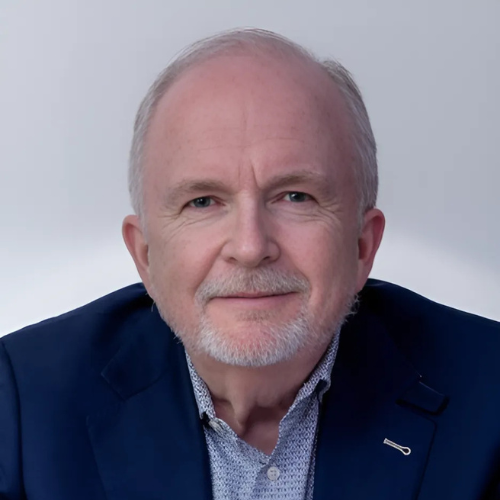
is a senior counsel at Elville and Associates. He practices in the areas of estate planning, probate and estate administration, business succession planning, and asset protection. Mr. Fisher earned his J.D. degree from Texas Tech University. He he has been elected to the Maryland Super Lawyers by his peers for the past two years. Mr. Fisher is a member of WealthCounsel, a national network of estate and financial planning practitioners who collaborate to ensure changes in the law are reflected in the work they do for their clients. He is also a member of a number of community and professional organizations, including Rotary International, Anne Arundel County Bar Association, District of Columbia Bar Association, Maryland Bar Association, Wyoming Bar Association, State Bar of Texas and American Bar Association. Mr. Fisher is admitted to practice law in Maryland, District of Columbia, and before the Second and Third Circuit Court of Appeals.
Speaker bio
Laurence C. Osborn
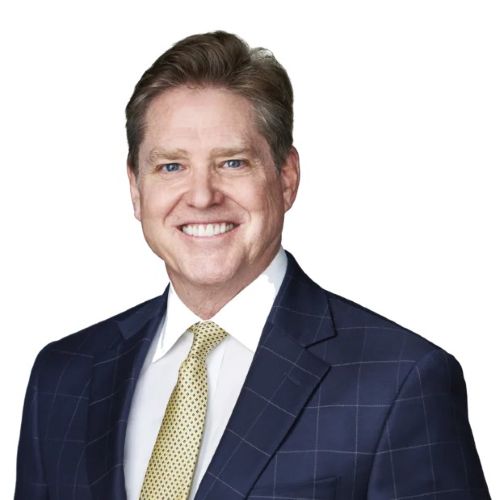
is a partner at Keystone Law Group, P.C., where he brings more than 30 years of litigation experience in probate, trust, business, real estate, and general civil matters in both state and federal courts. His practice includes representing conservators, beneficiaries, heirs, executors, trustees, and fiduciaries in complex probate disputes, including contested conservatorships, will and trust contests, fiduciary misconduct claims, reverse mortgage disputes, and accounting and creditor matters. Prior to joining Keystone Law Group, Mr. Osborn was a litigation partner at Baker, Keener & Nahra LLP, where he handled high-value real property disputes, business and entity dissolutions, class action defense, and professional liability claims. Mr. Osborn is admitted to practice law in California; the United States District courts for the Eastern, Central, and Southern districts of California; and the United States Court of Appeals for the Ninth Circuit. He earned his undergraduate degree in business administration from the University of Texas at Dallas and his law degree from Pepperdine University School of Law.
Speaker bio
Philip C. Pires, Esq.
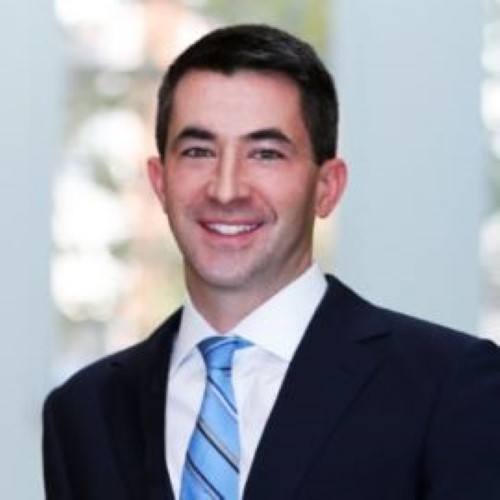
is a principal in the law firm of Cohen and Wolf, P.C. A persuasive and successful litigator, he has handled a variety of litigation matters including complex commercial disputes, breach of fiduciary duty claims, partnership and shareholder disputes, adverse possession claims, prescriptive easement claims, quiet title actions, landlord/tenant cases, and collection actions. Mr. Pires frequently appears in the Connecticut Probate Court system representing beneficiaries, fiduciaries, and creditors in a variety of probate litigation matters. In addition to litigation, he practices in the municipal and land use and zoning arena, regularly appearing before planning and zoning commissions, inland wetlands commissions, zoning boards of appeals, the Connecticut Siting Council, and other administrative agencies, advocating for applicants, developers, property owners, and neighborhood groups. Mr. Pires also regularly counsels municipalities and property owners in commercial and residential property tax appeals. As a former member of his hometown's governing board, his firsthand knowledge of the inner workings of town administration offers valuable insight to his clients. Mr. Pires earned his B.A. degree from Haverford College and his J.D. degree, with honors, from the University of Connecticut School of Law.
Speaker bio
Brittany Kaczmarczyk
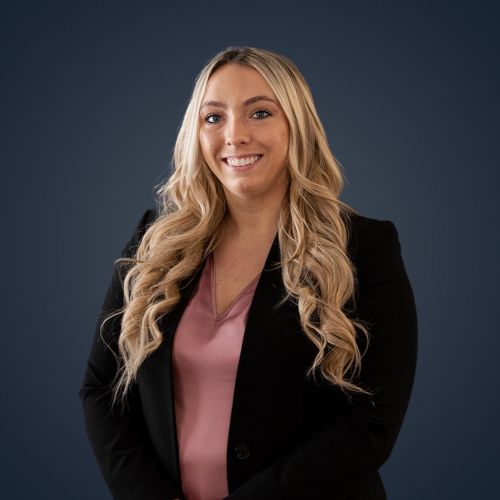
is an associate in Reminger Co., LPA's Cleveland and Akron offices. She focuses her legal practice in estates, trusts, probate litigation, and guardianship. Ms. Kaczmarczyk represents clients in the pursuit and defense of cases involve trust and will contests, power of attorney abuse, declaratory judgments to invalidate financial or real estate transactions, fiduciary liability, and breach of trust. She counsels clients through all phases of the probate litigation process, including factual investigation, pleadings, discovery, motion practice, mediation, evidentiary hearings, and trial. In addition to litigation, Ms. Kaczmarczyk handles estate and trust administration as well as assists clients in applying for as well as personally serving as guardian. She has reviewed hundreds of thousands of pages of documents, researched complex issues of law, developed case strategies, and successfully obtained results for her clients through motion practice, mediation, and trial. Ms. Kaczmarczyk regularly presents on issues involving probate litigation. She graduated, cum laude, from the Cleveland State College of Law where she served as an Associate on the Cleveland State Law Review and served as president of Cleveland State's law school chapter of Phi Alpha Delta law fraternity. Ms. Kaczmarczyk remains active in the community through her continued involvement in Ladder Down, Cleveland as well as several bar associations.
TOP FAQs
Have more questions? Please Contact Us