

AI Prompting Deep Dive for Lawyers
Credits Available
| Credit | Status | Total | Until |
|---|---|---|---|
| Alaska CLE |
|
3 Total | 06-29-2028 |
| Alabama CLE |
|
3 Total | 12-31-2026 |
| Arkansas CLE |
|
3 Total | 06-30-2027 |
| Arizona CLE |
|
3 Total | 06-29-2028 |
| California CLE |
|
3 Total | 06-29-2028 |
| Colorado CLE |
|
4 Total | 12-31-2028 |
| Connecticut CLE |
|
3 Total | 06-29-2028 |
| Delaware CLE |
|
3 Total | 06-29-2028 |
| Florida CLE |
|
3.5 Total | 12-31-2027 |
| Georgia CLE |
|
3 Total | 12-31-2027 |
| Hawaii CLE |
|
3 Total | 06-29-2028 |
| Iowa CLE |
|
3 Total | 06-29-2027 |
| Idaho CLE |
|
3 Total | 06-29-2031 |
| Illinois CLE |
|
3 Total | 06-28-2028 |
| Indiana CLE |
|
3 Total | 06-29-2027 |
| Kansas CLE |
|
3.5 Total | 06-28-2027 |
| Kentucky CLE |
|
3 Total | 06-30-2027 |
| Louisiana CLE |
|
3 Total | 06-29-2027 |
| Maine CLE |
|
3 Total | 06-27-2028 |
| Minnesota CLE |
|
3 Total | 06-29-2028 |
| Missouri CLE |
|
3.6 Total | 06-29-2028 |
| Northern Mariana Islands CLE |
|
3 Total | 06-29-2028 |
| Montana CLE |
|
3 Total | 06-29-2029 |
| North Carolina CLE |
|
3 Total | 02-28-2027 |
| North Dakota CLE |
|
3 Total | 06-29-2029 |
| Nebraska CLE |
|
3 Total | 06-29-2028 |
| New Hampshire CLE |
|
3 Total | 06-29-2029 |
| New Jersey CLE |
|
3.6 Total | 03-10-2027 |
| New Mexico CLE |
|
3 Total | 06-29-2028 |
| Nevada CLE |
|
3 Total | 06-29-2029 |
| New York CLE |
|
3.5 Total | 06-29-2029 |
| Ohio CLE |
|
3 Total | 12-31-2026 |
| Oklahoma CLE |
|
3.5 Total | 06-29-2028 |
| Oregon CLE |
|
3 Total | 06-29-2029 |
| Pennsylvania CLE |
|
3 Total | 06-29-2028 |
| Rhode Island CLE |
|
3.5 Total | 06-30-2027 |
| South Carolina CLE |
|
3 Total | 12-31-2026 |
| Tennessee CLE |
|
3 Total | 06-28-2028 |
| Texas CLE |
|
3 Total | 05-31-2027 |
| Utah CLE |
|
3 Total | 12-31-2026 |
| Virginia CLE |
|
3 Total | 10-31-2026 |
| Vermont CLE |
|
3 Total | 06-29-2028 |
| Washington CLE |
|
3 Total | 06-28-2031 |
| Wisconsin CLE |
|
3.5 Total | 12-31-2027 |
| West Virginia CLE |
|
3.6 Total | 06-29-2028 |
| Wyoming CLE |
|
3 Total |

Buy This Course
OnDemand Video
Course Book Download
Overview
Are Your AI Prompts Generating Useless Responses? Here's What to Do Instead
When it comes to artificial intelligence (AI) in the legal profession, surface-level prompts deliver surface-level results. In this specialized course, industry experts take you beyond the basics and show you how to design and refine AI prompts that enhance legal research, drafting, and more. From essential guidelines for calibrating prompt specificity to ingenious tips for preventing meaning drift during revisions, gain the tools you need to sharpen your expertise - register today!
- Discover the core components of an effective prompt.
- Determine how to craft better prompts for legal research and analysis.
- Examine best practices for drafting and redlining legal documents.
- Formulate strategies for revising prompts to reflect policy changes.
*Any mention of specific products in this program is intended as part of a general overview and does not constitute NBI's endorsement or recommendation of any specific product or provider. This program is not sponsored by any technology or electronics provider.
Abbreviated Agenda
- Prompt Architecture for Legal Workflows - Explained
- Precision Prompting for Legal Research and Analysis
- Prompting for Drafting and Redlining Legal Documents (With Iteration)
- Best Practices in Prompting for Risk Analysis and Issue Spotting
- Essentials of Prompt Documentation and Reusability
Credit Details
Credits Available
| Credit | Status | Total | Until |
|---|---|---|---|
| Alaska CLE |
|
3 Total | 06-29-2028 |
| Alabama CLE |
|
3 Total | 12-31-2026 |
| Arkansas CLE |
|
3 Total | 06-30-2027 |
| Arizona CLE |
|
3 Total | 06-29-2028 |
| California CLE |
|
3 Total | 06-29-2028 |
| Colorado CLE |
|
4 Total | 12-31-2028 |
| Connecticut CLE |
|
3 Total | 06-29-2028 |
| Delaware CLE |
|
3 Total | 06-29-2028 |
| Florida CLE |
|
3.5 Total | 12-31-2027 |
| Georgia CLE |
|
3 Total | 12-31-2027 |
| Hawaii CLE |
|
3 Total | 06-29-2028 |
| Iowa CLE |
|
3 Total | 06-29-2027 |
| Idaho CLE |
|
3 Total | 06-29-2031 |
| Illinois CLE |
|
3 Total | 06-28-2028 |
| Indiana CLE |
|
3 Total | 06-29-2027 |
| Kansas CLE |
|
3.5 Total | 06-28-2027 |
| Kentucky CLE |
|
3 Total | 06-30-2027 |
| Louisiana CLE |
|
3 Total | 06-29-2027 |
| Maine CLE |
|
3 Total | 06-27-2028 |
| Minnesota CLE |
|
3 Total | 06-29-2028 |
| Missouri CLE |
|
3.6 Total | 06-29-2028 |
| Northern Mariana Islands CLE |
|
3 Total | 06-29-2028 |
| Montana CLE |
|
3 Total | 06-29-2029 |
| North Carolina CLE |
|
3 Total | 02-28-2027 |
| North Dakota CLE |
|
3 Total | 06-29-2029 |
| Nebraska CLE |
|
3 Total | 06-29-2028 |
| New Hampshire CLE |
|
3 Total | 06-29-2029 |
| New Jersey CLE |
|
3.6 Total | 03-10-2027 |
| New Mexico CLE |
|
3 Total | 06-29-2028 |
| Nevada CLE |
|
3 Total | 06-29-2029 |
| New York CLE |
|
3.5 Total | 06-29-2029 |
| Ohio CLE |
|
3 Total | 12-31-2026 |
| Oklahoma CLE |
|
3.5 Total | 06-29-2028 |
| Oregon CLE |
|
3 Total | 06-29-2029 |
| Pennsylvania CLE |
|
3 Total | 06-29-2028 |
| Rhode Island CLE |
|
3.5 Total | 06-30-2027 |
| South Carolina CLE |
|
3 Total | 12-31-2026 |
| Tennessee CLE |
|
3 Total | 06-28-2028 |
| Texas CLE |
|
3 Total | 05-31-2027 |
| Utah CLE |
|
3 Total | 12-31-2026 |
| Virginia CLE |
|
3 Total | 10-31-2026 |
| Vermont CLE |
|
3 Total | 06-29-2028 |
| Washington CLE |
|
3 Total | 06-28-2031 |
| Wisconsin CLE |
|
3.5 Total | 12-31-2027 |
| West Virginia CLE |
|
3.6 Total | 06-29-2028 |
| Wyoming CLE |
|
3 Total |
Select Jurisdiction
CLE
Agenda
-
Prompt Architecture for Legal Workflows - Explained
- Formulating the Structure Behind AI Outputs
- Core Components of Effective Legal Prompts: What Are They?
- Translating Legal Reasoning Into Machine-Readable Instructions
- Calibrating Prompt Specificity and Depth
- Embedding Prompts Into End-to-End Workflows
-
Precision Prompting for Legal Research and Analysis
-
Prompting for Drafting and Redlining Legal Documents (With Iteration)
- Drafting Legal Documents: Prompt Strategies You Need to Know
- Single-Step Prompts vs. Prompt Chaining
- How to Prompt for Targeted Revisions Instead of Full Rewrites
- Iterative Prompting for Draft Development and Refinement
- Useful Tips for Preventing Substantive Meaning Drift During Revisions
-
Best Practices in Prompting for Risk Analysis and Issue Spotting
-
Essentials of Prompt Documentation and Reusability
- Best Practices for Documenting Prompt Purpose, Outputs, and Assumptions
- Tips for Crafting Prompts for Reusability Across Practice Areas and Matter Types
- Storing, Organizing, and Sharing Prompts Through Internal Libraries
- Reviewing and Revising Prompts to Reflect Legal Changes: Why It Matters
Who Should Attend
This program is designed for attorneys. Paralegals may also benefit.
Speakers
Speaker bio
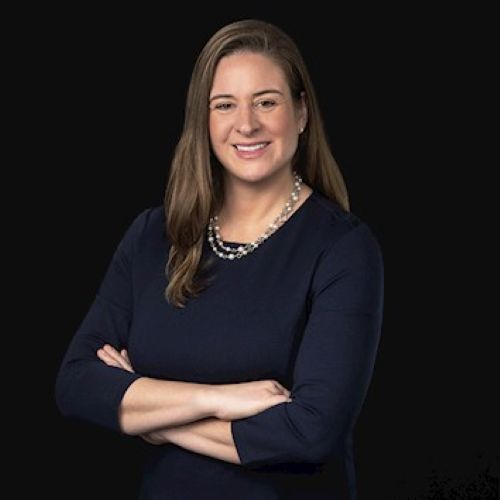
Morgan Perna
is an attorney with the Washington D.C. office of Cooley LLP. As a technologically fluent and pragmatic data, privacy and artificial intelligence (AI) risk management advisor, she advises global organizations, startups and regulated entities on legal and regulatory issues at the forefront of emerging technologies. Covering the life cycle of data-driven offerings, Ms. Perna helps companies assess and mitigate privacy and cybersecurity risks and implement practical, scalable governance structures to support business initiatives in the technology, life sciences and consumer sectors. She is trusted by leadership, engineering, product and information technology teams for her ability to align risk tolerance with business objectives and deliver right-sized, right-timed strategy and advice. Ms. Perna advises clients across industries and risk profiles on governance, data and regulatory risks spanning the AI life cycle. She tailors AI governance frameworks, data acquisition strategies and compliance plans for companies across the AI value chain. Ms. Perna previously served as seconded product counsel for Apple Intelligence products. She architects end-to-end global privacy compliance programs with risk management solutions, addressing myriad global privacy risks and compliance obligations, including those relating to consumer protection, biometrics, wiretapping, cross-border data transfers and third-party risk management. Ms. Perna earned her B.A. degree from University of Maryland and J.D. degree, summa cum laude, from University of Baltimore School of Law.
Speaker bio
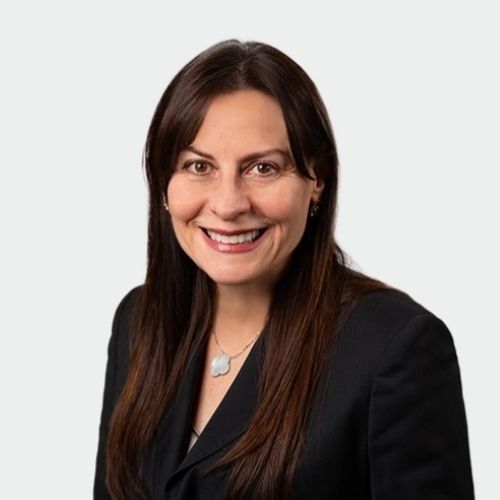
Susan M. Kayser
is a partner with Baker Hostetler. She is a nationally recognized intellectual property litigator and counselor to international and emerging brands on trademark, advertising and copyright matters. Ms. Kayser represents clients from numerous industries, including fashion, apparel, luxury, consumer products and food and beverage. She has significant experience obtaining and defeating temporary restraining orders and preliminary injunctions in trademark and copyright matters, including complex contributory infringement matters on behalf of brands. A leading trademark lawyer for both contentious and non-contentious matters, Ms. Kayser manages multibillion-dollar global trademark portfolios; negotiates multijurisdictional disputes; and leads IP due diligence for brand acquisitions. She has achieved significant victories for clients before the U.S. Patent and Trademark Office, Trademark Trial and Appeal Board and National Arbitration Forum. Ms. Kayser’s copyright experience includes the protection and enforcement of works such as fabric designs, artwork and architectural plans, and she represents clients on moral rights under the Visual Artists Rights Act. In addition, she advises clients on the intersection of intellectual property and emerging technologies, particularly artificial intelligence, offering guidance on compliance policies, AI best practices, vendor agreement review and risk management. Ms. Kayser has been named as an “IP Trailblazer” by the National Law Journal and an “IP Star” multiple times by Managing Intellectual Property. She is also regularly recognized by the World Trademark Review as a leading trademark practitioner (both litigation and non-contentious). Ms. Kayser earned her B.A. degree from American University and her J.D. degree, magna cum laude, from American University Washington College of Law.
Speaker bio
Keehle Amicon
is an intellectual property associate handling a broad range of litigation, prosecution, and licensing matters. Her practice is informed by her experience in the fashion industry, where she developed a practical understanding of how legal strategy intersects with evolving business and technological considerations. She incorporates AI into her practice as a strategic tool, developing targeted prompts to support problem-solving in trademark clearance, prosecution, and disputes as well as to enhance the precision, efficiency, and clarity of legal drafting. She received her BA, magna cum ladue, from Rollins College and JD, summa cum laude, from New York Law School.
TOP FAQs
Have more questions? Please Contact Us