

Buy This Course
OnDemand Video
Video Download
Course Book Download
or
Overview
Get the Latest on Medicaid Application and Asset Planning Tactics
Middle class Americans seeking asset protection cannot afford to ignore the potentially devastating costs of nursing home and other long-term care. Nursing homes are among the most common and largest creditors an average American is likely to face in his or her lifetime, but only about 10% of the population has long-term care insurance. For the other 90%, Medicaid is the primary source of payment, so a basic understanding of the Medicaid asset protection process is vital for all professionals who work with seniors and their families. This course will provide an overview of asset protection concepts and strategies that elder law attorneys can use to legally and ethically protect assets while facilitating earlier Medicaid eligibility; and a set of crisis-management tools to prevent and correct inadvertent loss of benefits. Register today!
- Learn what the income eligibility requirements are when applying for Medicaid.
- Protect your clients' interests by knowing what's exempt and what's not.
- Employ the most practical and effective asset transfer methods to comply with the spend-down requirement.
- Explore crisis planning methods to restore Medicaid benefits as quickly as possible.
- Guide clients through the Medicaid qualification process by knowing what's involved.
Abbreviated Agenda
- Applying for Medicaid - The Four Eligibility Requirements
- Pre-Need Asset Planning
- Crisis Planning and Assistance
- Trust-Based Medicaid Planning in Detail
- Using Special Needs Trusts - Sample Trust Review
- Applied Legal Ethics
Credit Details
Credits Available
| Credit | Status | Total | Until |
|---|---|---|---|
| Montana CLE |
|
6 Total | 01-18-2026 |
Select Jurisdiction
CLE
Agenda
-
Applying for Medicaid - The Four Eligibility Requirements
- Medical Eligibility: The Needs Assessment
- Resource Eligibility: Exempt vs. Countable Assets
- Income Eligibility
- Transfer Eligibility
- The Lookback Periods
- Transfers and Penalty Periods
- Transfer Penalty
- Penalty Beginning Date
- Partial Months of Ineligibility
- Monthly Maintenance Need Allowance (MMMNA) for the Community Spouse
- Annuity Transfer Rules and Tactics
- Estate Recovery Rules
- Current Medicaid Planning Programs and Rules
-
Pre-Need Asset Planning
- Medicaid Planning for Single vs. Married Applicants
- Transferring Real Property Without Jeopardizing Medicaid Eligibility
- When Does the Home Become a Countable Asset?
- How is "Intent to Return Home" Interpreted?
- Titling of the Home and Basic Homestead Issues in a Medicaid Planning Context
- Life Estates
- Asset Valuation - Fair Market Value under DRA
- Using Life Insurance to Spend Down
- Interstate Transfers
- Protecting Veterans Benefits
- The Gifting Powers in Powers of Attorney
-
Crisis Planning and Assistance
- Asset Purchase Strategies Available
- Purchases
- Payments
- Asset Transfer Strategies Available
- How to Transfer Residence to Caregiver Child
- How to Transfer Residence to Sibling With Equity Interest Who's Resided There for at Least One Year
- How to Transfer Residence Subject to Life Estate
- How to Transfer Residence Subject to Occupancy Agreement
- Caregiver Agreement Between Parent and Child
- Contesting/Appealing the Penalty Period Dates and Other Adverse Medicaid Decisions
- Asset Purchase Strategies Available
-
Trust-Based Medicaid Planning in Detail
- Choosing the Assets for Funding the Trusts
- Key Provisions and Sample Trust Language
- Self-Settled Trusts and Their Impact on Eligibility
- Using Income-Only Trusts
- Purpose of Using IOTs
- Principal Distribution Provision
- Taxation of IOTs
- Income Taxation and Tax Reporting
- Gift Tax and Reporting
-
Using Special Needs Trusts - Sample Trust Review
- When Can SNTs be Used?
- Drafting an SNT - Common Mistakes to Avoid
- Documenting the Assets Transfer into the Trust
- Choosing a Suitable Trustee
- Sample Special Needs Trust Document Review
-
Applied Legal Ethics
- Avoiding Conflicts of Interest (Who is Your Client?)
- Dealing With Clients' Diminishing Mental Capacity
- Spotting and Preventing Elder Abuse
- Appropriate Client Communications
- Navigating Through Family Conflict
- Setting and Collecting Attorney Fees
Who Should Attend
This basic level online seminar is designed for:
- Attorneys
- Nursing Home Administrators
- Social Workers
- Geriatric Care Managers
- Trust Officers
- Accountants and CPAs
- Estate and Financial Planners
- Paralegals
Speakers
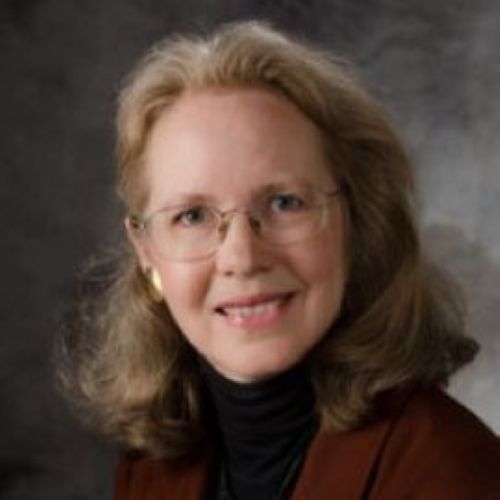



Speaker bio
Sol Lovas
is a sole practitioner with Legacy Law Center, P.C. in Billings. Ms. Lovas practices in the areas of estate planning, wills and trusts, Medicaid planning, special needs, and elder law. She is a frequent speaker for community and professional programs on these topics. Ms. Lovas earned her B.A. degree from Alaska Pacific University and her J.D. degree from the University of Montana School of Law. She is the first and only certified elder law attorney (CELA)* in the state of Montana, certified as an elder law Attorney by the National Elder Law Foundation, the ABA-accredited certifying agency for elder law attorneys.
Speaker bio
Cassie R. Dellwo
is one of the founding members of Five Valleys Law, P.L.L.C. in Missoula. Ms. Dellwo focuses on the areas of real estate, estate planning, and business law. Prior to founding Five Valleys Law, P.L.L.C., she worked in North Dakota at a law firm practicing in the areas of foreclosure, bankruptcy, real estate, agricultural law, oil and gas, estate planning, business law, and litigation. In addition to her work in the office, Ms. Dellwo serves on the Western Montana Estate Planning Council, a group that focuses on ensuring its members have the most current and innovative ways to assist their clients. She is currently the president of the group. Ms. Dellwo is also on the Protection & Advocacy for Individuals with Mental Illness (PAIMI) Advisory Council, a group that works directly with disability rights Montana. She earned her B.A. degree from Jamestown College and her J.D. degree from the University of Montana School of Law. Ms. Dellwo is admitted to practice in Montana and North Dakota.
Speaker bio
Stefan Kolis
is the managing attorney at Montana Elder Law, Inc., in Missoula. Mr. Kolis specializes in writing estate plans for Montanans. He writes plans for folks which allow middle class families to pass on their most cherished assets, while ensuring they get the care and assistance they will need. He views this work as protecting families from sliding into poverty. Mr. Kolis also drafts special needs trusts, which allow disabled individuals to receive supplemental income, while still receiving government benefits such as Supplemental Security Income and Medicaid. He works on probate matters, assisting families administer their loved one’s estate in what is often the most difficult period of life. Mr. Kolis earned his Bachelor’s Degree from Gustavus Adolphus College and his J.D. degree from the University of Montana School of Law.
Speaker bio
Thomas J. Murphy
is an attorney located in the Ahwatukee area of Phoenix. His practice emphasizes estate planning, elder law (including nursing home issues), all probate matters (including contested matters and guardianships), and tax controversies. Mr. Murphy has regularly appeared before the Arizona Court of Appeals, litigating many of the cutting-edge appellate cases in probate law. He has successfully litigated cases in the U.S. Tax Court, the Arizona Tax Court, and the Arizona Board of Tax Appeals. Mr. Murphy is a member of the National Academy of Elder Law Attorneys, the State Bar of Arizona (Tax Law, Probate and Trust Law, Mental Health and Elder Law sections), and the Arizona Medicaid Planning Council. He serves on the Advisory Board of the Phoenix Tax Workshop and the Editorial Board of NAELA News. Mr. Murphy graduated from Tufts University, with honors, and earned his J.D. degree from Suffolk University Law School.
TOP FAQs
Have more questions? Please Contact Us