

Buy This Course
OnDemand Video
Video Download
Course Book Download
or
Overview
How Research, Precise Questions, and Strategic Use of Challenges Can Help You Win at Trial
Selecting the wrong deciders of facts can mean that the trial is over before it ever really begins. Do you know all the secrets to making a great first impression? Can you successfully ferret out the unfavorables while preventing your best jurors from getting kicked? In this online seminar, join experienced trial attorneys as they reveal hard-won insights for constructing voir dire questions, striking jurors, and much more. Refine your jury selection strategy and set the courtroom stage for success - register today!
- Explore the rules and boundaries of jury selection - including how much case information you can introduce.
- Build your understanding of how jurors think and learn how to use that information to your advantage.
- Use precisely-worded questions that get at the heart of jurors' biases and attitudes.
- Learn how to get the prospective juror to reveal enough bias to strike for cause.
- Reveal practical strategies for saving or rehabilitating favorable jurors during voir dire.
Abbreviated Agenda
- Written and Unwritten Rules of Jury Selection
- How Jurors Think: What All Litigators Must Know
- Juror Research, Social Media, and Questionnaires
- Voir Dire and the Art of Asking the Right Questions
- Jury Selection Strategy
- Hiding Your Keeps, Rehabilitating Jurors, and Defending a Cause Challenge
Credit Details
Credits Available
| Credit | Status | Total | Until |
|---|---|---|---|
| New York CLE |
|
3.5 Total | 09-15-2026 |
Select Jurisdiction
CLE
Agenda
-
Written and Unwritten Rules of Jury Selection
- Rules Governing Jury Selection
- Nuances of Jury Selection in Different Courts
- Who Asks the Questions: Judge or Attorney? How it Changes Your Tactics
- How Much Case Information Can and Should You Introduce?
- Preparation and Coordination With the Court
- The Big Don'ts of Voir Dire Questions
- When and How to Request Special Jury Instructions
-
How Jurors Think: What All Litigators Must Know
- Juror Predispositions in Different Venues
- Understanding the “Types” of Jurors (and Assumptions to Avoid)
- Insight Into Jurors' Decision-Making
- Key Nonverbal Cues and What They Mean
- What is Persuasive vs. What is Off-Putting to Jurors: Things You May Not Realize
- How Jurors Perceive Attorneys and How to Build Rapport
- Preparing Jurors for Weaknesses or Unpleasant Aspects of the Case
- Crafting a Case Theme That Resonates With Jurors
-
Juror Research, Social Media, and Questionnaires
- Creating a Juror Profile
- Investigating Potential Jurors - Internet Research Tips
- Mining Social Media for Information About Jurors
- Effective Use of Questionnaires
- When and How to Use Jury Consultants and Mock Juries
- Question Outlines and Notetaking Tips
- Must-Have Jury Selection Apps
-
Voir Dire and the Art of Asking the Right Questions
- Practical Tips for Voir Dire Question Construction
- Questions to Always Ask and Buttons That Need to be Pushed
- Ideas and Techniques for Open-Ended Questions
- Getting Quiet Jurors Talking
- How to Get Truthful Answers to Tough Questions and Avoid Socially Desirable Response Bias
- Identifying and Dealing With Stealth Jurors
- Making and Responding to Objections in Jury Selection
-
Jury Selection Strategy
- Grounds for Challenges for Cause
- The Keys to Effective Cause Challenges
- Peremptory Challenges - When and How to Use Those Precious Few
- Understanding Opposing Counsel's Striking Strategy
- Alternate Juror Selection
- Preservation of Error During Voir Dire
-
Hiding Your Keeps, Rehabilitating Jurors, and Defending a Cause Challenge
Who Should Attend
This basic-to-intermediate level online seminar is designed for attorneys.
Speakers

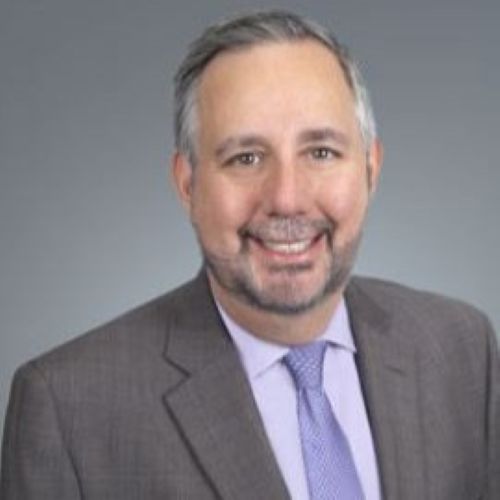
Speaker bio
Leonard D. Zaccagnino
is a senior partner with the law firm of Shaw & Shaw, P.C., in Hamburg, New York, where he practices in the areas of personal injury and general civil litigation, as well as civil, criminal, and trial law. Mr. Zaccagnino has spoken before the Young Lawyers Section of the Erie County Bar Association and the New York State Bar Association. He is a member of the New York Trial Lawyers Association, the Western New York Trial Lawyers Association, the Bar Association of Erie County, and the Association of Trial Lawyers of America. He serves as an adjunct professor at the University of Buffalo Law School, and coaches the trial team at that school. Mr. Zaccagnino earned his B.S. degree from Canisius College and his J.D. degree from Syracuse University.
Speaker bio
David S. Gould
is a partner with Russo & Gould, LLP, where he primarily focuses in personal injury litigation. For the past 25 years, he has been an adjunct professor at the City University of New York, Queens College, where he teaches courses such as freedom of speech, trial advocacy, and media law and ethics. He is a frequent lecturer for National Business Institute and is the author of articles that have been published in the New York Law Journal. Mr. Gould earned his B.A. degree in communications from the University of Wisconsin-Madison and his J.D. degree from The Elisabeth Haub School of Law at Pace University. He is admitted to practice in in the states of New York, Connecticut, and New Jersey.
TOP FAQs
Have more questions? Please Contact Us