

Buy This Course
OnDemand Video
Video Download
Course Book Download
or
Overview
Protect Your Client's Water Rights and Use
The fight for "liquid gold" is getting ugly. With developers, government officials, energy companies, tribal leaders, utility companies, farmers, and others putting water in their crosshairs, more and more attorneys are taking on these complicated cases. This focused legal program is packed with the latest and greatest legal strategies for protecting your client's water rights and use. Whether you're an experienced water law attorney or new to the practice area, this program will provide you with practical tools to tackle water law cases. Register today!
- Gain the tools you need to handle evaluation, development, adjudication, legislation, and acquisition of water rights.
- Get the fundamentals of water law down, learn critical terminology and find out how to simplify the adjudication process.
- Hear the most recent case law, review recent legislative updates, and understand the interaction between federal, state, and local water law regulations.
- Learn how to evaluate water rights, what evidence you need to look for, where to get it and how to apply it to litigation.
- Discover real-world techniques for handling leasing, modification, exchange, transfer, purchase, and sale of water rights.
- Find out practical strategies for handling ownership and lease disputes, condemnation disputes, easement challenges, and application disputes from experienced attorney faculty.
- Examine emerging hydraulic fracturing, tribal, and geothermal water law issues.
- Overcome ethical challenges of representing more than one client in a river system.
Abbreviated Agenda
- Prior Appropriation Water Law Made Simple
- Legislation, Regulation, and Case Law Update
- Current Issues, Legal Challenges, and Recent Trends
- Water Rights Evaluations
- Handling the Application, Lease, Transfer, and Sale of Water Rights
- Handling Water Rights Disputes: Adjudication Procedures and Litigation Tips
- Ethics and Water Law
Credit Details
Credits Available
| Credit | Status | Total | Until |
|---|---|---|---|
| Nevada CLE |
|
6 Total | 11-17-2026 |
Select Jurisdiction
CLE
Agenda
-
Prior Appropriation Water Law Made Simple
- Water Law Fundamentals - A Brief Overview
- Determination/Allocation of Water Rights
- Water Law Terminology for Attorneys
- Overview of the Administrative System
- Visual Aids of State Water Bodies, Rivers, and Streams - What Water is Being Disputed and Why
-
Legislation, Regulation, and Case Law Update
- State and Local Water Law Update
- Federal Legislation and Regulations
- Federal, State, and Local Regulations and Compliance Update
- Recent Case Law
-
Current Issues, Legal Challenges, and Recent Trends
- Tribal Water Rights
- Hydraulic Fracturing- Water Use in the Oil and Gas Industries
- Current Water Quality Standards/Contamination Issues
- Drought Challenges
- Overcoming Ditch Company Challenges
- Local and Municipal Initiatives, Utilities, and Development Projects
-
Water Rights Evaluations
- Determining Validity/Ownership and Due Diligence Reviews
- Title and Survey Reviews
- Inspections
- Expert Witness Tips - Consulting with a Water Resources Engineer and Other Water Experts
- Applying Hydrology, Groundwater Modeling, and Nanotechnology to Litigation Strategies
- Proving How Much Was Used, How Much They Need to Use, and When They Started Using it
- Determining Future Supply
-
Handling the Application, Lease, Transfer, and Sale of Water Rights
- Applying for Water Rights - From Basic to Complex
- Leases
- Modifications
- Exchanges
- Transfers
- Purchase/Sale of Water Rights
- Negotiating and Drafting Agreements
-
Handling Water Rights Disputes: Adjudication Procedures and Litigation Tips
- The Adjudication Process
- Ownership Disputes
- Condemnation Disputes
- Lease Disputes
- Opposing an Application for New Water Rights
- Modification Disputes
- Easement Disputes
-
Ethics and Water Law
- Multiparty Representation and Ethical Challenges
- Compliance Issues, Risks, and Ethics
- Replacement Plans and Reclamation: Avoiding Ethical Pitfalls
Who Should Attend
This basic-to-intermediate level seminar is designed for those who are involved in water right disputes and transactions, use, regulation, and protection of water resources. The following should attend:
- Attorneys
- Government Officials
- Engineers
- Regulators
- Energy Companies
- Water Management Specialists
- Real Estate Developers
- Landmen
- Paralegals
Speakers
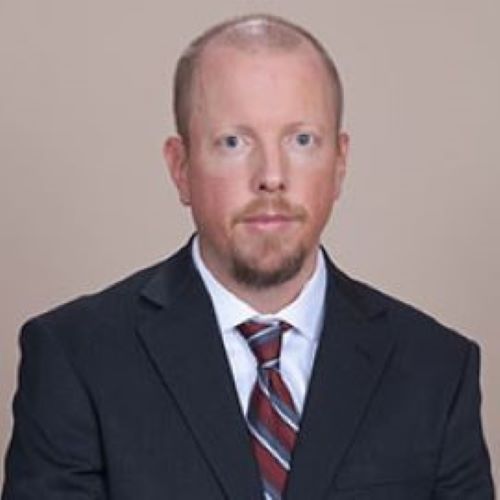
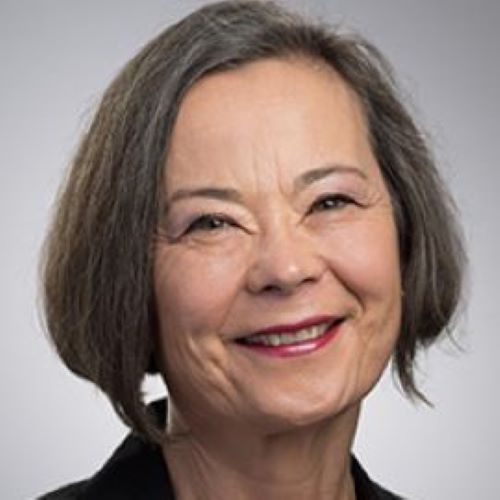
Speaker bio
Jeffrey Nadeau
is an associate at Schroeder Law Offices, PC, where he practices water law. Mr. Nadeau received his Ph.D. in biochemistry from the University of Nevada, Reno; and his J.D. from Lewis & Clark Law School. He is licensed to practice law in Nevada.
Speaker bio
Laura A. Schroeder
is a shareholder at Schroeder Law Offices, P.C. Long respected in the water rights (water quantity) arena, representing businesses and municipalities in transactional and litigation matters, Ms. Schroeder's practice includes water rights acquisitions, sales, contracts, easements, well share and water delivery agreements, adjudications, permitting, extensions, transfers, certification, regulatory compliance, and litigation of water rights disputes before state administrative bodies, as well as state and federal trial and appellate courts. She also has extensive experience working with the United States Bureau of Reclamation on behalf of her irrigation district clients in contract negotiations and title transfers. Ms. Schroeder's water rights emphasis has expanded by necessity to advise buyers and sellers in water use for real estate development including land use compliance. She earned her B.A. from the University of Oregon and her J.D. from Northwestern School of Law, Lewis & Clark College. Ms. Schroeder is admitted to practice law in state and federal courts in Oregon, Idaho, Nevada, Utah, and Washington.
Speaker bio
Alan Forester
is an attorney and CPA at Law Offices of Alan Forester. He practices in the areas of water law, land use and zoning, HOA issues, tax and trust law, personal injury, and criminal law. Mr. Forester received his M.A. in Economics and Finance, his Ph.D. Candidacy degree in Economics from UCLA, and his Juris Doctor from Loyola Law School, Los Angeles. He is an adjunct professor at California State University (CSU) and has teaching credentials in Accounting and Economics. Mr. Forester is a Judicial Arbitrator of the Superior Court of the State of California for Los Angeles County as well as a mandatory fee arbitration for the State Bar of California. He is a member of the United States Supreme Court, Supreme Court of California, United States Tax Court, Northern, Southern, Eastern, Western and Central Federal District Courts of California, American Bar Association, California Bar Association, American Economics Association, American Institute of Certified Public Accountants, the California Society of Certified Public Accountants, and the Association of Certified Fraud Examiners.
Speaker bio
David Rigdon
is an attorney with Taggart & Taggart, Ltd., where his practice focuses largely on real property, land development, government affairs, and water law. He represents municipal water utilities, ranchers, mining companies, developers, and domestic well owners on issues related to water use in Nevada in administrative proceedings before the Nevada Division of Water Resources and in appeals resulting from those administrative proceedings. Mr. Rigdon is admitted to practice before all state and federal courts in Nevada. He earned his B.A. degree from the University of Nevada, Las Vegas; and his J.D. degree, magna cum laude, from William S. Boyd School of Law.
Speaker bio
Micheline N. Fairbank
is an of counsel attorney at Fennemore Craig, P.C's Reno, Nevada office. She practices in their business litigation and natural resources groups, and has many years of experience handling a broad spectrum of civil matters, including extensive trial and appellate experience and a practice focused on water and natural resource law. Ms. Fairbank earned her B.A. degree, cum laude, from Western Colorado University; and her J.D. degree from Willamette University College of Law. She is a member of Western States Water Council, Non-Tribal Federal Water Needs Subcommittee, and is on the Board of Directors of Walker Basin Conservancy. Ms. Fairbank is admitted to practice law in Nevada, California and Colorado; and before the U.S. District Court, District of Nevada; the Northern, Eastern, Central and Southern districts of California; the Ninth Circuit Court of Appeals; and the U.S. Supreme Court.
TOP FAQs
Have more questions? Please Contact Us