

New Hampshire Probate Process from Start to Finish
Credits Available
| Credit | Status | Total | Until |
|---|---|---|---|
| New Hampshire CLE |
|
6.6 Total | 02-02-2027 |

Buy This Course
OnDemand Video
Video Download
Course Book Download
or
Overview
Handling Probate From Initial Notices Through the Estate Closing
This "a through z" guide to probate is designed to take you from the first days of the estate timeline through all the steps of marshaling and valuing estate assets, locating and paying the creditors, paying the beneficiaries, and laying the estate to rest. You will receive the latest updates on the probate court procedure and tax laws, practical guidance from experienced probate attorneys on resolving estate disputes, and sample forms and checklists to speed up the administration process. Build a solid foundation for your probate practice - register today!
- Learn the procedure, rules and practical steps to effectively administer a probate.
- Determine what form of administration is appropriate for a specific probate case.
- Clarify the order of inheritance for an estate when there is no will.
- Locate assets and obtain ownership documents more easily with a list of local and online resources.
- Get a complete view of the sequence of events that must happen before the estate can be closed.
- Identify common actions that trigger malpractice liability and get tips for staying in the clear.
- Get practical advice for honoring or contesting all claims against the estate.
- Find new ways to resolve liquidity issues that delay estate closing and final distributions and payments.
- Learn what common closing mistakes can allow the estate to be re-opened, and how to avoid them.
Abbreviated Agenda
- Initial Filing in Probate Court and Estate Timeline
- Law of Intestate Succession
- Inventory and Appraisals
- Probate Property vs. Non-Probate Assets
- Tax Reporting and Post-Mortem Tax Matters
- Ethics
- Sale of Property and Distributions
- Final Accounting and Closing the Estate
- Probate Disputes and Litigation
Credit Details
Credits Available
| Credit | Status | Total | Until |
|---|---|---|---|
| New Hampshire CLE |
|
6.6 Total | 02-02-2027 |
Select Jurisdiction
CLE
Agenda
-
Initial Filing in Probate Court and Estate Timeline
- Small Estate Administration
- Probate Court Procedure
- Estate Timetable/Checklist
- Formal vs. Informal Probate Administration
- Opening the Estate
- Petition for Probate and Administration and Notice of Hearing
- Required Notices (to Creditors, Heirs, DHS, IRS)
- Sample Forms
- What the Personal Representative Needs to Know and Do
- When is Ancillary Administration Necessary?
-
Law of Intestate Succession
- Who Can Inherit - Degrees of Kinship and Order of Inheritance
- Determining the Share Size
- Exceptions and Bars to Inheritance
-
Inventory and Appraisals
- Locating Insurance Policies, Deeds and Other Ownership Documents
- Obtaining a Tax ID and Marshaling Property
- Preparing the Inventory and Appraisal Forms
- Managing Decedent's Assets During Probate
- Handling Common Valuation Issues
- When to Hire a Valuation Specialist or Appraiser
-
Probate Property vs. Non-Probate Assets
-
Tax Reporting and Post-Mortem Tax Matters
- Final Tax Returns Timeline, Forms and Filing Procedure
- Requesting Deadline Extensions
- Income Tax Considerations in Probate
- Selecting a Tax Year: Calendar or Fiscal?
- Decedent's Final Income Tax Return
- Estate Income Tax Return
- Tax on Income Earned by Estate after Decedent's Death
- Beneficiary Income Tax Considerations
- Proper Use of Disclaimers and Valuation Discounts
- Claiming Estate Tax Portability
- Estate and Gift Tax Considerations - When Do You Need to File Form 706?
- Coordinating with Decedent's Accounting or Investment Advisors
- GST Tax Implications
- Handling Common Property Tax Issues
-
Ethics
- Who is Your Client? Avoiding Conflicts of Interest
- Protecting Client Confidentiality
- Attorney Fees
- Malpractice Liability Risks
- Negligence
- Breach of Fiduciary Duty
- Fraud
-
Sale of Property and Distributions
- Disposition of Real Estate
- Handling Claims Against the Estate
- Retirement Plans and IRA Distributions
- Life Insurance and Other Beneficiary Designations and Accounts
- Preliminary and Final Distributions
- Disposition of Unclaimed Assets
- Dealing With the Surviving Family Members and Other Beneficiaries
- Solving the Problem of Liquidity
- Distributions to Trusts
-
Final Accounting and Closing the Estate
- Estate Accounting Procedure
- Insolvent Estates
- Closing Decedent's Remaining Accounts
- Personal Representative and Attorney Compensation
- When Reopening the Estate is Warranted
-
Probate Disputes and Litigation
- Beneficiary Liability
- Fiduciary Liability
- Interpreting Testamentary Intent - Burdens of Proof, Presumptions, Evidence Rules
- Revoked, Multiple, Contested Wills
- Common Will Construction Problems
- Objections to Accounts and Petitions
Who Should Attend
This basic level online seminar is designed for professionals who want to be more effective in handling the probate process, including:
- Attorneys
- Paralegals
- CPAs and Accountants
- Financial Planners and Wealth Managers
- Tax Professionals
- Trust Officers
Speakers
Speaker bio
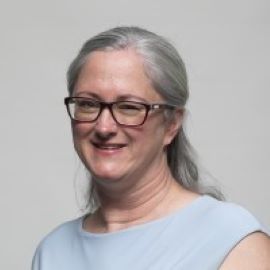
Deb Bess Urbaitis
is a solo practitioner at Courteous Law PC in Henniker, New Hampshire. She focuses her practice in estate planning, business and family law, and has assisted clients with a variety of legal matters. Ms. Urbaitis was admitted to the New Hampshire Bar in 2002. She earned her undergraduate degree from Texas A&M University and her Juris Doctorate from Franklin Pierce Law Center. Ms. Urbaitis is a member of the New Hampshire Bar Association, American Bar Association, and is a member of the following sections, groups and committees: ABA Section of Real Property, Trusts and Estates, ABA Law Practice Division, ABA Solo and Small Firm Division, ABA Elder Law and Special Needs Planning Group, ABA Trust and Estates Practice Group, ABA General Practice Division and the New Hampshire Bar Family Law Trust and Estates sections.
Speaker bio
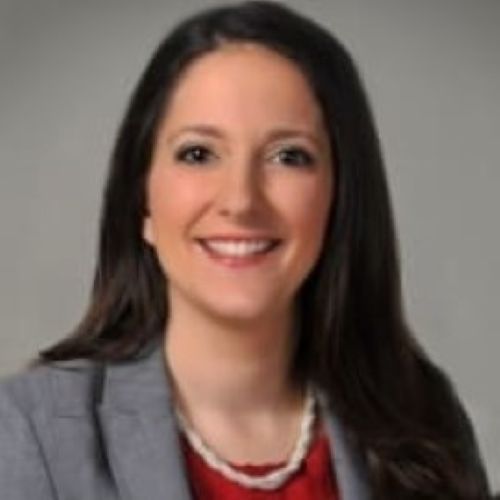
Stephanie K. Annunziata
is a partner at Shaheen & Gordon, P.A. in Concord, N.H. Her work is focused on navigating clients and their families through conflict before the probate and family divisions. Ms. Annunziata represents clients in contested matters involving trusts, guardianships, divorce, and parenting issues. She also works with adoptive families through the entirety of the adoption process. Ms. Annunziata is the current Vice Chair of the Hearings Committee of the NH Attorney Discipline Office. She also provides counsel and direction to attorneys in the application and interpretation of the NH Rules of Professional Conduct. Ms. Annunziata volunteers for the ABA's Free Legal Answers program and 603 Legal's pro bono representation program. She graduated from the Benjamin N. Cardozo School of Law in 2013 with concentrations in family law and litigation. She is admitted to practice in New Hampshire and Massachusetts.
Speaker bio
Rodger O. Howells
is a managing member at Rodger O. Howells, LLC, where he provides pro-active tax planning and business solutions to a diverse client base. He is a certified public accountant in New Hampshire. Mr. Howells is an adjunct instructor at the New Hampshire Technical Institute, teaching federal income taxation. He earned his M.S. degree in taxation from Bentley College, and his B.S. degree in accounting from St. Francis College.
Speaker bio
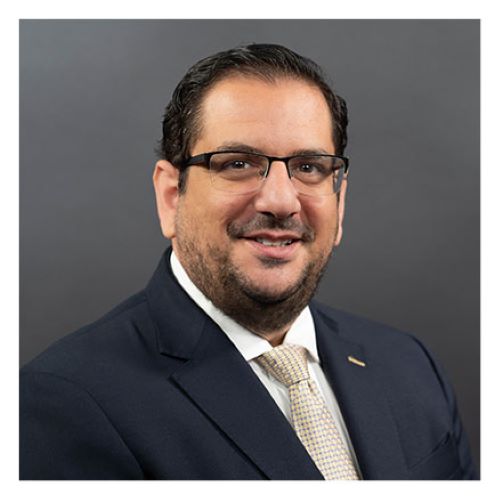
Peter A. Moustakis
is a founder and managing member of Sowerby & Moustakis Law, PLLC. He practices in the areas of elder law, estate planning, wills, trusts, Medicaid issues, small business law, LLC formation, and all matters related to firearms in trust administration. Mr. Moustakis is also an adjunct professor at Merrimack College. He has also contributed to two family law publications, and written a book called Estate Planning and the Modern Family: Old School Meets New School. Mr. Moustakis is a member of the New Hampshire Bar Association and has a membership affiliation with NAELA (National Academy of Elder Law Attorneys). He is admitted to practice in New Hampshire and Massachusetts. Mr. Moustakis earned his bachelor’s degree from the University of Massachusetts, Boston and his J.D. degree from New England Law, Boston.
Speaker bio
Patrick T. Lorman
is an associate with Amann Burnett, PLLC, concentrating his practice on civil litigation and administrative law. He has represented clients in civil litigation throughout New Hampshire and before administrative agencies, including the Department of Safety, Department of Environmental Services and Department of Employment Security, as well as the Office of Professional Licensure and Certification (OPLC) and Board of Architects, Pharmacy and Nursing. In addition to his present concentration, Mr. Lorman has a background in landlord/tenant, probate law, criminal law and family law. He is a 2012 graduate of the State University of New York at Albany and a 2015 graduate of the University of New Hampshire School of Law.
Speaker bio
Stephanie K. Burnham
has been presenting and explaining estate planning concepts to assist people in planning for the future of their families since 2001. As a member of the New Hampshire Bar Association, she has spent 16+ years on the Ethics Committee. The New Hampshire Bar Association’s Ethics Committee is dedicated to providing guidance to members of the New Hampshire Bar and Judiciary on issues and questions related to the Rules of Professional Conduct. These rules are what all licensed attorneys must follow in order to remain licensed to practice law in the state of New Hampshire. Ms. Burnham has been serving as chair of that committee since 2020. She has considerable experience in working with clients to draft effective documents and advising clients on their personal and family goals for transferring and protecting assets. Ms. Burnham works with clients on strategies for trusts, wills, advanced directives, asset protection, and personal care contracts. She also serves as faculty for continuing legal education seminars for the New Hampshire Bar Association, National Business Institute and CATIC, lecturing fellow attorneys on areas of estate planning, elder law, probate and trust administration, and ethics topics. Ms. Burnham graduated with her B.S. degree from the University of New Hampshire and earned her J.D. degree from Western New England University (formerly Western New England College).
TOP FAQs
Have more questions? Please Contact Us