

Attorneys' Complete Guide to Experts in Rhode Island Civil Litigation
Credits Available
| Credit | Status | Total | Until |
|---|---|---|---|
| New York CLE |
|
7 Total | 05-13-2027 |
| Rhode Island CLE |
|
6 Total | 06-30-2026 |
Buy This Course
OnDemand Video
Video Download
Course Book Download
or
Overview
Reports, Deposition Tactics, Admission Hurdles, Direct and Cross-Examination Techniques
Cases often hinge on expert witnesses, so it is vital to have a firm understanding of the court rules governing their use. Are you strategically using the rules of evidence and procedure to maximize the effectiveness of your experts while discounting the validity of opposing experts' credentials, methodology, and more? In this intensive online seminar, our experienced faculty will share tips on using rules concerning expert witnesses with surgical precision, so you have the upper hand in court. From expert reports to testimony, apply the rules concerning expert witnesses to your best advantage. Register today!
- Analyze experts' reports to pinpoint mistakes that have case-devastating potential.
- Get your experts ready for deposition by ensuring they thoroughly understand the deposition procedure and opposing counsel tricks.
- Locate key documents and other sources of information that can set up opposing experts for impeachment.
- Get your experts' testimony admitted into evidence by ensuring their qualifications, methodology, and character are all acceptable.
- Cast doubt on opposing experts in cross examination by highlighting weaknesses in their testimony, the invalidity of their methodology, and more.
- Avoid ethical pitfalls when communicating with your experts and adverse expert witnesses.
Abbreviated Agenda
- How to Select the Perfect Witness (With Sample Retainer Agreement)
- Applying the Rules to Expert Reports
- Preparing Your Expert and Defending Depositions
- Deposing the Opposing Expert
- Admission Hurdles for Expert Testimony
- Direct Examination: Tips to Make Your Expert Shine
- Cross-Examination and Impeachment Techniques
- Ethical Considerations for Working With Experts
Credit Details
Credits Available
| Credit | Status | Total | Until |
|---|---|---|---|
| New York CLE |
|
7 Total | 05-13-2027 |
| Rhode Island CLE |
|
6 Total | 06-30-2026 |
Select Jurisdiction
CLE
Agenda
-
How to Select the Perfect Witness (With Sample Retainer Agreement)
-
Applying the Rules to Expert Reports
- Expert Disclosure Rules and Work Product Protection
- Should an Expert Report be Prepared?
- The Logistics of Obtaining and Requesting Expert Reports
- Materials to Give to the Expert (and to Withhold)
- Preparing and Analyzing the Report - Top Mistakes That Need to be Avoided
-
Preparing Your Expert and Defending Depositions
- Ensuring Your Expert Understands the Deposition Procedure
- Critical Documents Experts Need for Deposition
- Opposing Counsel Questions and Goals: Does Your Expert Understand?
- Effective Use of Objections
- Increasing Expert Effectiveness in Video Depositions
- Terminating Depositions
- Cleansing the Record and Defending Your Witness's Testimony
-
Deposing the Opposing Expert
- Getting and Reviewing the Expert's File, Internet Investigation Tips
- Ensuring Proper Deposition Timing
- Planning, Preparation, and Outline
- Effective Questions and Questioning Strategies
- Dealing With Difficult Witnesses and Obstructive Opposing Counsel
- After the Deposition
- Using Depositions at Trial: Practical Tips
-
Admission Hurdles for Expert Testimony
- Daubert/Frye Gatekeeping Standards: An Overview
- Admissibility of Non-Scientific Expert Testimony
- Expert Character, Competency, and Qualifications
- Admissibility of What you Give Your Expert
- Is the Expert's Methodology Acceptable?
- Limits for Expert Opinions and the Use of Inadmissible Evidence
- The Expert's Opinion: Is it Hearsay?
- Using Motions to Block Expert Testimony
- Qualifying an Expert Witness: Sample Voir Dire
-
Direct Examination: Tips to Make Your Expert Shine
- Qualification Questions That Illustrate Experience
- Humanizing the Expert: Helpful Tips
- Using Hypotheticals to Show Relevancy
- The Expert's Opinion: What Supporting Evidence Must They Give?
- Framing Questions to Build Logical Connections
- Magnifying Expert Credibility
- Using Experts to Create Exhibits
- The Expert as a Teacher: Presentation Best Practices
-
Cross-Examination and Impeachment Techniques
- Exploiting Weaknesses in the Expert's Testimony
- Illustrating the Invalidity of the Expert's Methodology
- Using the Expert's Report Against Them
- Using Compensation to Cast Doubt
- Constructive Cross: Drawing Out Helpful Testimony
- Avoiding the One Question Too Many and Other Common Mistakes
-
Ethical Considerations for Working With Experts
- Confidentiality, Privilege, and Work Product
- Compensating the Expert
- Preparing vs. Coaching the Witness: What to Always and Never Say
- Making False Statements to a Tribunal
- Ethical Issues in Refreshing Witness Recollection
- Contact With Adverse Expert Witnesses (Consulting vs. Testifying)
- Vigorous Advocacy vs. Civility
Who Should Attend
This basic-to-intermediate level online seminar offers attorneys the knowledge to best employ the rules governing expert witnesses in depositions, direct and cross-examination at trial, and more. Paralegals may also find it useful.
Speakers
Speaker bio
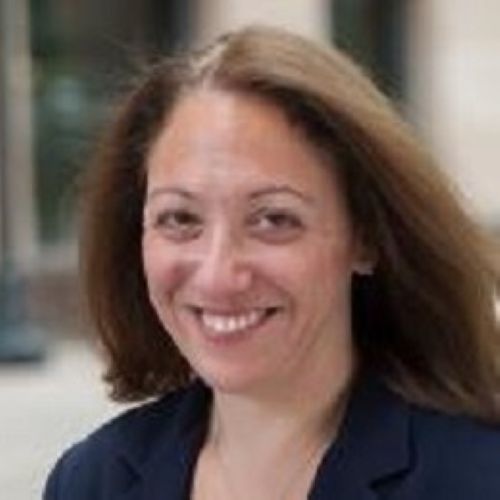
Kristin B. Pettey
is an experienced litigator with Roberts, Carroll, Feldstein & Peirce, Inc. with a practice focused on professional malpractice defense. She represents hospitals, physicians, nurses, and other health care providers in Rhode Island and Massachusetts Courts, and before administrative licensing boards. Ms. Pettey has successfully represented clients in state and federal courts in Rhode Island and Massachusetts, and has been involved in both jury and bench trials with several favorable verdicts. She earned her B.A. degree, cum laude, from College of the Holy Cross and her J.D. degree, cum laude, from Suffolk University Law School. Ms. Pettey is a member of the Rhode Island Bar Association and is admitted to practice in Rhode Island and Massachusetts.
Speaker bio
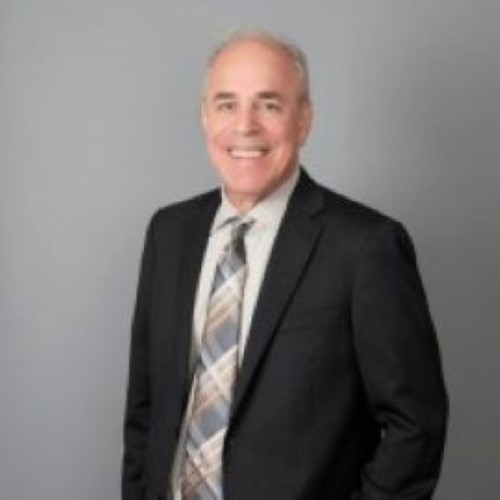
David Gabor
is a partner with The Wagner Law Group where he focuses his practice in human resources consulting, which includes drafting policies, negotiation of contracts, training employees, representing employers during audits, and overseeing ADA compliance for websites. Mr. Gabor handles litigation in federal and state courts and at arbitrations in issues arising out of the employer-employee relationship. He also maintains an appellate practice. Mr. Gabor is a member of multiple professional organizations, including the New York State and Massachusetts bar associations, Northeast Human Resources Association, Society for Human Resource Management, and Labor and Employment Law Committee. He earned his B.A. degree from the University of Michigan and his J.D. degree from Touro College Jacob D. Fuchsberg Law Centre.
Speaker bio
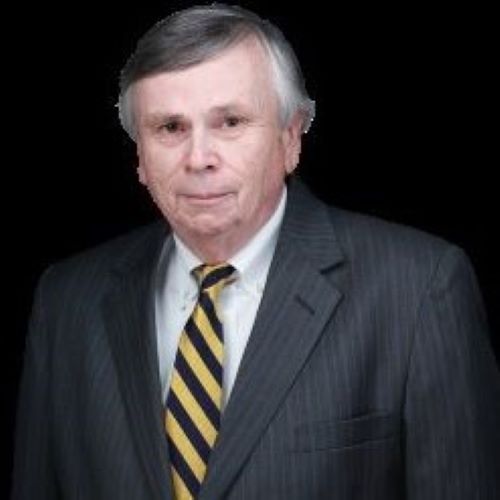
William J. Delaney
is a member of Lonardo Forte & Trudeau LLP. He is a lifetime fellow of the Rhode Island Bar Foundation, as well as a fellow of the American Bar Association. Mr. Delaney is a member of the Rhode Island Supreme Court's MCLE Committee and the Massachusetts, New Hampshire, Vermont, New York State, Pennsylvania and Connecticut bar associations. He earned his A.B. degree from the University of Notre Dame, his M.B.A. degree from Rensselaer Polytechnic Institute, his J.D. degree from Albany Law School of Union University and his LL.M. degree from the Morin Center, Boston University School of Law.
TOP FAQs
Have more questions? Please Contact Us