

Buy This Course
OnDemand Video
Video Download
Course Book Download
Sorry, the course is no longer available.
or
Overview
Handling Probate From Initial Notices Through the Estate Closing
This "a through z" guide to probate is designed to take you from the first days of the estate timeline through all the steps of marshaling and valuing estate assets, locating and paying the creditors, paying the beneficiaries, and laying the estate to rest. You will receive the latest updates on the probate court procedure and tax laws, practical guidance from experienced probate attorneys on using spousal elective share and resolving estate disputes, and sample forms and checklists to speed up the administration process. Build a solid foundation for your probate practice - register today!
- Learn the procedure, rules, and practical steps to effectively administer a probate.
- Determine what form of administration is appropriate for a specific probate case.
- Clarify the order of inheritance for an estate when there is no will.
- Locate assets and obtain ownership documents more easily with a list of local and online resources.
- Get a complete view of the sequence of events that must happen before the estate can be closed.
- Identify common actions that trigger malpractice liability and get tips for staying in the clear.
- Get practical advice for honoring or contesting all claims against the estate.
- Find new ways to resolve liquidity issues that delay estate closing and final distributions and payments.
- Learn what common closing mistakes can allow the estate to be re-opened, and how to avoid them.
Abbreviated Agenda
- Initial Filing in Probate Court and Estate Timeline
- Law of Intestate Succession
- Inventory and Appraisement
- Probate Property vs. Non-Probate Assets
- Handling Claims Against the Estate
- Tax Reporting and Post-Mortem Tax Matters
- Ethics
- Sale of Property and Distributions
- Final Accounting and Closing the Estate
- Probate Disputes and Litigation
Credit Details
Credits Available
There is no credit available on this course.
Select Jurisdiction
Agenda
-
Initial Filing in Probate Court and Estate Timeline
- When is Probate Necessary?
- Small Estate Administration
- Probate Procedure
- Initial Probate Forms
- Bond Requirements
- Resident Agent Requirements
- Probate Appointment
- Probate Fees and Taxes
- Full Probate vs. Abbreviated Probate
- Opening the Estate
- Tax Identification Number for Estate
- Estate Checking Account
- Required Notices
- Sample Forms
- Estate Timetable/Checklist
- What the Personal Representative Needs to Know
- When is Ancillary Administration Necessary?
-
Law of Intestate Succession
- What is an Intestate Estate?
- Who Can Inherit - Degrees of Kinship and Order of Inheritance
- Determining the Share Size
- Exceptions and Bars to Inheritance
-
Inventory and Appraisement
- Locating Insurance Policies, Deeds and Other Ownership Documents
- Obtaining a Tax ID and Marshaling Property
- Preparing the Inventory and Appraisal Forms
- Dealing with the Probate Referee
- Managing Decedent's Assets During Probate
- Handling Common Valuation Issues
- When to Hire a Valuation Specialist or Appraiser
-
Probate Property vs. Non-Probate Assets
-
Handling Claims Against the Estate
- Required Creditor Notice
- Determining Priority of Claims
- Allowing and Rejecting Claims, and Paying Them
- Handling Lawsuits Against the Estate and the Decedent
- Insolvency Issues
-
Tax Reporting and Post-Mortem Tax Matters
- Final Tax Returns Timeline, Forms and Filing Procedure
- Requesting Deadline Extensions
- Income Tax Considerations in Probate
- Selecting a Tax Year: Calendar or Fiscal?
- Decedent's Final Income Tax Return
- Estate Income Tax Return
- Tax on Income Earned by Estate after Decedent's Death
- Beneficiary Income Tax Considerations
- Proper Use of Disclaimers and Valuation Discounts
- Claiming Estate Tax Portability
- Estate and Gift Tax Considerations - When Do You Need to File Form 706?
- Coordinating with Decedent's Accounting or Investment Advisors
- GST Tax Implications
- Handling Common Property Tax Issues
-
Ethics
- Who is Your Client? Avoiding Conflicts of Interest
- Protecting Client Confidentiality
- Attorney Fees
- Malpractice Liability Risks
- Negligence
- Breach of Fiduciary Duty
- Fraud
-
Sale of Property and Distributions
- Disposition of Real Estate - Title Issues in Probate
- Retirement Plans and IRA Distributions
- Life Insurance and Other Beneficiary Designations and Accounts
- Preliminary and Final Distributions
- Calculating Augmented Estate and Spousal Elective Share
- Dealing with the Surviving Family Members and Other Beneficiaries
- Solving the Problem of Liquidity
- Distributions to Trusts
-
Final Accounting and Closing the Estate
- Estate Accounting Procedure
- Closing Certificate for Fiduciaries
- Closing Decedent's Remaining Accounts
- Personal Representative and Attorney Compensation
- Extraordinary Services Compensation
- When Reopening the Estate is Warranted
-
Probate Disputes and Litigation
- Beneficiary Liability
- Fiduciary Liability
- Interpreting Testamentary Intent - Burdens of Proof, Presumptions, Evidence Rules
- Revoked, Multiple, Contested Wills
- Common Will Construction Problems
- Objections to Accounts and Petitions
Who Should Attend
This basic level online seminar is designed for professionals who want to be more effective in handling the probate process, including:
- Attorneys
- Paralegals
- CPAs and Accountants
- Financial Planners and Wealth Managers
- Tax Professionals
- Trust Officers
Speakers

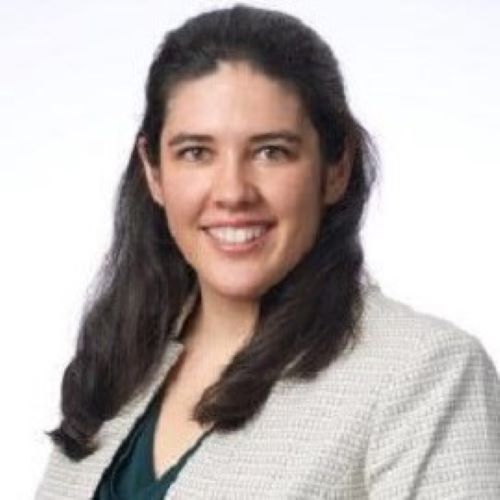
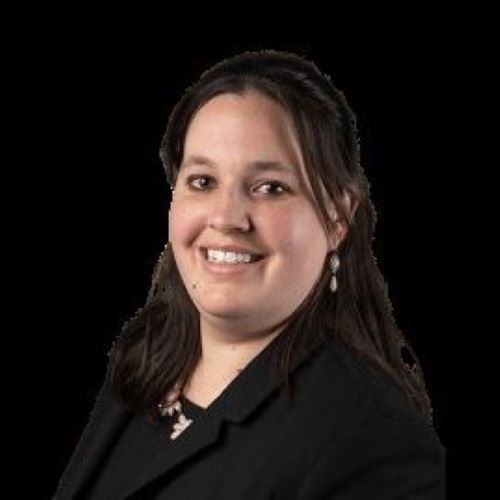
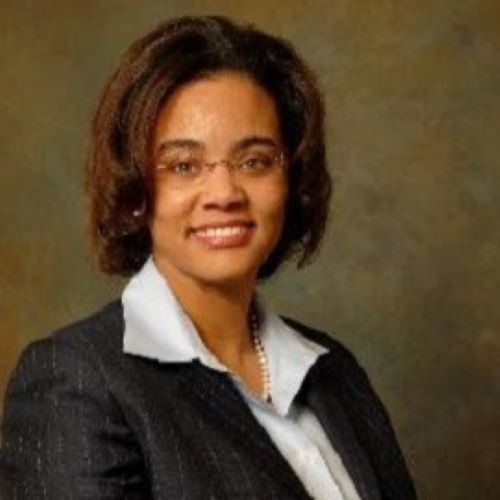


Speaker bio
Kathryn C. Swain
is an attorney with McCandlish Lillard, PC, practicing in the areas of civil litigation, family law, and estate planning working primarily in the firm's Fairfax office and representing clients across Northern Virginia. Ms. Swain received her undergraduate degree from James Madison University, where she began developing oral advocacy skills through the university's Moot Court Association. She went on to earn her law degree from George Mason University School of Law, where she served as an Articles Editor of the George Mason Law Review and the Vice Justice of the Moot Court Board. While at George Mason, she also furthered her passion for legal writing through teaching classes to first-year students as a legal writing fellow. She is a member of the Virginia Bar Association and Fairfax Bar Association, and a board member Fairfax Bar Association Young Lawyers Section. Ms. Swain is admitted to practice in Virginia.
Speaker bio
Sarah C. Aviles
is a principal with McCandlish Lillard, PC, where she concentrates her practice in estate planning, trust and estate administration, fiduciary representations, and civil litigation. Ms. Aviles advises clients on planning for family financial needs, probate avoidance, and incapacity. She has prepared hundreds of estate plans, including wills, trusts, financial powers of attorney, and advance medical directives. Ms. Aviles is a member of the Fairfax Bar Association. She earned her B.A. degree from The College of William & Mary and her J.D. degree from William & Mary School of Law.
Speaker bio
Lisa M. Campo
is a senior associate attorney at Hale Ball PLC. She has been with the firm since 2007 as a legal assistant before attending law school, and as a law clerk during law school. After passing the Virginia bar, Ms. Campo continued with the firm as an associate attorney. She graduated from University of Baltimore School of Law in Baltimore, Maryland. Ms. Campo concentrates her practice in the areas of trust and estate litigation, fiduciary litigation, contested guardianships and conservatorships, business litigation, civil litigation, and probate. She has appeared numerous times before many circuit courts throughout Virginia; and has participated in appeals before the Court of Appeals of Virginia and the Supreme Court of Virginia. Ms. Campo is a member of the Virginia Bar Association and the Fairfax Bar Association.
Speaker bio
Kimberly Martin Turner
is an attorney and principal of The Law Office of Kimberly Martin Turner, PLLC, based in Arlington, Virginia. She concentrates her practice on estate planning, and trust and estate administration in Virginia, Maryland, and the District of Columbia. Ms. Turner drafts wills, trusts, asset agreements, and related instruments. She handles all aspects of estate and trust administration, including probate, accountings, and the preparation and review of estate and fiduciary tax returns. Ms. Turner also serves as counsel to executors and trustees, and represents fiduciaries in probate courts in Virginia, the District of Columbia, and Maryland.
Speaker bio
Jennifer O. Schiffer
is a shareholder of Bean, Kinney & Korman, P.C., where she represents various businesses and their owners in matters relating to business counseling and entity formation, purchase and sale of company stock or assets, business contracts, shareholder or membership agreements, disclosure agreements, commercial real estate, commercial property, and leasing transactions. Ms. Schiffer is also well-versed in business succession planning, estate planning, and estate administration. Her clients range from individuals to a wide array of business entities, including restaurants, medical practices, retailers, builders, limited liability companies, and professional service providers, such as accountants and financial planners. Ms. Schiffer earned her bachelor's degree in economics as well as her J.D. degree from Vanderbilt University. She is licensed to practice law in Virginia, Maryland, and Washington, D.C.
Speaker bio
Julie A. Simantiras
is of counsel with The Geller Law Group PLLC, and focuses her practice on estate planning, probate administration, trust administration, guardianships, and conservatorships. She graduated, magna cum laude, from the University of Baltimore School of Law. During law school, Ms. Simantiras participated in the Civil Advocacy Clinic, and was a member of the National Telecommunications Moot Court Team. She completed her undergraduate degree at Pennsylvania State University, graduating magna cum laude with a semester abroad studying in London, England. Ms. Simantiras is a member of the Penn State Alumni Association, Fairfax Bar Association, Northern Virginia Women Attorneys Association, D.C. Bar Association, Maryland State Bar Association, and the Virginia State Bar. She is admitted to practice in Virginia, the District of Columbia, and Maryland.
TOP FAQs
Have more questions? Please Contact Us