

Evidence Presentation, Objections, and Admission: The Trial Attorney's Guide
Credits Available
| Credit | Status | Total | Until |
|---|---|---|---|
| Alaska CLE |
|
6 Total | 07-26-2026 |
| Arizona CLE |
|
6 Total | 07-26-2026 |
| California CLE |
|
6 Total | 07-26-2026 |
| Colorado CLE |
|
7 Total | 12-31-2026 |
| Connecticut CLE |
|
6 Total | 07-26-2026 |
| Delaware CLE |
|
6 Total | 07-26-2026 |
| Florida CLE |
|
7 Total | 01-31-2026 |
| Hawaii CLE |
|
6 Total | 07-26-2026 |
| Idaho CLE |
|
6 Total | 07-26-2026 |
| Illinois CLE |
|
6 Total | 07-25-2026 |
| Maine CLE |
|
6 Total | 07-25-2026 |
| Minnesota CLE |
|
6 Total | 07-26-2026 |
| Missouri CLE |
|
6 Total | 07-26-2026 |
| Northern Mariana Islands CLE |
|
6 Total | 07-26-2026 |
| Montana CLE |
|
6 Total | 07-26-2027 |
| North Dakota CLE |
|
6 Total | 07-26-2027 |
| Nebraska CLE |
|
6 Total | 07-26-2026 |
| New Hampshire CLE |
|
6 Total | 07-26-2027 |
| New Mexico CLE |
|
6 Total | 07-26-2026 |
| Nevada CLE |
|
6 Total | 07-26-2027 |
| New York CLE |
|
7 Total | 07-26-2027 |
| Oklahoma CLE |
|
7 Total | 07-26-2026 |
| Oregon CLE |
|
6 Total | 07-26-2027 |
| Pennsylvania CLE |
|
6 Total | 07-26-2026 |
| Vermont CLE |
|
6 Total | 07-26-2026 |
| Washington CLE |
|
6 Total | 07-25-2029 |
| Wisconsin CLE |
|
7 Total | 12-31-2025 |
| West Virginia CLE |
|
7.2 Total | 07-26-2026 |
Buy This Course
OnDemand Video
Video Download
Course Book Download
or
Overview
Get Your Evidence Admitted and in Front of the Judge or Jury
Having a piece of evidence thrown out in court can be incredibly frustrating, not to mention detrimental to your case. Successfully entering evidence requires a strong grasp of the rules and a game plan for admission. Are you prepared? In this program, faculty will show you how to introduce your exhibits at trial and avoid getting tripped up by objections. Learn how to craft effective arguments for admissibility - register today!
- Refresh your knowledge of the evidentiary rules and the steps for introducing your exhibits.
- Learn how to lay a foundation for business records and enter them into evidence.
- Anticipate and overcome admission hurdles for expert testimony.
- Discover how to get social media posts, texts, emails, and other ESI authenticated and admitted.
- Use exceptions to get around the rule against hearsay.
- Craft effective responses and defend against common objections raised by opposing counsel.
Abbreviated Agenda
- Rules and Procedures Governing Introduction and Exclusion of Evidence
- Preparing and Introducing Social Media Posts, Texts, Emails, and More
- Using Demonstrative Evidence to Bolster Your Case
- Using Documentary Evidence
- Expert Witness Testimony
- Objections: Arguing Relevance and Materiality
- Using and Overcoming Hearsay Objections and Exceptions
- Other Objections: When to Use Them, and How to Respond
- Legal Ethics of Evidence
Credit Details
Credits Available
| Credit | Status | Total | Until |
|---|---|---|---|
| Alaska CLE |
|
6 Total | 07-26-2026 |
| Arizona CLE |
|
6 Total | 07-26-2026 |
| California CLE |
|
6 Total | 07-26-2026 |
| Colorado CLE |
|
7 Total | 12-31-2026 |
| Connecticut CLE |
|
6 Total | 07-26-2026 |
| Delaware CLE |
|
6 Total | 07-26-2026 |
| Florida CLE |
|
7 Total | 01-31-2026 |
| Hawaii CLE |
|
6 Total | 07-26-2026 |
| Idaho CLE |
|
6 Total | 07-26-2026 |
| Illinois CLE |
|
6 Total | 07-25-2026 |
| Maine CLE |
|
6 Total | 07-25-2026 |
| Minnesota CLE |
|
6 Total | 07-26-2026 |
| Missouri CLE |
|
6 Total | 07-26-2026 |
| Northern Mariana Islands CLE |
|
6 Total | 07-26-2026 |
| Montana CLE |
|
6 Total | 07-26-2027 |
| North Dakota CLE |
|
6 Total | 07-26-2027 |
| Nebraska CLE |
|
6 Total | 07-26-2026 |
| New Hampshire CLE |
|
6 Total | 07-26-2027 |
| New Mexico CLE |
|
6 Total | 07-26-2026 |
| Nevada CLE |
|
6 Total | 07-26-2027 |
| New York CLE |
|
7 Total | 07-26-2027 |
| Oklahoma CLE |
|
7 Total | 07-26-2026 |
| Oregon CLE |
|
6 Total | 07-26-2027 |
| Pennsylvania CLE |
|
6 Total | 07-26-2026 |
| Vermont CLE |
|
6 Total | 07-26-2026 |
| Washington CLE |
|
6 Total | 07-25-2029 |
| Wisconsin CLE |
|
7 Total | 12-31-2025 |
| West Virginia CLE |
|
7.2 Total | 07-26-2026 |
Select Jurisdiction
CLE
Agenda
-
Rules and Procedures Governing Introduction and Exclusion of Evidence
- Procedures for Introducing Exhibits at Trial
- Authenticity, Reliability and Relevance
- Foundation Requirements for Real, Illustrative, Demonstrative and Documentary Evidence
- Preparing Evidence and Planning for Admissibility Issues Before Trial
- Issuing Trial Subpoenas to Witnesses
- Objections Allowed and Disallowed in Court vs. at Deposition
-
Preparing and Introducing Social Media Posts, Texts, Emails, and More
- How to Collect to Ensure Admission Later on
- Authenticating and Laying Foundation
- Introducing Facebook, YouTube Videos, Other Internet Records
- Digital Photographs
- Texts and Other Smartphone Evidence
- Real-World Demonstrations
- Rule and Case Law Updates
-
Using Demonstrative Evidence to Bolster Your Case
- Establishing Relevancy
- Battleground for Demonstrative Evidence: Satisfying the Fairness Requirement
- PowerPoints
- Computer Simulations and Recreations
- Handling Numerical Data, Charts and Graphs
- Models, Maps, Diagrams
- Photographs and Videos
- Case Law Review
- Introducing Physical Evidence at Trial
-
Using Documentary Evidence
- Business Records
- Letters, Writings and Contracts
- Medical Records, X-Rays and Bills
- Other Documentary Evidence
- Satisfying the Best Evidence Rule
- Examination of Altered Documents
-
Expert Witness Testimony
- Establishing Competence to Testify and Qualifications
- Verifying an Expert's Methodologies
- Motions in Limine:Bringing or Defending Against
- In Depositions vs. at the Hearing
- Introducing Documentary Evidence During Examination
- Case Law Review
-
Objections: Arguing Relevance and Materiality
-
Using and Overcoming Hearsay Objections and Exceptions
- The Rule Against Hearsay
- Hearsay in Depositions vs. at Trial
- What Determines Hearsay vs. Non-Hearsay
- Blocking Unreliable Hearsay
- Effective Use of Exceptions
- Refuting Hearsay Objections
-
Other Objections: When to Use Them, and How to Respond
- Not in Evidence, Not in Discovery
- Authentication/Chain of Custody
- Unduly Prejudicial
- Continuing Objection
- Habit and Routine
- Form of the Question, Compound, Argumentative, Leading
- Asked and Answered, Needlessly Cumulative (No New Relevant Evidence)
- Privilege, Work-Product
- Curative Instructions and Requests/Motions to Strike
-
Legal Ethics of Evidence
- Ethics of ESI
- Handling Prejudicial Evidence
- Candor with the Court
- "Coaching" Witnesses
Who Should Attend
This program is designed for attorneys.
Speakers
Speaker bio
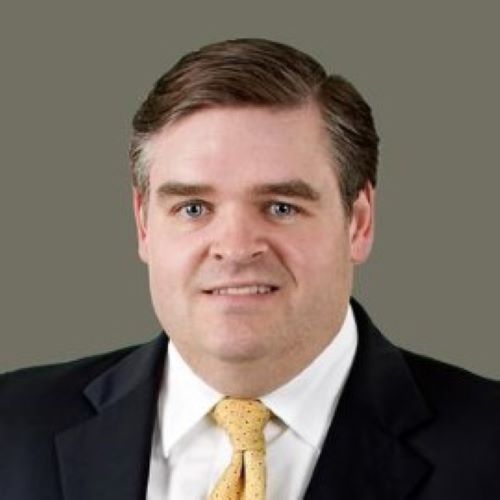
James M. Susag
is a seasoned trial attorney with Larkin Hoffman Daly & Lindgren Ltd., with a focus on franchise and dealer disputes, real estate, and complex commercial matters. He has been the lead attorney in over 100 trials and arbitrations in state and federal courts across the country, and in domestic and international arbitration forums. Mr. Susag has the unique perspective of a trial lawyer who has also managed complex litigation and developed strategic legal plans as in-house counsel. Clients appreciate his boardroom-to-courtroom experience in crafting resolutions for their business disputes. Mr. Susag is admitted to practice in state and federal courts in Minnesota, Washington and Wisconsin; as well as the U.S. Court of Appeals for the Seventh, Fourth and Eighth circuits. He earned his B.A. degree, summa cum laude, from the University of St. Thomas; and his J.D. degree, summa cum laude, from William Mitchell College of Law.
Speaker bio
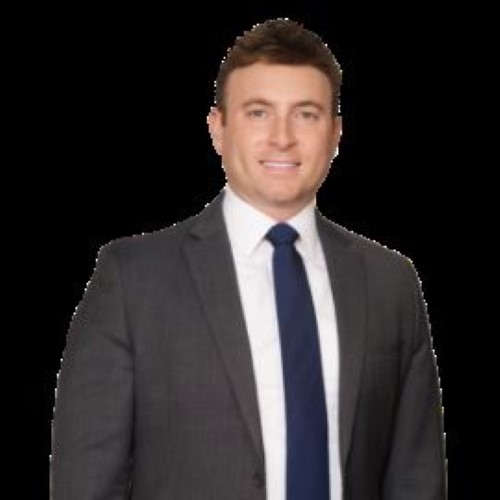
Nicholas J. Schneider
is a trial attorney and Partner with the national law firm Eckert Seamans. He focuses his practice on complex commercial disputes involving breach of contract, breach of fiduciary duty, business torts, employment disputes, misappropriation of trade secrets, copyright infringement, unfair competition, real estate disputes, and class actions. Mr. Schneider has experience representing clients of all sizes, from individuals to Fortune 500 companies, in state and federal trial and appellate courts, arbitrations, and mediations. In a recent three-week trial in Massachusetts Superior Court, he obtained a million-dollar judgment for his client, including attorney's fees, which was recently upheld on appeal. Mr. Schneider earned his B.A. degree, cum laude, from Northeastern University and his J.D. degree from Georgetown University Law Center.
Speaker bio
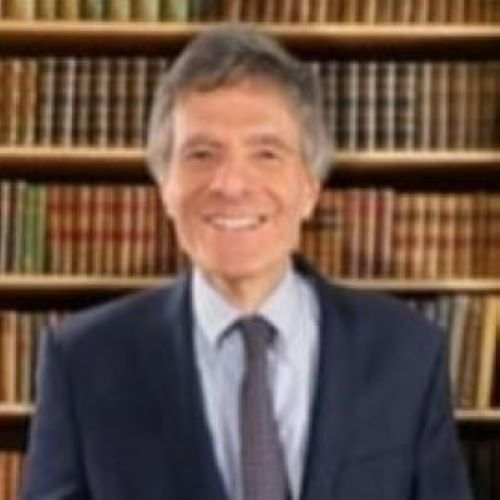
Philip A. Greenberg
has provided skilled and highly personalized representation to his clients for more than 45 years. During this time, his firm has helped clients with family law and business matters in a wide range of civil litigation. Mr. Greenberg judges multiple rounds, including the finals of the National Trial Competition in Virginia. He has co-authored a book titled Divorce Insights, which was published and is being sold by Amazon Books. Mr. Greenberg is admitted to practice in New York and New Jersey, both state and federal courts, as well as the Second Circuit Court of Appeals and the U.S. Supreme Court. He earned his J.D. degree from New York University School of Law and his B.A. degree, cum laude, from Brooklyn College of the City University of New York.
Speaker bio
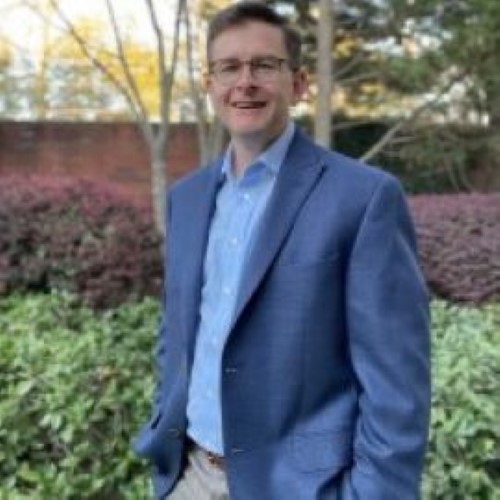
Daniel Headrick
is an attorney at Cohan & Levy where he has extensive civil litigation experience representing companies and individuals in tort, construction, employment, and business litigation matters. He is currently licensed in Georgia, Tennessee, and Texas, admitted to all federal courts in Tennessee, and the U.S. Court of Appeals for the Sixth Circuit. Mr. Headrick studied philosophy and comparative religion at the University of Tennessee (Knoxville) and taught as an adjunct instructor. He earned his B.A., M.A., and J.D. degrees from U.T. Knoxville, and his M.Div. degree from Baylor University.
TOP FAQs
Have more questions? Please Contact Us