

Buy This Course
OnDemand Video
Video Download
Course Book Download
or
Overview
A Comprehensive Primer on Labor and Employment Law
As employment-related litigation rates continue to rise, employers must look for ways to protect themselves in a legal manner. Human resource compliance can be one of the most costly and time-consuming aspects for a business; can you streamline the process and prevent unnecessary risk? This program will get you up to speed so you can return to work confident in your abilities. Know the fundamentals of human resources: from hiring to firing and everything in between. Register today!
- Get the latest employment law updates you can't afford to miss.
- Understand the importance of thorough and accurate paperwork when hiring new employees.
- Know what a handbook should and should not contain by exploring the advantages and pitfalls of various policies.
- Appropriately apply wage and hour exemption requirements in gray areas such as outside salespeople and highly paid computer professionals.
- Ensure compliance with state leave and accommodation laws.
- Understand unemployment compensation guidelines and how to manage costs.
- Remain up to date on the latest developments regarding employee behavior and controversial social media policies.
- Learn key steps to minimizing liability when discharging employees.
- Identify current challenges in NLRB policies.
Abbreviated Agenda
- Employment Law Update
- Successful Hiring and Recruitment Steps
- Employee Handbooks and Policies in the 21st Century
- Wage and Benefit Issues
- Other Employment Laws You Need to Know
- Controlling Unemployment Compensation Costs
- Workplace Behavior and Privacy - Current Developments
- Discipline and Discharge - Necessary Documentation
- The National Labor Relations Board - Obligations and Compliance
Credit Details
Credits Available
| Credit | Status | Total | Until |
|---|---|---|---|
| New Hampshire CLE |
|
6 Total | 04-11-2027 |
Select Jurisdiction
CLE
Agenda
-
Employment Law Update
-
Successful Hiring and Recruitment Steps
- Drafting Accurate Job Descriptions
- Job Applications: Getting the Data You Need
- Proper Way to Conduct Background Checks
- Screening References Through a Filter of Reality
- The Job Offer or Rejection Letter
- Checklist for a Legal Hire
- Orientation and Training
- Immigration Compliance Documents (I-9 and E-Verify)
- IRS and Federal Compliance Documents (SS-4, W-4, Form 940)
-
Employee Handbooks and Policies in the 21st Century
- Guidelines for Whether Your Organization Should or Should Not Have a Handbook
- Ensuring Handbook Style Fits With Corporate Culture
- Revising the Old vs. Starting Anew
- Topics That Should Be Included
- Boilerplate Language
-
Wage and Benefit Issues
- State-Specific Wage and Hour Laws
- What Qualifies as Overtime?
- Differences to Be Aware of: Salaried Exempt vs. Salaried Non-Exempt
- Options for Employees Reporting Time Worked
- Handling Deductions From Wages
- Leave Policies
- Part-Time Employees and Temps: Wage and Benefit Obligations
- Unpaid Internship and Training Programs
- Benefits: Health Insurance, Flex Spending, and Retirement Plans
- Modifications to the Consolidated Omnibus Reconciliation Act of 1985 (COBRA)
- Change to Flexible Spending Accounts
- Employee Retirement Income Security Act (ERISA) Pitfalls to Be Wary Of
-
Other Employment Laws You Need to Know
- Family and Medical Leave Act (FMLA)
- Americans with Disabilities Act (ADA)
- Worker Adjustment and Retraining Notification Act (WARN)
- Older Workers' Benefit Protection Act (OWBPA)
- Age Discrimination and Employment Act (ADEA)
- Title VII of the Civil Rights Act and Sexual Harassment
- Pregnancy Discrimination Act (PDA)
- Uniformed Services Employment Reemployment Rights Act (USERRA)
-
Controlling Unemployment Compensation Costs
- General Rules on Who Is Entitled to Unemployment Compensation
- Key Information to Present Regarding the Initial Claim
- When Is It Important to Fight an Unemployment Compensation Claim?
- What You Need to Know About the Hearing Process
- Traditional Ways to Manage Unemployment Compensation Costs
-
Workplace Behavior and Privacy - Current Developments
- Employee Surveillance
- Searches of Desks, Smartphones, Lockers, Vehicles, Equipment, etc.
- Monitoring Employee Communications: Calls, Email, and Internet Use
- Dress Code/Personal Appearance
- Drug and Alcohol Testing
- Psychological and Personality Tests
- Workplace Violence: Harassment and Bullying
- Off-Duty Behavior and Activities
-
Discipline and Discharge - Necessary Documentation
- Putting a Discipline Policy in Place Proactively
- What to Do When There Is No Policy Addressing an Offense
- Evaluating Employee Performance While Mitigating Liability
- What Goes in the Discipline/Discharge Letter?
- At What Point Should Discharge Be Considered?
- Minimizing Liability When Discharging an Employee
- Common Mistakes to Avoid During Discharge
- Waivers and Releases - Their Use After Termination
-
The National Labor Relations Board - Obligations and Compliance
- Current Challenges in NLRB Policies
- Petition Process
- Complaint and Hearing
- Controlling Back Pay
- Avoiding a Bargaining Order After Winning an Election
- Rules on Secondary Boycotts
- Working Around the Problems in Project-Only Agreements
- Handling Concerted Activity in Non-Union Environments
Who Should Attend
This basic level online seminar examines the current issues in human resource law for:
- Attorneys
- HR Personnel
- Accountants
- Presidents and Vice Presidents
Speakers
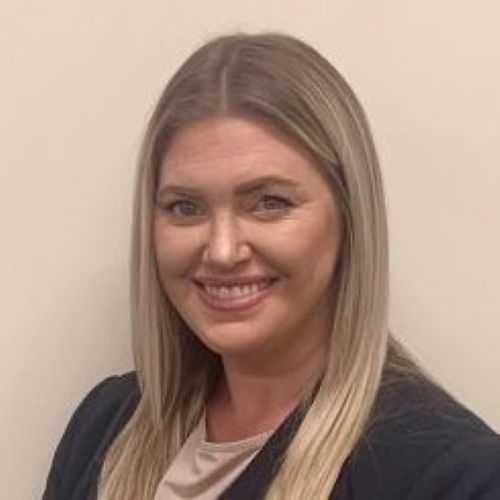


Speaker bio
Kylie Brown
is an attorney at The Royal Law Firm. She counsels companies on a variety of workplace issues, including disability and reasonable accommodations, drug and alcohol policies and testing, conducting workplace investigations, disciplinary action and discharge, wage and hour law compliance, discrimination and harassment, workers’ compensation, OSHA compliance, Family and Medical Leave Act (FMLA), and Americans with Disabilities Act (ADA) violations. Ms. Brown performs preventive work such as employment practices audits, drafts employment-related contracts and personnel policy manuals, and conducts employee and management trainings. She earned her B.A. degree from Lasell College and her J.D. degree from Western New England University School of Law.
Speaker bio
Trevor R. Brice
is an attorney at The Royal Law Firm with years of experience advising clients through the litigation process. His experience ranges from representing private corporations in state and federal court, to representing individual clients before unemployment tribunals. Mr. Brice works to solve employers' problems early before they spiral out of control. He has regularly advised and represented clients in state and federal courts, as well as at the Equal Employment Opportunity Commission (EEOC), Massachusetts Commission Against Discrimination (MCAD), Connecticut Commission on Human Rights and Opportunities (CHRO), and other state agencies. Mr. Brice holds a Bachelor of Science degree in management from Providence College, and a Juris Doctor and master's degree in business administration from Suffolk University Law School, Boston, Massachusetts.
Speaker bio
Elaine M. Reall
is an attorney at The Royal Law Firm LLP in their Springfield, Massachusetts location. Her specialties include collective bargaining, mediation, personnel and employment law, nonprofit by-laws and employment issues, and the representation of educational institutions, municipalities, and businesses in discrimination matters. Ms. Reall earned her J.D. degree from Syracuse University's College of Law; where she was lead articles and research editor of the Syracuse Law Review and taught legal research and writing to first year law students. She earned her B.A. degree, with honors, from American International College. Ms. Reall was elected to and served as a trustee of Forbes Library, currently serves as a board member of the Lathrop Community, has served as a member of the Board of Community Action and was a founding board member of The Pioneer Valley Performing Arts Charter School. She is admitted to practice law in Massachusetts and the United States District Court, Massachusetts.
TOP FAQs
Have more questions? Please Contact Us