

Trusts in Texas From A to Z
Credits Available
| Credit | Status | Total | Until |
|---|---|---|---|
| New York CLE |
|
8 Total | 05-14-2027 |
| Texas CLE |
|
6.75 Total | 03-15-2026 |
Buy This Course
OnDemand Video
Video Download
Course Book Download
or
Overview
The Ultimate Pros and Cons Guide to Top Wealth Planning Techniques
Planning your clients' financial future and legacy is diverse and complex, with a unique tool for every unique client situation. In this fast-paced comprehensive program, our faculty will guide you through the plethora of trust options and give you a straightforward, incisive analysis of when and how each can be used for maximum effect. Explore the goals, functions, administration hurdles, and tax implications of the top trusts in the practice. Choose the best tool for the job every time - register today!
- Weigh all the pros and cons to select the best trust options for specific client situations.
- Anticipate tax consequences of various trusts.
- Use sample trust language our faculty provide to save drafting time and avoid mistakes.
- Clarify the powers and duties of trustees in different trusts.
- Compare living and testamentary trusts for straightforward estate planning.
- Distinguish between accounting and taxable income and learn how trust income tax is reported.
- Understand how recent tax laws changed the practice of marital trusts and learn when they are still useful.
- Review common ethical missteps that can cost you your license - and how to avoid them.
Abbreviated Agenda
- What are Trusts? Main Trust Principles
- Simple Testamentary Trusts and Revocable Living Trusts
- Tax Reduction with Trusts
- Other Trust Structures and Issues
- Marital Trusts in a Nutshell
- Generation Skipping/Dynasty Trusts
- Charitable Trusts
- Special Needs Trusts (SNTs)
- Legal Ethics
Credit Details
Credits Available
| Credit | Status | Total | Until |
|---|---|---|---|
| New York CLE |
|
8 Total | 05-14-2027 |
| Texas CLE |
|
6.75 Total | 03-15-2026 |
Select Jurisdiction
CLE
Agenda
-
What are Trusts? Main Trust Principles
- Trust Terms, Concepts, and Definitions
- Key Parties in a Trust and Their Roles
- The Laws of Trust Creation and Administration (UTC, UPA, UPIA, etc.)
- Trust Revocability and its Implications
- Trust Funding Basics
- Creditor Rights in Regards to Trusts
- Does the Client Need a Trust?
-
Simple Testamentary Trusts and Revocable Living Trusts
- When are Testamentary Trusts Used?
- Living vs. Testamentary Trusts for Tax Purposes
- Trust Funding Mistakes and Consequences
- Top Trust Administration Issues
- Sample Trust Language
-
Tax Reduction with Trusts
- Current State and Federal Tax Regime
- Taxation of Trusts: Transfer and Income
- Accounting vs. Taxable Income
- Tax Consequences of Distributions
- Tax Implications of a Trust Becoming Irrevocable
- Accumulation Distribution for Some Complex Trusts
- Material Participation by Trusts
- Tax Consequences of Trusts in Estate Administration
-
Other Trust Structures and Issues
- Minors' Trusts
- IRA Trusts
- Pet Trusts
- Medicaid Trusts
- Asset Protection Trusts
- Irrevocable Life Insurance Trusts
- Incomplete Non-Grantor Trusts
- Gun Trusts
- Trust Decanting, Modification, and Dissolution
- Smaller Estate Trusts
- Constructive Trusts
-
Marital Trusts in a Nutshell
- When are Marital Trusts Used?
- Old AB/Credit Shelter Trusts After ATRA and Tax Cuts and Jobs Act
- Tax Planning, Requirements, and Consequences
- Trustee Powers, Duties, and Challenges
- Underfunded Trusts After First Death
- QDOTs for Noncitizen Spouses
- Exceptions to the Rules
- Handling Dysfunctional Client Families
- Sample Trust Language
-
Generation Skipping/Dynasty Trusts
- GST Tax and Other Tax Considerations
- When are Dynasty Trusts Used?
- Trustee Powers and Duties and Administration Challenges
- Exceptions to the Rules
- Sample Trust Language
-
Charitable Trusts
- When are Charitable Trusts Used?
- CRTs vs. CLTs
- Tax Planning, Requirements, and Consequences
- Trustee Powers and Duties and Administration Issues
- Exceptions to the Rules
- Charitable Planning in Smaller Estates
- Sample Trust Language
-
Special Needs Trusts (SNTs)
- When are SNTs Used? (SNTs vs. ABLE Act Accounts)
- Types of SNTs
- Tax Consequences of SNTs
- Preserving Benefits Eligibility
- Trustee Powers and Duties (What Can the Distributions be Used for?)
- Sample Trust Language
-
Legal Ethics
- Who Is Your Client? The Most Important Question in Trusts Practice
- Top Legal Malpractice Risks
- Testator Capacity Issues
- Dealing with Trust Beneficiaries
- Protecting Confidentiality
- Preventing Fiduciary Misconduct
Who Should Attend
This basic level online seminar is designed for the professionals involved in creating and administering trusts:
- Attorneys
- Accountants and CPAs
- Trust Officers
- Tax Managers
- Wealth Managers
Speakers
Speaker bio
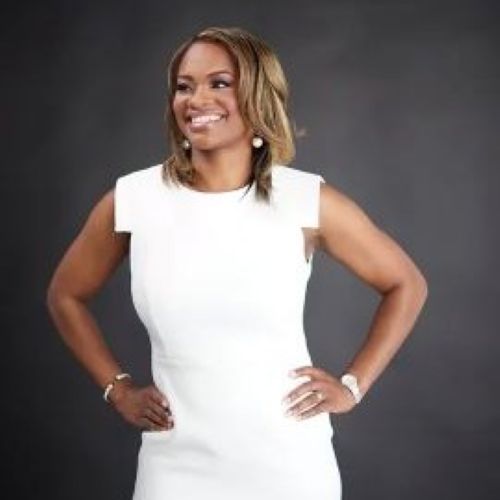
Deshonda P. Charles
, president and CEO of D. Charles Law Firm, PLLC, has over 20 years of experience practicing law in the areas of estate planning and probate litigation, family law, and employment discrimination litigation. She is licensed to practice law in the states of Texas, Louisiana, New York and Connecticut; before the U.S. District Court for the Southern District of Texas; and before the Court of Appeals for the Fifth Circuit. Ms. Charles is a member of the Houston Lawyers Association (past president), The Greater New Orleans Louis A. Martinet Society Legal Society, The National Bar Association, and The College of the State Bar of Texas. She earned her B.A. degree from Loyola University New Orleans and her J.D. degree from Tulane University Law School also in New Orleans.
Speaker bio
Paul F. Wright
is a senior partner with The Wright Firm LLP and the managing partner of the firm's Dallas office. His practice concerns fiduciary and business litigation, contested and uncontested probate and guardianship matters, as well as estate and business planning. Mr. Wright's litigation practice focuses on resolving estate and trust disputes, as well as representing closely held and middle-market businesses. His transaction practice involves counseling individuals, families, widows, business owners, and professionals (primarily physicians) in estate and tax planning, wealth preservation, post-divorce planning and asset rehabilitation; and advising business owners regarding on-going legal matters that affect businesses. Mr. Wright is a licensed attorney and certified public accountant, and is board-certified in estate planning and probate law by the Texas Board of Legal Specialization. He is a member of the Dallas Bar Association, American Bar Association, Texas Society of CPA's, National Academy of Elder Law Attorneys and the National College of Probate Judges. Mr. Wright earned his B.S. degree in accounting from the University of North Texas, his M.S. degree in taxation from the University of North Texas and his J.D. degree from South Texas College of Law.
Speaker bio
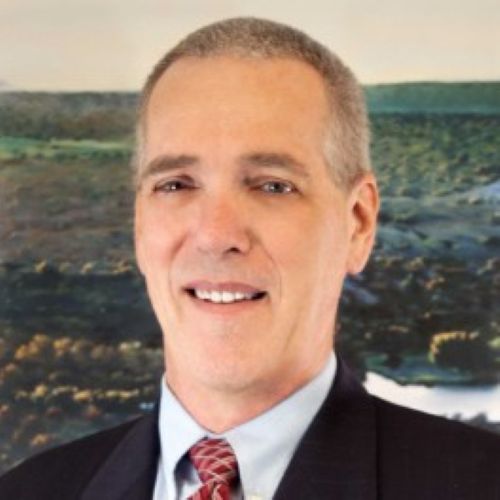
William R. Hayes
is a partner in the law firm of Hayes & Wilson, PLLC. He is a frequent speaker on estate planning, wills and trusts, probate, charitable gifting, disability planning, elder law, and Medicaid. Mr. Hayes has served the Houston Bar Association as co-chair of the Elder Law Committee, and chair of the Fee Dispute Committee for which he was honored with the HBA Presidents Award. He is board-certified in estate planning and probate by the Texas Board of Legal Specialization. Mr. Hayes is a member of the State Bar of Texas, Houston Estate and Financial Forum, Houston Business and Estate Planning Council, Attorneys in Tax and Probate, and Disability and Elder Law Attorneys Association. He earned his B.B.A. and J.D. degrees from the Southern Methodist University.
Speaker bio
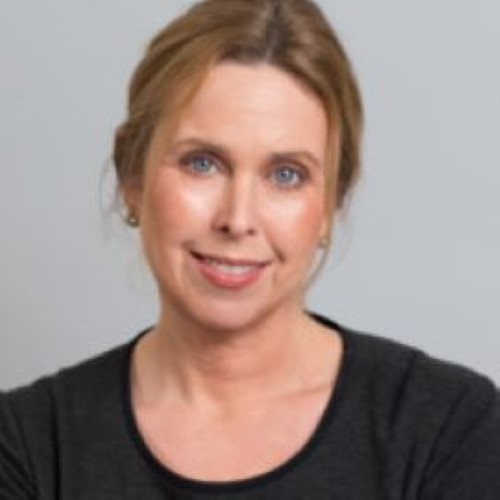
Megan L. Jones
is a partner with Pillsbury Winthrop Shaw Pittman LLP, where she is a tax attorney who focuses her practice on advising entities, individuals and family offices on planning matters, both domestically and internationally. She is a California Certified Tax Specialist. Ms. Jones’s experience includes handling a broad range of complex U.S. and international tax issues, with an emphasis on individuals, entities and family offices. Her work spans both income and estate tax planning work. Ms. Jones has extensive experience advising on crypto assets, blockchain technology, NFTs, energy credits and related tax issues. She also has extensive experience in the technology industry, advising both entrepreneurs and companies on a variety of matters. Ms. Jones is an adjunct professor at the USC Gould School of Law, teaching international business transactions. She is also very active in the legal community, holding positions on the USC Tax Institute Planning Committee and at CalCPAs, both locally and at a state level. Ms. Jones is on the Board of Directors of the Mr. Holland’s Opus Foundation. She is also co-leader of Pillsbury’s Women’s Impact Network (WIN) initiative, focused on the advancement of women in law. Ms. Jones earned her B.A. degree in finance from Pepperdine University, her J.D. degree from Loyola Law School and her LL.M. degree in taxation from Loyola Law School. She is admitted to practice in California, District of Columbia and Texas.
Speaker bio
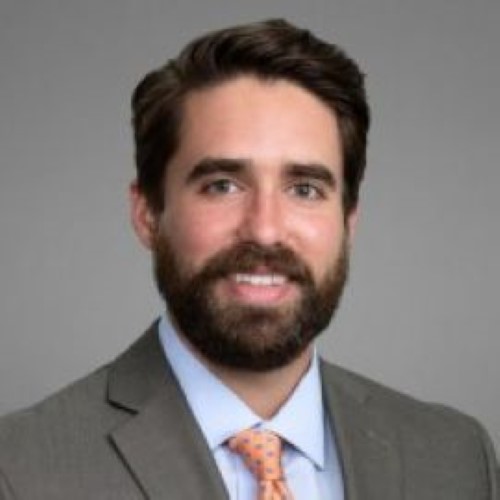
J. Crispin E. Clarke
is an attorney with the law firm of Ford + Bergner LLP. He worked for a probate firm in Houston, where he counseled and represented individuals on matters involving tax planning and planning for the disposition of assets at death. Mr. Clarke continues to handle administrative and estate planning matters at Ford + Bergner LLP, and primarily assists high-net-worth clients in tax and wealth preservation planning. He caters to a diverse base of clients in both the greater Houston area and throughout the state of Texas. Mr. Clarke routinely presents to professional groups regarding topics that concern tax and estate planning, probate and guardianships, and has authored and published numerous papers that focus on the foregoing practice areas. He is a member of various organizations and committees associated with the State Bar of Texas and Houston Bar Association, that are dedicated to probate, estate planning, tax and trust law. Mr. Clarke earned his B.A. degree from the University of Texas at Austin and his J.D. degree from the University of Houston Law Center.
TOP FAQs
Have more questions? Please Contact Us