

Buy This Course
OnDemand Video
Video Download
Course Book Download
or
Overview
Comply With the Latest Special Education Laws to Avoid Liability
With increasing numbers of students qualifying for special education services, professionals working with students with disabilities know that an understanding of special education law is crucial. You need to know the law in order to deal with complex questions that arise on a regular basis. Who pays when a disabled student is placed in private schooling at the parents' election? How can a school create the least restrictive environment and promote inclusion to the best interests of all students? It can be costly if you don't know. Register today!
- Strengthen your knowledge of how recent special education legislation affects school policies and operations.
- Learn what to do and what not to do in 504 plans.
- Evaluate the legal protection offered by the Individualized Education Program (IEP).
- Successfully handle disciplinary actions for students with disabilities.
- Explore the role of manifestation determination reviews in disciplinary actions.
- Understand the rights of disabled students so you can avoid inadvertent illegal actions that may lead to a lawsuit.
Abbreviated Agenda
- Establishing the Framework of Special Education Law
- Section 504 Plan Documentation: What You Need to Know
- Unraveling the Requirements of the Individuals With Disabilities Education Act (IDEA)
- Successfully Handling Disciplinary Actions for Students With Disabilities
- Ensuring Successful Due Process Procedures
- Protecting the Rights of Children With Disabilities
Credit Details
Credits Available
| Credit | Status | Total | Until |
|---|---|---|---|
| Alabama CLE |
|
6 Total | 12-31-2025 |
Select Jurisdiction
CLE
Agenda
-
Establishing the Framework of Special Education Law
- Overview of Laws That Govern Special Education
- Summary of Recent Developments in Special Education Law
- Relevant Case Law
-
Section 504 Plan Documentation: What You Need to Know
- Review of Section 504
- Determining When an Evaluation Is Necessary
- Information Required to Document a Disability
- Americans With Disabilities Act and 504 Plan Eligibility
- Proper Notice of Evaluation and Placement
- 504 Plan Dos and Don'ts: With Examples
-
Unraveling the Requirements of the Individuals With Disabilities Education Act (IDEA)
- What Are Early Intervention Programs?
- Defining State and Local Eligibility for Services
- Free Appropriate Public Education (FAPE)
- Conducting Evaluations and Re-Evaluations of Students With Disabilities
- The Role of the Individualized Education Program (IEP) and the IEP Team
- Availability of Personnel Who Know How to Meet the Needs of Disabled Students
- Specific Issues About Exceptional Needs Children Enrolled in Private Schools
- How, When, and Why Reauthorization Occurs
-
Successfully Handling Disciplinary Actions for Students With Disabilities
- Providing Services During Disciplinary Removal
- Defining Functional Behavioral Assessments (FBAs)
- What Are Behavioral Intervention Plans?
- How Manifestation Determination Reviews Apply
- Protections for Children Not Yet Eligible for Special Education and Related Services
- Changes in Placement
- Suspensions and the Ten-Day Rule
- Legal Rules Governing Removal or Expulsion
- Interim Alternative Educational Settings
- Other Available Remedies
- "Stay Put" Placement During Pendency of Due Process
- Expedited Due Process Hearings
-
Ensuring Successful Due Process Procedures
- Actions to Take Upon Receipt of Request for an Impartial Hearing
- Complying With Notice Requirements
- Examining Essential Timing Issues
- Providing for the Option of Mediation
- How to Prepare for a Due Process Hearing
- Crucial Elements in an Impartial Due Process Hearing
- When De Novo Reviews Apply
- Effective Ways to Avoid Due Process Litigation
-
Protecting the Rights of Children With Disabilities
- Promoting Parent Awareness of Legal Rights and Recourse for Their Child
- Understanding Placement Issues
- Least Restrictive Environment and Inclusion
- Requirements for Unilateral Placements by Parents Seeking Public Payment
- Compensatory Education
- Preventing Disability Bullying and Harassment in the Schools
- Protecting Confidentiality of Information
- Special Education Damages Liability (Including Section 1983 Liability)
- Using the Office of Civil Rights (OCR) to Ensure Compliance
Who Should Attend
This basic-to-intermediate level seminar is designed specifically for professionals who work with children with disabilities in a school setting. Those who should attend include:
- School Administrators
- Superintendents
- Board Members
- Principals
- Counselors
- School Psychologists
- Teachers
- Attorneys
Speakers

Speaker bio
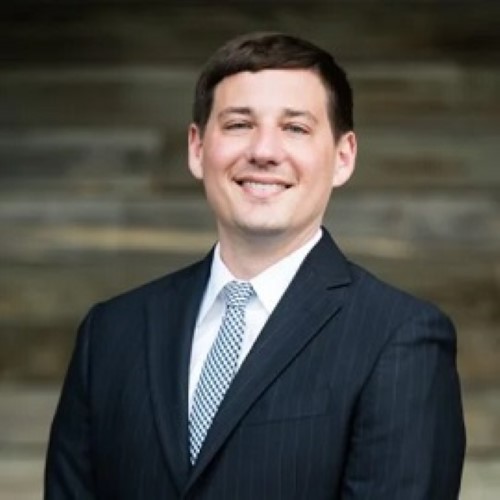
Kristopher L. Caudle
is a senior associate attorney with Campbell Shatley, PLLC, where he advises school boards and practices in the areas of special education litigation, employment litigation, and appellate law. He is admitted to practice in North Carolina, Western District of North Carolina's United States District Court and the Fourth Circuit Court of Appeals. Mr. Caudle has served as an adjunct professor in the Criminal Justice Department at UNC-Charlotte during the Spring 2019 semester, teaching an undergraduate course in conflict resolution and mediation. He also serves as a co-teaching instructor and guest lecturer in education law at Western Carolina University. Mr. Caudle is a member of the North Carolina Council of School Attorneys and the past chair of the North Carolina Bar Association's Education Section. He earned his B.A. degree from the University of North Carolina at Wilmington and his J.D. degree from the University of North Carolina School of Law.
Speaker bio
LaWanda Wallace
is the assistant principal of DeSoto County Schools. She received her undergraduate degree from the University of Mississippi and her master's degree in educational leadership from Cambridge College, as well as an education specialist degree in educational leadership-special education director from Arkansas State University. Ms. Wallace is currently pursuing a doctorate in education leadership at the University of Mississippi. She has experience teaching self-contained special education, compensatory math, pre-algebra and science.
Speaker bio
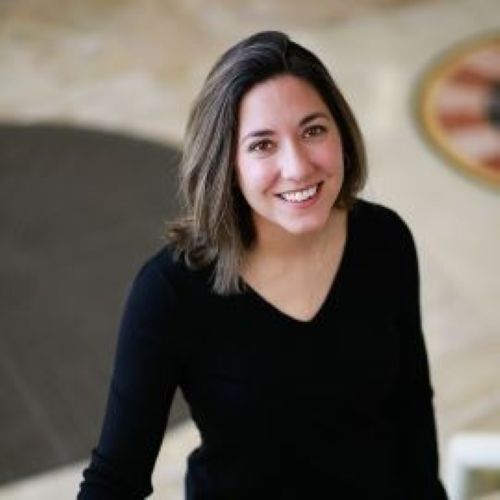
Allison C. Tomberlin
is a partner at Beechler Tomberlin, PLLC located in Winston-Salem, North Carolina. She has experience in a broad range of education, business, construction, and employment law matters, including serving as general counsel to one of the largest school districts in North Carolina, and managing the human resources department for an employer with more than 8,000 employees. Ms. Tomberlin earned her B.A. degree from University of North Carolina at Asheville and her J.D. degree from University of North Carolina School of Law. She proudly represents local law enforcement officers in conjunction with the Southern States Police Benevolent Association. Ms. Tomberlin is admitted to practice law in North Carolina and before the U.S. District Court, Middle and Eastern districts of North Carolina.
Speaker bio
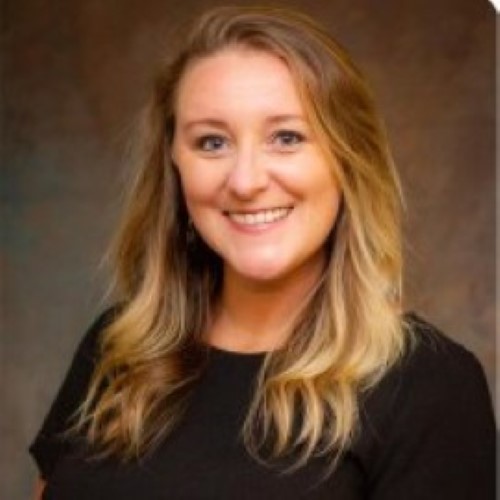
Erin C. Hendricks
is the professional development coordinator of equity and inclusion at the University of Mississippi, Mississippi Department of Education. She has experience in the resource and self-contained classroom and extensive knowledge in the specialized instruction for students with developmental delays, and cognitive deficits, specifically for student on the Autism spectrum and in early childhood. Ms. Hendricks earned her B.A. degree from The University of Mississippi, her master's degree from The University of Memphis, and Educational Specialist degree from Delta State University.
TOP FAQs
Have more questions? Please Contact Us