

IEP and 504 Plan Legal Workshop
Credits Available
| Credit | Status | Total | Until |
|---|---|---|---|
| Connecticut CLE |
|
6 Total | 05-09-2026 |
| New York CLE |
|
7 Total | 05-09-2027 |
| Pennsylvania CLE |
|
6 Total | 05-09-2026 |
Buy This Course
OnDemand Video
Video Download
Course Book Download
or
Overview
Strengthen Your School's IEP and 504 Plan Process and Protect Student Rights
IEPs and 504 plans are essential tools to ensure positive learning outcomes for many students. They also have the potential to cause legal issues for schools if they aren't properly planned and carried out. Join our experienced faculty for this comprehensive overview of legal liabilities in IEPs and 504 plans. Take away valuable information you can use to spot potential issues in your school's IEP and 504 plan process. Register today!
- Ensure students get the tools they need to succeed by properly determining if they are eligible for an IEP or a 504 plan.
- Implement legally appropriate 504 plans that ensure a level playing field for eligible students.
- Conduct IEP meetings that include all the necessary players, and know what to do if someone is unable to attend.
- Handle situations where an IEP just isn't working and modifications are immediately needed.
- Create behavioral intervention plans that properly take into account the information contained in functional behavior assessments.
- Properly protect the legal rights of students with IEPs and 504 plans in situations where discipline codes are broken.
Abbreviated Agenda
- IDEA or Section 504? Determining Eligibility Under Both Laws
- Developing and Implementing 504 Plans: Ensuring a Level Playing Field
- The IEP Development Process: Handling Difficult Issues
- Key Considerations for Implementing IEPs
- Discipline and Expulsion Essentials Under IDEA and Section 504
- Functional Behavioral Assessments (FBAs) and Behavior Intervention Plans (BIPs): Ensuring Best Practices
Credit Details
Credits Available
| Credit | Status | Total | Until |
|---|---|---|---|
| Connecticut CLE |
|
6 Total | 05-09-2026 |
| New York CLE |
|
7 Total | 05-09-2027 |
| Pennsylvania CLE |
|
6 Total | 05-09-2026 |
Select Jurisdiction
CLE
Agenda
-
IDEA or Section 504? Determining Eligibility Under Both Laws
- Section 504
- What Is a Disability Under Section 504?
- Major Life Activities: What Do They Encompass?
- Substantial Limitations: What Is the Bar?
- Impairment Determinations: What Can and Can't Be Considered?
- The IDEA
- Eligibility Categories
- ADHD and Other Difficult-to-Place Disabilities
- Required Need for Specially Designed Instruction
- Best Practices for Determining Eligibility
- IDEA-Eligible Students With Additional Medical Needs
- Handling Disputes With Parents Over Eligibility
- Section 504
-
Developing and Implementing 504 Plans: Ensuring a Level Playing Field
- Eligibility: What Should Be Considered
- What Accommodations Should and Should Not Do
- 504 Accommodations vs. Specially Designed Instruction (and Why It Matters)
- Distribution of 504 Plans
- Avoiding Modifications
- Reviews and Re-Evaluations
- 504 Plan Red Flags to Avoid
-
The IEP Development Process: Handling Difficult Issues
- IDEA Evaluation Report Essentials
- The IEP Meeting: What If Parents Refuse to Come?
- Third-Party Participation at IEP Meetings: Outside Agencies, Invited Guests, etc.
- Avoiding Predetermination on IEPs
- Parent Recording of IEP Meetings: Can Schools Prohibit It?
- Ensuring the IEP Team Has All Necessary Members
- Creating Measurable IEP Goals and Progress Requirements
- Creating a Prudent Paper Trail
-
Key Considerations for Implementing IEPs
- Who Should Receive a Copy? What Form Should It Be?
- Teacher Training: Necessary Requirements to Ensure Successful Implementation
- Progress Monitoring, Documentation, and Reporting
- What to Do When IEPs Aren't Working
- Mid-Year Revisions
- Who Can Make Them?
- When Should They Be Made?
-
Discipline and Expulsion Essentials Under IDEA and Section 504
- Providing Services During Disciplinary Removal
- How Manifestation Determination Reviews Apply
- Protections for Children Not Yet Eligible for Special Education and Related Services
- Changes in Placement
- Suspensions and the Ten-Day Rule
- Legal Rules Governing Removal or Expulsion
- Interim Alternative Educational Settings
- Other Available Remedies
- Multiple Suspensions and Denial of Free Appropriate Public Education
-
Functional Behavioral Assessments (FBAs) and Behavior Intervention Plans (BIPs): Ensuring Best Practices
- What IDEA Says About FBAs and BIPs
- Who Should Be Involved in the Process?
- Meeting Key Evaluation Requirements
- How to Use the Information
- BIPs and Their Relation to IEPs
- Creating BIPs That Are Useful for Staff
- Crisis Components and BIPs
- Behavior Plans and Section 504
- Handling Disagreements With Parents
Who Should Attend
This basic-to-intermediate level program on creating legally compliant IEPs and 504 plans is for:
- School Principals and Vice Principals
- School Superintendents and Assistant Superintendents
- School Psychologists
- School Counselors
- Special Education Teachers
- General Education Teachers
- Attorneys
- Paralegals
Speakers
Speaker bio
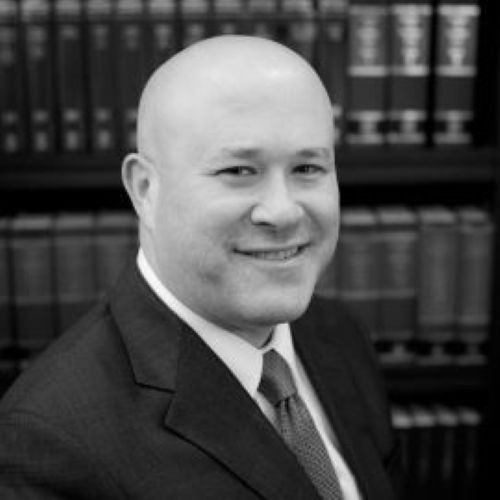
Daniel Petigrow
is a partner with the law firm of Thomas, Drohan, Waxman, Petigrow & Mayle, LLP, where he devotes a substantial portion of his practice to education, special education, and labor and employment law. He has represented school district clients in various matters before the Commissioner of Education, state and federal courts, involving matters such as special education, student residency, boundary disputes and construction matters. Mr. Petigrow has taught as an adjunct professor of education law at Fordham University. He has also presented at numerous seminars and workshops focusing on a variety of legal issues affecting public education. Mr. Petigrow also represents educational clients in real estate and construction litigation, as well as tax certiorari matters. He earned his B.A. degree from Brandeis University and his J.D. degree from Fordham University School of Law.
Speaker bio
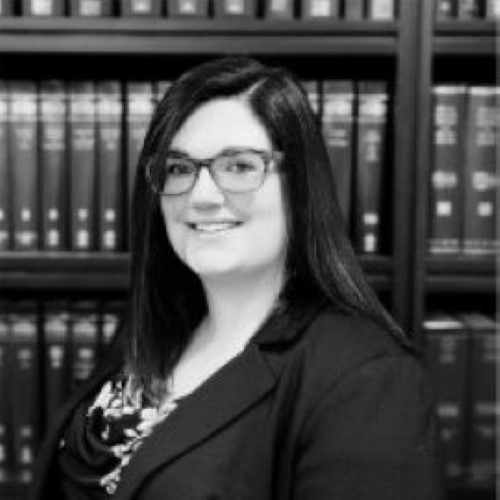
Cassidy Allison
is an attorney with the law firm of Thomas, Drohan, Waxman, Petigrow & Mayle, LLP in Hopewell Junction, New York. She focuses her legal practice on education, special education and labor law. Ms. Allison provides counsel to clients on various issues including student residency, the Family Educational Rights and Privacy Act (FERPA), policies, special education issues and student discipline. She also represents boards of education in various labor negotiations. Ms. Allison gives presentations at seminars and workshops focusing on a variety of issues including special education. She earned her bachelor’s degree from Mount Saint Mary College and her J.D. degree from Elisabeth Haub School of Law at Pace University. Ms. Allison is a member of the New York State Bar Association.
Speaker bio
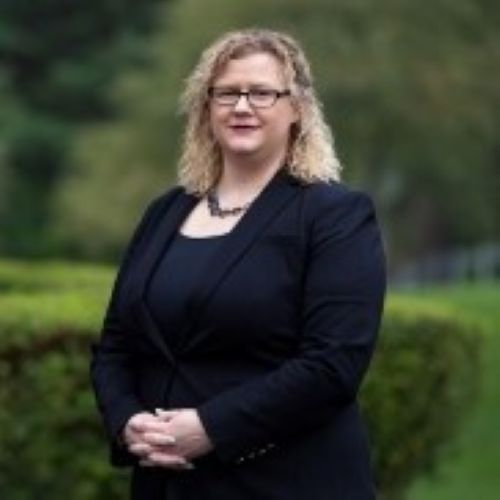
Tara L. Moffett
is a partner with Girvin & Ferlazzo, PC, where she concentrates her practice in the area of education law with a focus on special education. She is experienced in the field of special education, including Section 504 of the Rehabilitation Act and the Individuals with Disabilities Education Act. Ms. Moffett’s practice includes consultation, negotiation, mediation, litigation, and appellate work in state administrative proceedings and federal court. She provides guidance and training to school districts on general education matters such as confidentiality of student records, residency issues, bullying, and discipline. Ms. Moffett is admitted to practice before the U.S. District Court for the Southern District of New York and in the state of New York. She is an adjunct professor with Empire State College teaching business law and employment law. Ms. Moffett has also been named to the Executive Board for the New York Capital Region Special Education Task Force. She is a cum laude graduate of the State University of New York at Albany and a graduate of Albany Law School of Union University.
Speaker bio
Daniel Levin
is an attorney with Frazer & Feldman, LLP where he focuses his practice on special education law, including representation of school districts in due process hearings, CSE meetings for IEPs, 504 plans, settlements, and manifestation determination reviews. Prior to joining Frazer & Feldman, LLP, he worked as senior counsel and legislative director in the New York State Senate, where he negotiated, drafted and advised State legislators on budget bills, voting rights legislation, criminal law and criminal justice reform, and local government issues. Mr. Levin also worked as a staff attorney and team leader for the Special Education Unit of the New York City Department of Education (DOE), where he investigated, settled and litigated due process complaints under the IDEA on behalf of the school district. He also drafted appeals to the State Review Office on IDEA hearings and chaired a committee focused on improving the unit's litigation practice. As team leader, he supervised attorneys in representing the district on IDEA claims for settlements and hearings. Mr. Levin earned his J.D. degree from Albany Law School and was the symposium editor of the Albany Government Law Review. He earned his B.A. degree in political science from Binghamton University. Mr. Levin is admitted to practice in New York and is a member of the Nassau County Bar Association.
TOP FAQs
Have more questions? Please Contact Us