

Utah Rules of Evidence: A Practical Toolkit
Credits Available
| Credit | Status | Total | Until |
|---|---|---|---|
| New Mexico CLE |
|
6 Total | 06-17-2026 |
| Utah CLE |
|
6 Total | 12-31-2025 |
Buy This Course
OnDemand Video
Video Download
Course Book Download
or
Overview
A Real-World Application of Evidence to Courtroom Events
The rules of evidence are constantly evolving in response to court decisions, technological advances in discovery, and changes to various state rules. It can be an onerous task to continuously analyze and apply them to your cases. How confident are you in your skills when it comes to gathering and working with expert witness testimony, email/ESI, and the technicalities of hearsay? Learn from our experienced faculty as they explore key court decisions involving admissibility and practically apply the rules of evidence to common evidentiary challenges you face during litigation. Untangle the intricate web of evidence rules and procedures - register today!
- Gain veteran tips on applying the rules of evidence at each stage of the litigation process, from discovery to trial.
- Learn how to effectively analyze, authenticate, admit, and exclude the most complex types of evidence.
- Find out what red flags to look for when handling email and other ESI.
- Explore hearsay in depth and get a concrete understanding of what constitutes hearsay.
- Clearly link your evidence to your case with proven presentation skills.
- Be prepared to argue relevance and get experts and evidence admitted (or excluded) in court.
Abbreviated Agenda
- The "Big Six" Admissibility Questions
- Understanding Hearsay
- Handling Email, Social Media and Other ESI
- Witness Testimony and Reports
- Keeping Evidence Out (Pre and Post Trial)
- Admission/Exclusion of Unique Evidence
- Presenting to the Judge and Jury
- Ethical Considerations
Credit Details
Credits Available
| Credit | Status | Total | Until |
|---|---|---|---|
| New Mexico CLE |
|
6 Total | 06-17-2026 |
| Utah CLE |
|
6 Total | 12-31-2025 |
Select Jurisdiction
CLE
Agenda
-
The "Big Six" Admissibility Questions
- QUESTION #1: Is it Authentic? (If Not, How do I Authenticate/Identify the Evidence?)
- QUESTION #2: Is it Hearsay?
- QUESTION #3: Is There a Proper Foundation?
- QUESTION #4: Is it Relevant?
- QUESTION #5: Should the Evidence be Excluded?
- QUESTION #6: What is the Proper Way to Introduce the Item into Evidence?
-
Understanding Hearsay
- Overview of Critical Rules You Need to Know Regarding Hearsay
- Recent Case Law
- Practical Application of the "Big Six" to Real-World Courtroom Events
- Exceptions
- Hearsay Problems, Such as When Your Client or Opposing Party is Deceased
- Hearsay Within Hearsay
- Attacking/Supporting Declarant's Credibility
-
Handling Email, Social Media and Other ESI
- Collecting ESI
- Recent Case Law
- Practical Application of the "Big Six" to Real-World Courtroom Events
- Email as Evidence
- Electronic Medical Records
- Social Media
- Web Pages
- Video
- Voicemail
- Text Messages
- Citing Online Content Properly
- Preservation of Metadata
-
Witness Testimony and Reports
- Practical Application of the "Big Six" to Real-World Courtroom Events
- Character and Competency
- Opinion Testimony (Lay and Expert Witnesses)
- Admissibility of What You Give Your Expert
- Court-Appointed Expert Witnesses
- Impeachment
- Frye vs. Daubert Challenges
- Expert Reports
- Other Expert Considerations
- Practical Application of the "Big Six" to Real-World Courtroom Events
-
Keeping Evidence Out (Pre and Post Trial)
- Practical Application of the "Big Six" to Real-World Courtroom Events
- Hearsay Objections
- Motion in Limine, Motion to Exclude, and Motion to Strike
- Motions for Sanctions
- Curtailing Speaking Objection
- Use of the Sidebar Conference
- Jury Instructions After the Objection
- Preserving Evidentiary Issues for Appeal
- Timing and Frequency of Objections
- Specificity of Objections
- Motions in Limine
- Offers of Proof
- Practical Application of the "Big Six" to Real-World Courtroom Events
-
Admission/Exclusion of Unique Evidence
- Practical Application of the "Big Six" to Real-World Courtroom Events
- Collecting Evidence Through Discovery: Evidence Considerations
- Character Evidence
- Evidence of a Person's Habit
- Evidence of Subsequent Remedial Measures
- Sexual-Assault, Child Molestation, and Sex-Offense Cases
- Writings, Recordings, and Photographs
- Medical Records, Charts, and X-Rays
- Other Records (Business, Public)
- Other Unique Evidence
- Practical Application of the "Big Six" to Real-World Courtroom Events
-
Presenting to the Judge and Jury
- Authenticating Exhibits
- Stipulations
- Self-Authenticating
- Authenticating - Laying the Foundation for Admissibility
- Presenting Deposition Records
- Introducing Juries to Evidence
- Providing Jury Notebooks
- Presenting Your ESI: Common Mistakes Made in the Courtroom
- Computer-Aided Displays, Video, and Graphics
- Authenticating Exhibits
-
Ethical Considerations
- Spoliation, Preservation, and Missing Evidence
- Legal Malpractice
- Lawyers as Witnesses
- Handling Highly Prejudicial Evidence
- Talking to Witnesses Before They Testify
- Facilitating Efficiency, Reliability, and Overall Fairness of the Adversary Process
- Attorney-Client Privilege
Who Should Attend
This basic-to-intermediate level online seminar offers attorneys the fundamental knowledge and practical skills to make the best use of evidence and testimony.
Speakers
Speaker bio
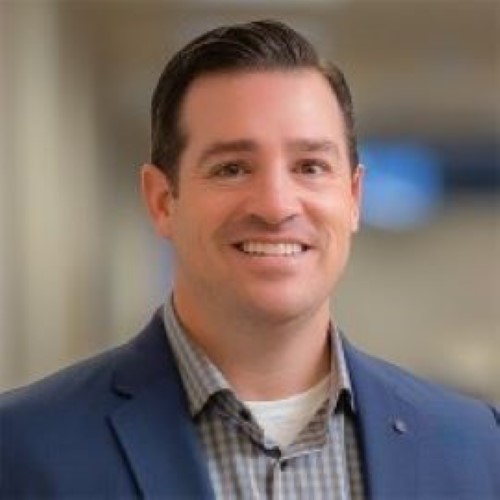
Michael W. Young
is an attorney and shareholder at Parsons Behle & Latimer, with significant experience in administrative, commercial and personal injury matters. He began practicing as an attorney in the Special Department for War Crimes in the Prosecutor's Office of Bosnia and Herzegovina. During his time in Bosnia, Mr. Young worked as part of the legal team that over several months of trial successfully, prosecuted Marko Radic and others for crimes against humanity. His work on the Radic trial team was particularly focused on crimes of rape and sexual assault. As the centerpiece of his practice, Mr. Young continues to represent victims of sexual assault in civil litigation against individuals, governmental entities, and private institutions. In addition to his sexual assault and abuse practice, Mr. Young also litigates mass tort and personal injury matters, and has significant experience in numerous jurisdictions across the country. His experience in these areas of practice includes litigating product liability, medical malpractice and trucking collision cases. Mr. Young was listed as one of Utah's Legal Elite in Utah Business Magazine (2014), as well as being listed in Mountain States Super Lawyers (2015 - present). He earned his two B.A. degrees from the University of Utah and his J.D. degree from New York University School of Law.
Speaker bio
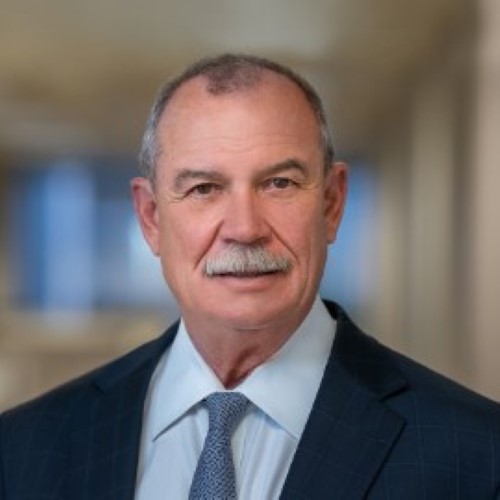
John A. Snow
is a shareholder with Parsons Behle & Latimer. His practice consists of general civil litigation, including commercial, professional malpractice, construction, and insurance coverage and defense. Mr. Snow is a member of the Utah State Bar; Litigation Section of the Utah State Bar; Construction Law Section of the Utah State Bar; State Bar of Nevada; American Bar Association; Litigation Section, Ethics Advisory Opinion Committee (Utah State Bar);; and member of the United States District Court for Utah (Technology Advisory Committee). He has been designated in The Best Lawyers in America for more than five years, in the specialties of legal malpractice law, commercial litigation and construction law. Mr. Snow has been designated in Utah Business magazine's Utah Legal Elite, in the specialties of civil litigation and construction law. He has also been designated as a Super Lawyer in the Mountain States in Super Lawyer Magazine, Mr. Snow earned his B.A. degree from Brigham Young University and his J.D. degree, cum laude, from Arizona State University.
TOP FAQs
Have more questions? Please Contact Us