

Resolving Boundary Disputes in Pennsylvania
Credits Available
| Credit | Status | Total | Until |
|---|---|---|---|
| New York CLE |
|
7 Total | 07-29-2027 |
| Pennsylvania CLE |
|
6 Total | 07-29-2026 |




Buy This Course
OnDemand Video
Video Download
Course Book Download
or
Overview
A Comprehensive Guide to Resolving Disputes Over Boundaries, Easements, and Encroachments
Disagreements over easements, encroachments, and property lines are contentious, time-sensitive situations that require skilled attorneys. How comprehensive is your knowledge of the top boundary dispute resolution methods? When determining the validity of a claim, can you read surveys and legal descriptions with deftly accurate precision? If tensions escalate, can you strategically deploy prescriptive easements, quiet title actions, and other tools of the trade to swiftly secure favorable outcomes for your clients? In this information-packed overview, you will not only receive a comprehensive knowledge of the inner workings of the top boundary dispute resolution mechanisms, but you will also gain valuable strategies on using the most appropriate methods that specific situations warrant. Gain a valuable edge in your next boundary dispute - register today!
- Perfect your knowledge of the top boundary dispute resolution methods, including prescriptive easements, quiet title actions, and curative deeds.
- Discover concrete insights on resolving boundary disputes and obtain practical, hands-on survey and legal description deciphering skills.
- Confidently handle contentious property line issues, including encroaching fences, problem trees on property lines, and more.
- Resolve thorny situations where property sellers fail to transfer necessary easements to buyers.
- Confidently determine the legality of unauthorized access roads running across one property to another.
- Ensure quiet title actions are handled in an ethically compliant manner.
Abbreviated Agenda
- The Top Boundary Dispute Resolution Methods Explained: A Hands-On Guide to Their Mechanics and Procedures
- Analyzing Surveys and Legal Descriptions to Resolve Boundary Disputes
- Using the Top Methods to Resolve Boundary Line and Encroachment Disputes
- Using the Top Methods to Tackle Easement Disputes
- Continuous Trespass: Using Prescriptive Easements, Adverse Possession Rules, and Other Top Methods to Resolve Disputes
- Oil, Gas, and Mineral Rights Disputes: Employing the Top Methods
- Ethical Considerations
Credit Details
Credits Available
| Credit | Status | Total | Until |
|---|---|---|---|
| New York CLE |
|
7 Total | 07-29-2027 |
| Pennsylvania CLE |
|
6 Total | 07-29-2026 |
Select Jurisdiction
CLE
Agenda
-
The Top Boundary Dispute Resolution Methods Explained: A Hands-On Guide to Their Mechanics and Procedures
- Prescriptive Easements, Boundary by Acquiescence, and Adverse Possession
- Quiet Title Actions: Their Uses, Mechanics, and More
- Reviewing Existing Contracts and Agreements
- Consulting Surveys and Legal Descriptions
- Curative Deeds (Quitclaim, Warranty) and Boundary Agreements: Uses, Drafting Considerations, etc.
- Title Insurance Endorsements During Real Estate Closings
- Alternate Dispute Resolution Methods and Litigation
-
Analyzing Surveys and Legal Descriptions to Resolve Boundary Disputes
- The Key Elements of Surveys and Legal Descriptions: A Practical Refresher
- Ensuring Surveys and Legal Descriptions Align
- Different Survey Types: Which is Best for Boundary Disputes?
- Determining the True Locations of Boundaries, Monuments, Encroachments, and Other Dispute-Causing Elements
- Examining Surveys and Legal Descriptions from Adjoining Properties for Conflicts: A Practical Exercise
-
Using the Top Methods to Resolve Boundary Line and Encroachment Disputes
- Ascertaining an Encroachment Exists
- Disputed Property Lines
- Misplaced or Lost Monuments and Boundary Markers
- Party Wall Disputes
- Fences and Retaining Walls
- Spite Fences
- Encroachments by Buildings and Other Structures
- Roof Overhangs
- Large Trees on Property Lines: Potential and Actual Damage, Pruning, and Other Issues
-
Using the Top Methods to Tackle Easement Disputes
- Types of Easements Explained (Express, Necessity, Prescriptive, Implied, etc.)
- Impeding Use of Easements
- Easement Maintenance Disputes
- Blocking Ingress and Egress
- Obstructing Views
- Failure to Transfer an Easement to a Successive Property Owner
- Trespass and Encroachment on Easements
- Considerations for Conservation Easements
-
Continuous Trespass: Using Prescriptive Easements, Adverse Possession Rules, and Other Top Methods to Resolve Disputes
- Unauthorized Occupants of Dwellings and Other Structures
- Crops, Cattle, and Other Unauthorized Agricultural Uses
- Continuous Recreational Trespass
- Unauthorized Access Roads Across Neighboring Properties
- Access Roads and Other Trespasses on Government Properties
- Dealing With Paper Streets
-
Oil, Gas, and Mineral Rights Disputes: Employing the Top Methods
- Split Estate Issues: Surface Owners Leasing Severed Oil and Gas Rights
- Oil and Gas Well and Infrastructure Encroachment
- Misplaced and Unauthorized Wells and Infrastructure
- Eminent Domain Disputes Over Pipelines
- Disputes Over Landowners' Rights of Use
-
Ethical Considerations
- Acting in Good Faith
- Following the Limitations Imposed by Statute and Common Law
- Truthfulness in Negotiations
- Dealing With Difficult Clients
- Calculating Attorneys' Fees
- Ethics in Quiet Title Actions
Who Should Attend
This basic-to-intermediate level online seminar on resolving boundary disputes is for:
- Attorneys
- Surveyors
- Engineers
- Government Officials
- Title Agents
- Title Adjusters
- Title Insurance Underwriters
- Real Estate Agents
- Paralegals
Speakers
Speaker bio
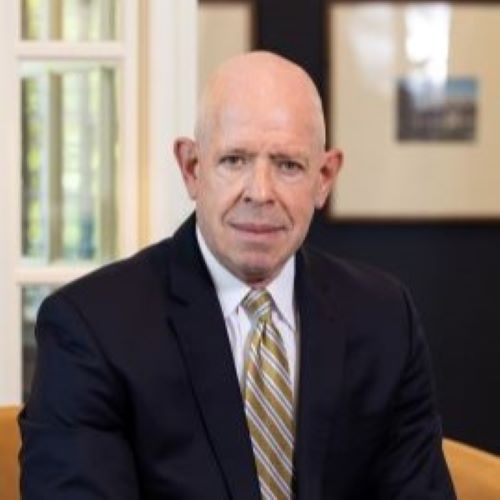
Paul J. Toner
is a founding partner of Orphanides & Toner, LLP. His practice areas include appellate practice, real estate law, municipal law, administrative law, landlord-tenant law, construction litigation, commercial litigation, tax sales, and condominium/planned communities development and litigation. Mr. Toner is an active member of the Pennsylvania Bar Association, as well as the bars of the U.S. District Court for the Eastern District of Pennsylvania, U.S. Court of Appeals for the Third Circuit, and U.S. Supreme Court. He served as chairman of the South of South Neighborhood Association (SOSNA), and was chairman of the SOSNA Zoning Committee. Mr. Toner also sits on the Board of Directors of the Freire Foundation of the Freire Charter School. He earned his B.A. degree from St. Joseph's University and his J.D. degree from Penn State - Dickinson School of Law.
Speaker bio
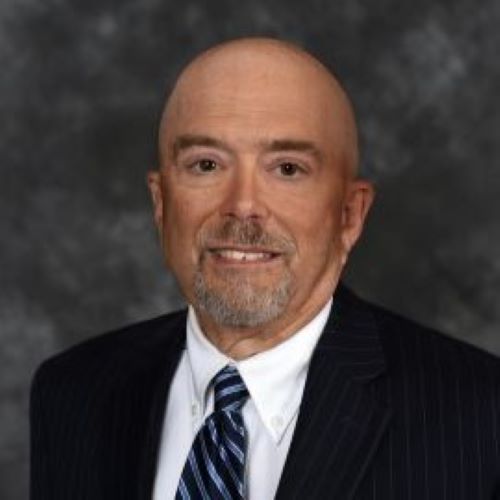
Neil M. Hilkert
is of counsel to Reidenbach & Associates, LLC, where his practice focuses primarily on real estate and general business-related transactions and litigation. His practice includes developer and contractor litigation, property and casualty insurance requirements, enforcement of rules and controls, and drafting and amending documents and transition from declarant. Mr. Hilkert is licensed to practice law in the Commonwealth of Pennsylvania and the state of New Jersey, and is a licensed real estate agent in the Commonwealth of Pennsylvania. He is a member of the Community Associations Institute's (CAI) Pennsylvania and Delaware Valley chapters, Delaware County Bar Association, Pennsylvania Association of Realtors, and National Association of Realtors. Mr. Hilkert earned his B.A. and M.A. degrees from Bloomsburg University and his J.D. degree from Thomas M. Cooley Law School.
Speaker bio
Peter L. Kogan
is counsel in the real estate group of the law firm of Reed Smith LLP. He represents clients in all major aspects of transactional real estate law, including property acquisition and disposition, land use and development, leasing and subleasing, and real estate finance and entity structuring. Mr. Kogan's clients have included large global retailers, professional sports franchises, hotel and restaurant developers, major industrial and manufacturing businesses, software and information technology companies, entities engaged in commercial transportation and waste disposal, and owners of retail and other properties. He focuses his practice on complex transactions involving the multi-purpose development and redevelopment of large-scale properties in Western Pennsylvania and elsewhere, which frequently include extensive and innovative arrangements with public and quasi-public agencies for the use of former industrial, commercial and institutional sites. In connection with such transactions, Mr. Kogan has assisted clients in securing public-private financing, and entering into partnership and development agreements governing the use and development of Brownfield and Grayfield sites. He has lectured extensively on issues of real estate law and commercial development in Western Pennsylvania. Mr. Kogan earned his B.A. degree from the University of Michigan and his J.D. degree, with honors, from Emory University School of Law.
Speaker bio
Jeffrey T. Morris
is an attorney with The Law Offices of Jeffrey T. Morris, where he practices in the areas of zoning, construction, and business and commercial litigation matters. He represents lenders in state, federal and bankruptcy courts; as well as corporate, transactional, and construction litigation matters. Mr. Morris is a member of the Pennsylvania, Allegheny (member, Construction Dispute Resolution Group) and American bar associations; as well as the American Arbitration Association (Commercial Arbitration Panel). He is admitted to practice in Pennsylvania and West Virginia. Mr. Morris earned his B.A. degree, magna cum laude, from the University of Pittsburgh; and his J.D. degree, cum laude, from the University of Pittsburgh School of Law.
Speaker bio
Brendan A. O'Donnell
is an attorney in Houston Harbaugh, P.C.'s oil and gas practice. He maintains a diverse practice, representing clients in all matters involving oil and gas spanning the transactional and litigation realms. On the transactional front, Mr. O'Donnell routinely assists landowners with negotiating oil and gas leases, pipeline rights of way, and surface use agreements and subsurface easements related to horizontal drilling as part of Marcellus and Utica shale development. He also frequently reviews royalty statements and oil and gas ownership issues, as well as preparing deeds and title curative documents. Mr. O'Donnell complements his oil and gas practice by representing property owners, including oil and gas owners, in zoning and land use matters. He earned his B.A. and J.D. degrees from the University of Pittsburgh. Mr. O'Donnell is admitted to practice in the Commonwealth of Pennsylvania, U.S. District Court for the Western and Middle districts of Pennsylvania, and U.S. Court of Appeals for the Third and Sixth circuits.
Speaker bio
Andrea Sálomon
is an attorney with Orphanides & Toner, LLP. She is practiced in navigating municipal codes, state regulations and federal law for land use, zoning, and real estate development. Ms. Sálomon earned her B.A. degree and M.U.D (Master of Urban Design) degree from Carnegie Mellon University, and her J.D. from Kline School of Law at Drexel University. She is admitted to practice in Pennsylvania and New Jersey.
TOP FAQs
Have more questions? Please Contact Us