

Church Law
Credits Available
| Credit | Status | Total | Until |
|---|---|---|---|
| Alaska CLE |
|
6 Total | 06-19-2026 |
| Alabama CLE |
|
6 Total | 12-31-2025 |
| Arizona CLE |
|
6 Total | 06-19-2026 |
| California CLE |
|
6 Total | 06-19-2026 |
| Colorado CLE |
|
7 Total | 12-31-2026 |
| Connecticut CLE |
|
6 Total | 06-19-2026 |
| Delaware CLE |
|
6 Total | 06-19-2026 |
| Georgia CLE |
|
6 Total | 12-31-2025 |
| Hawaii CLE |
|
6 Total | 06-19-2026 |
| Idaho CLE |
|
6 Total | 06-19-2026 |
| Illinois CLE |
|
6 Total | 06-18-2026 |
| Maine CLE |
|
6 Total | 06-18-2026 |
| Minnesota CLE |
|
6 Total | 06-19-2026 |
| Missouri CLE |
|
6 Total | 06-19-2026 |
| Northern Mariana Islands CLE |
|
6 Total | 06-19-2026 |
| Montana CLE |
|
6 Total | 06-19-2027 |
| North Carolina CLE |
|
6 Total | 02-28-2026 |
| North Dakota CLE |
|
6 Total | 06-19-2027 |
| Nebraska CLE |
|
6 Total | 06-19-2026 |
| New Hampshire CLE |
|
6 Total | 06-19-2027 |
| New Mexico CLE |
|
6 Total | 06-19-2026 |
| Nevada CLE |
|
6 Total | 06-19-2027 |
| New York CLE |
|
7 Total | 06-19-2027 |
| Ohio CLE |
|
6 Total | 12-31-2025 |
| Oklahoma CLE |
|
7 Total | 06-19-2026 |
| Oregon CLE |
|
6 Total | 06-19-2027 |
| Pennsylvania CLE |
|
6 Total | 06-19-2026 |
| Vermont CLE |
|
6 Total | 06-19-2026 |
| Washington CLE |
|
6 Total | 06-18-2029 |
| Wisconsin CLE |
|
7 Total | 12-31-2025 |
| West Virginia CLE |
|
7.2 Total | 06-19-2026 |
| North Carolina Continuing Paralegal Education |
|
6 Total | 02-28-2026 |
Buy This Course
OnDemand Video
Video Download
Course Book Download
or
Overview
First Amendment Principles, Fundraising Best Practices, Housing Allowances, and More
Build your knowledge and explore a new practice area! In this introductory course, our distinguished faculty delve into key topics and issues in church law. Discover the dos and don'ts of religious documentation, gain insights on the application process for 501(c)(3) tax-exempt status, examine best practices for land use and zoning, and more. Register today!
- Discover key laws governing churches and religious institutions.
- Uncover practical guidance for organizing churches and auxiliary entities.
- Identify best practices for handling church-related tax matters.
- Hear real-world advice for minimizing liability risks.
Abbreviated Agenda
- Overview: Constitutional Background
- Essentials of Organizing Churches and Auxiliary Entities
- Tax Exemption Under 501(C)(3) for Churches and Related Entities
- Fundraising: IRS Tax-Reporting Requirements, Charitable Fundraising Regulation, Issues With UBIT, and More
- Church Liability Concerns
- Handling Religious Land Use and Zoning Issues
- Ethical Considerations
Credit Details
Credits Available
| Credit | Status | Total | Until |
|---|---|---|---|
| Alaska CLE |
|
6 Total | 06-19-2026 |
| Alabama CLE |
|
6 Total | 12-31-2025 |
| Arizona CLE |
|
6 Total | 06-19-2026 |
| California CLE |
|
6 Total | 06-19-2026 |
| Colorado CLE |
|
7 Total | 12-31-2026 |
| Connecticut CLE |
|
6 Total | 06-19-2026 |
| Delaware CLE |
|
6 Total | 06-19-2026 |
| Georgia CLE |
|
6 Total | 12-31-2025 |
| Hawaii CLE |
|
6 Total | 06-19-2026 |
| Idaho CLE |
|
6 Total | 06-19-2026 |
| Illinois CLE |
|
6 Total | 06-18-2026 |
| Maine CLE |
|
6 Total | 06-18-2026 |
| Minnesota CLE |
|
6 Total | 06-19-2026 |
| Missouri CLE |
|
6 Total | 06-19-2026 |
| Northern Mariana Islands CLE |
|
6 Total | 06-19-2026 |
| Montana CLE |
|
6 Total | 06-19-2027 |
| North Carolina CLE |
|
6 Total | 02-28-2026 |
| North Dakota CLE |
|
6 Total | 06-19-2027 |
| Nebraska CLE |
|
6 Total | 06-19-2026 |
| New Hampshire CLE |
|
6 Total | 06-19-2027 |
| New Mexico CLE |
|
6 Total | 06-19-2026 |
| Nevada CLE |
|
6 Total | 06-19-2027 |
| New York CLE |
|
7 Total | 06-19-2027 |
| Ohio CLE |
|
6 Total | 12-31-2025 |
| Oklahoma CLE |
|
7 Total | 06-19-2026 |
| Oregon CLE |
|
6 Total | 06-19-2027 |
| Pennsylvania CLE |
|
6 Total | 06-19-2026 |
| Vermont CLE |
|
6 Total | 06-19-2026 |
| Washington CLE |
|
6 Total | 06-18-2029 |
| Wisconsin CLE |
|
7 Total | 12-31-2025 |
| West Virginia CLE |
|
7.2 Total | 06-19-2026 |
| North Carolina Continuing Paralegal Education |
|
6 Total | 02-28-2026 |
Select Jurisdiction
CLE
Paralegal
Agenda
-
Overview: Constitutional Background
- Key Definitions to Know
- Differentiating Hierarchical vs. Congregational Religious Institutions
- Organizational Rights
- First Amendment Principles and Protections
- Historical Trends
- Current Issues and Case Law Developments
-
Essentials of Organizing Churches and Auxiliary Entities
- Overview of Statutory Provisions
- Organizational Documentation
- Dos and Don'ts of Religious Documentation
- Unincorporated Associations
- Corporations (Insights on the Incorporation Process, Bylaws, Resolutions, etc.)
- Related Organizations
-
Tax Exemption Under 501(C)(3) for Churches and Related Entities
- IRS Legal Definition of Religious Organization
- Federal Income Tax Exemption for Churches
- Application Process for 501(c)(3) Tax-Exempt Status
- Annual Federal and State Tax Returns/Filing Exemptions
- Understanding Property Tax and Sales Tax Exemptions
- Church Tax Compliance: Best Practices and Current Developments
-
Fundraising: IRS Tax-Reporting Requirements, Charitable Fundraising Regulation, Issues With UBIT, and More
-
Church Liability Concerns
- Abuse Allegations and Reporting
- Counseling and Associated Risks
- Negligent Hiring and Supervision
- Defamation
- Diversion of Funds
- Defenses: Charitable Immunity, etc.
-
Handling Religious Land Use and Zoning Issues
-
Ethical Considerations
- Rules of Professional Conduct
- Technology Competence
- Navigating Dual Roles as an Attorney and as a Church Member
- Privileged Communications
- Confidentiality
- Conflicts of Interest
Who Should Attend
This program is designed for attorneys. Church employees, accountants, and paralegals may also benefit.
Speakers
Speaker bio
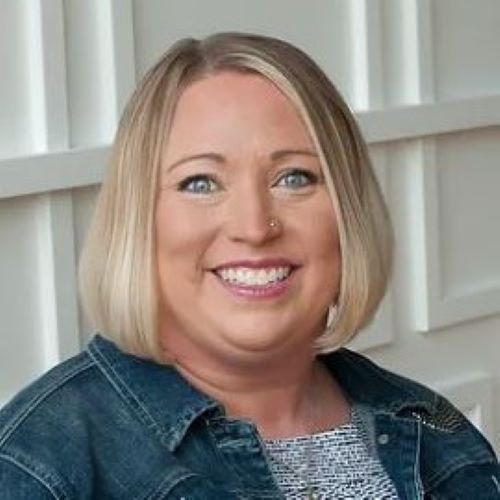
Jennifer L. Urban
is the founder of Legal for Good PLLC, and devotes herself to representing charitable and non-profit organizations throughout Minnesota and Ohio. She routinely assists charitable organizations and individual donors with a variety of matters, including crisis management; fiscal sponsorship; nonprofit formation; 501(c) tax exemption; merger, consolidation and dissolution; nonprofit consulting, training and best practices; grant compliance and financial management; property tax exemption; sales tax exemption; non-profit related litigation; charitable solicitation and professional fundraising; government compliance and regulatory issues; and document review and creation. Ms. Urban is a graduate of the University of Wisconsin-Madison, as well as Ohio State University Moritz College of Law. After graduation, she served as a judicial law clerk to the Honorable Peggy L. Bryant, Tenth District Court of Appeals for the state of Ohio. Before transitioning to private practice, she served four years as an assistant attorney general at the Office of the Ohio Attorney General in the Charitable Law Division. Ms. Urban enjoys speaking at legal education seminars, directing the non-profit law clinic at the University of St. Thomas School of Law, and being a member of numerous prominent local legal organizations.
Speaker bio
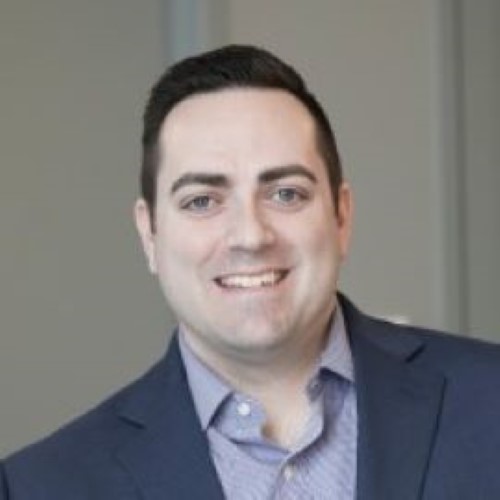
Zachary Kester
is executive director and managing attorney with Charitable Allies. He speaks and publishes regularly regarding the unique needs of charities. Topics include identifying effective outcome measures, governance, board liability, human resources for small nonprofits, and property tax exemption issues, among many others. Mr. Kester serves on the boards of directors of Indiana Philanthropy Alliance, Indiana's professional association of grantmakers; and Ascent 121, a leading anti-human trafficking organizations based in Indianapolis. He was also one of 20 statewide recipients of the 2018 Leadership in Law Award from The Indiana Lawyer, and the only one in the field of tax-exempt organizations. Mr. Kester has an LL.M. (Masters of Law) degree, concentrating on the special needs of tax-exempt organizations and has practiced law primarily for charities, focusing on organizational and compliance services. He has also earned a CFRM (certificate in fundraising management) from the Lilly Family School of Philanthropy. In addition, Mr. Kester has also been named a practitioner-in-residence at the IU Maurer School of Law in Bloomington.
TOP FAQs
Have more questions? Please Contact Us