

Resolving Boundary Disputes in Virginia
Credits Available
| Credit | Status | Total | Until |
|---|---|---|---|
| Pennsylvania CLE |
|
6 Total | 10-09-2026 |
| Virginia CLE |
|
6 Total | 10-31-2026 |
| West Virginia CLE |
|
7.2 Total | 10-09-2026 |

Buy This Course
OnDemand Video
Video Download
Course Book Download
or
Overview
A Comprehensive Guide to Resolving Disputes Over Boundaries, Easements, and Encroachments
Disagreements over easements, encroachments, and property lines are contentious, time-sensitive situations that require skilled attorneys. How comprehensive is your knowledge of the top boundary dispute resolution methods? When determining the validity of a claim, can you read surveys and legal descriptions with deftly accurate precision? If tensions escalate, can you strategically deploy prescriptive easements, quiet title actions, and other tools of the trade to swiftly secure favorable outcomes for your clients? In this information-packed overview, you will not only receive a comprehensive knowledge of the inner workings of the top boundary dispute resolution mechanisms, but you will also gain valuable strategies on using the most appropriate methods that specific situations warrant. Gain a valuable edge in your next boundary dispute - register today!
- Perfect your knowledge of the top boundary dispute resolution methods, including prescriptive easements, quiet title actions, and curative deeds.
- Obtain practical, hands-on survey and legal description deciphering skills.
- Confidently handle contentious property line issues, including encroaching fences, problem trees on property lines, and more.
- Resolve thorny situations where property sellers fail to transfer necessary easements to buyers.
- Confidently determine the legality of unauthorized access roads running across one property to another.
- Ensure quiet title actions are handled in an ethically compliant manner.
Abbreviated Agenda
- The Top Boundary Dispute Resolution Methods Explained: A Hands-On Guide to Their Mechanics and Procedures
- Analyzing Surveys and Legal Descriptions to Resolve Boundary Disputes
- Using the Top Methods to Resolve Boundary Line and Encroachment Disputes
- Using the Top Methods to Tackle Easement Disputes
- Continuous Trespass: Using Prescriptive Easements, Adverse Possession Rules, and Other Top Methods to Resolve Disputes
- Oil, Gas, and Mineral Rights Disputes: Employing the Top Methods
- Ethical Considerations
Credit Details
Credits Available
| Credit | Status | Total | Until |
|---|---|---|---|
| Pennsylvania CLE |
|
6 Total | 10-09-2026 |
| Virginia CLE |
|
6 Total | 10-31-2026 |
| West Virginia CLE |
|
7.2 Total | 10-09-2026 |
Select Jurisdiction
CLE
Agenda
-
The Top Boundary Dispute Resolution Methods Explained: A Hands-On Guide to Their Mechanics and Procedures
- Prescriptive Easements, Boundary by Acquiescence, and Adverse Possession
- Quiet Title Actions: Their Uses, Mechanics, and More
- Reviewing Existing Contracts and Agreements
- Consulting Surveys and Legal Descriptions
- Curative Deeds (Quitclaim, Warranty) and Boundary Agreements: Uses, Drafting Considerations, etc.
- Title Insurance Endorsements During Real Estate Closings
- Alternate Dispute Resolution Methods and Litigation
-
Analyzing Surveys and Legal Descriptions to Resolve Boundary Disputes
- The Key Elements of Surveys and Legal Descriptions: A Practical Refresher
- Ensuring Surveys and Legal Descriptions Align
- Different Survey Types: Which is Best for Boundary Disputes?
- Determining the True Locations of Boundaries, Monuments, Encroachments, and Other Dispute-Causing Elements
- Examining Surveys and Legal Descriptions from Adjoining Properties for Conflicts: A Practical Exercise
-
Using the Top Methods to Resolve Boundary Line and Encroachment Disputes
- Ascertaining an Encroachment Exists
- Disputed Property Lines
- Misplaced or Lost Monuments and Boundary Markers
- Party Wall Disputes
- Fences and Retaining Walls
- Spite Fences
- Encroachments by Buildings and Other Structures
- Roof Overhangs
- Large Trees on Property Lines: Potential and Actual Damage, Pruning, and Other Issues
-
Using the Top Methods to Tackle Easement Disputes
- Types of Easements Explained (Express, Necessity, Prescriptive, Implied, etc.)
- Impeding Use of Easements
- Easement Maintenance Disputes
- Blocking Ingress and Egress
- Obstructing Views
- Failure to Transfer an Easement to a Successive Property Owner
- Trespass and Encroachment on Easements
- Considerations for Conservation Easements
-
Continuous Trespass: Using Prescriptive Easements, Adverse Possession Rules, and Other Top Methods to Resolve Disputes
- Unauthorized Occupants of Dwellings and Other Structures
- Crops, Cattle, and Other Unauthorized Agricultural Uses
- Continuous Recreational Trespass
- Unauthorized Access Roads Across Neighboring Properties
- Access Roads and Other Trespasses on Government Properties
- Dealing With Paper Streets
-
Oil, Gas, and Mineral Rights Disputes: Employing the Top Methods
- Split Estate Issues: Surface Owners Leasing Severed Oil and Gas Rights
- Oil and Gas Well and Infrastructure Encroachment
- Misplaced and Unauthorized Wells and Infrastructure
- Eminent Domain Disputes Over Pipelines
- Disputes Over Landowners' Rights of Use
-
Ethical Considerations
- Acting in Good Faith
- Following the Limitations Imposed by Statute and Common Law
- Truthfulness in Negotiations
- Dealing With Difficult Clients
- Calculating Attorneys' Fees
- Ethics in Quiet Title Actions
Who Should Attend
This basic-to-intermediate level online seminar on resolving boundary disputes is for:
- Attorneys
- Surveyors
- Engineers
- Government Officials
- Title Agents
- Title Adjusters
- Title Insurance Underwriters
- Real Estate Agents
- Paralegals
Speakers
Speaker bio
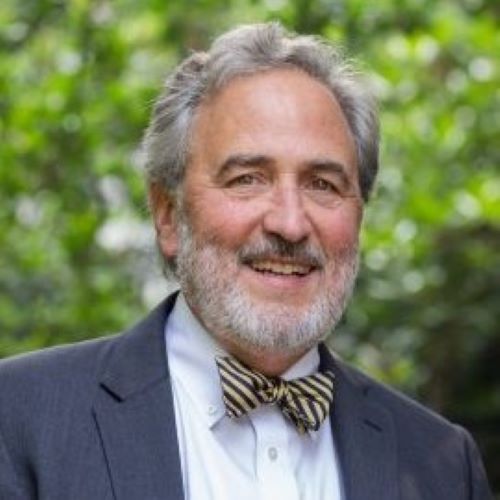
J. Gregory Ashwell
is a founding attorney at the law firm of Ashwell & Ashwell, PLLC in Warrenton, Virginia. He practices in the areas of litigation consultation, federal litigation, mediation, estate planning and probate, business and commercial law, bankruptcy, wills and estates, municipal law, and personal injury. He earned his B.A. degree from Old Dominion University, his master's degree in education from the University of Virginia, and his J.D. degree from George Mason University School of Law. He served as a State prosecutor for 25 years and was elected by the General Assembly to three terms as a judge in the Courts of the Twentieth Judicial District of Virginia (2007-2020) before retiring from the bench in 2021. Mr. Ashwell is admitted to practice in Virginia, and before the U.S. District Court, Eastern District of Virginia; U.S. Court of Appeals, 4th Circuit; U.S. Bankruptcy Court, Eastern District of Virginia; and the Supreme Court of the United States of America.
Speaker bio
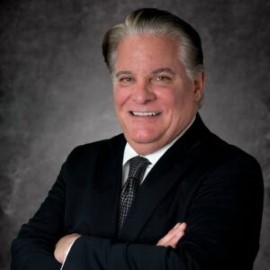
Terry L. Fox
is an attorney with Fox & Moghul Attorneys at Law. He has over 30 years of experience in real estate transactions, both commercial and residential. Mr. Fox has represented homeowners and homeowner associations in litigation, and served as an HOA Board member for several years. He is an active member of the Virginia State Bar, and a licensed settlement attorney. Mr. Fox has worked on thousands of real estate transactions for large and small companies, serving his clients by negotiating the contract or lease, advising them in all due diligence matters such as in acquiring full ALTA surveys, identifying and resolving title issues, feasibility studies, environmental studies, zoning and governmental planning issues and ultimately negotiating satisfactory terms for the client. He has represented both homeowners and homeowner associations in lawsuits concerning violations of HOA rules and regulations. Additionally, Mr. Fox has been practicing trademark law since 1993, has intellectual property clients from Hawaii to Connecticut, and has successfully prevailed before the United States Patent & Trademark Appeals Board. In addition to his trademark experience, he also has extensive experience in intellectual property transfer and licensing joint ventures. Mr. Fox earned his B.S. degree from Newport University, his J.D. degree from Franklin Pierce Law Center and his Master of Intellectual Property Law degree from Franklin Pierce Law Center.
Speaker bio
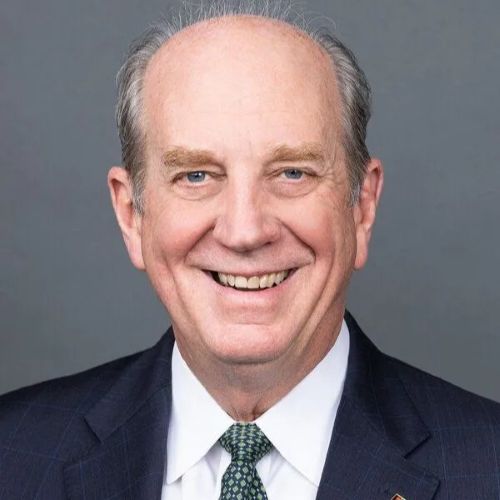
Stephen H. Moriarty, II
is a principal in the Fairfax office of Chadwick Washington Moriarty Elmore & Bunn, PC. His focus area is in general counseling and representation, litigation, condominium warranty disputes, rules and covenants enforcement, contract negotiations, bylaw interpretation and amendments. Mr. Moriarty also represents Roanoke Valley-area clients at the Salem office. He has represented community associations since 1984, focusing on dispute avoidance and resolution, and trying cases in state and federal courts across Virginia. Mr. Moriarty served in the Fairfax Commonwealth's Attorney's Office from 1981 to 1984 and taught at the Northern Virginia Criminal Justice Academy in Ashburn, Virginia. He was a contributing author of Condominium and Homeowner Association Litigation: Community Association Law and has written articles for Quorum Magazine. Mr. Moriarty earned his B.A. degree in history from the University of Virginia and his J.D. from the University of Richmond, T.C. Williams School of Law. He has received honors from AV® Preeminent™ Peer Review RatingSM from Martindale-Hubbell®. He is admitted to practice in Virginia; U.S. District Court for the Eastern District of Virginia; as well as the U.S. Supreme Court. Mr. Moriarty is a member of the Virginia State Bar, Fairfax County Bar Association, Community Associations Institute (Washington Metropolitan and Southwest Virginia Chapters). He has served on the Boards of Directors of ICON Services, Linden Resources, and the Southwest Chapter of CAI where he was president.
Speaker bio
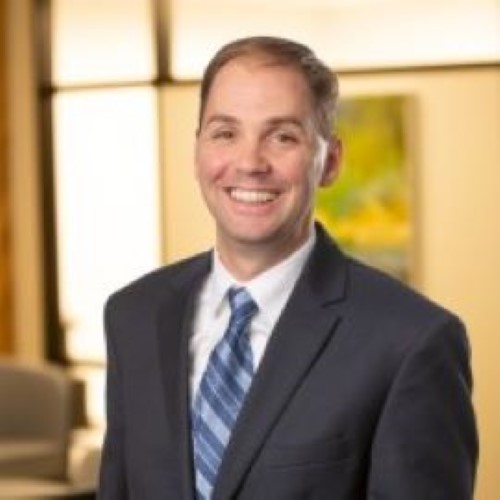
Michael E. Derdeyn
is an attorney at Flora Pettit. His practice focuses on the areas of real estate litigation, commercial litigation, construction, employment, and general business law. Mr. Derdeyn's litigation experience includes litigating claims for individuals and businesses in the areas of real estate (including actions to quiet title, boundary disputes, and easement disputes), construction, landlord-tenant, commercial disputes, and will contests. He regularly presents at continuing legal education seminars on real estate litigation issues. Mr. Derdeyn also prepares and presents the annual real estate case law review for both the Virginia State Bar and the Virginia Bar Association. He has been selected for inclusion in The Best Lawyers in America® for Commercial Litigation 2009-2024.
Speaker bio
Nicholas S. Johnson
is a partner at Bailey & Glasser, LLP. He skillfully litigates complex commercial and environmental disputes throughout the country. Prior to joining Bailey Glasser, Mr. Johnson distinguished himself as a trusted in-house lawyer for the some of the country's largest publicly traded mining and energy companies. His diverse practice includes complex litigation over large "deals gone wrong," including mineral development agreements, sale-leasebacks, financial derivatives, insurance contracts, recoupment agreements, LLC or partnership agreements, and UCC sales contracts, to name a few. Mr. Johnson also solves complex environmental and reclamation compliance and permitting issues for energy clients. He earned his J.D. degree from West Virginia University College of Law and is admitted to practice in District of Columbia, Missouri, West Virginia and Virginia.
Speaker bio
Andrew S. Gerrish
is a partner with Frith Anderson + Peake PC. He focuses his practice on civil litigation, particularly in the areas of legal malpractice, professional liability, cyber and financial fraud, insurance coverage, and other commercial litigation. Mr. Gerrish regularly advises attorney clients on ethical, professional-liability, and practice-management issues. He has experience representing attorney clients facing Virginia State Bar complaints. Mr. Gerrish also serves as counsel for attorneys and firms opposing disqualification and sanctions motions. In addition, he counsels attorney clients who are opening, closing, or transferring a law practice. Mr. Gerrish is vice chair of Virginia State Bar Association's Professional Liability Section. He earned his B.S. and J.D. degrees from Washington and Lee University.
TOP FAQs
Have more questions? Please Contact Us