

North Carolina Probate Process from Start to Finish
Credits Available
| Credit | Status | Total | Until |
|---|---|---|---|
| North Carolina CLE |
|
6.5 Total | 02-28-2026 |
| South Carolina CLE |
|
6.67 Total | 12-31-2025 |
| North Carolina Continuing Paralegal Education |
|
6.5 Total | 02-28-2026 |

Buy This Course
OnDemand Video
Video Download
Course Book Download
or
Overview
Handling Probate From Initial Notices Through the Estate Closing
This "a through z" guide to probate is designed to take you from the first days of the estate timeline through all the steps of marshaling and valuing estate assets, locating and paying the creditors, paying the beneficiaries, and laying the estate to rest. You will receive the latest updates on the probate court procedure and tax laws, practical guidance from experienced probate attorneys on using spousal elective share and resolving estate disputes, and sample forms and checklists to speed up the administration process. Build a solid foundation for your probate practice - register today!
- Learn the procedure, rules and practical steps to effectively administer a probate.
- Determine what form of administration is appropriate for a specific probate case.
- Clarify the order of inheritance for an estate when there is no will.
- Locate assets and obtain ownership documents more easily with a list of local and online resources.
- Get a complete view of the sequence of events that must happen before the estate can be closed.
- Identify common actions that trigger malpractice liability and get tips for staying in the clear.
- Get practical advice for honoring or contesting all claims against the estate.
- Learn what common closing mistakes can allow the estate to be re-opened, and how to avoid them.
Abbreviated Agenda
- Initial Filing in Probate Court and Estate Timeline
- Law of Intestate Succession
- Tax Reporting and Post-Mortem Tax Matters
- Inventory and Appraisement
- Handling Claims Against the Estate
- Final Accounting and Closing the Estate
- Ethics
Credit Details
Credits Available
| Credit | Status | Total | Until |
|---|---|---|---|
| North Carolina CLE |
|
6.5 Total | 02-28-2026 |
| South Carolina CLE |
|
6.67 Total | 12-31-2025 |
| North Carolina Continuing Paralegal Education |
|
6.5 Total | 02-28-2026 |
Select Jurisdiction
CLE
Paralegal
Agenda
-
Initial Filing in Probate Court and Estate Timeline
- Small Estate Administration
- Probate Court Procedure
- Estate Timetable/Checklist
- Formal vs. Informal Probate Administration
- Opening the Estate
- Petition for Probate and Administration and Notice of Hearing
- Required Notices (to Creditors, Heirs, DHS, IRS)
- Sample Forms
- What the Personal Representative Needs to Know and Do
- When is Ancillary Administration Necessary?
-
Law of Intestate Succession
- Who Can Inherit - Degrees of Kinship and Order of Inheritance
- Determining the Share Size
- Exceptions and Bars to Inheritance
-
Tax Reporting and Post-Mortem Tax Matters
- Final Tax Returns Timeline, Forms and Filing Procedure
- Requesting Deadline Extensions
- Income Tax Considerations in Probate
- Selecting a Tax Year: Calendar or Fiscal?
- Decedent's Final Income Tax Return
- Estate Income Tax Return
- Tax on Income Earned by Estate after Decedent's Death
- Beneficiary Income Tax Considerations
- Proper Use of Disclaimers and Valuation Discounts
- Claiming Estate Tax Portability
- Estate and Gift Tax Considerations - When Do You Need to File Form 706?
- Coordinating with Decedent's Accounting or Investment Advisors
- GST Tax Implications
- Handling Common Property Tax Issues
-
Inventory and Appraisement
- Locating Insurance Policies, Deeds and Other Ownership Documents
- Obtaining a Tax ID and Marshaling Property
- Preparing the Inventory and Appraisal Forms
- Dealing with the Probate Referee
- Managing Decedent's Assets During Probate
- Handling Common Valuation Issues
- When to Hire a Valuation Specialist or Appraiser
- Probate Property vs. Non-Probate Assets
-
Handling Claims Against the Estate
- Required Creditor Notice
- Determining Priority of Claims
- Allowing and Rejecting Claims, and Paying Them
- Handling Lawsuits Against the Estate and the Decedent
- Insolvency Issues
-
Final Accounting and Closing the Estate
- Estate Accounting Procedure
- Closing Certificate for Fiduciaries
- Closing Decedent's Remaining Accounts
- Personal Representative and Attorney Compensation
- Extraordinary Services Compensation
- When Reopening the Estate is Warranted
-
Ethics
- Who is Your Client? Avoiding Conflicts of Interest
- Protecting Client Confidentiality
- Attorney Fees
- Malpractice Liability Risks
- Negligence
- Breach of Fiduciary Duty
- Fraud
Who Should Attend
This basic level online seminar is designed for professionals who want to be more effective in handling the probate process, including:
- Attorneys
- Paralegals
- CPAs and Accountants
- Financial Planners and Wealth Managers
- Tax Professionals
- Trust Officers
Speakers
Speaker bio
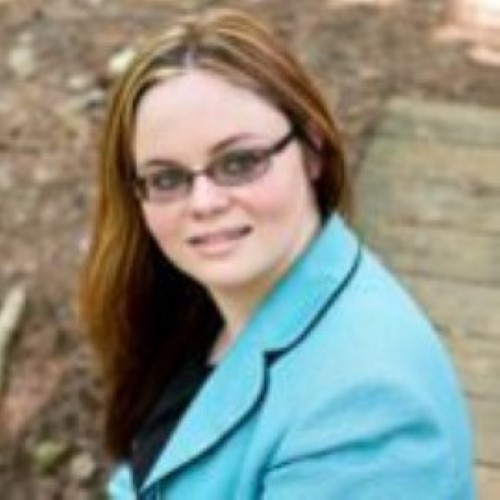
Misty L. Piekaar
is an attorney at Piekaar Law Firm, PLLC, and has advised many clients on estate planning strategies that address the consequences of transferring assets, tax liabilities, business interests and proper planning for retirement, marriage and incapacity. She also has assisted many clients with estate administration, elder law and guardianships. Ms. Piekaar is a member of the North Carolina Bar Association, Wake County Bar Association, and a member of the Estate Planning Section of the North Carolina Bar Association. She earned her J.D. degree from North Carolina Central University School of Law and her undergraduate degree in international studies from the University of North Carolina at Chapel Hill.
Speaker bio
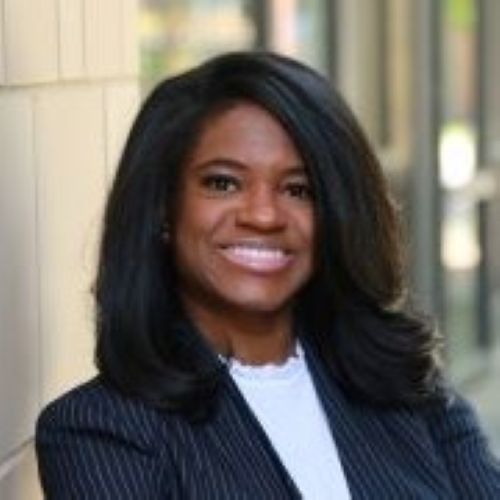
Robyn Hicks-Guinn
is the managing attorney at Hicks-Guinn Law, PLLC in Charlotte, North Carolina. She assists individuals and small business owners, and enjoys counseling families and individuals in estate planning, estate administration, business succession planning and real estate matters. Ms. Hicks-Guinn also advises businesses as general corporate counsel, and advocates for victims in personal injury and workers' compensation cases. She serves on numerous committees with the Mecklenburg County Bar Association, has been appointed to the General Contracting and Licensing Board for the State of North Carolina, and served on the City of Raleigh Human Relations Commission, as well as several civic and philanthropic organizations across the state. Ms. Hicks-Guinn earned her B.S. degree from the University of North Carolina at Chapel Hill and her J.D. degree from North Carolina Central University School of Law. She is admitted to practice in North Carolina and U.S. District Court for the Western District.
Speaker bio
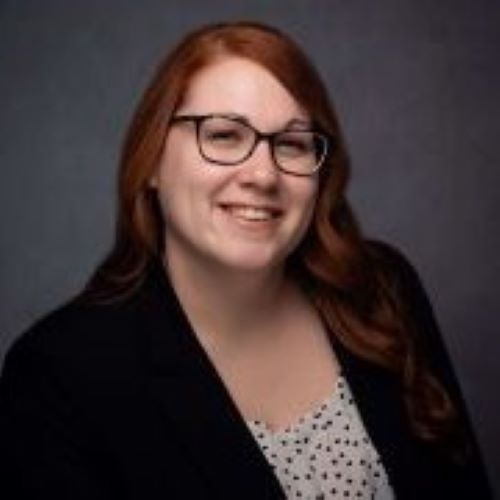
Hailey E. Hawkins
is a partner at Stott, Hollowell, Windham & Stancil, PLLC, where she focuses her practice on estate planning, trusts, estate administration, special proceedings, surplus funds, property partitions, and guardianships. She earned her bachelor's degree from the Franklin & Marshall College and her J.D. degree from Charlotte School of Law. Ms. Hawkins is licensed to practice law in North Carolina and the Federal Court in the Western District of North Carolina. She is a member of the Gaston County Bar and North Carolina State Bar Association.
Speaker bio
Leah A. Morrison
is an attorney with English, Lucas, Priest & Owsley, LLP in Bowling Green, Kentucky. She concentrates her practice in designing estate, asset protection, and business succession plans in a tax advantageous manner. Ms. Morrison is a member of the American, Kentucky, Louisville, and Bowling Green-Warren County bar associations. She earned her J.D. degree, magna cum laude, from the University of Louisville Brandeis School of Law, her LL.M. degree in taxation, magna cum laude, from the University of Alabama and her B.A. degree in criminal justice from George Washington University.
TOP FAQs
Have more questions? Please Contact Us