

Florida Rules of Evidence: A Practical Toolkit
Credits Available
| Credit | Status | Total | Until |
|---|---|---|---|
| Florida CLE |
|
7 Total | 06-30-2026 |
Buy This Course
OnDemand Video
Video Download
Course Book Download
or
Overview
A Real-World Application of Evidence to Courtroom Events
The rules of evidence are constantly evolving in response to court decisions, technological advances in discovery, and changes to various state rules. It can be an onerous task to continuously analyze and apply them to your cases. How confident are you in your skills when it comes to gathering and working with expert witness testimony, email/ESI, and the technicalities of hearsay? Learn from our experienced faculty as they explore key court decisions involving admissibility and practically apply the rules of evidence to common evidentiary challenges you face during litigation. Untangle the intricate web of evidence rules and procedures - register today!
- Gain veteran tips on applying the rules of evidence at each stage of the litigation process, from discovery to trial.
- Learn how to effectively analyze, authenticate, admit, and exclude the most complex types of evidence.
- Find out what red flags to look for when handling email and other ESI.
- Explore hearsay in depth and get a concrete understanding of what constitutes hearsay.
- Clearly link your evidence to your case with proven presentation skills.
- Be prepared to argue relevance and get experts and evidence admitted (or excluded) in court.
Abbreviated Agenda
- The "Big Six" Admissibility Questions
- Keeping Evidence Out (Pre and Post Trial)
- Understanding Hearsay
- Handling Email, Social Media and Other ESI
- Witness Testimony and Reports
- Admission/Exclusion of Unique Evidence
- Presenting to the Judge and Jury
- Ethical Considerations
Credit Details
Credits Available
| Credit | Status | Total | Until |
|---|---|---|---|
| Florida CLE |
|
7 Total | 06-30-2026 |
Select Jurisdiction
CLE
Agenda
-
The "Big Six" Admissibility Questions
- QUESTION #1: Is it Authentic? (If Not, How do I Authenticate/Identify the Evidence?)
- QUESTION #2: Is it Hearsay?
- QUESTION #3: Is There a Proper Foundation?
- QUESTION #4: Is it Relevant?
- QUESTION #5: Should the Evidence be Excluded?
- QUESTION #6: What is the Proper Way to Introduce the Item into Evidence?
-
Keeping Evidence Out (Pre and Post Trial)
- Practical Application of the "Big Six" to Real-World Courtroom Events
- Hearsay Objections
- Motion in Limine, Motion to Exclude, and Motion to Strike
- Motions for Sanctions
- Curtailing Speaking Objection
- Use of the Sidebar Conference
- Jury Instructions After the Objection
- Preserving Evidentiary Issues for Appeal
- Timing and Frequency of Objections
- Specificity of Objections
- Motions in Limine
- Offers of Proof
- Practical Application of the "Big Six" to Real-World Courtroom Events
-
Understanding Hearsay
- Overview of Critical Rules You Need to Know Regarding Hearsay
- Recent Case Law
- Practical Application of the "Big Six" to Real-World Courtroom Events
- Exceptions
- Hearsay Problems, Such as When Your Client or Opposing Party is Deceased
- Hearsay Within Hearsay
- Attacking/Supporting Declarant's Credibility
-
Handling Email, Social Media and Other ESI
- Collecting ESI
- Recent Case Law
- Practical Application of the "Big Six" to Real-World Courtroom Events
- Email as Evidence
- Electronic Medical Records
- Social Media
- Web Pages
- Video
- Voicemail
- Text Messages
- Citing Online Content Properly
- Preservation of Metadata
-
Witness Testimony and Reports
- Practical Application of the "Big Six" to Real-World Courtroom Events
- Character and Competency
- Opinion Testimony (Lay and Expert Witnesses)
- Admissibility of What You Give Your Expert
- Court-Appointed Expert Witnesses
- Impeachment
- Frye vs. Daubert Challenges
- Expert Reports
- Other Expert Considerations
- Practical Application of the "Big Six" to Real-World Courtroom Events
-
Admission/Exclusion of Unique Evidence
- Practical Application of the "Big Six" to Real-World Courtroom Events
- Collecting Evidence Through Discovery: Evidence Considerations
- Character Evidence
- Evidence of a Person's Habit
- Evidence of Subsequent Remedial Measures
- Sexual-Assault, Child Molestation, and Sex-Offense Cases
- Writings, Recordings, and Photographs
- Medical Records, Charts, and X-Rays
- Other Records (Business, Public)
- Other Unique Evidence
- Practical Application of the "Big Six" to Real-World Courtroom Events
-
Presenting to the Judge and Jury
- Authenticating Exhibits
- Stipulations
- Self-Authenticating
- Authenticating - Laying the Foundation for Admissibility
- Presenting Deposition Records
- Introducing Juries to Evidence
- Providing Jury Notebooks
- Presenting Your ESI: Common Mistakes Made in the Courtroom
- Computer-Aided Displays, Video, and Graphics
- Authenticating Exhibits
-
Ethical Considerations
- Spoliation, Preservation, and Missing Evidence
- Legal Malpractice
- Lawyers as Witnesses
- Handling Highly Prejudicial Evidence
- Talking to Witnesses Before They Testify
- Facilitating Efficiency, Reliability, and Overall Fairness of the Adversary Process
- Attorney-Client Privilege
Who Should Attend
This basic-to-intermediate level online seminar offers attorneys the fundamental knowledge and practical skills to make the best use of evidence and testimony.
Speakers
Speaker bio
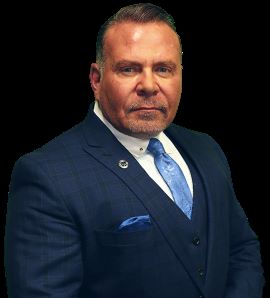
Robert D. Eckard
is managing partner of Robert Eckard & Associates, P.A., practicing in the areas of civil litigation, criminal defense, commercial transportation, business litigation and business transactions. He is board-certified in business litigation by The Florida Bar, and is on The Florida Bar's Grievance Committee. Mr. Eckard is a regular instructor at Stetson University College of Law. He is a member of the Clearwater, Hillsborough and American bar associations, and is a Master Barrister for the Barney Masterson Inns of Court. Mr. Eckard earned his B.S. and M.A. degrees from University of South Florida (Tampa), his J.D. degree from Stetson University College of Law and his LL.M. degree in international law and business from Stetson University College of Law.
Speaker bio
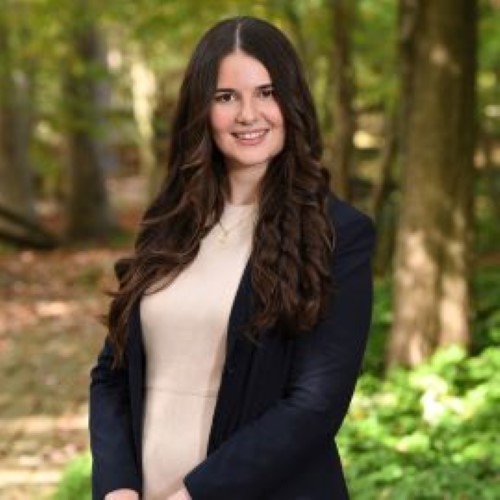
Sarah E. Fontana
is an attorney at Bonezzi Switzer Polito & Perry Co. L.P.A. She dedicates the majority of her practice to the defense of medical malpractice and nursing home negligence cases. Ms. Fontana gained trial experience through her past employment as an Assistant Prosecuting Attorney in Cuyahoga County, and previously served as staff attorney with the Cuyahoga County Court of Common Pleas before transitioning to civil litigation. She earned her J.D. degree, with honors, at The University of Akron School of Law and her B.A. degree at Cleveland State University.
Speaker bio
Scott W. Zappolo
is a shareholder with Zappolo & Farwell, P.A. in Palm Beach Gardens, Florida, where he focuses his practice in the areas of commercial, civil and complex business litigation. Although he is based in South Florida, his practice requires travel throughout the country and appearances before various tribunals. Mr. Zappolo's corporate clients range from mom-and-pop businesses to much larger corporations, all of whom are treated with a distinctive hands-on approach, whether the forum is state, federal or international court. He is a regular speaker at legal education events, focusing on trial advocacy. Mr. Zappolo is a member of the Palm Beach County Bar Association and an Emeritus Member of the Craig S. Bernard Inn of Court, LIV (Master of the Bench and former Pupilage Leader). He earned his B.S. degree from Florida State University; his M.S. degree, with honors, from Florida State University; and his J.D. degree, with honors, from St. Thomas University School of Law.
Speaker bio
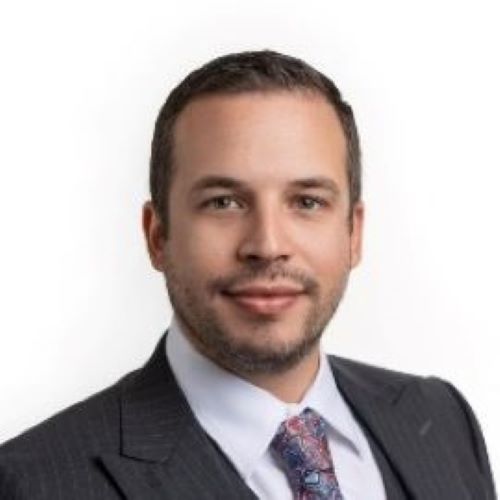
Markus M. Kamberger
is of senior counsel at Milberg Coleman Bryson Phillips Grossman, PLLC. He is licensed to practice law in the state of Florida. Mr. Kamberger's legal practice focuses on personal injury, products liability, commercial litigation, and class action litigation. He earned his B.A. degree from Florida International University and his J.D. degree from Florida International University College of Law.
Speaker bio
Robert Jimenez
is a partner at Milberg Coleman Bryson Phillips Grossman, PLLC. He practices mainly in the areas of commercial and real estate litigation. He also began focusing on e-discovery at that time and was awarded the CEDS credential by the Association of Certified E-discovery Specialists, as well as the E-discovery Practice Certificate by the E-discovery Institute. Mr. Jimenez has been a member of the ABA Intellectual Property Section and has served on the Florida Bar's E-discovery and Digital Evidence sub-committee. He frequently publishes on the topics of E-discovery and intellectual property. Additionally, Mr. Jimenez had his LL.M. thesis, Revolution: USA, Cuba, and the Future of Trademarks, published in 2016 as the cover article of the ABA IP journal, Landslide Magazine. He received his B.A degree magna cum laude from Florida International University, his J.D degree from University of Florida Levin College of Law. He has an LL.M. in Intellectual Property Law from American University's Washington College of Law
TOP FAQs
Have more questions? Please Contact Us