

Indiana Probate and Trust Administration
Credits Available
| Credit | Status | Total | Until |
|---|---|---|---|
| Indiana CLE |
|
6.7 Total | 12-09-2026 |

Buy This Course
OnDemand Video
Course Book Download
Overview
Creditor Claims, Distributions, Tax Issues, and More!
Working through issues that arise through probate and trust administration can be daunting. Are you well-equipped with the tools you need to succeed? This insightful course will take you through steps in probate administration, including information on creditor and debt issues, tax and more. You will also get valuable insight on trust administration, including the handling of accounting, distributions and taxes. Don't miss this opportunity to hone your probate and trust administration skills - register today!
- Take a closer look at the initial steps for filing the estate.
- Discuss what needs to be done to handle creditor claims and debts.
- Make sure everything is in order for the final distribution of the estate.
- Review what issues need to be addressed concerning taxes in probate administration.
- Get the latest information on taxation concerns associated with trusts.
- Explore the different types of trusts and how they are used.
- Learn ways to manage, sell and distribute property and assets in trust administration.
- Gain a better understanding of the distinctions between trust fiduciary accounting and income tax accounting.
Abbreviated Agenda
- Probate Process and Overview
- Assets, Creditor Claims and Debt Considerations
- Distributions, Final Accounting and Closing the Estate
- Tax Issues in Probate Administration
- Trust Taxation Issues
- What You Need to Know About Trusts
- Accounting/Distributions in Trust Administration
- Ethics and Estate Administration
Credit Details
Credits Available
| Credit | Status | Total | Until |
|---|---|---|---|
| Indiana CLE |
|
6.7 Total | 12-09-2026 |
Credit Details by Jurisdiction
CLE
Credits
Indiana CLE Approved · 6.7 Total Credits
- 1 Ethics
Earn Until
OnDemand - Indiana CLE - 6.7: This course has been approved by the Indiana Supreme Court Office of Admissions & Continuing Education. Participating attorneys are eligible to receive 6.70 hours of distance education, which includes 1.0 hour of ethics.
Select Jurisdiction
CLE
Agenda
-
Probate Process and Overview
- Review of the Probate Timeline
- Forms of Administration
- Deadlines to be Aware of
- Documents Used in the Probate Process
- Information Gathering
- Laws of Intestacy
- Initial Petition and Notices
- Sample Forms, Letters and Documents
-
Assets, Creditor Claims and Debt Considerations
- Marshalling Probate and Non-Probate Assets: Key Procedures
- Properly Ensure ALL Debt is Located and Handled
- Required Public Notices to Creditors
- Priority and Payment Determinations for Claims
- Contested Claims and Prescribed Claims
- Appropriately Dealing with Creditors
- Insolvent Estates
- Sale of Assets to Satisfy Creditors
-
Distributions, Final Accounting and Closing the Estate
- Documents Needed to Close the Estate
- Proper Transfer and Timing of Distributions - Probate and Non-Probate Assets
- Distributions in Kind
- Distribution to Minors, Surviving Spouse and Trusts
- Disposition of Unclaimed Assets
- Fees for Personal Representatives and Attorneys
- Annual Accounting Requirements and Format
- Final Accounting Checklist
- Estate Closing Procedures
-
Tax Issues in Probate Administration
- State and Federal Tax Considerations
- Tax Deadlines and Extensions
- Essential Tax Forms and Returns
- Deductions and Exemptions
- Income Tax and Basis Adjustment for Decedent's Assets
- Real Property Tax Considerations
-
Trust Taxation Issues
- Tax Returns: Annual and Final
- Tax Consequences of Trustee's Actions
- Real Property Taxes
- Income Taxation
- Estate and Generation-Skipping Transfer Taxes
- Tax Consequences of Paying Retirement Benefits to Trusts
- Tax Basis in the Assets
-
What You Need to Know About Trusts
- Types of Trusts and Their Purpose
- Jurisdiction
- Duties and Powers of the Trustee
- Valuation of Assets
- Funding a Trust
- Communication with Beneficiaries
- Amending and Modifying the Trust
- Trust Administration Checklist
- Sample Forms and Documents
-
Accounting/Distributions in Trust Administration
- Notices of Proposed Actions
- Uniform Principal and Income Act
- Trust Provisions Concerning Distributions
- Managing, Selling and Distributing Property and Assets
- Investing Assets
- Distinctions Between Trust Fiduciary Accounting and Income Tax Accounting
- Determining Trustee Fees
- Communication with Creditors
- Distribution to Beneficiaries
- Trust Termination
-
Ethics and Estate Administration
- Breach of Fiduciary Responsibility
- Avoiding Conflicts of Interest
- Confidentiality
- Fee Agreements
Who Should Attend
This intermediate level online seminar is designed for professionals who want to be more effective in the probate and trust administration process, such as attorneys, CPAs and accountants, tax professionals, financial planners and wealth managers, trust officers and paralegals.
Speakers
Speaker bio
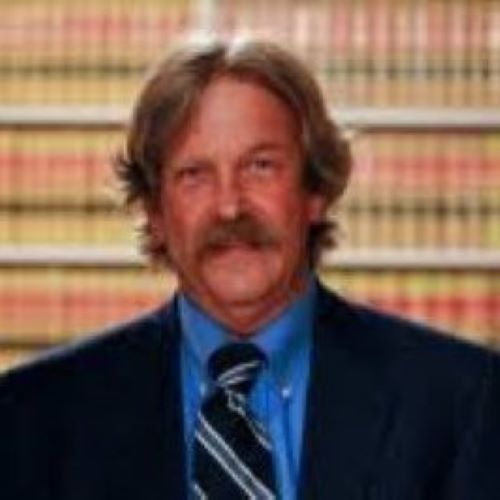
Bret S. Clement
is a shareholder of the Indianapolis law firm of Ayres Carr & Sullivan, P.C., where his practice focuses on estate and business planning, taxation, and commercial litigation. As an adjunct professor of law, Mr. Clement previously taught the estate and gift tax course at Indiana University School of Law. He wrote the sales and use tax, gross income tax, inheritance tax, and property tax explanations for the Indiana Section of Research Institute of America's State and Local Tax Service. Mr. Clement earned his B.B.A. degree, with high honors, from the University of Notre Dame; and his J.D. degree, cum laude, from the University of Michigan. He is a member of the Indiana State Bar Association and is admitted to practice law in Indiana.
Speaker bio
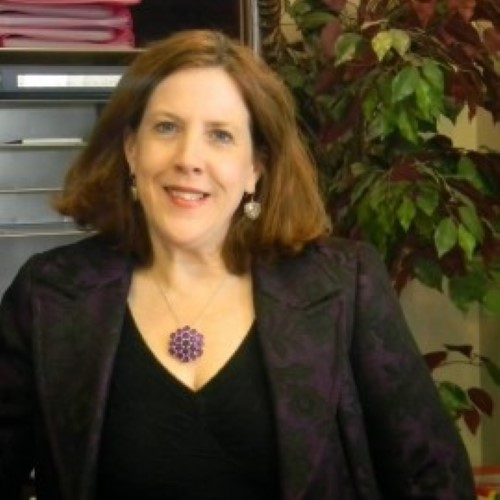
Andrew M. Sumerford
is an attorney with Davis Sumerford Dietz, where he practices in the areas of insurance defense, estate planning, probate, family law, construction law, and general civil practice. Mr. Sumerford earned his B.S. degree from Indiana University and his J.D. degree from Indiana University School of Law - Indianapolis.
Speaker bio
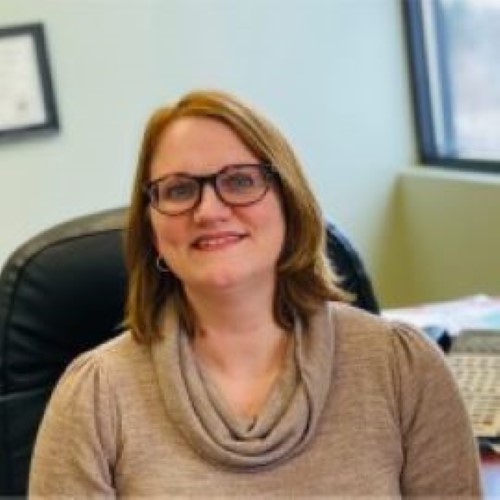
Arlene Kline
is the principal of the Law Office of Arlene Kline in Indianapolis. She focuses her practice in the areas of estate planning and estate administration, and probate. Ms. Kline is a member of the Indianapolis Bar Association and the Indiana State Bar Association. She earned her undergraduate degree from Indiana University and her J.D. degree from Indiana University School of Law.
Speaker bio
Carla K. Pyle
is an attorney with the law firm of Rubino Ruman Crosmer & Polen. She concentrates her practice in business law, representing business clients in employment matters, contracts, and the in's and outs of business operations. She also devotes a significant part of her practice to probate and estate planning. Ms. Pyle earned her B.A. degree, summa cum laude, from East Texas Baptist University; and her J.D. degree, magna cum laude, from Valparaiso University School of Law.
Speaker bio
DeAnn L. Farthing
is a partner with the law firm of Robinson Farthing Spandau Williams LLC in Indianapolis. She dedicates herself to addressing the diverse needs of both corporate entities and individuals. Ms. Farthing has provided legal representation across numerous Indiana counties, and her extensive experience encompasses over 200 business clients all over the State of Indiana. This breadth of experience allows her to remain attuned to legal developments that may impact business operations, all while endeavoring to deliver cost-effective and efficient legal solutions to small and medium-sized enterprises. Beyond her role as a legal advisor to business owners, Ms. Farthing passionately advocates for educating individuals at every life stage about the significance of prudent and strategic estate planning. On a daily basis, she equips clients with insightful responses to "what if" scenarios. Furthermore, her seasoned experience enables her to guide individuals through the often emotionally charged probate and trust administration processes following the loss of a loved one, with a goal to simplify the process. Ms. Farthing earned her J.D. degree from the McKinney School of Law at Indiana University - Indianapolis.
TOP FAQs
Have more questions? Please Contact Us