

Student Suicide and the Law: Key Rights, Responsibilities, and Implications
Credits Available
| Credit | Status | Total | Until |
|---|---|---|---|
| Alaska CLE |
|
3 Total | 12-13-2026 |
| Arizona CLE |
|
3 Total | 12-13-2026 |
| California CLE |
|
3 Total | 12-13-2026 |
| Colorado CLE |
|
4 Total | 12-31-2026 |
| Connecticut CLE |
|
3 Total | 12-13-2026 |
| Delaware CLE |
|
3 Total | 12-13-2026 |
| Hawaii CLE |
|
3 Total | 12-13-2026 |
| Idaho CLE |
|
3 Total | 12-13-2029 |
| Illinois CLE |
|
3 Total | 12-12-2026 |
| Maine CLE |
|
3 Total | 12-12-2026 |
| Minnesota CLE |
|
3 Total | 12-13-2026 |
| Missouri CLE |
|
3.6 Total | 12-13-2026 |
| Northern Mariana Islands CLE |
|
3 Total | 12-13-2026 |
| Montana CLE |
|
3 Total | 12-13-2027 |
| North Dakota CLE |
|
3 Total | 12-13-2027 |
| Nebraska CLE |
|
3 Total | 12-13-2026 |
| New Hampshire CLE |
|
3 Total | 12-13-2027 |
| New Mexico CLE |
|
3 Total | 12-13-2026 |
| Nevada CLE |
|
3 Total | 12-13-2027 |
| New York CLE |
|
3.5 Total | 12-13-2027 |
| Oklahoma CLE |
|
3.5 Total | 12-13-2026 |
| Oregon CLE |
|
3 Total | |
| Pennsylvania CLE |
|
3 Total | 12-13-2026 |
| Rhode Island CLE |
|
3.5 Total | |
| Tennessee CLE |
|
3 Total | 12-12-2026 |
| Vermont CLE |
|
3 Total | 12-13-2026 |
| Washington CLE |
|
3 Total | 12-12-2029 |
| West Virginia CLE |
|
3.6 Total | 12-13-2026 |
Buy This Course
OnDemand Video
Course Book Download
Overview
A Deep Dive Into Advocacy Strategies, Intervention Policies and Procedures, and More
According to the CDC, suicide is the third leading cause of death for high school students from the ages of 14-18. While this statistic is alarming, it underscores the importance of schools recognizing the warning signs and knowing how to respond in the event of a crisis. In this essential program, our experienced practitioners reveal best practices for preventing and responding to student suicide. Expand your understanding of this complex topic - register today!
- Identify critical suicide prevention laws.
- Determine how to craft a legally compliant intervention policy.
- Discover key steps to take when responding to a suicide crisis on school property.
- Follow essential guidelines for safeguarding student privacy and minimizing school liability.
Abbreviated Agenda
- Overview: The Current Landscape and Tips for Advocating for Legal Reform
- Best Practices for Creating and Updating Intervention Policies and Procedures
- Suicide Intervention and Aftermath: Key Steps to Take
- School District and Counselor Liability for Student Suicide
Credit Details
Credits Available
| Credit | Status | Total | Until |
|---|---|---|---|
| Alaska CLE |
|
3 Total | 12-13-2026 |
| Arizona CLE |
|
3 Total | 12-13-2026 |
| California CLE |
|
3 Total | 12-13-2026 |
| Colorado CLE |
|
4 Total | 12-31-2026 |
| Connecticut CLE |
|
3 Total | 12-13-2026 |
| Delaware CLE |
|
3 Total | 12-13-2026 |
| Hawaii CLE |
|
3 Total | 12-13-2026 |
| Idaho CLE |
|
3 Total | 12-13-2029 |
| Illinois CLE |
|
3 Total | 12-12-2026 |
| Maine CLE |
|
3 Total | 12-12-2026 |
| Minnesota CLE |
|
3 Total | 12-13-2026 |
| Missouri CLE |
|
3.6 Total | 12-13-2026 |
| Northern Mariana Islands CLE |
|
3 Total | 12-13-2026 |
| Montana CLE |
|
3 Total | 12-13-2027 |
| North Dakota CLE |
|
3 Total | 12-13-2027 |
| Nebraska CLE |
|
3 Total | 12-13-2026 |
| New Hampshire CLE |
|
3 Total | 12-13-2027 |
| New Mexico CLE |
|
3 Total | 12-13-2026 |
| Nevada CLE |
|
3 Total | 12-13-2027 |
| New York CLE |
|
3.5 Total | 12-13-2027 |
| Oklahoma CLE |
|
3.5 Total | 12-13-2026 |
| Oregon CLE |
|
3 Total | |
| Pennsylvania CLE |
|
3 Total | 12-13-2026 |
| Rhode Island CLE |
|
3.5 Total | |
| Tennessee CLE |
|
3 Total | 12-12-2026 |
| Vermont CLE |
|
3 Total | 12-13-2026 |
| Washington CLE |
|
3 Total | 12-12-2029 |
| West Virginia CLE |
|
3.6 Total | 12-13-2026 |
Credit Details by Jurisdiction
OnDemand Video
CLE
Credits
Alaska CLE Approved · 3 Total Credits
Earn Until
OnDemand - Alaska CLE - 3: This program may qualify for up to 3.0 hours of technology-delivered credit, which includes 3.0 hours of MCLE credit and 0.0 hours of MECLE credit. Alaska Bar members may claim credit for attending CLE programs that have been accredited by other mandatory CLE jurisdictions.
Video Download - Alaska CLE - 3: This program may qualify for up to 3.0 hours of technology-delivered credit, which includes 3.0 hours of MCLE credit and 0.0 hours of MECLE credit. Alaska Bar members may claim credit for attending CLE programs that have been accredited by other mandatory CLE jurisdictions.
Arizona CLE Approved · 3 Total Credits
Earn Until
OnDemand - Arizona CLE - 3: The State Bar of Arizona does not approve or accredit CLE activities for the Mandatory Continuing Legal Education requirement. This activity may qualify for up to 3.0 hours toward your annual CLE Interactive CLE requirement for the State of Arizona, including 0.0 hour of professional responsibility Interactive CLE credit.
Video Download - Arizona CLE - 3: The State Bar of Arizona does not approve or accredit CLE activities for the Mandatory Continuing Legal Education requirement. This activity may qualify for up to 3.0 hours toward your annual CLE Interactive CLE requirement for the State of Arizona, including 0.0 hour of professional responsibility Interactive CLE credit.
California CLE Approved · 3 Total Credits
Earn Until
OnDemand - California CLE - 3: This activity has been approved for Minimum Continuing Legal Education credit by the State Bar of California and may qualify for up to 3.0 hours of participatory credit, of which 0.0 hour will apply to legal ethics credit. NBI, Inc. certifies this activity conforms to the standards for approved education activities prescribed by the rules and regulations of the State Bar of California governing minimum continuing legal education. NBI, Inc. is a State Bar of California approved MCLE provider - #53.
Video Download - California CLE - 3: This activity has been approved for Minimum Continuing Legal Education credit by the State Bar of California and may qualify for up to 3.0 hours of self-study credit, of which 0.0 hour will apply to legal ethics credit. NBI, Inc. certifies this activity conforms to the standards for approved education activities prescribed by the rules and regulations of the State Bar of California governing minimum continuing legal education. NBI, Inc. is a State Bar of California approved MCLE provider - #53.
Colorado CLE Approved · 4 Total Credits
Earn Until
OnDemand - Colorado CLE - 4: NBI, Inc. is a Certified Provider, as recognized by the Colorado Supreme Court Continuing Legal and Judicial Education Committee. This program may qualify for up to 4.0 hours of home study general Colorado Continuing Legal Education Credit, including 0.0 professional responsibility credit.
Video Download - Colorado CLE - 4: NBI, Inc. is a Certified Provider, as recognized by the Colorado Supreme Court Continuing Legal and Judicial Education Committee. This program may qualify for up to 4.0 hours of home study general Colorado Continuing Legal Education Credit, including 0.0 professional responsibility credit.
Connecticut CLE Approved · 3 Total Credits
Earn Until
OnDemand - Connecticut CLE - 3: Neither the Connecticut Judicial Branch nor the Commission on Minimum Continuing Legal Education approve or accredit CLE providers or activities. It is the opinion of NBI, Inc. that this activity qualifies for up to 3.0 self-study hours toward your annual CLE requirement in Connecticut, including 0.0 self-study hour(s) of ethics/professionalism.
Video Download - Connecticut CLE - 3: Neither the Connecticut Judicial Branch nor the Commission on Minimum Continuing Legal Education approve or accredit CLE providers or activities. It is the opinion of NBI, Inc. that this activity qualifies for up to 3.0 self-study hours toward your annual CLE requirement in Connecticut, including 0.0 self-study hour(s) of ethics/professionalism.
Delaware CLE Approved · 3 Total Credits
Earn Until
OnDemand - Delaware CLE - 3: NBI, Inc. is an accredited sponsor of the Delaware Commission on Continuing Legal Education and recommends this program for 3.0 hours of eCLE credit, including 0.0 hour of ethics.
Hawaii CLE Approved · 3 Total Credits
Earn Until
OnDemand - Hawaii CLE - 3: NBI, Inc. is an Accredited Provider with the Hawaii State Board of Continuing Legal Education. This alternative format activity has been approved for up to 3.0 hours of credit for the state of Hawaii, which includes 0.0 hour of ethics or professional responsibility education.
Video Download - Hawaii CLE - 3: NBI, Inc. is an Accredited Provider with the Hawaii State Board of Continuing Legal Education. This alternative format activity has been approved for up to 3.0 hours of credit for the state of Hawaii, which includes 0.0 hour of ethics or professional responsibility education.
Idaho CLE Approved · 3 Total Credits
Earn Until
OnDemand - Idaho CLE - 3: Approved for 3.0 hours of self-study continuing legal education credit in the state of Idaho, which includes 0.0 self-study legal ethics or professional responsibility credit.
Video Download - Idaho CLE - 3: Approved for 3.0 hours of self-study continuing legal education credit in the state of Idaho, which includes 0.0 self-study legal ethics or professional responsibility credit.
Illinois CLE Approved · 3 Total Credits
Earn Until
OnDemand - Illinois CLE - 3: This program has been approved by the Illinois MCLE Board for 3.0 hours of recorded technology CLE credit, which includes approval for 0.0 hour of legal ethics CLE credit by the Illinois Supreme Court Commission on Professionalism.
Video Download - Illinois CLE - 3: This program has been approved by the Illinois MCLE Board for 3.0 hours of recorded technology CLE credit, which includes approval for 0.0 hour of legal ethics CLE credit by the Illinois Supreme Court Commission on Professionalism.
Maine CLE Approved · 3 Total Credits
Earn Until
OnDemand - Maine CLE - 3: This course has been approved by the State of Maine Board of Overseers of the Bar. Lawyers who complete this course may receive up to 3.0 hours of self-study CLE credit. No more than 5.0 hours of self-study CLE credit may be earned during a reporting period. Attorneys may not earn ethics or harassment and discrimination credit with self-study.
Video Download - Maine CLE - 3: This course has been approved by the State of Maine Board of Overseers of the Bar. Lawyers who complete this course may receive up to 3.0 hours of self-study CLE credit. No more than 5.0 hours of self-study CLE credit may be earned during a reporting period. Attorneys may not earn ethics or harassment and discrimination credit with self-study.
Course Book - Maine CLE - 3: This course has been approved by the State of Maine Board of Overseers of the Bar. Lawyers who complete this course may receive up to 3.0 hours of self-study CLE credit. No more than 5.0 hours of self-study CLE credit may be earned during a reporting period. Attorneys may not earn ethics or harassment and discrimination credit with self-study.
Minnesota CLE Approved · 3 Total Credits
Earn Until
OnDemand - Minnesota CLE - 3: Approved for up to 3.0 hours of standard on-demand CLE credit, including 0.0 hour of ethics credit by the Minnesota Board of Continuing Legal Education.
Video Download - Minnesota CLE - 3: Approved for up to 3.0 hours of standard on-demand CLE credit, including 0.0 hour of ethics credit by the Minnesota Board of Continuing Legal Education.
Missouri CLE Approved · 3.6 Total Credits
Earn Until
OnDemand - Missouri CLE - 3.6: NBI, Inc. is an accredited sponsor with Missouri Minimum Continuing Legal Education. This program qualifies for up to 3.60 self-study CLE credit hours. No more than 6.0 hours of self-study CLE credit may be earned during a reporting period. Attorneys may not earn ethics credit with self-study.
Video Download - Missouri CLE - 3.6: NBI, Inc. is an accredited sponsor with Missouri Minimum Continuing Legal Education. This program qualifies for up to 3.60 self-study CLE credit hours. No more than 6.0 hours of self-study CLE credit may be earned during a reporting period. Attorneys may not earn ethics credit with self-study.
Course Book - Missouri CLE - 3.6: NBI, Inc. is an accredited sponsor with Missouri Minimum Continuing Legal Education. This program qualifies for up to 3.60 self-study CLE credit hours. No more than 6.0 hours of self-study CLE credit may be earned during a reporting period. Attorneys may not earn ethics credit with self-study.
Northern Mariana Islands CLE Approved · 3 Total Credits
Earn Until
OnDemand - Northern Mariana Islands CLE - 3: This course has been approved by the Commonwealth of the Northern Mariana Islands. Lawyers who complete this course shall receive 3.0 hours of self-study CLE credit.
Video Download - Northern Mariana Islands CLE - 3: This course has been approved by the Commonwealth of the Northern Mariana Islands. Lawyers who complete this course shall receive 3.0 hours of self-study CLE credit.
Course Book - Northern Mariana Islands CLE - 3: This course has been approved by the Commonwealth of the Northern Mariana Islands. Lawyers who complete this course shall receive 3.0 hours of self-study CLE credit.
Montana CLE Approved · 3 Total Credits
Earn Until
OnDemand - Montana CLE - 3: This program may qualify for up to 3.0 hours of self-study CLE credit by the Montana Commission of Continuing Legal Education, including 0.0 hour of professional fitness and integrity credit. No more than 5.0 hours of self-study CLE credit may be earned during a reporting period.
Video Download - Montana CLE - 3: This program may qualify for up to 3.0 hours of self-study CLE credit by the Montana Commission of Continuing Legal Education, including 0.0 hour of professional fitness and integrity credit. No more than 5.0 hours of self-study CLE credit may be earned during a reporting period.
North Dakota CLE Approved · 3 Total Credits
Earn Until
OnDemand - North Dakota CLE - 3: North Dakota attorneys completing this program may claim up to 3.0 North Dakota self-study CLE credit hours, including 0.0 hour of self-study ethics credit, on the Report of Compliance.
Video Download - North Dakota CLE - 3: North Dakota attorneys completing this program may claim up to 3.0 North Dakota self-study CLE credit hours, including 0.0 hour of self-study ethics credit, on the Report of Compliance.
Nebraska CLE Approved · 3 Total Credits
Earn Until
OnDemand - Nebraska CLE - 3: NBI, Inc. is an accredited CLE sponsor in the state of Nebraska. This activity has been approved for up to 3.0 distance learning CLE credits, including 0.0 hour of professional responsibility credit. No more than 5.0 hours of distance learning CLE credit may be earned during a reporting period.
Video Download - Nebraska CLE - 3: NBI, Inc. is an accredited CLE sponsor in the state of Nebraska. This activity has been approved for up to 3.0 distance learning CLE credits, including 0.0 hour of professional responsibility credit. No more than 5.0 hours of distance learning CLE credit may be earned during a reporting period.
New Hampshire CLE Approved · 3 Total Credits
Earn Until
OnDemand - New Hampshire CLE - 3: NHMCLE does not approve or accredit CLE activities for the NH Minimum CLE requirement. NBI, Inc. believes this course meets the requirements of NH Supreme Court Rule 53 toward the annual NHMCLE requirement.
Video Download - New Hampshire CLE - 3: NHMCLE does not approve or accredit CLE activities for the NH Minimum CLE requirement. NBI, Inc. believes this course meets the requirements of NH Supreme Court Rule 53 toward the annual NHMCLE requirement.
New Mexico CLE Approved · 3 Total Credits
Earn Until
OnDemand - New Mexico CLE - 3: This program has been approved by the State Bar of New Mexico/MCLE. This program may qualify for up to 3.0 hour of self-study credit, including 0.0 hours of self-study ethics credit.
Video Download - New Mexico CLE - 3: This program has been approved by the State Bar of New Mexico/MCLE. This program may qualify for up to 3.0 hour of self-study credit, including 0.0 hours of self-study ethics credit.
Nevada CLE Approved · 3 Total Credits
Earn Until
OnDemand - Nevada CLE - 3: This course has been approved by the Nevada Board of Continuing Legal Education. This program may qualify for up to 3.0 hours of alternative format CLE credits by the Nevada Board of Continuing Legal Education, which includes 0.0 hour of alternative format ethical considerations.
Video Download - Nevada CLE - 3: This course has been approved by the Nevada Board of Continuing Legal Education. This program may qualify for up to 3.0 hours of alternative format CLE credits by the Nevada Board of Continuing Legal Education, which includes 0.0 hour of alternative format ethical considerations.
New York CLE Approved · 3.5 Total Credits
- 3.5 Areas of Professional Practice
Earn Until
OnDemand - New York CLE - 3.5: This nontraditional format course has been approved in accordance with the requirements of the New York State Continuing Legal Education Board for up to 3.50 credit hours that can be applied toward the areas of professional practice requirement and is approved for experienced attorneys. NBI, Inc. offers a Financial Hardship Policy for qualifying individuals. To apply, please submit a request via email to our Tuition Discount Committee at customerservice@nbi-sems.com.
Video Download - New York CLE - 3.5: This nontraditional format course has been approved in accordance with the requirements of the New York State Continuing Legal Education Board for up to 3.50 credit hours that can be applied toward the areas of professional practice requirement and is approved for experienced attorneys. NBI, Inc. offers a Financial Hardship Policy for qualifying individuals. To apply, please submit a request via email to our Tuition Discount Committee at customerservice@nbi-sems.com.
Oklahoma CLE Approved · 3.5 Total Credits
Earn Until
OnDemand - Oklahoma CLE - 3.5: This course has been approved by the Oklahoma Bar Association Mandatory Continuing Legal Education Commission. This program may qualify for up to 3.50 of On Demand CLE credit hours, which includes 0.0 hour of legal ethics.
Video Download - Oklahoma CLE - 3.5: This course has been approved by the Oklahoma Bar Association Mandatory Continuing Legal Education Commission. This program may qualify for up to 3.50 of On Demand CLE credit hours, which includes 0.0 hour of legal ethics.
Oregon CLE Upon Request · 3 Total Credits
OnDemand - Oregon CLE - 3: NBI is an approved sponsor with Oregon MCLE. Upon course completion and credit request submittal, an application will be submitted to Oregon MCLE.
Video Download - Oregon CLE - 3: NBI is an approved sponsor with Oregon MCLE. Upon course completion and credit request submittal, an application will be submitted to Oregon MCLE.
Pennsylvania CLE Approved · 3 Total Credits
Earn Until
OnDemand - Pennsylvania CLE - 3: This program has been approved by the Pennsylvania Continuing Legal Education Board. This program may qualify for up to 3.0 hours of distance learning credit, including 3.0 hours of substantive law, practice and procedure CLE credit and 0.0 hour of ethics, professionalism or substance abuse distance learning CLE credit. No more than 6.0 hours of distance learning CLE credit may be earned during a reporting period.
Video Download - Pennsylvania CLE - 3: This program has been approved by the Pennsylvania Continuing Legal Education Board. This program may qualify for up to 3.0 hours of distance learning credit, including 3.0 hours of substantive law, practice and procedure CLE credit and 0.0 hour of ethics, professionalism or substance abuse distance learning CLE credit. No more than 6.0 hours of distance learning CLE credit may be earned during a reporting period.
Rhode Island CLE Upon Request · 3.5 Total Credits
OnDemand - Rhode Island CLE - 3.5: NBI is an accredited sponsor with the Rhode Island MCLE Commission. Upon course completion and credit request submittal, an application will be submitted to the Rhode Island MCLE Commission.
Video Download - Rhode Island CLE - 3.5: NBI is an accredited sponsor with the Rhode Island MCLE Commission. Upon course completion and credit request submittal, an application will be submitted to the Rhode Island MCLE Commission.
Tennessee CLE Approved · 3 Total Credits
Earn Until
OnDemand - Tennessee CLE - 3: This course has been approved by the Tennessee Commission on Continuing Legal Education for a maximum of 3.0 hours of Distance Learning credit, including 0.0 hour of ethics/professionalism (EP) credit.
Vermont CLE Approved · 3 Total Credits
Earn Until
OnDemand - Vermont CLE - 3: This course has been approved by the Vermont Board of Mandatory Continuing Legal Education. This program may qualify for up to 3.0 hours of self-study credit, including 0.0 hour of self-study ethics credit. No more than 10.0 hours of self-study CLE credit may be earned during a reporting period. Attorneys may not earn professionalism credit with self-study.
Video Download - Vermont CLE - 3: This course has been approved by the Vermont Board of Mandatory Continuing Legal Education. This program may qualify for up to 3.0 hours of self-study credit, including 0.0 hour of self-study ethics credit. No more than 10.0 hours of self-study CLE credit may be earned during a reporting period. Attorneys may not earn professionalism credit with self-study.
Washington CLE Approved · 3 Total Credits
Earn Until
OnDemand - Washington CLE - 3: This program may qualify for up to 3.0 hours of Washington continuing legal education (Self Study) A/V credit, which includes 3.0 hours of Law and Legal Procedure and 0.0 hour of ethics and professional responsibility.
Video Download - Washington CLE - 3: This program may qualify for up to 3.0 hours of Washington continuing legal education (Self Study) A/V credit, which includes 3.0 hours of Law and Legal Procedure and 0.0 hour of ethics and professional responsibility.
West Virginia CLE Approved · 3.6 Total Credits
Earn Until
OnDemand - West Virginia CLE - 3.6: This program may qualify for up to 3.60 hours of pre-recorded credit, which includes 0.0 hour of pre-recorded ethics credit, under the West Virginia Rules for Mandatory Continuing Legal Education. No more than 12.0 hours of pre-recorded CLE credit may be earned during a reporting period.
Video Download - West Virginia CLE - 3.6: This program may qualify for up to 3.60 hours of pre-recorded credit, which includes 0.0 hour of pre-recorded ethics credit, under the West Virginia Rules for Mandatory Continuing Legal Education. No more than 12.0 hours of pre-recorded CLE credit may be earned during a reporting period.
Course Book (PDF Download)
CLE
Credits
Maine CLE Approved · 3 Total Credits
Earn Until
Course Book - Maine CLE - 3: This course has been approved by the State of Maine Board of Overseers of the Bar. Lawyers who complete this course may receive up to 3.0 hours of self-study CLE credit. No more than 5.0 hours of self-study CLE credit may be earned during a reporting period. Attorneys may not earn ethics or harassment and discrimination credit with self-study.
Missouri CLE Approved · 3.6 Total Credits
Earn Until
Course Book - Missouri CLE - 3.6: NBI, Inc. is an accredited sponsor with Missouri Minimum Continuing Legal Education. This program qualifies for up to 3.60 self-study CLE credit hours. No more than 6.0 hours of self-study CLE credit may be earned during a reporting period. Attorneys may not earn ethics credit with self-study.
Northern Mariana Islands CLE Approved · 3 Total Credits
Earn Until
Course Book - Northern Mariana Islands CLE - 3: This course has been approved by the Commonwealth of the Northern Mariana Islands. Lawyers who complete this course shall receive 3.0 hours of self-study CLE credit.
Select Jurisdiction
CLE
Agenda
-
Overview: The Current Landscape and Tips for Advocating for Legal Reform
-
Best Practices for Creating and Updating Intervention Policies and Procedures
- Suicide Prevention Policies: What They MUST Contain
- Key Elements of a Legally Compliant Suicide Prevention Program
- Peer Support Groups in Schools: Legal Ramifications
- Conducting Staff Training: Legal Essentials
- Identifying At-Risk Students: Warning Signs and Guidelines for Mental Health Screenings
- The Role of School Psychologists and Counselors
-
Suicide Intervention and Aftermath: Key Steps to Take
- Intervention Strategies and Tips for Referring Students to Mental Health Providers
- Responding to Suicide Crises on School Property: Legal Protocols
- Documenting School Responses: Legal Best Practices
- Legal Protections for Students Coming Back to School Following a Suicide Attempt
- Challenges When Involving Law Enforcement in Suicide Response Efforts
- Supporting Grieving Families and Students After a Death
- Sharing News of a Suicide With the Community: Balancing Family Privacy With Legal Obligations
-
School District and Counselor Liability for Student Suicide
- Communicating With Parents
- Student Rights, Privacy, and Confidentiality
- Failure to Implement Sufficient Suicide Prevention Measures: Potential Liability Concerns
- Off-Campus Suicides Affiliated With School-Related Factors: Liability Exposure for Schools
- Online Harassment and Student Suicide: School Liability Under Cyberbullying Laws
- Negligence Claims and Relevant Case Law
Who Should Attend
This program is designed for attorneys. School administrators, teachers, principals, counselors, superintendents, board members, school psychologists, and paralegals may also benefit.
Speakers
Speaker bio
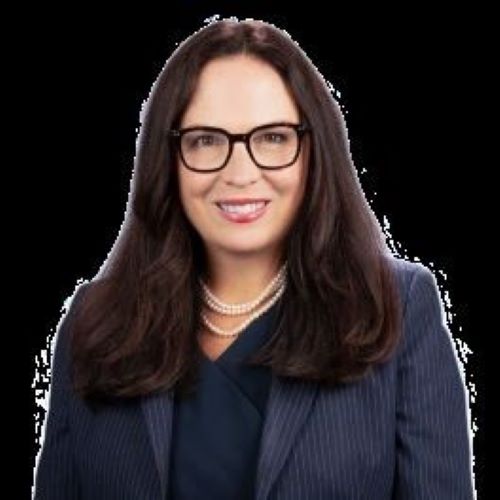
Marion M. Walsh
is a partner with the law firm of Littman Krooks LLP, where she leads the firm's special education practice. She particularly works in assisting students with complex mental health challenges locate an appropriate school placement and services and transition to college and independence. Ms. Walsh serves as president of the board of directors for NAMI (National Alliance on Mental Illness) Westchester, and is a board member of the Lower Hudson Special Education Task Force. She has written three books; What Do I Do When? The Answer Book on the No Child Left Behind Act, The Superintendent's Guide to Special Education Policies and Procedures, and Student Discipline and School Safety: Administrator's Guide to Best Practices, Policies & Procedures. Ms. Walsh is admitted to practice in New York, U.S. Supreme Court, U.S. Court of Appeals for the Second Circuit, and U.S. District Court for the Southern and Eastern districts of New York. She earned her J.D. degree from New York University School of Law and her B.A. degree, summa cum laude, from Long Island University C.W. Post Campus.
Speaker bio
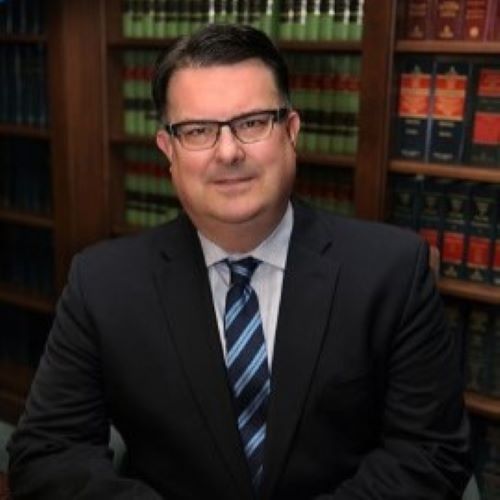
W. Erik Weber
is a partner at Mefford, Weber and Blythe PC, where he practices in the areas of personal injury law, civil trial litigation, debtor/creditor law, bankruptcy, family law, estate and financial planning, and real estate. He is licensed to practice in the state of Indiana, U.S. District Court for both the Northern and Southern districts of Indiana, Seventh Circuit Court of Appeals, and U.S. Supreme Court. Currently Mr. Weber serves as legal counsel for the Municipal City of Auburn, Auburn Municipal Utilities, Auburn Plan Commission and Board of Zoning Appeals, DeKalb County Central United School District, Smith-Green Schools, DeKalb County Change Academy, and various other local entities. He is a member of the DeKalb County Bar, Indiana State Bar Association, American Association for Justice, and Council of School Attorneys and Municipal Attorneys. Mr. Weber earned his B.S. degree, cum laude, from St. Joseph's College of Rensselaer Indiana and his J.D. degree from John Marshall Law School in Chicago.
TOP FAQs
Have more questions? Please Contact Us