

Trusts in Colorado From A to Z
Credits Available
| Credit | Status | Total | Until |
|---|---|---|---|
| Colorado CLE |
|
8 Total | 12-31-2026 |
| Missouri CLE |
|
6 Total | 10-30-2026 |
| Nebraska CLE |
|
6.67 Total | 10-30-2026 |
Buy This Course
OnDemand Video
Video Download
Course Book Download
or
Overview
The Ultimate Pros and Cons Guide to Top Wealth Planning Techniques
Planning your clients' financial future and legacy is diverse and complex, with a unique tool for every unique client situation. In this fast-paced comprehensive program, our faculty will guide you through the plethora of trust options and give you a straightforward, incisive analysis of when and how each can be used for maximum effect. Explore the goals, functions, administration hurdles, and tax implications of the top trusts in the practice. Choose the best tool for the job every time - register today!
- Weigh all the pros and cons to select the best trust options for specific client situations.
- Anticipate tax consequences of various trusts.
- Use sample trust language our faculty provide to save drafting time and avoid mistakes.
- Clarify the powers and duties of trustees in different trusts.
- Compare living and testamentary trusts for straightforward estate planning.
- Distinguish between accounting and taxable income and learn how trust income tax is reported.
- Understand how recent tax laws changed the practice of marital trusts and learn when they are still useful.
- Review common ethical missteps that can cost you your license - and how to avoid them.
Abbreviated Agenda
- What are Trusts? Main Trust Principles
- Simple Testamentary Trusts and Revocable Living Trusts
- Tax Reduction with Trusts
- Grantor Trusts
- Marital Trusts in a Nutshell
- Other Trust Structures and Issues
- Generation Skipping/Dynasty Trusts
- Charitable Trusts
- Legal Ethics
Credit Details
Credits Available
| Credit | Status | Total | Until |
|---|---|---|---|
| Colorado CLE |
|
8 Total | 12-31-2026 |
| Missouri CLE |
|
6 Total | 10-30-2026 |
| Nebraska CLE |
|
6.67 Total | 10-30-2026 |
Select Jurisdiction
CLE
Agenda
-
What are Trusts? Main Trust Principles
- Trust Terms, Concepts, and Definitions
- Key Parties in a Trust and Their Roles
- The Laws of Trust Creation and Administration (UTC, UPA, UPIA, etc.)
- Trust Revocability and its Implications
- Trust Funding Basics
- Creditor Rights in Regards to Trusts
- Does the Client Need a Trust?
-
Simple Testamentary Trusts and Revocable Living Trusts
- When are Testamentary Trusts Used?
- Living vs. Testamentary Trusts for Tax Purposes
- Trust Funding Mistakes and Consequences
- Top Trust Administration Issues
- Sample Trust Language
-
Tax Reduction with Trusts
- Current State and Federal Tax Regime
- Taxation of Trusts: Transfer and Income
- Accounting vs. Taxable Income
- Tax Consequences of Distributions
- Tax Implications of a Trust Becoming Irrevocable
- Accumulation Distribution for Some Complex Trusts
- Material Participation by Trusts
- Tax Consequences of Trusts in Estate Administration
-
Grantor Trusts
- Types of Grantor Trusts and When They are Used
- Intentionally Defective Grantor Trusts
- Tax Planning, Requirements, and Consequences
- Trustee Powers and Duties
- Grantor Trust Status and Reporting
- Exceptions to the Rules
- Sample Trust Language
-
Marital Trusts in a Nutshell
- When are Marital Trusts Used?
- Old AB/Credit Shelter Trusts After ATRA and Tax Cuts and Jobs Act
- Tax Planning, Requirements, and Consequences
- Trustee Powers, Duties, and Challenges
- Underfunded Trusts After First Death
- QDOTs for Noncitizen Spouses
- Exceptions to the Rules
- Handling Dysfunctional Client Families
- Sample Trust Language
-
Other Trust Structures and Issues
- Minors' Trusts
- IRA Trusts
- Pet Trusts
- Medicaid Trusts
- Asset Protection Trusts
- Irrevocable Life Insurance Trusts
- Incomplete Non-Grantor Trusts
- Gun Trusts
- Trust Decanting, Modification, and Dissolution
- Smaller Estate Trusts
- Constructive Trusts
-
Generation Skipping/Dynasty Trusts
- GST Tax and Other Tax Considerations
- When are Dynasty Trusts Used?
- Trustee Powers and Duties and Administration Challenges
- Exceptions to the Rules
- Sample Trust Language
-
Charitable Trusts
- When are Charitable Trusts Used?
- CRTs vs. CLTs
- Tax Planning, Requirements, and Consequences
- Trustee Powers and Duties and Administration Issues
- Exceptions to the Rules
- Charitable Planning in Smaller Estates
- Sample Trust Language
-
Legal Ethics
- Who Is Your Client? The Most Important Question in Trusts Practice
- Top Legal Malpractice Risks
- Testator Capacity Issues
- Dealing with Trust Beneficiaries
- Protecting Confidentiality
- Preventing Fiduciary Misconduct
Who Should Attend
This basic level online seminar is designed for the professionals involved in creating and administering trusts:
- Attorneys
- Accountants and CPAs
- Trust Officers
- Tax Managers
- Wealth Managers
Speakers
Speaker bio
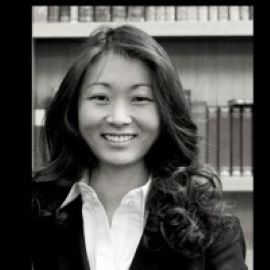
Malea A. McKeown Nicholson
is an attorney and CPA certified in both Colorado and California. She founded MMK Law PC to provide legal and financial advice with a focus on big-picture, comprehensive counsel. Ms. McKeown Nicholson focuses her practice on estate planning, wills, trusts, tax, business transactional, nonprofit, and expert witness.
Speaker bio
Robert B. Keyser, II
is the founding member of the estate, tax and business planning boutique firm, Robert B. Keyser II, LLC, based in Colorado Springs, Colorado. He provides counsel in the areas of income, estate and gift tax planning, and business planning to high-net-worth individuals and families. Mr. Keyser prepares advanced estate planning documents such as qualified personal residence trusts, family limited partnerships, life insurance trusts, generation skipping trusts, charitable trusts, private foundations, grantor retained annuity trusts, intentionally defective grantor trusts, and complex wills. He handles various business transactional matters requiring the preparation of agreements for stock redemption, mergers, employment, stock buy-sell, partnership and limited liability company arrangements, non-qualified plans, and trusts. Mr. Keyser taught business law and accounting at the University of Colorado's Colorado Springs campus from 2004 to 2017. He earned his B.A. degree from Colorado University, his J.D. degree from the University of Denver College of Law and his LL.M. degree in taxation from the University of Denver Graduate Tax Program.
Speaker bio
James W. McQuade
is an attorney at Burnham Law. He focuses his practice on probate and litigation. Mr. McQuade earned his bachelor's degree from the University of Colorado and his J.D. degree from the University of Miami School of Law. He also received his LL.M. degree in taxation. Mr. McQuade is admitted to practice law in Colorado and Florida.
Speaker bio
Nicholas S. Bjorklund
is an attorney with Birch Grove Legal PLLC, where he practices in the areas of business planning, estate planning, probate and trust administration, situs planning and tax. Mr. Bjorklund is admitted to practice in Colorado and Wyoming and before the U.S. Tax Court. He is a member of the Wyoming Bar Association and Colorado Bar Association (Tax and Trust sections). Mr. Bjorklund earned his B.B.A. degree, summa cum laude, from Colorado Mesa University and his J.D. degree, with honors, from the University of Wyoming College of Law.
Speaker bio
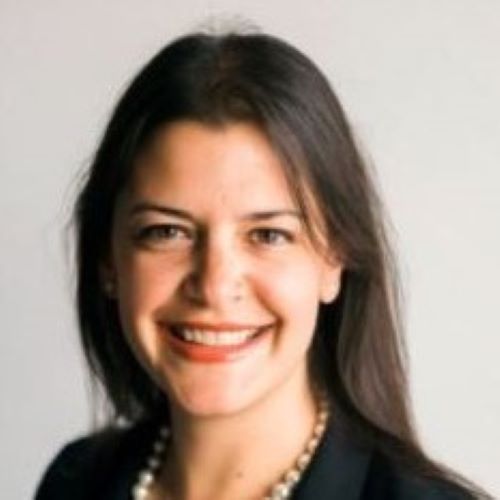
Kelly A. Fischer
is a managing partner at Dahl Fischer, LLC. She focuses her practice on business law, real estate law and estate planning. Ms. Fischer earned her law degree, MBA and a Master of Science in Real Estate and Construction Management from the University of Denver. She worked as a prosecutor for five years prior to founding Dahl Fischer. Ms. Fischer is admitted to practice law in Colorado and before the Federal District Court of Colorado. She is a member of the Colorado Bar Association, Arapahoe County Bar Association, Colorado Women's Chamber of Commerce, and Aurora Chamber of Commerce.
Speaker bio
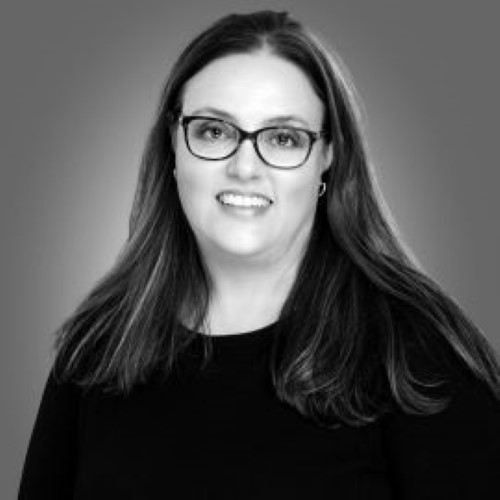
Stephanie Dahl
is a managing partner at Dahl Fischer, LLC. Her practice includes estate planning, probate and small business formation and small business transactional work. Ms. Dahl earned her B.S. degree from the University of Colorado at Boulder and her J.D. degree from the University of Denver College of Law. She is admitted to practice law in Colorado and before the Federal District Court of Colorado. Ms. Dahl is a member of the Colorado Bar Association, Denver Bar Association, Colorado Women’s Bar Association, Colorado Women’s Chamber of Commerce, and Aurora Chamber of Commerce.
Speaker bio
Lori C. Hulbert
is an attorney at SGR, LLC. She successfully represents individuals in family matters. Family matters can encompass individual estate planning, closely held business and family partnership succession planning, real estate transactions, probate administration, conservatorships, guardianships, advising non-profits and trust and estate litigation, general civil litigation and any dispute involving a dissolution of marriage or child custody matters. Ms. Hulbert has previously served as a guardian ad litem for both adults and children in the 18th and 13th Judicial districts. She is currently the public administrator for the 13th Judicial District. Ms. Hulbert earned her B.A. and J.D. degrees from Capital University and her LL.M. degree in taxation from the University of Denver. She is admitted to practice in all Colorado State Courts, U.S. District Court for the District of Colorado, U.S. Tax Court, and all courts in the states of Ohio, Nebraska and Missouri. Ms. Hulbert is a member of the Colorado Bar Association; Trusts and Estates Section; Elder Law Section, and the Colorado Women's Bar Association.
TOP FAQs
Have more questions? Please Contact Us