

North Carolina Estate Administration From Start to Finish
Credits Available
| Credit | Status | Total | Until |
|---|---|---|---|
| Florida CLE |
|
8 Total | 12-31-2025 |
| North Carolina CLE |
|
6.5 Total | 02-28-2026 |
| South Carolina CLE |
|
6.67 Total | 12-31-2025 |
| North Carolina Continuing Paralegal Education |
|
6.5 Total | 02-28-2026 |

Buy This Course
OnDemand Video
Video Download
Course Book Download
or
Overview
A Comprehensive Step-By-Step Guide to Estate Administration
Whether you're new to estate administration or need a basic refresher, this course will provide you with a comprehensive overview of estate administration, including proper asset valuation and distribution, taxation, and account closing procedures. You'll also learn how to correctly deal with thorny estate administration debt issues, including jointly held assets, business ownership and complex tax issues. Equip yourself with real-life, practical knowledge to ensure you are fully prepared to handle the entire estate administration process from start to finish - register today!
- Learn how to meet every deadline, follow procedures, and complete essential forms.
- Identify key estate administration pitfalls you need to avoid.
- Come away with helpful forms, sample documents, and checklists to assist in the process.
- Acquire strategies to ensure you can help your clients through every step of the probate process.
- Manage your client's entire estate administration procedures properly and effectively.
- Learn how to tackle complex estate administration issues such as tax issues, jointly held assets, and will contests.
- Understand how to properly transfer and distribute assets.
- Explore proper procedures and processes when dealing with insurance claims and debt during estate administration.
- Gain a better understanding of the probate court's procedures so that you can avoid common pitfalls and mistakes.
- Get the latest information on allowances and elections against the will.
- Identify how to properly distribute assets to minors, surviving spouses and trusts.
Abbreviated Agenda
- Commencement of Proceedings and Information Gathering
- Initial Steps to the Estate Administration Process
- Marshalling Assets
- Handling Creditor Claims and Debt
- Complex Issues in Estate Administration
- Handling Estate Administration Tax Issues
- Distribution and Closing of the Estate
- Ethics and Estate Administration
Credit Details
Credits Available
| Credit | Status | Total | Until |
|---|---|---|---|
| Florida CLE |
|
8 Total | 12-31-2025 |
| North Carolina CLE |
|
6.5 Total | 02-28-2026 |
| South Carolina CLE |
|
6.67 Total | 12-31-2025 |
| North Carolina Continuing Paralegal Education |
|
6.5 Total | 02-28-2026 |
Select Jurisdiction
CLE
Paralegal
Agenda
-
Commencement of Proceedings and Information Gathering
- Appointment of Estate Administration
- Formal vs. Informal Proceedings
- Sample Letters of Authority
- First Meeting With Family or Designated Personal Representative and Determination of Heirs
- Written Fee Agreements
- Tips to Locate Information Quickly Using Online and Government Resources
- Dealing with Multiple States
- Appointment of Estate Administration
-
Initial Steps to the Estate Administration Process
- Understanding the Laws of Intestacy
- Sample Estate Administration Checklists, Forms and Required Notices Needed
- Interpreting Provisions and Terms of Art Found in Wills
- Using Disclaimers Correctly
-
Marshalling Assets
- Procedures to Locating and Marshalling Probate and Non-Probate Assets
- Safe Deposit Boxes and Bank Accounts
- Real Estate
- Brokerage Accounts, 401Ks, IRAs, Pensions and Life Insurance Policies
- Sample Forms and Documents Needed
- Appraisers and Valuing the Property of Probate Estates
- Procedures to Locating and Marshalling Probate and Non-Probate Assets
-
Handling Creditor Claims and Debt
- Sample Forms and Required Notices Needed
- Priority and Payment of Claims
- Late Claims and Contested Claims
- Steps to Ensure all Debt is Located and Handled Correctly
- What if the Assets Don't Cover the Bills?
- Bankruptcy and Foreclosure
- Selling of Assets and Properly Dealing with Creditors
-
Complex Issues in Estate Administration
- Jointly Held Assets
- Spousal Claims
- Allowances and Elections Against the Will
- Handling Unmarried Couples and Stepchildren
- Will Contests, Trust and Estate Disputes
- Business Ownership
- Agency Problems Involving Guardianships, Conservatorships, Powers of Attorney or Other Agency Relationships
-
Handling Estate Administration Tax Issues
- Examples of Forms Needed
- Federal and State Estate Tax Considerations
- Income Tax Issues for the Estate and the Heirs
- Resolving Disputes With Taxing Authorities
- Deductions and Exemptions
- How the Generation-Skipping Transfer Tax Affects Your Clients
- Tax Deadlines and Handling Extensions
- Sales of Real Property
-
Distribution and Closing of the Estate
- Sample Forms, Agreements and Documents Needed
- Proper Transferring and Distribution of Probate and Non-Probate Assets and Timing of Distributions
- Real Estate
- 401Ks, IRAs, Pensions and Life Insurance Policies
- Distribution of Miscellaneous Assets (Automobiles, Jewelry, Etc.)
- Distributions in Kind
- Distribution to Minors, Surviving Spouse and Trusts
- Disposition of Unclaimed Assets
- Proper Settlement of the Estate
- Formal and Informal Estate Accountings
- Choosing the Appropriate Closing Procedure
- Compensation and Discharge of the Personal Representative
-
Ethics and Estate Administration
- Breach of Fiduciary Responsibility
- Avoiding Conflicts of Interest
- Attorney-Client Privilege
- Fee Agreements
Who Should Attend
This basic level online seminar is designed for professionals who want to be more effective in the estate administration process, such as:
- Attorneys
- CPAs and Accountants
- Paralegals
- Wealth Managers
- Tax Professionals
- Trust Officers
Speakers
Speaker bio
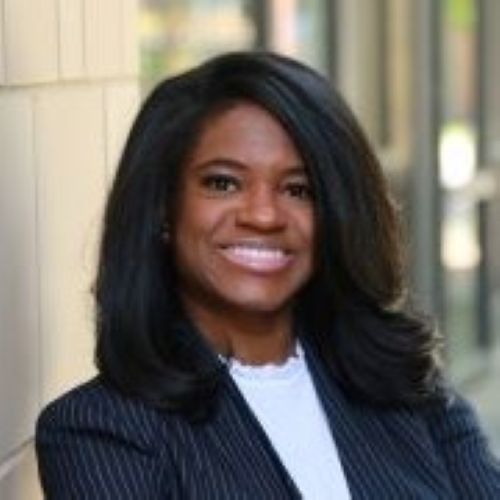
Robyn Hicks-Guinn
is the managing attorney at Hicks-Guinn Law, PLLC in Charlotte, North Carolina. She assists individuals and small business owners, and enjoys counseling families and individuals in estate planning, estate administration, business succession planning and real estate matters. Ms. Hicks-Guinn also advises businesses as general corporate counsel, and advocates for victims in personal injury and workers' compensation cases. She serves on numerous committees with the Mecklenburg County Bar Association, has been appointed to the General Contracting and Licensing Board for the State of North Carolina, and served on the City of Raleigh Human Relations Commission, as well as several civic and philanthropic organizations across the state. Ms. Hicks-Guinn earned her B.S. degree from the University of North Carolina at Chapel Hill and her J.D. degree from North Carolina Central University School of Law. She is admitted to practice in North Carolina and U.S. District Court for the Western District.
Speaker bio
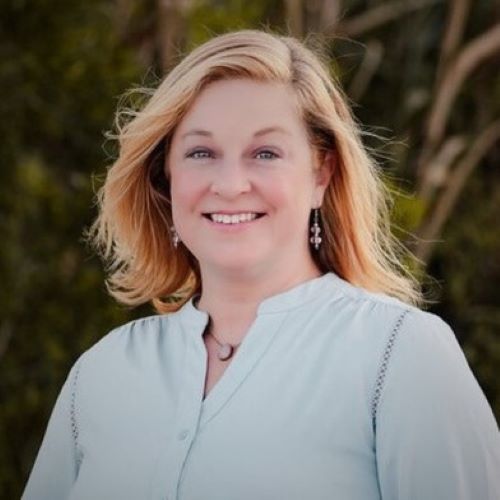
Erica L. Frederick
is an attorney with the law firm of Hopler, Wilms, & Hanna, PLLC in Durham. She is passionate about helping people with their estate needs, and practices in estate planning and administration. Ms. Frederick earned her B.A. degree from North Carolina State University and her J.D. degree from the University of North Carolina School of Law.
Speaker bio
Mariah McKinney
is a partner in Garlock & McKinney, P.C., where she concentrates her practice in the areas of probate law, guardianships, estate administration, estate taxes, trusts, and special proceedings before the Clerk of Superior Court. Ms. McKinney has been licensed to practice law in North Carolina for more than 14 years. In addition to her years of experience in the private practice of law, she dedicated five years of her time as a licensed attorney employed with the North Carolina Judicial Branch. A portion of Ms. McKinney's employment with the Judicial Branch was working as an assistant clerk of court overseeing the estates divisions of two counties in North Carolina; and a portion of her time was spent as an associate legal counsel in the Administrative Office of the Courts where she provided legal advice, training, and procedural support to clerks of court statewide in the areas of guardianships, trusts, estates, special proceedings and civil law. Ms. McKinney also provides legal and financial management services to her law partner, Victor C. Garlock, in his role as the Buncombe County Public Guardian and as the founder of the fiduciary services company Fidelicare, Inc. She earned her B.A. degree from the University of North Carolina at Wilmington and her J.D. degree from the North Carolina Central University School of Law.
Speaker bio
Richard E. Marsh, Jr.
is a partner at Marsh & Hoogland, PLLC. He is a board-certified specialist in estate planning and probate law in North Carolina. Mr. Marsh practices in tax, business transactions, and estate planning and administration. He is an active writer and lecturer for attorneys, CPAs, CLUs, and other financial professionals and trade groups in the areas of estate planning, tax planning, sales and purchases of businesses, and tax-advantaged transactions involving real estate; and taught decedents estates, estate planning, and will drafting at the law school level for about a decade. He is a member of the North Carolina State Bar, The Florida Bar, and South Carolina Bar. Mr. Marsh earned his B.A. degree from Bucknell University, his J.D. and M.B.A. degrees from the University of North Carolina at Chapel Hill, and his LL.M. degree from Georgetown University.
TOP FAQs
Have more questions? Please Contact Us