

Vocational and Medical Expert Examination Tactics
Credits Available
| Credit | Status | Total | Until |
|---|---|---|---|
| Alaska CLE |
|
6 Total | 11-14-2026 |
| Arizona CLE |
|
6 Total | 11-14-2026 |
| California CLE |
|
6 Total | 11-14-2026 |
| Colorado CLE |
|
7 Total | 12-31-2026 |
| Connecticut CLE |
|
6 Total | 11-14-2026 |
| Delaware CLE |
|
6 Total | 11-14-2026 |
| Hawaii CLE |
|
6 Total | 11-14-2026 |
| Idaho CLE |
|
6 Total | 11-14-2029 |
| Illinois CLE |
|
6 Total | 11-13-2026 |
| Maine CLE |
|
6 Total | 11-13-2026 |
| Minnesota CLE |
|
6 Total | 11-14-2026 |
| Missouri CLE |
|
6 Total | 11-14-2026 |
| Northern Mariana Islands CLE |
|
6 Total | 11-14-2026 |
| Montana CLE |
|
6 Total | 11-14-2027 |
| North Dakota CLE |
|
6 Total | 11-14-2027 |
| Nebraska CLE |
|
6 Total | 11-14-2026 |
| New Hampshire CLE |
|
6 Total | 11-14-2027 |
| New Mexico CLE |
|
6 Total | 11-14-2026 |
| Nevada CLE |
|
6 Total | 11-14-2027 |
| New York CLE |
|
7 Total | 11-14-2027 |
| Oklahoma CLE |
|
7 Total | 11-14-2026 |
| Oregon CLE |
|
6 Total | 11-14-2027 |
| Pennsylvania CLE |
|
6 Total | 11-14-2026 |
| Rhode Island CLE |
|
6 Total | |
| Tennessee CLE |
|
6 Total | 11-13-2026 |
| Vermont CLE |
|
6 Total | 11-14-2026 |
| Washington CLE |
|
6 Total | 11-13-2029 |
| West Virginia CLE |
|
7.2 Total | 11-14-2026 |
Buy This Course
OnDemand Video
Course Book Download
Overview
Essential Guidance for Obtaining, Using, and Countering Vocational and Medical Testimony
Vocational and medical expert findings will often make or break a case when determining the extent of disability and remaining employability. This foundational legal course focuses on every aspect of that testimony from expert qualifications and methodology to the written reports and specific questions for oral examination. Find effective ways of challenging vocational and medical experts and their findings - register today!
- Walk through the evaluation process: from initial interview through labor market survey, physical limitations, and more.
- Get clear guidance for choosing your expert: review their specific expertise, reputation, past litigation history, and more.
- Learn how to apply expert findings to the client's specific case facts.
- Examine the employability of the claimant with solid evidence on both sides of the debate.
- Learn how to counter outdated or irrelevant vocational findings.
- Walk through the common questions and hypotheticals you'll want to ask medical and vocational experts.
This program was designed in conjunction with NBI's esteemed 2023-2024 Content Advisory Committee Member Brad Kolling.
Abbreviated Agenda
- Vocational Evaluation Basics
- Vocational Evaluations Process
- VE Methodologies, How to Make it Effective Depending on Its Purpose
- Countering/Cross-Examining VEs
- What's Necessary to Provide for Your Medical Expert and Why
- Medical Evaluations and Reports: What's Included, How to Analyze Them
- Insights on Imaging, Medical Records, EMGs, and Clinical Correlation
- Legal Ethics
Credit Details
Credits Available
| Credit | Status | Total | Until |
|---|---|---|---|
| Alaska CLE |
|
6 Total | 11-14-2026 |
| Arizona CLE |
|
6 Total | 11-14-2026 |
| California CLE |
|
6 Total | 11-14-2026 |
| Colorado CLE |
|
7 Total | 12-31-2026 |
| Connecticut CLE |
|
6 Total | 11-14-2026 |
| Delaware CLE |
|
6 Total | 11-14-2026 |
| Hawaii CLE |
|
6 Total | 11-14-2026 |
| Idaho CLE |
|
6 Total | 11-14-2029 |
| Illinois CLE |
|
6 Total | 11-13-2026 |
| Maine CLE |
|
6 Total | 11-13-2026 |
| Minnesota CLE |
|
6 Total | 11-14-2026 |
| Missouri CLE |
|
6 Total | 11-14-2026 |
| Northern Mariana Islands CLE |
|
6 Total | 11-14-2026 |
| Montana CLE |
|
6 Total | 11-14-2027 |
| North Dakota CLE |
|
6 Total | 11-14-2027 |
| Nebraska CLE |
|
6 Total | 11-14-2026 |
| New Hampshire CLE |
|
6 Total | 11-14-2027 |
| New Mexico CLE |
|
6 Total | 11-14-2026 |
| Nevada CLE |
|
6 Total | 11-14-2027 |
| New York CLE |
|
7 Total | 11-14-2027 |
| Oklahoma CLE |
|
7 Total | 11-14-2026 |
| Oregon CLE |
|
6 Total | 11-14-2027 |
| Pennsylvania CLE |
|
6 Total | 11-14-2026 |
| Rhode Island CLE |
|
6 Total | |
| Tennessee CLE |
|
6 Total | 11-13-2026 |
| Vermont CLE |
|
6 Total | 11-14-2026 |
| Washington CLE |
|
6 Total | 11-13-2029 |
| West Virginia CLE |
|
7.2 Total | 11-14-2026 |
Credit Details by Jurisdiction
OnDemand Video
CLE
Credits
Alaska CLE Approved · 6 Total Credits
- 1 MECLE Ethics
Earn Until
OnDemand - Alaska CLE - 6: This program may qualify for up to 6.0 hours of technology-delivered credit, which includes 5.0 hours of MCLE credit and 1.0 hours of MECLE credit. Alaska Bar members may claim credit for attending CLE programs that have been accredited by other mandatory CLE jurisdictions.
Video Download - Alaska CLE - 6: This program may qualify for up to 6.0 hours of technology-delivered credit, which includes 5.0 hours of MCLE credit and 1.0 hours of MECLE credit. Alaska Bar members may claim credit for attending CLE programs that have been accredited by other mandatory CLE jurisdictions.
Arizona CLE Approved · 6 Total Credits
- 1 Professional Responsibility
Earn Until
OnDemand - Arizona CLE - 6: The State Bar of Arizona does not approve or accredit CLE activities for the Mandatory Continuing Legal Education requirement. This activity may qualify for up to 6.0 hours toward your annual CLE Interactive CLE requirement for the State of Arizona, including 1.0 hour of professional responsibility Interactive CLE credit.
Video Download - Arizona CLE - 6: The State Bar of Arizona does not approve or accredit CLE activities for the Mandatory Continuing Legal Education requirement. This activity may qualify for up to 6.0 hours toward your annual CLE Interactive CLE requirement for the State of Arizona, including 1.0 hour of professional responsibility Interactive CLE credit.
California CLE Approved · 6 Total Credits
- 1 Legal Ethics
Earn Until
OnDemand - California CLE - 6: This activity has been approved for Minimum Continuing Legal Education credit by the State Bar of California and may qualify for up to 6.0 hours of participatory credit, of which 1.0 hour will apply to legal ethics credit. NBI, Inc. certifies this activity conforms to the standards for approved education activities prescribed by the rules and regulations of the State Bar of California governing minimum continuing legal education. NBI, Inc. is a State Bar of California approved MCLE provider - #53.
Video Download - California CLE - 6: This activity has been approved for Minimum Continuing Legal Education credit by the State Bar of California and may qualify for up to 6.0 hours of self-study credit, of which 1.0 hour will apply to legal ethics credit. NBI, Inc. certifies this activity conforms to the standards for approved education activities prescribed by the rules and regulations of the State Bar of California governing minimum continuing legal education. NBI, Inc. is a State Bar of California approved MCLE provider - #53.
Colorado CLE Approved · 7 Total Credits
- 1.2 Professional Responsibility
Earn Until
OnDemand - Colorado CLE - 7: NBI, Inc. is a Certified Provider, as recognized by the Colorado Supreme Court Continuing Legal and Judicial Education Committee. This program may qualify for up to 7.0 hours of home study general Colorado Continuing Legal Education Credit, including 1.20 professional responsibility credit.
Video Download - Colorado CLE - 7: NBI, Inc. is a Certified Provider, as recognized by the Colorado Supreme Court Continuing Legal and Judicial Education Committee. This program may qualify for up to 7.0 hours of home study general Colorado Continuing Legal Education Credit, including 1.20 professional responsibility credit.
Connecticut CLE Approved · 6 Total Credits
- 1 Ethics/Professionalism
Earn Until
OnDemand - Connecticut CLE - 6: Neither the Connecticut Judicial Branch nor the Commission on Minimum Continuing Legal Education approve or accredit CLE providers or activities. It is the opinion of NBI, Inc. that this activity qualifies for up to 6.0 self-study hours toward your annual CLE requirement in Connecticut, including 1.0 self-study hour(s) of ethics/professionalism.
Video Download - Connecticut CLE - 6: Neither the Connecticut Judicial Branch nor the Commission on Minimum Continuing Legal Education approve or accredit CLE providers or activities. It is the opinion of NBI, Inc. that this activity qualifies for up to 6.0 self-study hours toward your annual CLE requirement in Connecticut, including 1.0 self-study hour(s) of ethics/professionalism.
Delaware CLE Approved · 6 Total Credits
- 1 Ethics
Earn Until
OnDemand - Delaware CLE - 6: NBI, Inc. is an accredited sponsor of the Delaware Commission on Continuing Legal Education and recommends this program for 6.0 hours of eCLE credit, including 1.0 hour of ethics.
Hawaii CLE Approved · 6 Total Credits
- 1 Ethics/Professional Responsibility
Earn Until
OnDemand - Hawaii CLE - 6: NBI, Inc. is an Accredited Provider with the Hawaii State Board of Continuing Legal Education. This alternative format activity has been approved for up to 6.0 hours of credit for the state of Hawaii, which includes 1.0 hour of ethics or professional responsibility education.
Video Download - Hawaii CLE - 6: NBI, Inc. is an Accredited Provider with the Hawaii State Board of Continuing Legal Education. This alternative format activity has been approved for up to 6.0 hours of credit for the state of Hawaii, which includes 1.0 hour of ethics or professional responsibility education.
Idaho CLE Approved · 6 Total Credits
- 1 Legal Ethics/Professional Responsibility
Earn Until
OnDemand - Idaho CLE - 6: Approved for 6.0 hours of self-study continuing legal education credit in the state of Idaho, which includes 1.0 self-study legal ethics or professional responsibility credit.
Video Download - Idaho CLE - 6: Approved for 6.0 hours of self-study continuing legal education credit in the state of Idaho, which includes 1.0 self-study legal ethics or professional responsibility credit.
Illinois CLE Approved · 6 Total Credits
- 1 Professional Responsibility
Earn Until
OnDemand - Illinois CLE - 6: This program has been approved by the Illinois MCLE Board for 6.0 hours of recorded technology CLE credit, which includes approval for 1.0 hour of legal ethics, civility, professionalism CLE credit by the Illinois Supreme Court Commission on Professionalism.
Video Download - Illinois CLE - 6: This program has been approved by the Illinois MCLE Board for 6.0 hours of recorded technology CLE credit, which includes approval for 1.0 hour of legal ethics, civility, professionalism CLE credit by the Illinois Supreme Court Commission on Professionalism.
Maine CLE Approved · 6 Total Credits
Earn Until
OnDemand - Maine CLE - 6: This course has been approved by the State of Maine Board of Overseers of the Bar. Lawyers who complete this course may receive up to 6.0 hours of self-study CLE credit. No more than 5.0 hours of self-study CLE credit may be earned during a reporting period. Attorneys may not earn ethics or harassment and discrimination credit with self-study.
Video Download - Maine CLE - 6: This course has been approved by the State of Maine Board of Overseers of the Bar. Lawyers who complete this course may receive up to 6.0 hours of self-study CLE credit. No more than 5.0 hours of self-study CLE credit may be earned during a reporting period. Attorneys may not earn ethics or harassment and discrimination credit with self-study.
Course Book - Maine CLE - 6: This course has been approved by the State of Maine Board of Overseers of the Bar. Lawyers who complete this course may receive up to 6.0 hours of self-study CLE credit. No more than 5.0 hours of self-study CLE credit may be earned during a reporting period. Attorneys may not earn ethics or harassment and discrimination credit with self-study.
Minnesota CLE Approved · 6 Total Credits
- 1 Ethics
Earn Until
OnDemand - Minnesota CLE - 6: Approved for up to 6.0 hours of standard on-demand CLE credit, including 1.0 hour of ethics credit by the Minnesota Board of Continuing Legal Education.
Video Download - Minnesota CLE - 6: Approved for up to 6.0 hours of standard on-demand CLE credit, including 1.0 hour of ethics credit by the Minnesota Board of Continuing Legal Education.
Missouri CLE Approved · 6 Total Credits
Earn Until
OnDemand - Missouri CLE - 6: NBI, Inc. is an accredited sponsor with Missouri Minimum Continuing Legal Education. This program qualifies for up to 6.0 self-study CLE credit hours. No more than 6.0 hours of self-study CLE credit may be earned during a reporting period. Attorneys may not earn ethics credit with self-study.
Video Download - Missouri CLE - 6: NBI, Inc. is an accredited sponsor with Missouri Minimum Continuing Legal Education. This program qualifies for up to 6.0 self-study CLE credit hours. No more than 6.0 hours of self-study CLE credit may be earned during a reporting period. Attorneys may not earn ethics credit with self-study.
Course Book - Missouri CLE - 6: NBI, Inc. is an accredited sponsor with Missouri Minimum Continuing Legal Education. This program qualifies for up to 6.0 self-study CLE credit hours. No more than 6.0 hours of self-study CLE credit may be earned during a reporting period. Attorneys may not earn ethics credit with self-study.
Northern Mariana Islands CLE Approved · 6 Total Credits
Earn Until
OnDemand - Northern Mariana Islands CLE - 6: This course has been approved by the Commonwealth of the Northern Mariana Islands. Lawyers who complete this course shall receive 6.0 hours of self-study CLE credit.
Video Download - Northern Mariana Islands CLE - 6: This course has been approved by the Commonwealth of the Northern Mariana Islands. Lawyers who complete this course shall receive 6.0 hours of self-study CLE credit.
Course Book - Northern Mariana Islands CLE - 6: This course has been approved by the Commonwealth of the Northern Mariana Islands. Lawyers who complete this course shall receive 6.0 hours of self-study CLE credit.
Montana CLE Approved · 6 Total Credits
- 1 Professional Fitness and Integrity
Earn Until
OnDemand - Montana CLE - 6: This program may qualify for up to 6.0 hours of self-study CLE credit by the Montana Commission of Continuing Legal Education, including 1.0 hour of professional fitness and integrity credit. No more than 5.0 hours of self-study CLE credit may be earned during a reporting period.
Video Download - Montana CLE - 6: This program may qualify for up to 6.0 hours of self-study CLE credit by the Montana Commission of Continuing Legal Education, including 1.0 hour of professional fitness and integrity credit. No more than 5.0 hours of self-study CLE credit may be earned during a reporting period.
North Dakota CLE Approved · 6 Total Credits
- 1 Ethics
Earn Until
OnDemand - North Dakota CLE - 6: North Dakota attorneys completing this program may claim up to 6.0 North Dakota self-study CLE credit hours, including 1.0 hour of self-study ethics credit, on the Report of Compliance. No more than 30.0 hours of self-study CLE credit may be earned during a reporting period.
Video Download - North Dakota CLE - 6: North Dakota attorneys completing this program may claim up to 6.0 North Dakota self-study CLE credit hours, including 1.0 hour of self-study ethics credit, on the Report of Compliance. No more than 30.0 hours of self-study CLE credit may be earned during a reporting period.
Nebraska CLE Approved · 6 Total Credits
- 1 Professional Responsibility
Earn Until
OnDemand - Nebraska CLE - 6: NBI, Inc. is an accredited CLE sponsor in the state of Nebraska. This activity has been approved for up to 6.0 distance learning CLE credits, including 1.0 hour of professional responsibility credit. No more than 5.0 hours of distance learning CLE credit may be earned during a reporting period.
Video Download - Nebraska CLE - 6: NBI, Inc. is an accredited CLE sponsor in the state of Nebraska. This activity has been approved for up to 6.0 distance learning CLE credits, including 1.0 hour of professional responsibility credit. No more than 5.0 hours of distance learning CLE credit may be earned during a reporting period.
New Hampshire CLE Approved · 6 Total Credits
- 1 Ethics/Professionalism
Earn Until
OnDemand - New Hampshire CLE - 6: NHMCLE does not approve or accredit CLE activities for the NH Minimum CLE requirement. NBI, Inc. believes this course meets the requirements of NH Supreme Court Rule 53 toward the annual NHMCLE requirement.
Video Download - New Hampshire CLE - 6: NHMCLE does not approve or accredit CLE activities for the NH Minimum CLE requirement. NBI, Inc. believes this course meets the requirements of NH Supreme Court Rule 53 toward the annual NHMCLE requirement.
New Mexico CLE Approved · 6 Total Credits
- 1 Ethics
Earn Until
OnDemand - New Mexico CLE - 6: This program has been approved by the State Bar of New Mexico/MCLE. This program may qualify for up to 6.0 hour of self-study credit, including 1.0 hours of self-study ethics credit.
Video Download - New Mexico CLE - 6: This program has been approved by the State Bar of New Mexico/MCLE. This program may qualify for up to 6.0 hour of self-study credit, including 1.0 hours of self-study ethics credit.
Nevada CLE Approved · 6 Total Credits
- 1 Ethical Considerations
Earn Until
OnDemand - Nevada CLE - 6: This course has been approved by the Nevada Board of Continuing Legal Education. This program may qualify for up to 6.0 hours of alternative format CLE credits by the Nevada Board of Continuing Legal Education, which includes 1.0 hour of alternative format ethical considerations.
Video Download - Nevada CLE - 6: This course has been approved by the Nevada Board of Continuing Legal Education. This program may qualify for up to 6.0 hours of alternative format CLE credits by the Nevada Board of Continuing Legal Education, which includes 1.0 hour of alternative format ethical considerations.
New York CLE Approved · 7 Total Credits
- 6 Areas of Professional Practice
- 1 Ethics/Professionalism
Earn Until
OnDemand - New York CLE - 7: This nontraditional format course has been approved in accordance with the requirements of the New York State Continuing Legal Education Board for up to 7.0 credit hours. 6.0 hours can be applied to the areas of professional practice requirement and is approved for newly admitted attorneys. 1.0 hour can be applied toward the Ethics/Professionalism requirement and is approved for experienced attorneys. NBI, Inc. offers a Financial Hardship Policy for qualifying individuals. To apply, please submit a request via email to our Tuition Discount Committee at customerservice@nbi-sems.com.
Video Download - New York CLE - 7: This nontraditional format course has been approved in accordance with the requirements of the New York State Continuing Legal Education Board for up to 7.0 credit hours. 6.0 hours can be applied to the areas of professional practice requirement and is approved for newly admitted attorneys. 1.0 hour can be applied toward the Ethics/Professionalism requirement and is approved for experienced attorneys. NBI, Inc. offers a Financial Hardship Policy for qualifying individuals. To apply, please submit a request via email to our Tuition Discount Committee at customerservice@nbi-sems.com.
Oklahoma CLE Approved · 7 Total Credits
- 1 Legal Ethics
Earn Until
OnDemand - Oklahoma CLE - 7: This course has been approved by the Oklahoma Bar Association Mandatory Continuing Legal Education Commission. This program may qualify for up to 7.0 of On Demand CLE credit hours, which includes 1.0 hour of legal ethics.
Video Download - Oklahoma CLE - 7: This course has been approved by the Oklahoma Bar Association Mandatory Continuing Legal Education Commission. This program may qualify for up to 7.0 of On Demand CLE credit hours, which includes 1.0 hour of legal ethics.
Oregon CLE Approved · 6 Total Credits
- 1 Ethics
Earn Until
OnDemand - Oregon CLE - 6: NBI, Inc. is an approved sponsor with the Oregon MCLE. This program may qualify for up to 5.0 hours of general continuing legal education credit and 1.0 hour of ethics credit.
Video Download - Oregon CLE - 6: NBI, Inc. is an approved sponsor with the Oregon MCLE. This program may qualify for up to 5.0 hours of general continuing legal education credit and 1.0 hour of ethics credit.
Pennsylvania CLE Approved · 6 Total Credits
- 1 Ethics
Earn Until
OnDemand - Pennsylvania CLE - 6: This program has been approved by the Pennsylvania Continuing Legal Education Board. This program may qualify for up to 6.0 hours of distance learning credit, including 5.0 hours of substantive law, practice and procedure CLE credit and 1.0 hour of ethics, professionalism or substance abuse distance learning CLE credit. No more than 6.0 hours of distance learning CLE credit may be earned during a reporting period.
Video Download - Pennsylvania CLE - 6: This program has been approved by the Pennsylvania Continuing Legal Education Board. This program may qualify for up to 6.0 hours of distance learning credit, including 5.0 hours of substantive law, practice and procedure CLE credit and 1.0 hour of ethics, professionalism or substance abuse distance learning CLE credit. No more than 6.0 hours of distance learning CLE credit may be earned during a reporting period.
Rhode Island CLE Upon Request · 6 Total Credits
- 1 Legal Ethics
OnDemand - Rhode Island CLE - 6: NBI is an accredited sponsor with the Rhode Island MCLE Commission. Upon course completion and credit request submittal, an application will be submitted to the Rhode Island MCLE Commission.
Video Download - Rhode Island CLE - 6: NBI is an accredited sponsor with the Rhode Island MCLE Commission. Upon course completion and credit request submittal, an application will be submitted to the Rhode Island MCLE Commission.
Tennessee CLE Approved · 6 Total Credits
- 1 Ethics/Professionalism
Earn Until
OnDemand - Tennessee CLE - 6: This course has been approved by the Tennessee Commission on Continuing Legal Education for a maximum of 6.0 hours of Distance Learning credit, including 1.0 hour of ethics/professionalism (EP) credit.
Vermont CLE Approved · 6 Total Credits
- 1 Ethics
Earn Until
OnDemand - Vermont CLE - 6: This course has been approved by the Vermont Board of Mandatory Continuing Legal Education. This program may qualify for up to 6.0 hours of self-study credit, including 1.0 hour of self-study ethics credit. No more than 10.0 hours of self-study CLE credit may be earned during a reporting period. Attorneys may not earn professionalism credit with self-study.
Video Download - Vermont CLE - 6: This course has been approved by the Vermont Board of Mandatory Continuing Legal Education. This program may qualify for up to 6.0 hours of self-study credit, including 1.0 hour of self-study ethics credit. No more than 10.0 hours of self-study CLE credit may be earned during a reporting period. Attorneys may not earn professionalism credit with self-study.
Washington CLE Approved · 6 Total Credits
- 1 Ethics/Professional Responsibility
Earn Until
OnDemand - Washington CLE - 6: This program may qualify for up to 6.0 hours of Washington continuing legal education (Self Study) A/V credit, which includes 5.0 hours of Law and Legal Procedure and 1.0 hour of ethics and professional responsibility.
Video Download - Washington CLE - 6: This program may qualify for up to 6.0 hours of Washington continuing legal education (Self Study) A/V credit, which includes 5.0 hours of Law and Legal Procedure and 1.0 hour of ethics and professional responsibility.
West Virginia CLE Approved · 7.2 Total Credits
- 1.2 Ethics
Earn Until
OnDemand - West Virginia CLE - 7.2: This program may qualify for up to 7.20 hours of pre-recorded credit, which includes 1.20 hour of pre-recorded ethics credit, under the West Virginia Rules for Mandatory Continuing Legal Education. No more than 12.0 hours of pre-recorded CLE credit may be earned during a reporting period.
Video Download - West Virginia CLE - 7.2: This program may qualify for up to 7.20 hours of pre-recorded credit, which includes 1.20 hour of pre-recorded ethics credit, under the West Virginia Rules for Mandatory Continuing Legal Education. No more than 12.0 hours of pre-recorded CLE credit may be earned during a reporting period.
Course Book (PDF Download)
CLE
Credits
Maine CLE Approved · 6 Total Credits
Earn Until
Course Book - Maine CLE - 6: This course has been approved by the State of Maine Board of Overseers of the Bar. Lawyers who complete this course may receive up to 6.0 hours of self-study CLE credit. No more than 5.0 hours of self-study CLE credit may be earned during a reporting period. Attorneys may not earn ethics or harassment and discrimination credit with self-study.
Missouri CLE Approved · 6 Total Credits
Earn Until
Course Book - Missouri CLE - 6: NBI, Inc. is an accredited sponsor with Missouri Minimum Continuing Legal Education. This program qualifies for up to 6.0 self-study CLE credit hours. No more than 6.0 hours of self-study CLE credit may be earned during a reporting period. Attorneys may not earn ethics credit with self-study.
Northern Mariana Islands CLE Approved · 6 Total Credits
Earn Until
Course Book - Northern Mariana Islands CLE - 6: This course has been approved by the Commonwealth of the Northern Mariana Islands. Lawyers who complete this course shall receive 6.0 hours of self-study CLE credit.
Select Jurisdiction
CLE
Agenda
-
Vocational Evaluation Basics
- What It Is
- What You Want in a VE Report
- What are the Different Situations
- What are the Different Types of Assessments
-
Vocational Evaluations Process
- Initial Interview
- Academic and Vocational Testing
- Interest Inventory
- The Person's Physical Capability
- Labor Market Survey
- Putting Together the Report
-
VE Methodologies, How to Make it Effective Depending on Its Purpose
- Retraining
- Partial Permanent Disability
- Permanent Total Disability
- Social Security Disability
- In Personal Injury Context
-
Countering/Cross-Examining VEs
- Questioning VE Qualifications
- Questioning Sources and Methodologies for Conducting the Evaluations
- Geographic, Economic Situation Limitations
- Are the Found Jobs Within the Person's Restrictions?
- Challenging the Number of Jobs Available in a Specific Occupation in the Geographic Location (Local vs. National Numbers)
- Outdated Jobs
- Questioning Other Findings
- Useful Questions and Hypotheticals
-
What's Necessary to Provide for Your Medical Expert and Why
- Medical History
- Deposition or Summary of the Deposition to the Insurance Company
- Past, Present Medical Treatment
- Prescription Medication History
- First Report of Injury
- Proper Foundation
- Making Sure You Have a Credible Expert (Verify They Have the Necessary Expertise)
- Vetting IME Doctors, Researching Their Reputation
- Past Testimony
-
Medical Evaluations and Reports: What's Included, How to Analyze Them
- Independent Medical Examinations (IMEs): Narrative Reports vs. Causation Opinion
- Claimant's History of the Injury
- Treating Doctor Reports: History of Prior Treatment
- Detailed results of the Examination
- What Must the Doctor's Ultimate Opinion Contain?
- Diagnosis
- Causation
- Nature and Extent of the Injury (Permanent vs. Temporary)
- The Need for Ongoing Restrictions
- Past, Present, and Future Medical Treatment
- Providing the Medical Report to Your Expert for Comment: Insights to Glean
- Common Mistakes in Obtaining and Using Medical Experts
-
Insights on Imaging, Medical Records, EMGs, and Clinical Correlation
-
Legal Ethics
- Attorney-Client Relationship
- Scope of Discovery
- Communication With Third Parties
- Client Communication
- Candor to the Court
- Fairness in Negotiations, Good Faith
- Conflicts of Interest
Who Should Attend
This legal guide is designed for attorneys. It will also benefit disability case representatives, workers' compensation specialists, veterans' advocates, and paralegals.
Speakers
Speaker bio
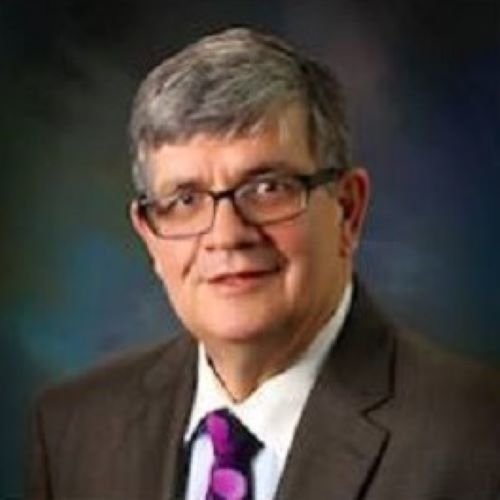
Charles I. Consagra
is of counsel with Needle Law Firm, where he concentrates in the field of administrative law, with primary specialty in the areas of workers' compensation, unemployment compensation and Social Security. Since 1978, Mr. Consagra has been a part-time faculty member at Keystone College as an instructor in the areas of education, behavioral sciences, criminal justice and business law. He is an instructor in business for graduate students through Marywood University. Mr. Consagra earned his B.A. degree, magna cum laude, from the University of Scranton and his J.D. degree from Seton Hall University School of Law. He earned his Master of Arts degree in counseling psychology and his Master of Science degree in Ed from Marywood University. Mr. Consagra also holds a M.Div degree and Ph.D. degree (all but dissertations).
Speaker bio
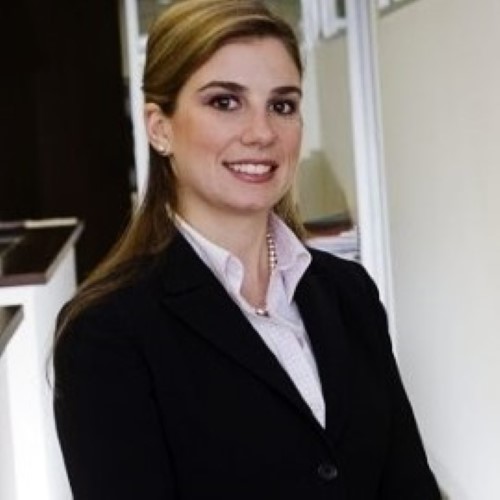
Meredith E. Marcus
is a partner with Osterhout Berger Daley LLC. She focuses her practice on Social Security disability law and federal and appeal court appeals in Social Security claims. Ms. Marcus received her undergraduate degree from Connecticut College and her J.D. degree from University of Illinois Chicago, graduating cum laude. She is a recognized as a Super Lawyer and Leading Lawyer. Ms. Marcus is the editor of Social Security Disability Practice by James Publishing. She is the prior chair for the Chicago Bar Association Social Security Committee and the prior director at large for the National Association of Disability Representatives (NADR). Ms. Marcus is admitted to practice in Illinois and Michigan. She is licensed in the U.S. Supreme Court; Sixth and Seventh U.S. Circuit Court of Appeals; district courts in Illinois, Indiana, Wisconsin and Michigan; and U.S. Court of Federal Claims. Ms. Marcus has litigated district court cases nationwide. She is a member of NADR and NOSSCR and has lectured for both organizations, as well as for the American Bar Association, Chicago Bar Association, Michigan Bar Association and National Business Institute.
Speaker bio
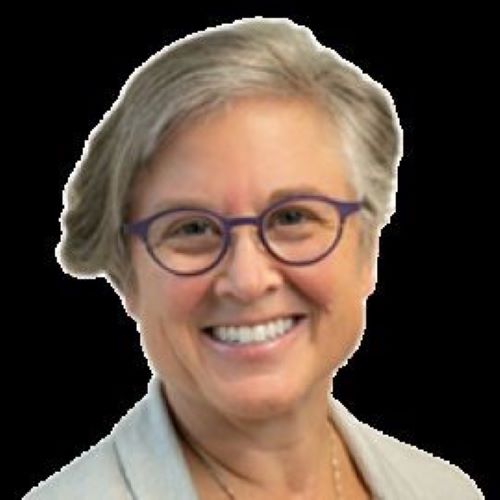
Susan T. Peterson-Lerdahl
is a shareholder with Henningson & Snoxell Ltd. She is the chair of the firm's estate planning department and has years of experience counseling individuals and families in estate planning, elder law, probate and trust administration, as well as family business succession planning. Ms. Peterson-Lerdahl drafts wills and trusts, as well as other estate planning documents for our clients. She works with families on incapacity planning, guardianships and conservatorships, charitable gifting, asset protection planning, and medical assistance planning. Ms. Peterson-Lerdahl is also experienced in guiding her clients through contested probate and trust matters. She is a member of the Hennepin County Bar Association, Minnesota State Bar Association, National Academy of Elder Law Attorneys and Minnesota Women Lawyers. Ms. Peterson-Lerdahl earned her B.A. degree, magna cum laude, from St. Olaf College; her M.A. degree, summa cum laude, from the University of Nevada, Las Vegas; and her J.D. degree, summa cum laude, from William Mitchell College of Law.
Speaker bio
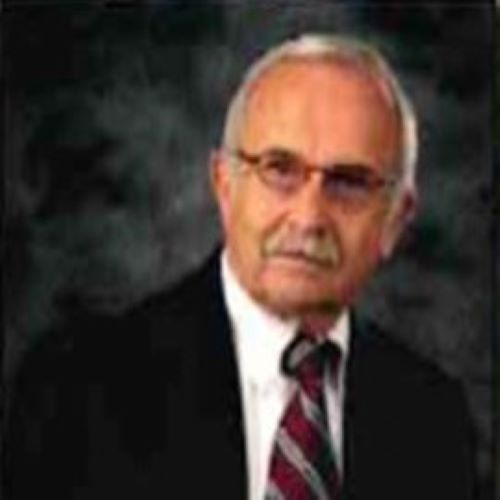
James J. Randall, Sr.
is a shareholder in the Monett law firm of Randall, Masri & Randall, P.C. He has practiced law for nearly 50 years. Mr. Randall's practice focuses on litigation, medical/legal issues, business transactions and estate planning. He is a former bankruptcy examiner for the U.S. Bankruptcy Court. Mr. Randall has lectured to attorneys, CPAs, insurance adjusters and medical personnel. He earned his A.B. degree from Rockhurst College and his J.D. degree from St. Louis University. Mr. Randall is a member of The Missouri Bar, and is admitted to practice before the U.S. District Courts of Missouri and Arkansas.
Speaker bio
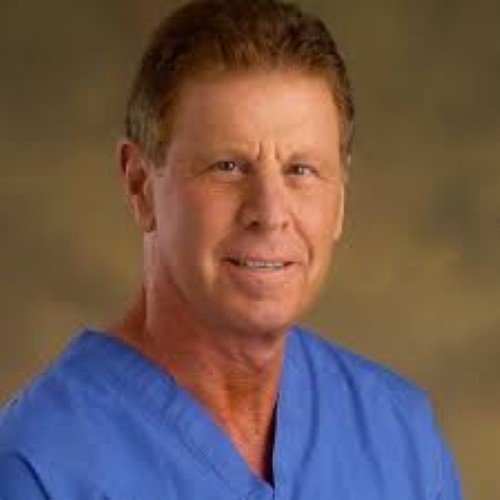
Dr. David Cooper
owns and operates The Knee Center in Wilkes-Barre, Pennsylvania. He is a graduate of Jefferson Medical College in Philadelphia and the Jefferson Orthopedic residency. Dr. Cooper entered private practice as a general orthopedic surgeon in Lansdale, Pennsylvania after serving our country for eight years as a U.S. Navy Reserve medical officer. For four years, Dr. Cooper performed all types of orthopedic surgery, including neck and low back laminectomies and fusions, along with extensive open and closed fracture care. In 1980, he was recruited by Geisinger to open the orthopedic department at the Geisinger Wyoming Valley Hospital in Wilkes-Barre, where he was one of the first orthopedic surgeons in the valley to introduce knee replacements and arthroscopic surgery. In 1981, Dr. Cooper opened The Knee Center in Wilkes-Barre to further specialize in the care and treatment of knee and lower extremity disorders. He has personally performed more than 6,000 arthroscopic surgeries, ligament repairs and knee replacements. In terms of actually performing surgeries as opposed to having interns and residents handle the cases, Dr. Cooper is one of the most experienced knee surgeons in the world, as well as being board-certified for life by the American Board of Orthopedic Surgery, the highest honor that any medical specialist practicing in the U.S. can obtain. As a sought after speaker by many national organizations, he has spoken at the national conferences of the American Bar Association and the Risk Insurance Management Society national meetings in New Orleans and Atlanta. Dr. Cooper is an adjunct professor at Binghamton University and Kings University. He is also a frequent guest lecturer at Binghamton University, Kings University and the University of Scranton. Dr. Cooper has been a private pilot for over 30 years, and enjoys flying his turbine Bonanza to conferences and lectures.
TOP FAQs
Have more questions? Please Contact Us