

Special Education Law: The Ultimate Guide
Credits Available
| Credit | Status | Total | Until |
|---|---|---|---|
| Connecticut CLE |
|
6 Total | 02-11-2027 |
| New York CLE |
|
7 Total | 02-11-2028 |
| Pennsylvania CLE |
|
6 Total | 02-11-2027 |

Buy This Course
OnDemand Video
Video Download
Course Book Download
or
Overview
Obtain Essential Special Education Legal Best Practices
Special education legal issues can be confusing for school personnel and attorneys alike. This hands-on legal guide will walk you through legal best practices concerning IEPs, 504 plans, manifestation determination reviews, and more. Our experienced attorney faculty will give you the information you need to provide maximum legal protections to special needs students and minimize school exposure to lawsuits. Handle special education issues with confidence - register today!
- Apply the latest special education legal developments to your school's policies.
- Understand when bullying of special needs students exposes schools to significant legal liabilities.
- Ensure IEP development process documentation serves as a legal aid in case of lawsuits.
- Handle the manifestation determination review process with confidence.
- Analyze recent court cases to avoid potential disability discrimination complaints.
- Properly accommodate English language learners who are also eligible for special education services.
Abbreviated Agenda
- Essential Special Education Legal Updates You Need to Know
- 504 Plan Eligibility and Accommodation Best Practices
- Manifestation Determination Reviews (MDRs): Did the Disability Cause the Behavior?
- Bullying and Harassment: Ensuring Special Needs Students Receive Free and Appropriate Public Education (FAPE)
- Developing Legally Compliant IEPs That Benefit Students: With Examples
- English Language Learners (ELLs) and Special Education: Ensuring Legal Best Practices
- Avoiding Disability Discrimination Complaints: Lessons From Recent Court Cases and Enforcement Actions
Credit Details
Credits Available
| Credit | Status | Total | Until |
|---|---|---|---|
| Connecticut CLE |
|
6 Total | 02-11-2027 |
| New York CLE |
|
7 Total | 02-11-2028 |
| Pennsylvania CLE |
|
6 Total | 02-11-2027 |
Select Jurisdiction
CLE
Agenda
-
Essential Special Education Legal Updates You Need to Know
-
504 Plan Eligibility and Accommodation Best Practices
- 504 Plans vs. IEPs
- Eligibility Procedure Best Practices
- Should IDEA Procedures Be Used?
- The ADAAA and 504 Plan Eligibility
- The Use of Parent-Submitted Information
- Determining Educationally - and Legally - Appropriate Accommodations
- Legal Best Practices for Students Who Do Not Need Classroom Accommodations
-
Manifestation Determination Reviews (MDRs): Did the Disability Cause the Behavior?
- Necessary Procedures Under the IDEA
- Discipline Documentation: What to Include
- Determining If Functional Behavior Assessments (FBAs), Behavior Intervention Plans (BIPs), and Discipline Documentation Align
- What to Do If MDR Results Are Disputed
-
Bullying and Harassment: Ensuring Special Needs Students Receive Free and Appropriate Public Education (FAPE)
- Understanding FAPE in Different Forms: IDEA and Section 504
- Recognizing Harassment and Interference With Special Education Services
- Special Needs Students as Perpetrators: How to Handle It
- Documenting Responses to Bullying and Harassment
-
Developing Legally Compliant IEPs That Benefit Students: With Examples
- Evaluation Best Practices
- Mitigating the Chance for Legal Liabilities in the Meeting
- Ensuring Legally Defensible Documentation for Every Decision
- IEP Progress Monitoring
- Changing the IEP: Essential Guidelines
- IEP Dos and Don'ts - With Examples
-
English Language Learners (ELLs) and Special Education: Ensuring Legal Best Practices
- Knowing When Referral Is Appropriate
- How ELLs Should Be Evaluated
- IEPs for ELLs
- IEP Meeting Essentials for ELLs
- Ensuring Language Instruction Meshes With IEP Objectives
- Legally Compliant School Policies for English Language and Special Education Co-Services
-
Avoiding Disability Discrimination Complaints: Lessons From Recent Court Cases and Enforcement Actions
- Ensuring Equal Access to All Programs: Sports, Gifted and Talented, Etc.
- Technology and Accessibility, Including Websites
- Ensuring Modifications and Changes in Placement Are Necessary
- Discriminatory Suspension and Discipline Practices
- Inappropriate Use of Restraint and Seclusion
- Recognizing Racial Disparity in Special Education Programs
Who Should Attend
This basic-to-intermediate level seminar on special education law is for:
- School Principals and Vice Principals
- School Superintendents and Assistant Superintendents
- School Psychologists
- School Counselors
- Special Education Teachers
- General Education Teachers
- Attorneys
- Paralegals
Speakers
Speaker bio
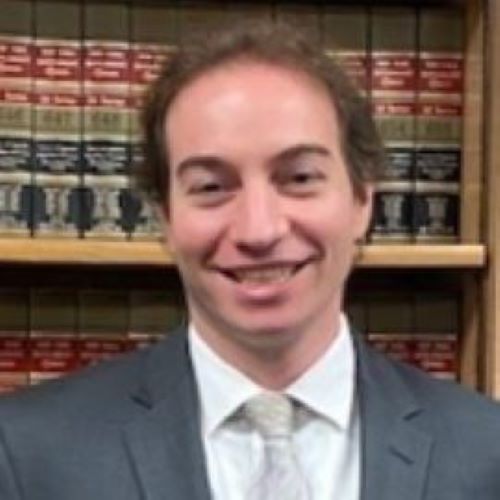
Daniel Levin
is an attorney with Frazer & Feldman, LLP where he focuses his practice on special education law, including representation of school districts in due process hearings, CSE meetings for IEPs, 504 plans, settlements, and manifestation determination reviews. Prior to joining Frazer & Feldman, LLP, he worked as senior counsel and legislative director in the New York State Senate, where he negotiated, drafted and advised State legislators on budget bills, voting rights legislation, criminal law and criminal justice reform, and local government issues. Mr. Levin also worked as a staff attorney and team leader for the Special Education Unit of the New York City Department of Education (DOE), where he investigated, settled and litigated due process complaints under the IDEA on behalf of the school district. He also drafted appeals to the State Review Office on IDEA hearings and chaired a committee focused on improving the unit's litigation practice. As team leader, he supervised attorneys in representing the district on IDEA claims for settlements and hearings. Mr. Levin earned his J.D. degree from Albany Law School and was the symposium editor of the Albany Government Law Review. He earned his B.A. degree in political science from Binghamton University. Mr. Levin is admitted to practice in New York and is a member of the Nassau County Bar Association.
Speaker bio
Jacob S. Feldman
is a founding partner with Frazer & Feldman, LLP. He has handled the defense of public school districts in major federal and state litigation involving civil rights, age, race, disability and sexual discrimination matters, sexual harassment complaints, and special education matters. Mr. Feldman has handled the successful defense of dozens of impartial hearings and appeals to the SRO and federal courts on behalf of school districts. He is a frequent speaker in various special education law programs. Mr. Feldman is admitted to practice law in the state courts of New York, U.S. Supreme Court, Second Circuit and Federal Circuit Courts of Appeals, and Southern and Eastern District courts of New York. Since 1987, he has served public school districts as general counsel. Mr. Feldman earned his B.A. degree, cum laude, from Brooklyn College and his J.D. degree from Brooklyn Law School.
Speaker bio
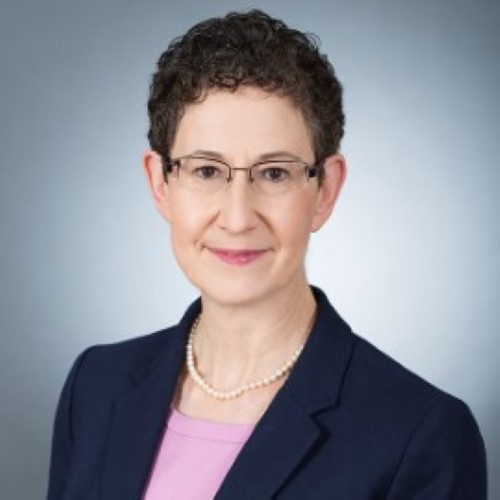
Susan E. Fine
is an attorney at Keane & Beane P.C. and represents public school districts as general counsel, labor counsel and special education counsel in Westchester, Nassau, Suffolk and Orange counties, New York. She handles school litigation matters in state and federal courts, appeals to the Commissioner of Education, due process proceedings under the Individuals with Disabilities Education Act and New York Education Law, student disciplinary proceedings, and discrimination and/or retaliation claims before the U.S. Department of Education Office for Civil Rights. Ms. Fine also advises school clients regarding aspects of school governance, including Freedom of Information and Open Meetings Law and procurement issues. She began her legal career serving in the U.S. Army Judge Advocate General's Corps. Ms. Fine earned her B.S. degree in economics from the Massachusetts Institute of Technology and her J.D. degree from the University of Nebraska College of Law. She is admitted to the state and federal courts of New York and is a member of the New York State Association of School Attorneys.
Speaker bio
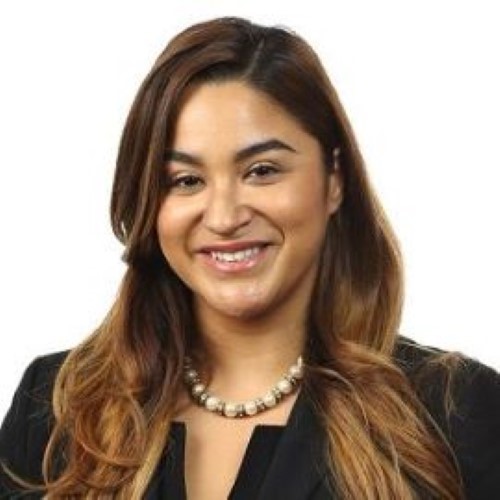
Julissa M. Proano
is an attorney at Cruser, Mitchell, Novitz, Sanchez, Gaston & Zimet, LLP. She focuses her practice on civil tort litigation, specializing in the areas of automotive litigation, professional and E&O liability claims, premises liability claims and claims relating to uninsured and underinsured motorist benefits. Ms. Proano earned her B.A. degree from Stony Brook University and her J.D. degree from City University of New York School of Law. She is a member of the New York State Bar Association, and is admitted to practice law in New York and before the U.S. District Court, Eastern District of New York.
Speaker bio
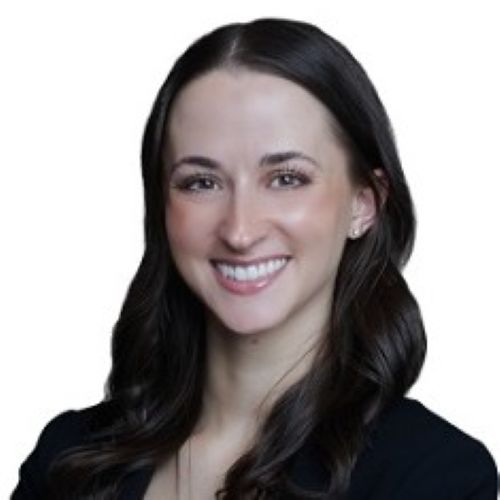
Rachel I. Insalaco
is an attorney with the law firm of Marshall Dennehey, P.C. in Philadelphia. She is a member of the firm's professional liability department, where she focuses her practice in the areas of employment law and education. Ms. Insalaco is admitted to practice in Pennsylvania and New York. She earned her B.M. degree from New York University and her J.D. degree from Villanova University Charles Widger School of Law.
TOP FAQs
Have more questions? Please Contact Us