

Buy This Course
OnDemand Video
Video Download
Course Book Download
or
Overview
Handling Probate From Initial Notices Through the Estate Closing
This "a through z" guide to probate is designed to take you from the first days of the estate timeline through all the steps of marshaling and valuing estate assets, locating and paying the creditors, paying the beneficiaries, and laying the estate to rest. You will receive the latest updates on the probate court procedure and tax laws, practical guidance from experienced probate attorneys on using spousal elective share and resolving estate disputes, and sample forms and checklists to speed up the administration process. Build a solid foundation for your probate practice - register today!
- Learn the procedure, rules and practical steps to effectively administer a probate.
- Determine what form of administration is appropriate for a specific probate case.
- Clarify the order of inheritance for an estate when there is no will.
- Locate assets and obtain ownership documents more easily with a list of local and online resources.
- Get a complete view of the sequence of events that must happen before the estate can be closed.
- Identify common actions that trigger malpractice liability and get tips for staying in the clear.
- Get practical advice for honoring or contesting all claims against the estate.
- Find new ways to resolve liquidity issues that delay estate closing and final distributions and payments.
- Learn what common closing mistakes can allow the estate to be re-opened, and how to avoid them.
Abbreviated Agenda
- Initial Filing in Probate Court and Estate Timeline
- Law of Intestate Succession
- Inventory and Appraisement
- Probate Property vs. Non-Probate Assets
- Handling Claims Against the Estate
- Tax Reporting and Post-Mortem Tax Matters
- Ethics
- Sale of Property and Distributions
- Final Accounting and Closing the Estate
- Probate Disputes and Litigation
Credit Details
Credits Available
There is no credit available on this course.
Select Jurisdiction
Agenda
-
Initial Filing in Probate Court and Estate Timeline
- Small Estate Administration
- Probate Court Procedure
- Estate Timetable/Checklist
- Formal vs. Informal Probate Administration
- Opening the Estate
- Petition for Probate and Administration and Notice of Hearing
- Required Notices (to Creditors, Heirs, DHS, IRS)
- Sample Forms
- What the Personal Representative Needs to Know and Do
- When is Ancillary Administration Necessary?
-
Law of Intestate Succession
- Who Can Inherit - Degrees of Kinship and Order of Inheritance
- Determining the Share Size
- Exceptions and Bars to Inheritance
-
Inventory and Appraisement
- Locating Insurance Policies, Deeds and Other Ownership Documents
- Obtaining a Tax ID and Marshaling Property
- Preparing the Inventory and Appraisal Forms
- Dealing with the Probate Referee
- Managing Decedent's Assets During Probate
- Handling Common Valuation Issues
- When to Hire a Valuation Specialist or Appraiser
-
Probate Property vs. Non-Probate Assets
-
Handling Claims Against the Estate
- Required Creditor Notice
- Determining Priority of Claims
- Allowing and Rejecting Claims, and Paying Them
- Handling Lawsuits Against the Estate and the Decedent
- Insolvency Issues
-
Tax Reporting and Post-Mortem Tax Matters
- Final Tax Returns Timeline, Forms and Filing Procedure
- Requesting Deadline Extensions
- Income Tax Considerations in Probate
- Selecting a Tax Year: Calendar or Fiscal?
- Decedent's Final Income Tax Return
- Estate Income Tax Return
- Tax on Income Earned by Estate after Decedent's Death
- Beneficiary Income Tax Considerations
- Proper Use of Disclaimers and Valuation Discounts
- Claiming Estate Tax Portability
- Estate and Gift Tax Considerations - When Do You Need to File Form 706?
- Coordinating with Decedent's Accounting or Investment Advisors
- GST Tax Implications
- Handling Common Property Tax Issues
-
Ethics
- Who is Your Client? Avoiding Conflicts of Interest
- Protecting Client Confidentiality
- Attorney Fees
- Malpractice Liability Risks
- Negligence
- Breach of Fiduciary Duty
- Fraud
-
Sale of Property and Distributions
- Disposition of Real Estate - Title Issues in Probate
- Retirement Plans and IRA Distributions
- Life Insurance and Other Beneficiary Designations and Accounts
- Preliminary and Final Distributions
- Calculating Augmented Estate and Spousal Elective Share
- Dealing with the Surviving Family Members and Other Beneficiaries
- Solving the Problem of Liquidity
- Distributions to Trusts
-
Final Accounting and Closing the Estate
- Estate Accounting Procedure
- Closing Certificate for Fiduciaries
- Closing Decedent's Remaining Accounts
- Personal Representative and Attorney Compensation
- Extraordinary Services Compensation
- When Reopening the Estate is Warranted
-
Probate Disputes and Litigation
- Beneficiary Liability
- Fiduciary Liability
- Interpreting Testamentary Intent - Burdens of Proof, Presumptions, Evidence Rules
- Revoked, Multiple, Contested Wills
- Common Will Construction Problems
- Objections to Accounts and Petitions
Who Should Attend
This basic level online seminar is designed for professionals who want to be more effective in handling the probate process, including:
- Attorneys
- Paralegals
- CPAs and Accountants
- Financial Planners and Wealth Managers
- Tax Professionals
- Trust Officers
Speakers
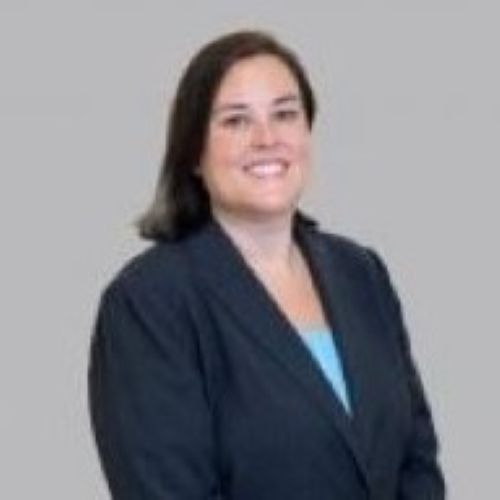



Speaker bio
Heather L. Sunderman
is an associate at McMillan Metro and Faerber, P.C., where she focuses on the areas of wills, trusts, estate planning, probate, guardianships and family law. In addition, she is trained as a mediator and collaborative law practitioner. Ms. Sunderman has been appointed by courts to represent disabled persons in guardianship matters, and children in contested custody matters. She has litigated cases in many different areas of the law including divorce, guardianships, domestic violence and civil disputes. Ms. Sunderman earned her bachelor's degree from Allegheny College and her J.D. degree from Washington College of Law (American University). She is a member of the Maryland State Bar Association and the Bar Association of Montgomery County, Maryland. She is admitted to practice law in Maryland, Virginia and the District of Columbia.
Speaker bio
Elizabeth H. Johnson
is a senior associate with SPENCE | BRIERLEY, PC, where she focuses on the areas of estate, trust, and fiduciary litigation, as well as estate administration, and probate law. She is a member of Baltimore County Bar Association, Anne Arundel Bar Association, Maryland State Bar Association, as well as Association of Certified Fraud Examiners, International Association of Document Examiners, Anne Arundel Estate Planning Counsel, and Baltimore County Provider Council (professional community dedicated to improving lives of older adults). Ms. Johnson earned both her B.A. and J.D. degrees from the University of Illinois. She is admitted to practice in the state of Maryland.
Speaker bio
Anthony J. DiPaula
is an attorney at Law Offices of Anthony J. DiPaula, P.A. His practice includes representation in personal matters, small business matters, civil litigation, probate, and criminal defense. Mr. DiPaula earned his B.A. degree from Loyola College and his J.D. degree from the University of Baltimore School of Law. He is a member of the Maryland State Bar Association, Litigation, Estates and Trusts, and Construction Law sections; Baltimore County Bar Association; Harford County Bar Association, past president, executive council; and American Bar Association, Business Law, Solo/Small Firm and Senior Lawyer sections. Mr. DiPaula is admitted to practice law in Maryland and before the Court of Appeals of Maryland, District of Columbia, U.S. District Court for the District of Maryland, U.S. Bankruptcy Court for the District of Maryland, U.S. Court of Appeals for the Fourth Circuit, U.S. District Court for the District of Columbia and U.S. States Supreme Court.
Speaker bio
Kathleen D. Adcock
is a partner at McMillan Metro Faerber, P.C., where she handles estate planning, probate and trust administration, and guide clients through the process of establishing and maintaining tax-exempt organizations. Ms. Adcock earned her B.A. degree from Yale College, and her J.D. and LL.M. degrees (taxation) from the University of Baltimore Law School. She also holds an M.B.A. degree from Merrick School of Business. Ms. Adcock is a member of the Maryland State Bar Association, District of Columbia Bar and American Bar Association. She is admitted to practice law in Maryland, Washington D.C. and the U.S. Tax Court. A frequent speaker for the Maryland Department of Aging Senior Centers on estate planning and probate topics, Ms. Adcock has presented on tax topics to the Maryland State Bar Association and D.C. Bar Association; and is a contributing author to Using & Drafting Trusts in Estate Planning (M.S.B.A.).
TOP FAQs
Have more questions? Please Contact Us