

Buy This Course
OnDemand Video
Course Book Download
or
Overview
A Timely Update You Can't Afford to Miss!
Are you up to speed on the latest human resource law changes in your state? This up-to-the-minute online seminar provides you with best practices for navigating problems in the virtual workplace, drafting and updating policies, hiring and firing workers, and much more. Stay up to date on new rules and regulations - register today!
- Find out what's happening in wage and hour law.
- Gain insights on how to address current concerns surrounding hybrid and remote working.
- Determine what updates you need to make to your handbook this year.
- Come away with best practices for investigating complaints.
- Hear the latest guidance on hiring and firing employees.
- Discover tips for handling new leave and accommodation issues.
- Analyze emerging issues and solutions regarding social media and the workplace.
- Learn the dos and don'ts of addressing drug and alcohol use.
Abbreviated Agenda
- Wage and Hour Updates
- Leave and Accommodation Considerations in 2024
- Hybrid and Remote Work: Current Issues and Answers
- Investigating Employee Complaints: 2024 Guide
- Hiring and Firing: Legal Do's and Don'ts for Crucial HR Functions
- Drafting Employee Handbooks and Policies in 2024
- Social Media and the Workplace: Balancing Employer Needs and Employee Rights
- Drugs and Alcohol in the Workplace: Marijuana and Other Considerations
Credit Details
Credits Available
| Credit | Status | Total | Until |
|---|---|---|---|
| Rhode Island CLE |
|
6 Total | 06-30-2026 |
Select Jurisdiction
CLE
Agenda
-
Wage and Hour Updates
- Primary Duties Test: Recognizing the Top Pitfalls
- Salary Test Legal Essentials
- Independent Contractors: Updates and Current Issues
- Off-The-Clock Work and Unauthorized Overtime
- Addressing Employer Errors: Essential Safe Harbor Policies to Have
- Wage and Hour Litigation and Case Law Update
-
Leave and Accommodation Considerations in 2024
- Notable Developments in State Leave and Accommodation Laws
- Interactions With State Workers' Compensation Laws
- Leave as a Reasonable Accommodation
- Best Practices for Drafting and Revising Leave and Accommodation Policies in 2024
- Undue Hardship - The Latest Developments
- Terminating Employees on Leave: Current Guidance and Best Practices
-
Hybrid and Remote Work: Current Issues and Answers
-
Investigating Employee Complaints: 2024 Guide
-
Hiring and Firing: Legal Do's and Don'ts for Crucial HR Functions
- Crafting Legally Compliant Job Descriptions: What You Must Know
- Offer Letters, Background/Credit Checks, and Other Essential At-Hire Documents: Best Practices and Current Developments
- How Enforceable Are Non-Compete, Non-Solicit, and Confidentiality Agreements?
- Salary Transparency Laws: Recent Developments
- Legally Defensible Disciplinary and Termination Documentation (Including Performance Improvement Plans)
- Separation Agreements and Severance Packages in 2024
- What You Need to Know About Handling Whistleblower Allegations
-
Drafting Employee Handbooks and Policies in 2024
- Handbook Scope: How Much Is Too Much?
- What Topics You Must Include (With Example Language)
- Avoiding Implied Contractual Relationships
- Critical Updates to Make to Employee Handbooks in 2024 (With Checklist)
- Top 5 Handbook Policy Mistakes to Avoid in 2024
-
Social Media and the Workplace: Balancing Employer Needs and Employee Rights
- Social Media and NLRA Violations for Non-Union Employers
- To What Extent May Employers Monitor and Limit Social Media Use?
- Using Private Social Media Accounts for Business Purposes
- The Latest Guidance on Using Social Media in Hiring Decisions
- Best Practices for Creating and Updating Social Media Policies
- Artificial Intelligence (AI) in the Workplace: What You Need to Know NOW
-
Drugs and Alcohol in the Workplace: Marijuana and Other Considerations
- Accommodating Medical Marijuana Users: Do You Have To?
- Drug-Testing Considerations for Current and Prospective Employees
- Disciplining and Terminating Medical Marijuana Users: Current Legal Perspectives
- Creating Drug and Alcohol Policies That Leave No Room for Interpretation
Who Should Attend
This intermediate level online seminar on human resource law is of benefit to:
- Attorneys
- HR Professionals
- Accountants
- Paralegals
Speakers



Speaker bio
Chip Muller
is an employment lawyer and founder of Muller Law LLC. He represents employers and employees in all phases of the employment life cycle and advises companies on how to reduce risk of employment litigation. In addition to employment law, Mr. Muller practices civil litigation and corporate litigation. He is chair of the Employment Committee of the Rhode Island Bar Association. Mr. Muller is admitted to practice in Rhode Island, Massachusetts and Connecticut; as well as the federal courts in Rhode Island and Massachusetts. He is also admitted in Connecticut state and federal courts, and the U.S. Circuit Court of Appeals for the First Circuit. Mr. Muller earned his B.A. degree from Middlebury College, his M.A. degree in religious studies from Boston University, and his J.D. degree from the University of North Carolina School of Law.
Speaker bio
Cindy M. Cieslak
is a partner with Rose Kallor, LLP. Her practice focuses on all aspects of labor and employment litigation in state and federal courts, as well as administrative agencies; including the defense of public sector and private employers against claims of discrimination, wage and hour violations, breach of contract, free speech retaliation, whistleblower retaliation, and other civil rights violations. Ms. Cieslak provides advice to employers regarding compliance with labor and employment laws. She conducts workplace investigations, prepares employee handbooks and best practices manuals for employers, and assists employers with affirmative action plans and compliance with laws and regulations pertaining to government contractors. Ms. Cieslak earned her B.A. degree, summa cum laude, from Pennsylvania State University; and her J.D. degree from University of Connecticut School of Law.
Speaker bio
John W. Chapman
has practiced law in Maine for over 40 years. He represents PORAC (U.S. Border Patrol), Fraternal Order of Police, Androscoggin County Employee Association, Professional Fire Fighters of Maine, and National Correctional Employees Union. Mr. Chapman has co-authored legislation in the area of mental health and firearms with the Governor’s Office and the Sportsman’s Alliance of Maine. He teaches use of deadly and nondeadly force at the Maine Criminal Justice Academy to cadets, law enforcement firearms instructors, and judicial marshals. Mr. Chapman developed and periodically updates the protocol for representation of law enforcement officers involved in critical incidents. He is the counselor at arms for the Gun Owners of Maine, and is an avid shooter, archer and reloader. Mr. Chapman is admitted to practice in the Maine courts, United States District Court for the District of Maine, First Circuit Court of Appeals, United States Supreme Court, and Bureau of Alcohol, Tobacco and Firearms.
Speaker bio
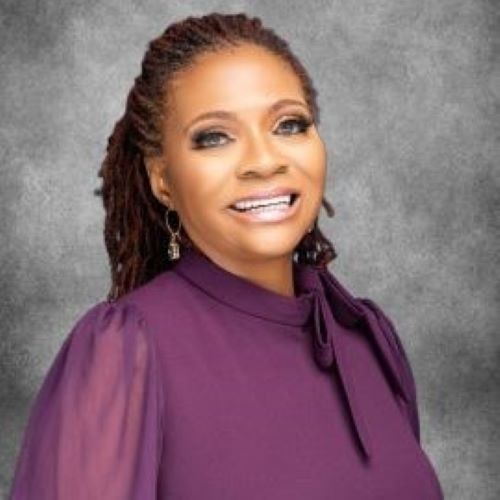
Eraka L. Childs
is a business, estate planning, probate, guardianship and family law attorney at The Childs Law Firm P.C. As an experienced trial attorney, her practice emphasizes helping people to build, preserve and pass on their wealth. She has more than 20 years of experience advising business owners regarding their human resources practices and other business matters. Ms. Childs works with her clients to accomplish their goals while avoiding unnecessary court proceedings and minimizing or eliminating exposure to death taxes. She received her B.A. degree from Southwestern University and her J.D. degree from South Texas College of Law Houston. Ms. Childs is licensed to practice law in Texas.
TOP FAQs
Have more questions? Please Contact Us